Cooking Classes in Rimini: How to Choose a Course
Cooking classes in Rimini range from short themed evenings at a hotel school to vocational courses. Here is how each format works and how to choose one.
On this page
For a visitor with one free evening, the practical answer is the short themed cookery sessions run by Rimini's state hotel school, the IPSSEOA Sigismondo Pandolfo Malatesta, which publishes a season of single-evening classes in fresh pasta, pizza, fish and more at its Marebello site. Longer vocational and demonstration courses exist too, but they are built for people training for the trade rather than for a holiday. This guide separates the two formats, shows what the Malatesta sessions cover, and lists the questions that settle a booking.
What a cooking class in Rimini is like
Rimini's cookery teaching is shaped by its hotel school, which trains students for the region's restaurant and hospitality trade and also opens selected short courses to the public. That means a class is usually held in a teaching kitchen with work stations, not in a restaurant dining room, and the person leading it is a school instructor rather than a celebrity chef. Expect a set theme for the evening, a demonstration of technique and then your own attempt at the same dishes.
The dishes lean on Romagna cooking: fresh pasta, focacce, pizza and panzerotti (small folded and fried filled doughs), fish, riso (rice), and vegetables. For a sense of what the region puts on the table when you are not in a classroom, use our pick of the best restaurants in Rimini as a cross-check on the dishes you will be handling.
Short themed courses at the Malatesta hotel school: how the format works
The Malatesta school runs a programme called Mani in pasta, a series of single-evening sessions between November and March, each built around one subject and held at its main site on Viale R. Margherita in Marebello, a short run south of the centre. Sessions run from 18:30 to 22:30, which leaves a full evening free and still gets you back into town for a late drink. You pick the evening that matches your interest rather than signing up to a fixed syllabus.
The school published its contribution rates for the 2025–26 programme as €40 for one course, €70 for two and €30 per course for three or more, paid through a PagoPA notice. Treat those as the school's published figures for that season and confirm the current ones with the school before you commit, since a new timetable usually means new rates. Booking is direct: the school lists a telephone number and an email address for the Mani in pasta contact.
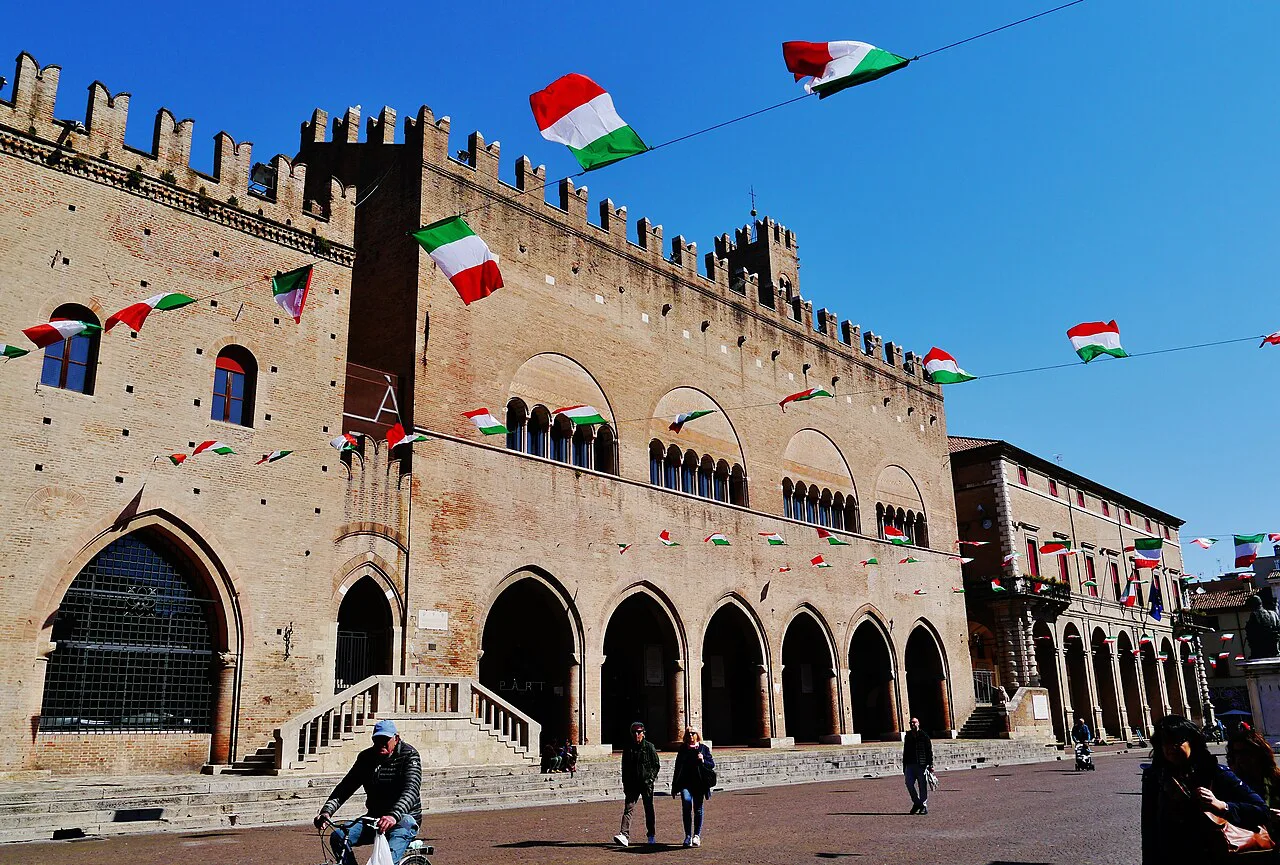
What the Malatesta sessions cover, from fresh pasta to pizza and fish
The published session list is unusually specific, which makes choosing straightforward. It includes an evening on pastries and baked goods made with heritage grains (grani Antichi), one on focacce, pizza and panzerotti, a session on fish, a night devoted to risen doughs with heritage grains, and a gourmet pizza evening. Later dates cover side dishes (contorni), molecular cooking, vegan cooking, Sicilian specialities, raw fish, rice, and flowers and herbs in the kitchen.
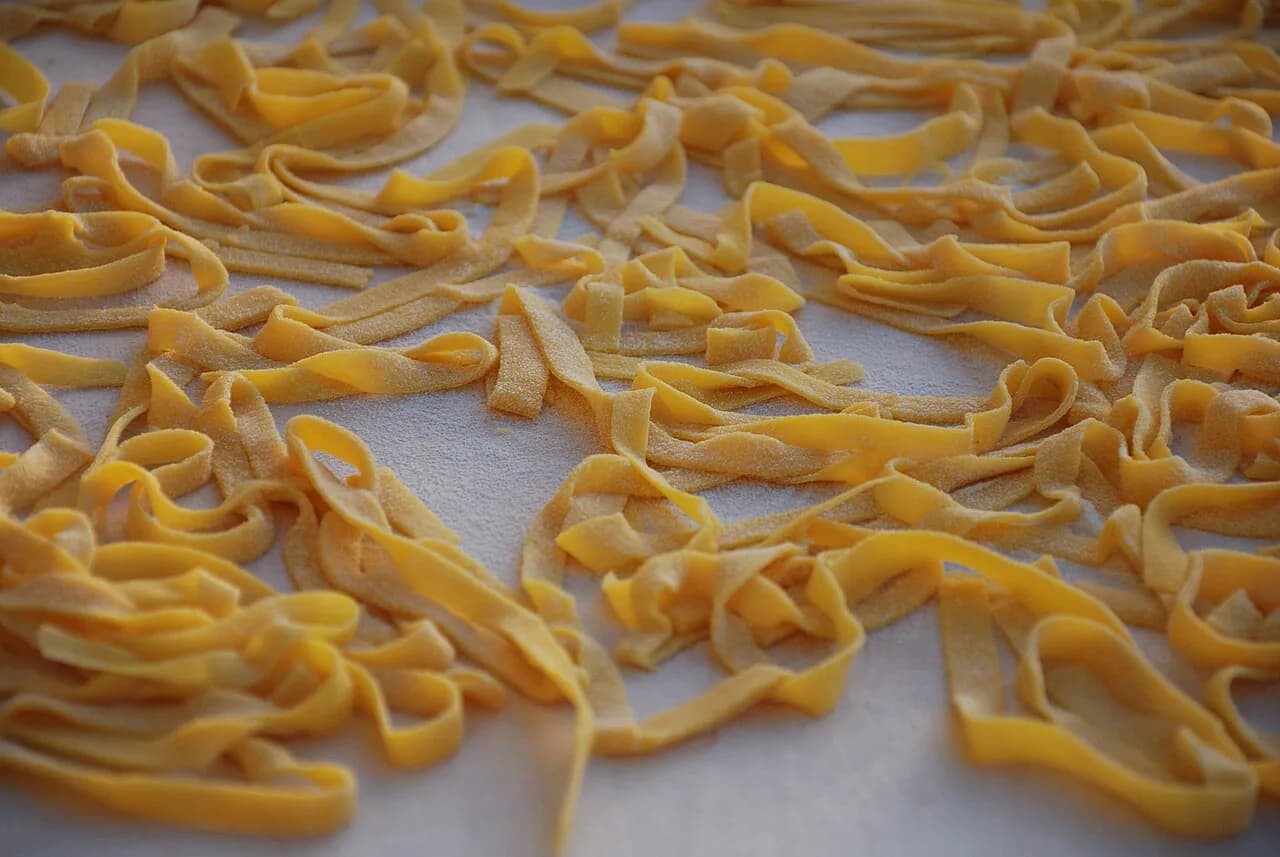
The fresh pasta session is listed for 19 March, from 18:30 to 22:30, at the Marebello site. If your trip does not line up with a pasta night, the pizza and dough sessions work as a substitute because they teach the same feel for flour, water and resting time. For what the finished article looks like across the city, compare our guide to the best pizza in Rimini.
Piadina, the thin griddled flatbread that anchors a Romagna lunch, does not appear in the published session list, so do not book a dough evening expecting to learn it. Eat one instead and read up on how it is made across the city in our guide to Piadina in Rimini before you try it at home.
Vocational and professional cookery training in Rimini
Separate from the one-evening sessions, Cescot Rimini, a training body on Via Clementini, lists a course called Cucina Buona Sana e Bio covering healthy and organic cooking. Its enrolment page states that sign-ups for the course are closed and invites enquiries about future programmes, so it is a route to watch rather than something to book for a coming trip. Its pace and purpose differ from an evening class, so check with Cescot Rimini beforehand whether it suits a visitor.
The distinction matters because a multi-week professional course assumes you want kitchen skills as a qualification, not as holiday entertainment. If you are in Rimini for a week, a course spread across months will not fit, and the short themed sessions are the realistic option. Check directly with the provider whether a listed course is open to non-professionals before you plan around it.
Specialist courses: vegetarian, vegan and gluten-free cooking
Dietary-specific cooking is a distinct need, and Rimini has some form in it. The kitchen equipment supplier Gifar, based at the Centro GROS on the city's edge, published a record of cookery demonstrations it held in its own demonstration room, covering vegetarian, vegan and gluten-free cooking among others. That page documents past sessions hosted in a supplier's show kitchen rather than a current bookable programme, so read it as evidence that this kind of teaching happens locally, not as a timetable.
On the Malatesta list, the vegan evening and the session on flowers and herbs sit closest to a plant-forward brief, though neither is a gluten-free class. If avoiding gluten is a medical requirement rather than a preference, ask the school directly how the kitchen handles flour dust and shared surfaces before booking a dough-based evening.
Which format suits a visitor with one free evening
With a single evening, choose one Malatesta session and pick it by subject rather than by date. Fish, fresh pasta and pizza are the most transferable to a home kitchen, while molecular cooking and gourmet pizza are more of a night out with technique attached. A four-hour slot starting at 18:30 suits most trips because it does not wipe out the day.
Build the rest of the day around it: a long lunch, an afternoon on the beach or a walk, then the class. If you would rather eat than cook, our selection of trattorias in Rimini and the Romagna hills is the lower-effort alternative, and an aperitivo before the 18:30 start is easy to fit in.
Group size, language and hands-on time: what to ask before booking
Four questions settle most of the doubt. First, is the evening hands-on or a demonstration with tasting, because the two feel completely different over four hours. Second, what language is instruction in, since a school that teaches Italian students may run sessions in Italian only. Third, how many people share a work station. Fourth, whether the dishes cooked are eaten at the end or taken away.
The published programme confirms the dates, times and venue but not the group size or the language of instruction, so put those to the school's Mani in pasta contact when you enquire. Ask too about aprons, knives and ingredients: the programme does not say what is provided, so confirming avoids turning up unprepared. Payments via PagoPA mean you should expect an electronic notice rather than a card machine at the door.
How to book a place and what to expect on the day
Booking runs through the school rather than a ticket platform: you telephone or email the listed contact, agree a session, then pay the contribution through the PagoPA notice you are sent. Places on short courses are usually capped, so pick your date early if it falls in a popular stretch of the calendar. Keep the payment receipt, since it is your proof of enrolment.
On the day, arrive a little before the start at Viale R. Margherita 4 in Marebello, bring something to tie back long hair, and expect to leave at 22:30. The school asks nothing unusual of guests beyond the contribution, but it is worth asking whether you need closed shoes in the kitchen. Afterwards, a late plate of something simple near the seafront rounds the evening off.
Is a Rimini cooking class worth an evening of your trip?
Yes, if you take one of the Malatesta school's single-evening sessions and choose the subject you actually want to cook at home. It is a genuine teaching kitchen rather than a tourist show, it fits inside one evening, and the published programme tells you exactly what each night covers before you commit. Skip the professional courses unless you are training for the trade.
Book by phone or email, pay through the notice you are sent, and check the current season's rates and dates with the school as the new programme is published. If the schedule does not fit your dates, put the evening into eating instead and start with our pick of the best restaurants in Rimini.
Explore more Rimini food guides
Frequently Asked Questions
Do I need to speak Italian to join a cooking class in Rimini?
Ask the school directly. The Malatesta school publishes its session dates, times and venue but not the language of instruction, and a school teaching Italian hospitality students may run some evenings in Italian. Email the Mani in pasta contact and ask which language your chosen session will be taught in.
Can I book a single evening rather than a whole course?
Yes at the Malatesta school, where each Mani in pasta date is a standalone themed evening and the published rates are per course, with a discount if you take several. Professional training providers such as Cescot Rimini run courses at a different pace and purpose, and their enrolment status changes, so it is worth confirming details with them directly.
Is there a gluten-free cooking class in Rimini?
No gluten-free session appears in the Malatesta school's published programme, and a supplier's page recording past vegetarian, vegan and gluten-free demonstrations in the city is a historical record rather than a bookable timetable. If you need gluten-free teaching, contact providers directly and ask how the kitchen manages flour and shared surfaces.
How much does a cooking class in Rimini cost?
The Malatesta school published contribution rates for its 2025–26 programme on its own site, including a lower per-course rate when you book several sessions, payable through a PagoPA notice. Rates can change with each new season, so ask the school for the current figure when you enquire.
Sources
Notes for your next meal in Italy
Optional updates to our food guides.
You might also like
Continue reading
More guides you'll find useful