Radicchio di Treviso: Tardivo, Precoce and How to Eat It
Radicchio Rosso di Treviso IGP comes as Precoce and Tardivo, the late one whitened in spring water. Here is what each tastes like and how to eat it.
On this page
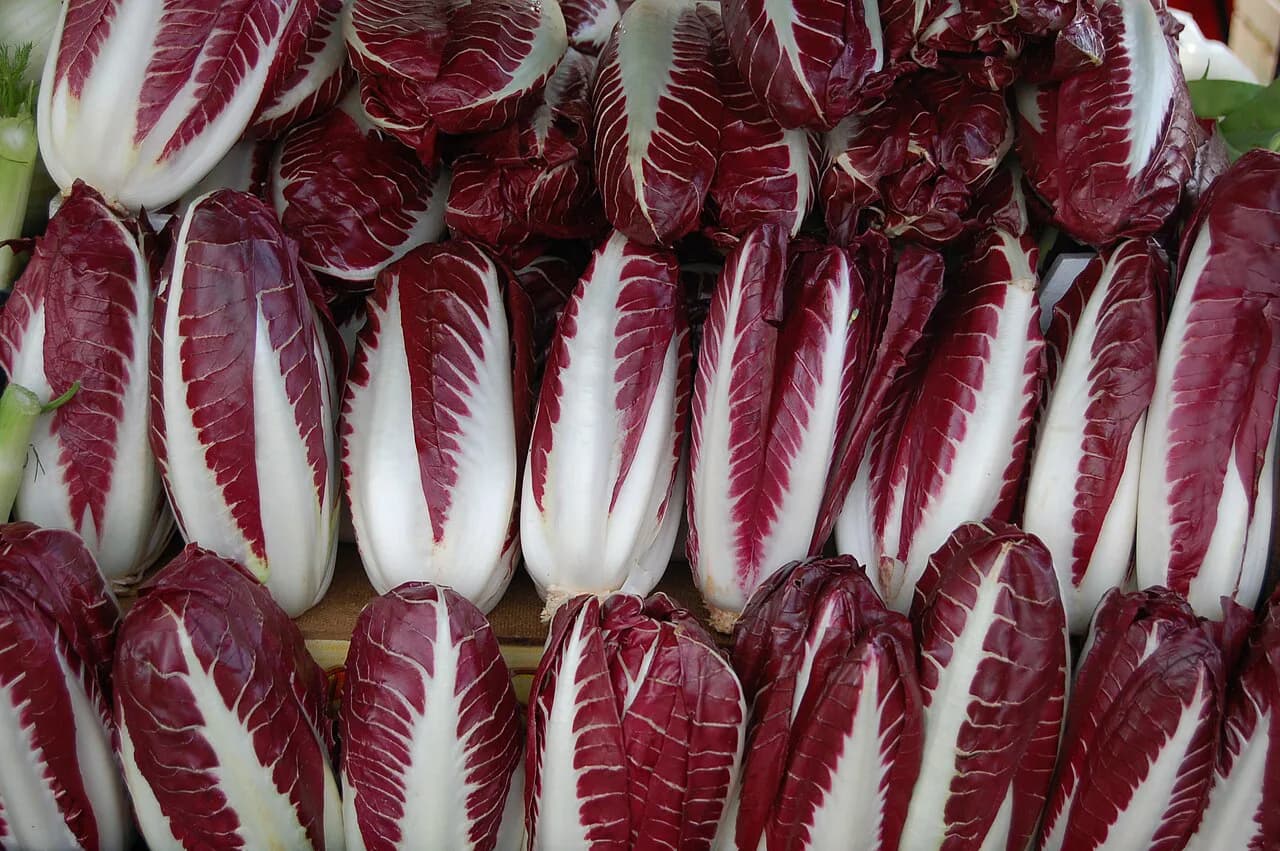
Radicchio di Treviso is a red chicory, Cichorium intybus, grown in the provinces of Treviso, Padova and Venezia and sold under the protected label Radicchio Rosso di Treviso IGP in two types: Precoce and Tardivo. The Tardivo is the one worth planning a meal around: a loose, wine-red head with long wrapping leaves and a pleasantly bitter bite, made that way by a dark forcing step in running spring water. This guide covers what separates the two types, when each is harvested, how they taste, and the dishes they suit in a Treviso kitchen.
The label is not decoration. Production rules fix the sowing window, the transplant deadlines, the harvest start dates and the forcing method, and the Consorzio Tutela Radicchio Rosso di Treviso e Variegato di Castelfranco IGP is the body behind the mark, with CSQA Certificazioni as the inspection body. Knowing which of the two types you are buying changes how you cook it, so the sections below take them one at a time.
What radicchio di Treviso is
It is a leaf vegetable belonging to the Silvestre variety of Cichorium intybus, registered as Radicchio Rosso di Treviso IGP, with a registration date of 1 July 1996 that is worth knowing only as history. The production zone takes in many comuni across the provinces of Treviso, Padova and Venezia in the Veneto, so a head sold under the name can come from a wide belt of the plain rather than a single village.
Growers either sow directly in the field or transplant seedlings, and the calendar is tight: sowing runs from 1 June to 15 August, transplanting must be finished by 31 August for the Precoce type and by 30 September for the Tardivo. That two-month gap in the field is the reason the two types reach the market at different moments and behave so differently in the pan.
Precoce against Tardivo
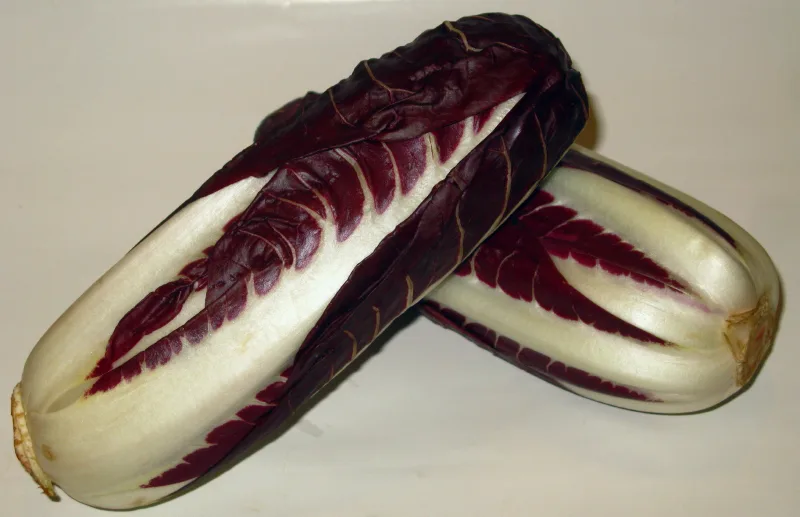
Precoce forms a voluminous, well-closed head with intense red leaves and a very pronounced white main rib; the flavour is lightly bitter and the texture moderately crunchy. Think of it as the salad radicchio, the one that slices into fine ribbons without collapsing.
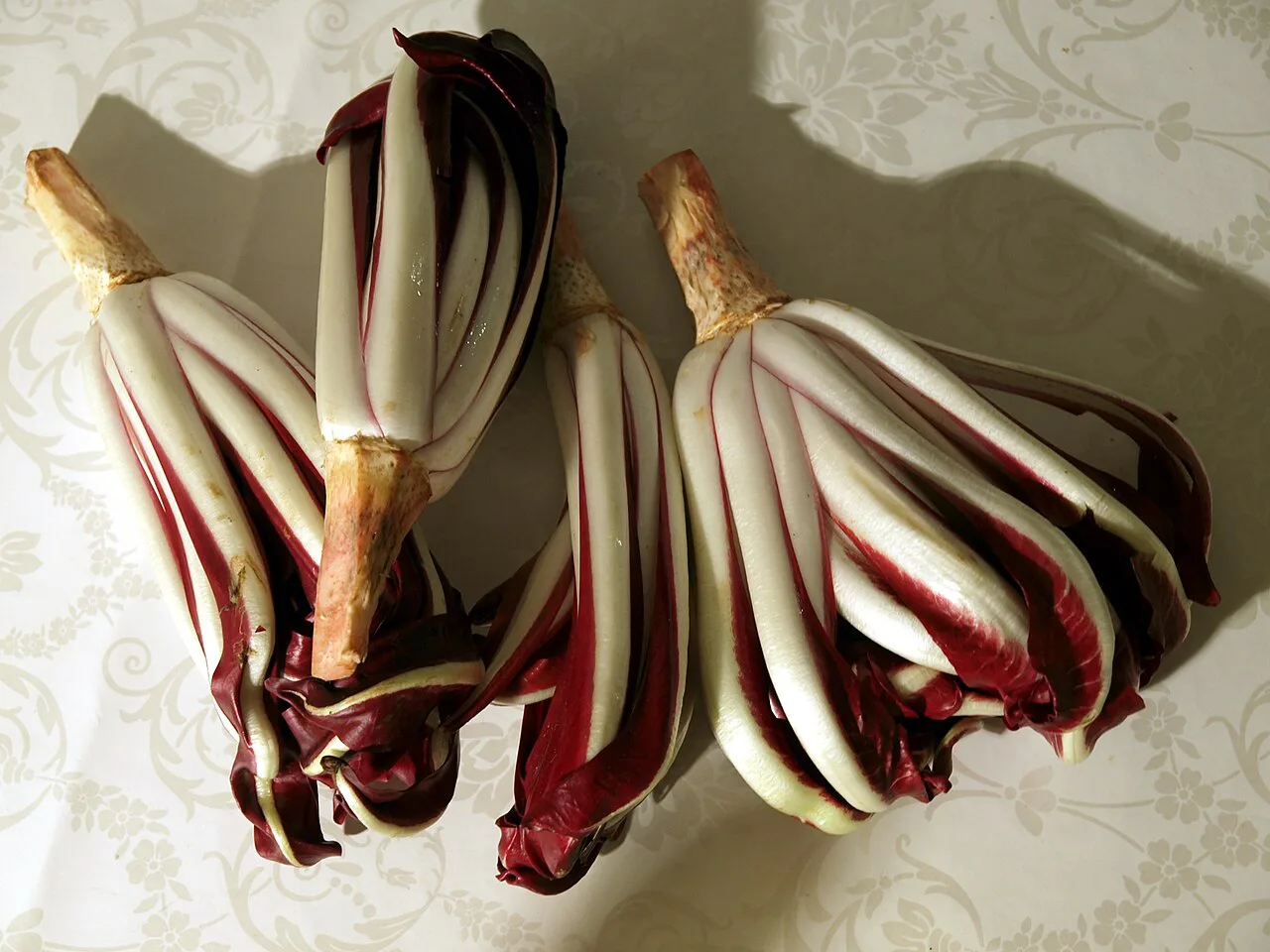
Tardivo is a different animal: the leaves are tight and wrapping, closing the head towards the tip, in an intense wine red, with a pleasantly bitter taste and a crunchy bite. Because the leaves are long and sturdy, Tardivo holds its shape when grilled or pan-fried, while Precoce is the better one for slicing raw.
How Tardivo is forced
After harvest, Tardivo goes through pre-forcing and then forcing-imbianchimento, the dark whitening stage that defines the type. The cleaned heads are bundled or caged at a uniform collar height and kept in conditioned rooms, then stood upright in large protected tanks of spring water held between 11 and 20°C until they reach the right degree of ripeness.
Growing without light stops the new leaves forming chlorophyll, which is why they come out deep red, crunchy and pleasantly bitter instead of green and coarse. A final cleaning stage frees the heads from ties or cages, removes damaged leaves, trims and strips the taproot and washes the radicchio in running water. The work is manual, and the label treats that hand skill as part of what makes the product distinctive.
Season: when each type is picked
Precoce is harvested from 1 September, Tardivo from 10 October, and the product is marketed through the autumn and winter. In practice that means September and early October belong to Precoce, while the Tardivo season runs through the colder months, which is when you see it grilled, seared and folded through risotto.
Menus in Treviso follow that rhythm, so a dish built on raw Precoce makes more sense early in the season and a warm Tardivo preparation later on. If you are eating out and want the vegetable at its best, ask which type is on the plate and where it was grown; the answer should sit inside the Treviso, Padova and Venezia belt.
What it tastes like and how to serve it
Both types are bitter, but in different registers: Precoce lightly so, Tardivo more assertively and with a wine-red colour that bleeds into a dressing. Raw, the leaves belong in mixed salads and antipasti, cut fine and paired with something salty or fatty to balance the bitterness. Cooked, the vegetable goes into risotti, pasta, crespelle (savoury filled pancakes) and secondi of meat or fish.
On its own, the simplest treatment is often the best: pan-fried or grilled, which suits the sturdy Tardivo leaves and lets the bitterness caramelise at the edges. Serve it as a contorno, a side dish, next to grilled meat, or as a starter with good oil and salt. The trade-off is heat: long cooking softens the crunch and dulls the colour, so keep the wedges thick and the pan hot.
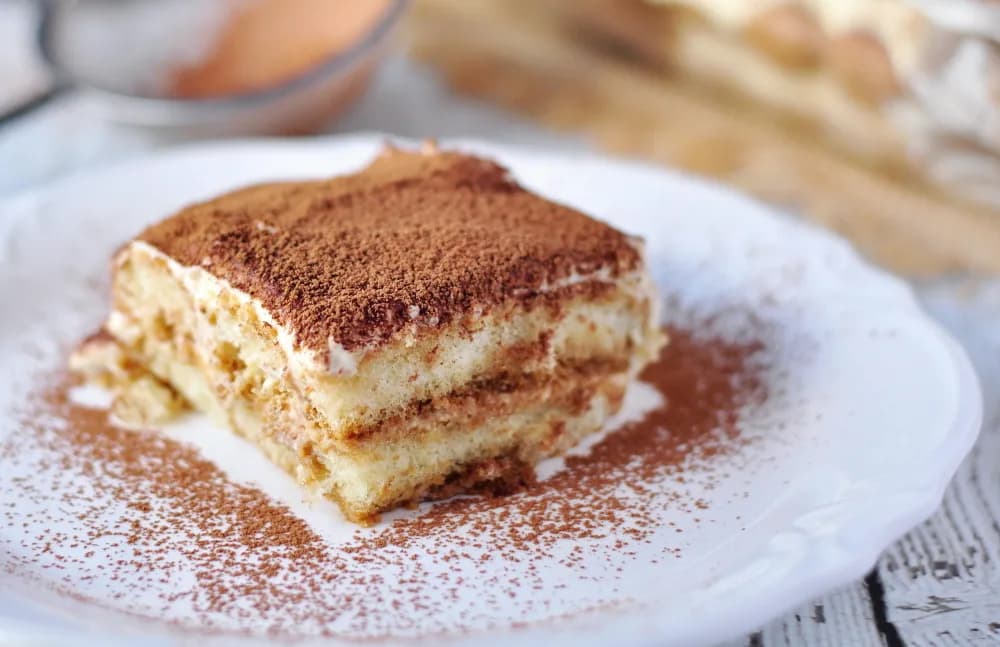
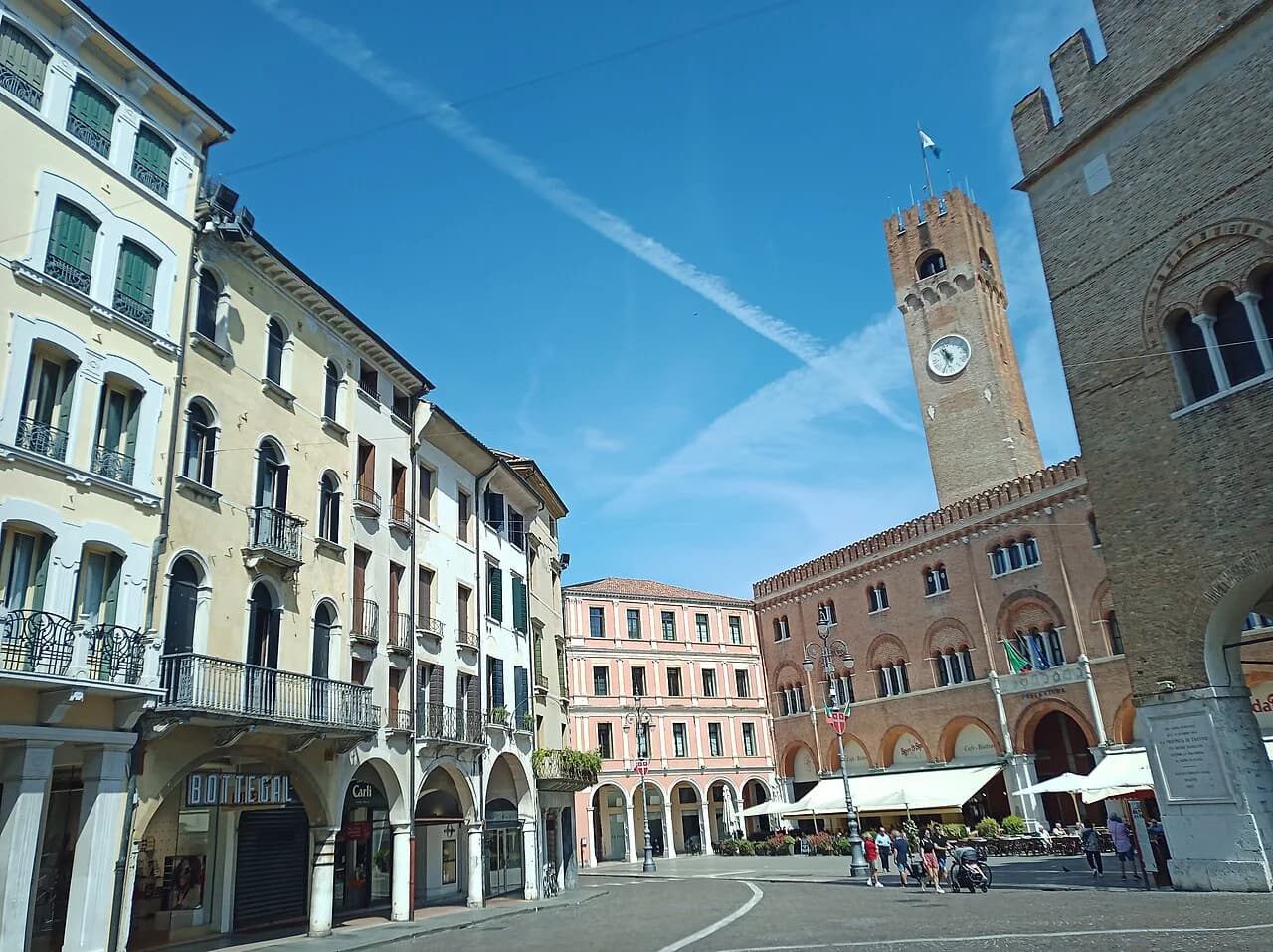
In Treviso, the vegetable turns up across the menu rather than in one signature dish, so it is worth ordering a radicchio risotto or a plate of grilled Tardivo alongside whatever else you have chosen. If you are mapping a day of eating around the city, the best restaurants in Treviso list covers where to sit down for a proper lunch near Piazza dei Signori, and you can finish with tiramisù in Treviso, the city's other well-known table habit, dusted with cacao amaro.
Buying and keeping it
The product reaches the market packed in food-grade containers of no more than 10 kg, and single heads may be sold in food-safe bags, so a market stall or greengrocer will often hand you one head at a time. Look for the IGP name together with the type, Precoce or Tardivo, since that is how the label distinguishes what you are buying.
At home, store it in the fridge and keep the leaves dry, which slows the decay that turns the ribs slimy. Wash it only when you are about to use it, then dry it thoroughly if it is going into a raw salad. Tardivo keeps its structure well enough to be cooked a day or two after purchase.
Nutrition tables for the Tardivo type, compiled per 100 g, put water at about 92.5 g, energy at 16 kcal, protein at 1.5 g and total fibre at 2.1 g, so it behaves like most leafy vegetables: mostly water, low in energy, with a useful fibre contribution. Treat those figures as composition data rather than a health claim.
A short history
The account given alongside the IGP entry traces chicory to the Treviso area in the 16th century, where it moved from food of the poor to a prized vegetable thanks to the production techniques still used today. That origin story is a claim attached to the product's history rather than a documented fact, and it is worth repeating with that caveat in mind.
The first radicchio show was organised on the initiative of the agronomist Giuseppe Benzi in December 1900, which is the moment the vegetable's reputation was formally put on display. It is a neat detail to hold on to when you see the modern label: the product has been sold as something special for well over a century.
Where it sits in a Treviso food day
Radicchio is a winter vegetable, so it fits naturally into a Treviso day built around sit-down meals rather than snacks: a plate of grilled Tardivo or a radicchio risotto at lunch, then something sweet later. If you want a slice of pizza instead, the best pizza in Treviso round-up covers the city's pizzerias, and pastry shops in Treviso handle the morning side of things.
Which type to order
If you are eating out in autumn, order the Tardivo when it appears grilled, seared or folded through risotto, and take the Precoce raw in a salad or antipasto earlier in the season. If you are buying to cook at home, one head of each lets you compare them side by side in the same week.
Use the IGP name and the type on the label as your guide at the market, and ask the person selling it which one they would grill; the answer will usually point you to Tardivo once the weather turns cold.
Frequently Asked Questions
What is the difference between Radicchio di Treviso Precoce and Tardivo?
Precoce has a voluminous, well-closed head with a pronounced white rib, a lightly bitter taste and medium crunch. Tardivo has long, tight wrapping leaves in wine red, a more assertively bitter taste and a crunchier bite, because it is forced in darkness in running spring water after harvest.
Is radicchio di Treviso always bitter?
Bitterness is part of the vegetable's character in both types, but the intensity differs. Precoce is described as lightly bitter, while Tardivo is more pleasantly bitter and holds that flavour when grilled or pan-fried. Pairing it with something salty, fatty or sweet balances the edge.
What can I use instead of radicchio di Treviso?
Other red chicories will behave similarly: a firm, closed head for raw salads, a looser one with long leaves for grilling. Expect a different level of bitterness and a different colour, so taste before you dress it heavily, and adjust the salt and oil accordingly.
Sources
Notes for your next meal in Italy
Optional updates to our food guides.
You might also like

Continue reading
More guides you'll find useful