Tiramisù in Treviso: Where to Eat It and the City's Claim
Treviso claims the tiramisù as its own. Here is where to eat it in the city, what a classic version is made from and how the local claim is told.
On this page
Treviso is the city most closely tied to the tiramisù, and the easiest place to eat one is Treviso Tiramisù on Via Barberia, where a pasticceria, caffetteria and bottega sit under the same roof as a first-floor restaurant. This guide covers what a classic tiramisù is made from, how the Treviso origin claim is told, and which door to use for a coffee, a cake or a full Venetian lunch.
What a classic tiramisù is made from
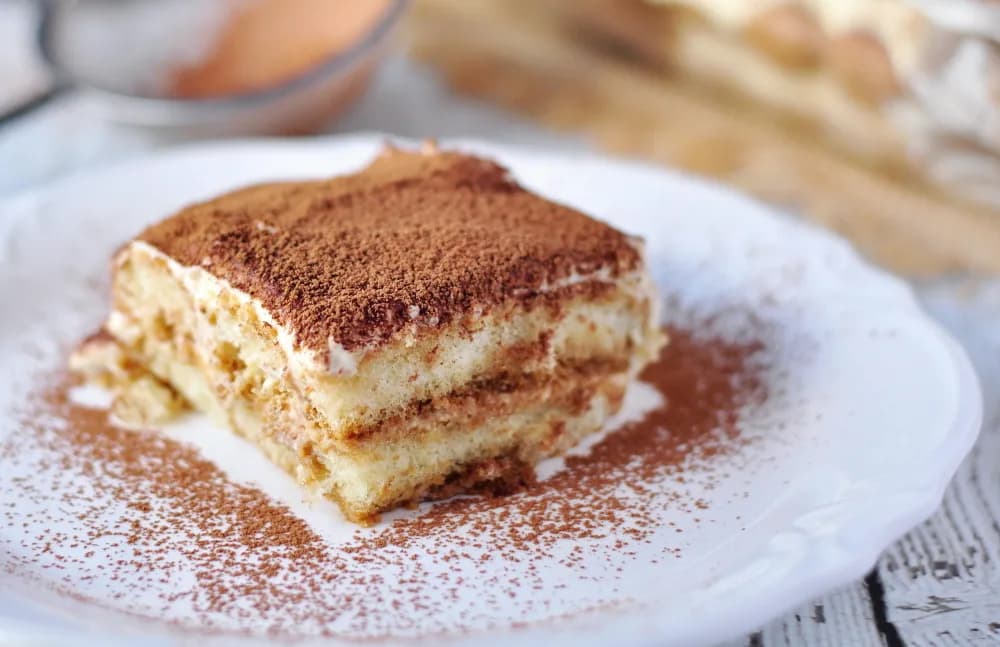
A classic tiramisù is a spoon dessert built in layers: savoiardi (light sponge biscuits) briefly dipped in caffè, then covered with a cream of mascarpone and egg yolks beaten with sugar, repeated and finished with a dusting of cacao amaro, unsweetened cocoa powder. A home recipe gives the proportions in plain terms, with roughly 300 g of mascarpone, three yolks and six tablespoons of sugar to 500 g of savoiardi, and a cup of espresso for soaking. The assembly is quick and the fridge does the rest, with at least two hours of chilling before the cocoa goes on top.
The caffè matters more than the cocoa. The savoiardi should be dipped and lifted out, not left to soak, or the layers collapse into a soggy cake, and the espresso should be cooled to room temperature first so it does not melt the mascarpone cream. Served cold and slightly firm, a good tiramisù tastes of coffee first and sweet cream second, which is why the drink and the dessert belong to the same sitting.
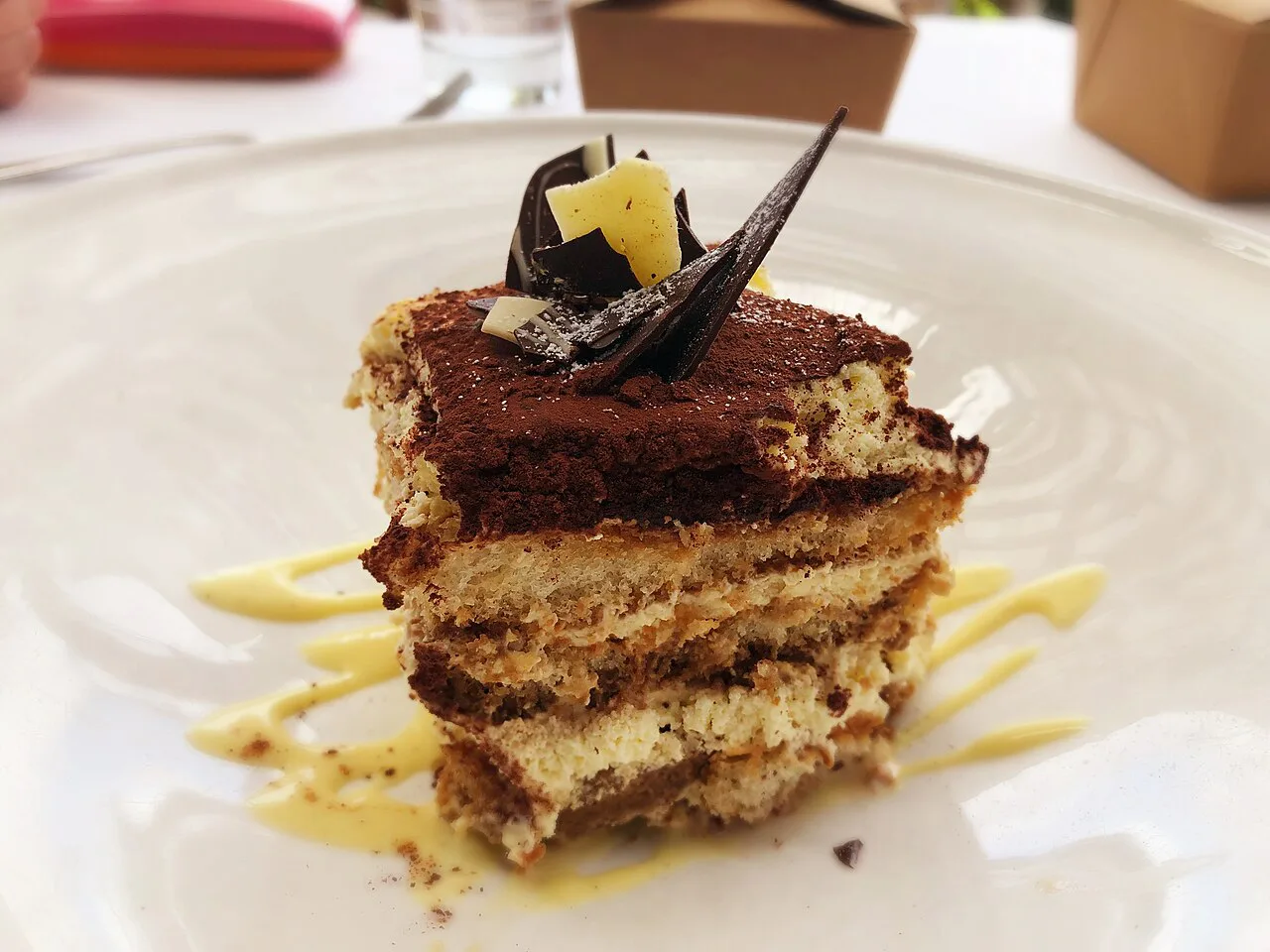
The Treviso origin claim: born in Veneto in the 1960s
Treviso's claim to the tiramisù is that the dessert was born in Veneto in the 1960s, in the city itself, and the story is told with a certain civic pride by the people who repeat it. A local food blog states plainly that the recipe is Treviso's own and dates it to that decade. Treat it as a claim rather than settled history: the same telling admits the story is wrapped in a little mystery, which is the honest way to hold it.
You will hear restaurants and pasticcerie named as the birthplace, and the argument resurfaces whenever the dessert is discussed. The useful thing for a visitor is not to settle the dispute but to notice how seriously the city takes it: an association exists in Treviso's name to run events around the dessert, and the claim is part of how the city presents its food.
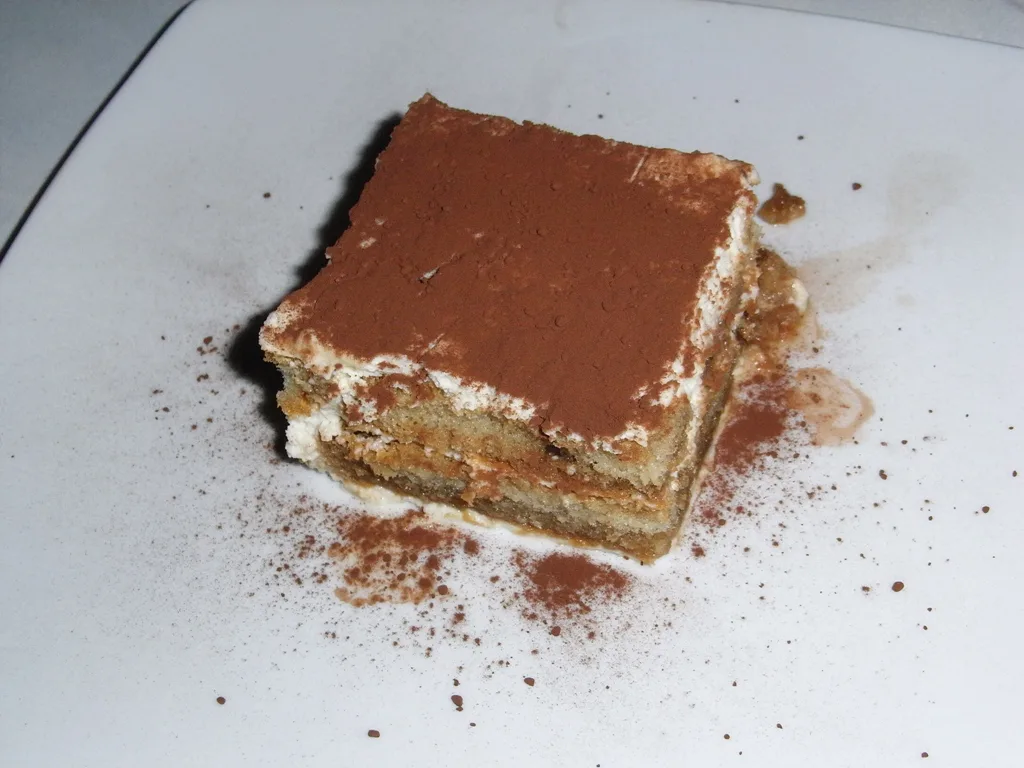
Where to eat tiramisù in Treviso: Treviso Tiramisù on Via Barberia
Treviso Tiramisù occupies a palazzina at Via Barberia 32 and runs four things at one address: a pasticceria (pastry shop), a caffetteria (café), a bottega (shop) and, upstairs, the restaurant Barberia. The ground floor is where you go for a slice with a coffee or to buy something to take away; the shop sells the products the kitchen cooks with. The venue publishes its contact number as +39 377 3468472 and takes restaurant bookings online or by phone.
That split is worth knowing before you turn up hungry. A mid-morning stop is a café-and-cake visit at ground level, while a proper lunch or dinner means going up to the first floor and ordering from the restaurant menu. If you are working through the city's food on a wider sweep, this address also belongs on a shortlist drawn from the best restaurants in Treviso, and it sits a short walk from the centre.
Barberia, the first-floor restaurant
Barberia describes its kitchen as traditional Venetian cooking reworked in a modern key, with seasonal ingredients and products from its partner producers, and it keeps a collection of more than 500 sweet and savoury seasonal recipes behind the menu. The published menu runs the full Italian sequence: antipasti, primi, secondi and contorni (starters, first courses, main courses and sides). Among the starters are sarde in saor moderne, a modern take on the Venetian sweet-and-sour sardines served here with a cream of pine nuts and raisins, and mozzarelle in carrozza, fried mozzarella sandwiches. First courses include a risotto named for the house, made for a minimum of two people, and a spaghettone with smoked butter and anchovies from Cetara.
Published main courses hover in the mid-twenties in euros — a cut of Barberia meat with potatoes and a Mediterranean amberjack steak with seasonal vegetables both sit there — while starters and first courses run lower, so a two-course lunch is the sensible way to keep the bill down. A tasting menu is also offered for anyone who wants to hand the decisions to the kitchen. If you want a pizza instead, the best pizza in Treviso is a separate search, since Barberia's menu is built around Venetian plates rather than dough.
How a sit-down lunch at Barberia works
Booking is the practical step: the restaurant takes tables online or on the phone number it publishes, so reserve ahead if you want a first-floor table at lunch. When you sit down, order in courses rather than all at once, and ask the staff which contorni are on that day, because the sides are not printed. The dessert is the reason you came, so leave room or order one to share at the end.
Venetian cooking leans on preserved fish, butter and rice as much as on tomatoes, so a plate of sarde in saor followed by a risotto is a fair reading of the local repertoire. The menu marks allergens with numbers, which makes it straightforward to check a dish against an intolerance before ordering. The ground-floor café stays useful for a quick coffee, and the restaurant's published hours run from 08.00 to 15.00 on Mondays and later from Tuesday to Sunday.
Variations you meet in Treviso: scomposto and the liquid coffee heart
Not every tiramisù in the city arrives as a neat slice. The tiramisù scomposto — a deconstructed tiramisù — takes the same mascarpone cream, savoiardi, coffee and unsweetened cocoa and serves them in pieces rather than layers, which is a faster thing to put together than the classic set cake. Local recipes also include a version with a liquid coffee heart, made as a mascarpone mousse set with gelatine around a coffee centre.
There is also a version built with Grand Marnier alongside the coffee, listed among the recipes collected around the city's dessert day, which shows how far the format stretches from the plain classic. Ordering one of these tells you more about the kitchen than the standard slice does, because a liquid centre or a deconstructed plate is harder to get right. If you only have room for one dessert, the classic remains the benchmark.
The Tiramisù Day in Treviso
Treviso Tiramisù Day is organised by an association in the city's name and gathers the dessert into a single programme rather than a restaurant menu. The published line-up includes a home-made tiramisù competition, a workshop for children, a gluten- and lactose-free competition and a charity walk for Telethon, and the 2025 edition is dated 5 October on the organiser's page. Past years have added tastings served by hotel-school students in the piazze (squares), a cultural debate on the dessert's history and a show cooking with pastry chefs, so the day mixes competition, tasting and storytelling.
The competition format means the tiramisù you taste there is amateur cooking, not a restaurant's, and the gluten- and lactose-free category exists because the classic build is heavy on both. The date and line-up change by edition, so confirm the current programme on the organiser's page before planning a trip around it. For the rest of the year, the day is a reminder that the dessert is a civic subject in Treviso rather than just a menu item.
Why the eggs question matters
A classic tiramisù uses raw egg yolks whipped with sugar, and the cream is never cooked, which is the point of the texture. Recipes offer a workaround: a sugar syrup taken to 121°C and streamed into the yolks while whisking pasteurises them without setting the cream. That is a food-safety decision rather than a flavour one, and it matters most if you are serving children, elderly guests or anyone with a weakened immune system.
In a pasticceria or restaurant you are eating someone else's decision, so ask whether the cream is made with pasteurised eggs if that matters to you. The classic recipe keeps for about three days covered in the fridge and improves over the first day as the coffee soaks into the biscuits. Made at home, the dessert is cheap and quick; eaten out, you are paying for someone else's mascarpone and their coffee.
Making it at home: the classic method in brief
The home method is short: beat the yolks with sugar until pale, fold in the mascarpone, dip the savoiardi in cooled espresso, layer the two, chill for at least two hours and dust with cacao amaro just before serving. The proportions above make a tray for around eight people. The Treviso detail is in the restraint — few ingredients, unsweetened cocoa, no added cream — rather than in a secret step.
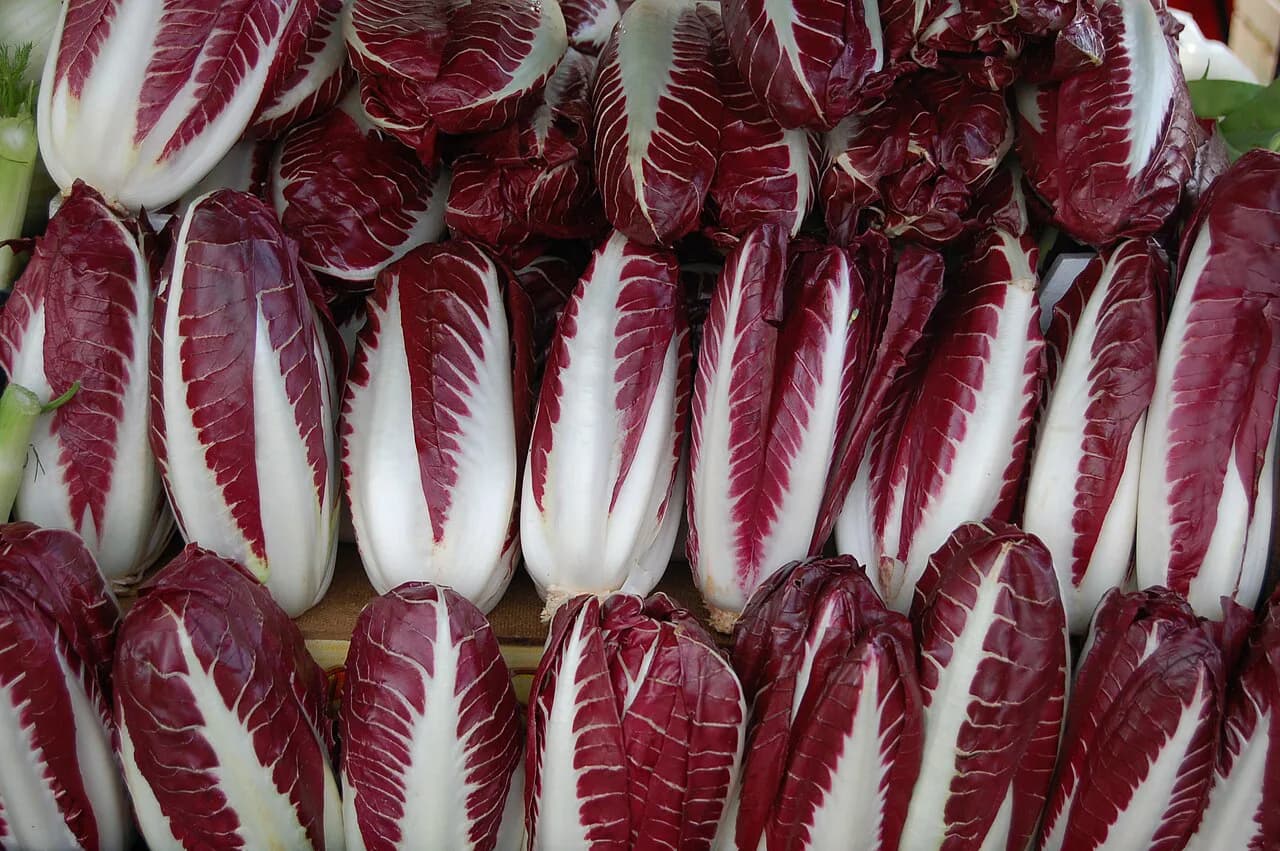
Serving it in a deep dish rather than individual glasses keeps the layers moister, and a generous dusting of cocoa at the end is what separates a sharp tiramisù from a sweet pudding. If you are buying pastries for the same table, the range at the city's pastry shops in Treviso is worth a look alongside the dessert. Some local cooking also makes room for radicchio di Treviso, the bitter red chicory, though it belongs on the savoury plates rather than near the mascarpone.
What to look for in a good tiramisù when you order
Judge the slice on three things: a clear coffee flavour without pools of liquid at the bottom, a mascarpone cream that holds its shape, and cocoa that is bitter rather than sugary. If the savoiardi are dissolving, the biscuits were soaked too long; if the cream tastes of nothing but sugar, the mascarpone is being stretched. A good version is served cold and cuts cleanly with a spoon.
In Treviso that standard is easy to hold a kitchen to, because the dessert is the local signature and everyone cooking it knows the reference point. Order the classic first, then try a variation on another visit so you have something to compare it against. In a city that argues about where the tiramisù was invented, the plate in front of you is the only evidence that counts.
Should you build a Treviso day around the tiramisù?
Yes, but build it around one address: coffee and a slice at Treviso Tiramisù on Via Barberia, or a booked lunch upstairs at Barberia if you want the Venetian plates that come before dessert. Order the classic once, then try the scomposto or the liquid-centre version to see what the kitchen does with the format. The origin story is a claim the city tells with pride, and eating the dessert in Treviso is the most enjoyable way to hear it.
Frequently Asked Questions
Where is tiramisù said to have been invented?
Treviso's claim is that the dessert was created in Veneto in the 1960s, in the city itself, and local sources repeat the story with pride while admitting that the history is not fully settled. Several places are named in the argument, so treat any single birthplace as a claim rather than a confirmed fact.
Can you buy tiramisù products to take away in Treviso?
Treviso Tiramisù runs a pasticceria and bottega on the ground floor at Via Barberia 32, separate from the first-floor restaurant, and the shop sells the partner producers' products used in the kitchen. Ask at the counter what is available to buy on the day.
Is there a gluten- or lactose-free tiramisù in Treviso?
The Tiramisù Day programme includes a gluten- and lactose-free competition, which shows the demand exists locally, but that is an event category rather than a year-round menu promise. Ask at the counter or when booking about what is available on the day.
Sources
Notes for your next meal in Italy
Optional updates to our food guides.
You might also like

Continue reading
More guides you'll find useful