Granita in Trapani: Flavours, Brioche and Where to Eat It
Granita in Trapani means almond, jasmine or mulberry, coarse enough to chew, eaten with brioche at breakfast. Here is what to order and where to go.
On this page
Granita in Trapani is breakfast, not dessert: a coarse, spoonable Sicilian ice that locals eat with a brioche before anything else. Order almond if you want the house signature, jasmine or mulberry if you want the flavours that belong to this western corner of the island. This guide covers what granita actually is, which flavours to ask for, what to eat alongside it and which pasticceria to head for.
The pasticceria most closely tied to granita in the city is Pasticceria Colicchia on Via delle Arti, a family business that has been making Trapani specialities for well over a century. Its almond and coffee versions are the ones to measure the rest against. Set your expectations honestly, though: this is deliberately rough-textured ice with real pieces of nut in it, closer to something you chew than something you sip.
What granita is in Trapani
Granita is a Sicilian frozen sweet made from water, sugar and fruit juice or another flavouring, stirred as it freezes so it never sets solid. It looks like sorbet and is often confused with it, but the texture is different: coarser, more granular, served in a glass with a spoon. In Sicily the traditional reading of its history runs back to the Arab period, when a frozen drink called sherbet arrived on the island.
Another strand of that story involves the nivaroli, snow collectors who carried blocks of snow down from the mountains and scraped them into a soft ice flavoured with syrups and juices. Colicchia's own account places the snow on the Nebrodi and Peloritani ranges, the mountains of the north-east rather than the Trapani hinterland. Treat all of this as tradition rather than documented fact, and enjoy it as context while you eat. The practical point is the texture: Trapani granita is meant to have body, not to be a smooth slush.
Catania is widely held to be the true home of granita, and the eastern version is denser and slightly sharper in flavour than what you find in the west. Knowing that helps you read a menu: if you have eaten granita in Catania and expect the same thing here, the almond version in Trapani will surprise you.
The Trapani flavours to order
Almond, lemon, coffee and pistachio are made across Sicily, but Trapani has two flavours that are distinctly local: jasmine and mulberry. Both are worth ordering precisely because you will not find them on a granita menu in most other Italian cities. The pistachio version, meanwhile, belongs properly to the east of the island and to Bronte, so treat it here as a good general option rather than a local speciality.
Coffee granita is the one to order if you want to understand how seriously the best pasticcerie take this. At Colicchia the coffee is brewed in a moka pot and the granita is built over several days of slow work, which is why it tastes of actual coffee rather than of sugar and colouring. If you only have room for one glass, this is a strong candidate.
Gelsomino, or jasmine, is the flavour to try if you want something floral and unfamiliar, and gelsi, mulberries, give you a dark, sweet, faintly tart version that is hard to find elsewhere. Ask what is being made that morning; the full list is not always available.
Almond granita in Trapani: very grainy, made to be chewed
The almond granita at Colicchia is deliberately coarse: it is full of visible pieces of almond and has a texture that invites chewing rather than sipping. Nothing in the process is shortcut, including the almond paste, which is worked by hand from first step to last. The result is intense and savoury-sweet rather than sugary, and it converts people who thought they did not like almond desserts.
This is the version to order first if you have never had granita in western Sicily, because it shows you what the local standard is. If you find it too rough, the coffee or lemon will feel smoother, but you will have missed the point of the house style.
What to eat with it
The default accompaniment is brioche, and in Sicily it is usually the col tuppo style, a soft bun topped with a ball of the same dough. In western Sicily, Trapani included, the brioche often comes without the tuppo, though the dough itself is much the same. Order one per person and use it to dip; that is how the glass is meant to be eaten.
Colicchia also serves biscotti all'anice, aniseed biscuits, and dolcetti ericini, the little pastries associated with Erice above the city, both of which work well with granita. The house also pairs coffee granita with a tortina paradiso and ericini biscuits as a set. If you want something less sweet alongside, the aniseed biscuit is the better choice.
You will occasionally see granita served with cream, panna, particularly over coffee. It makes the whole thing closer to a dessert than a breakfast, so decide which you are having before you order.
Almond granita with brioche at breakfast
In Sicily granita is morning food, eaten before anything else, which can surprise visitors who treat it as an afternoon treat. The usual order is one granita and one brioche, taken standing or at a table in a pasticceria rather than at a bar counter with an espresso. If you are used to a cooked breakfast, this is a much lighter and colder start to the day.
Practically, go early, order at the counter and take your tray to a table, then pay at the till before or after eating depending on the house. If you are heading out towards the Egadi islands afterwards, a granita breakfast keeps things quick and light.
Where to eat granita in Trapani: Pasticceria Colicchia
Pasticceria Colicchia sits on Via delle Arti in the historic centre, a short walk from the main eating streets and an easy stop before a day of sightseeing. Its own account dates the pasticceria's preparation of Trapani specialities to 1885. Save the address to your phone rather than relying on luck, since the surrounding lanes fill up with visitors.
Mare and More Excursions also lists it among the most characteristic addresses still turning out pastry in the old centre. Between Colicchia's own 1885 dating and the Mare and More note that the family opened its first shop at the end of the Second World War, treat 1885 as the business's own claim about its history: an older pastry tradition whose shopfront came later. Either way, the current address on Via delle Arti is the one to visit.
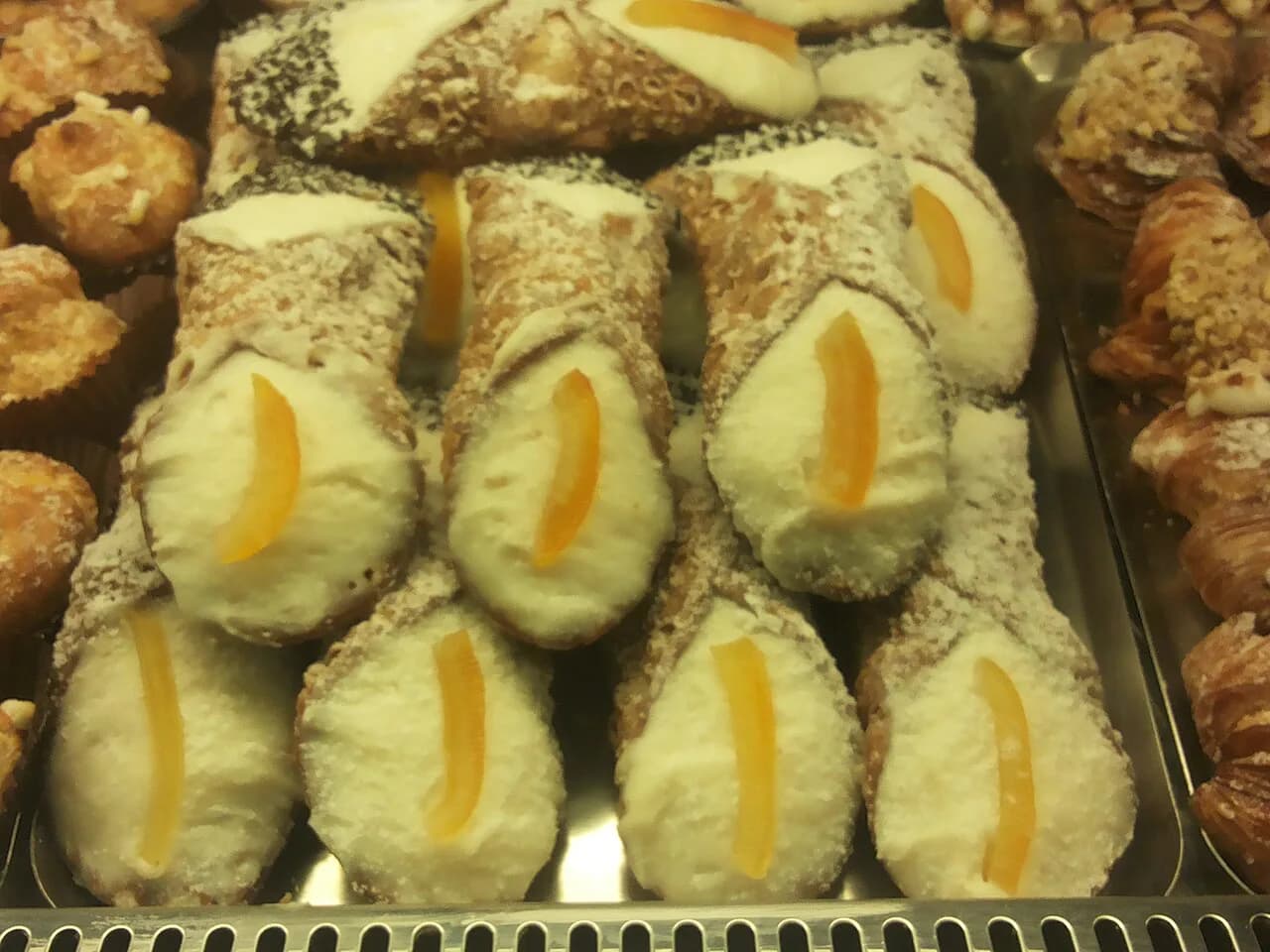
The shop is a pasticceria first and a granita bar second, so expect cannoli, cassate and other Sicilian pastries alongside the glasses of ice. If you are eating your way through the city's savoury side later in the day, the best pasta and seafood options are a short walk away, and the best restaurants in Trapani are within easy reach for lunch.
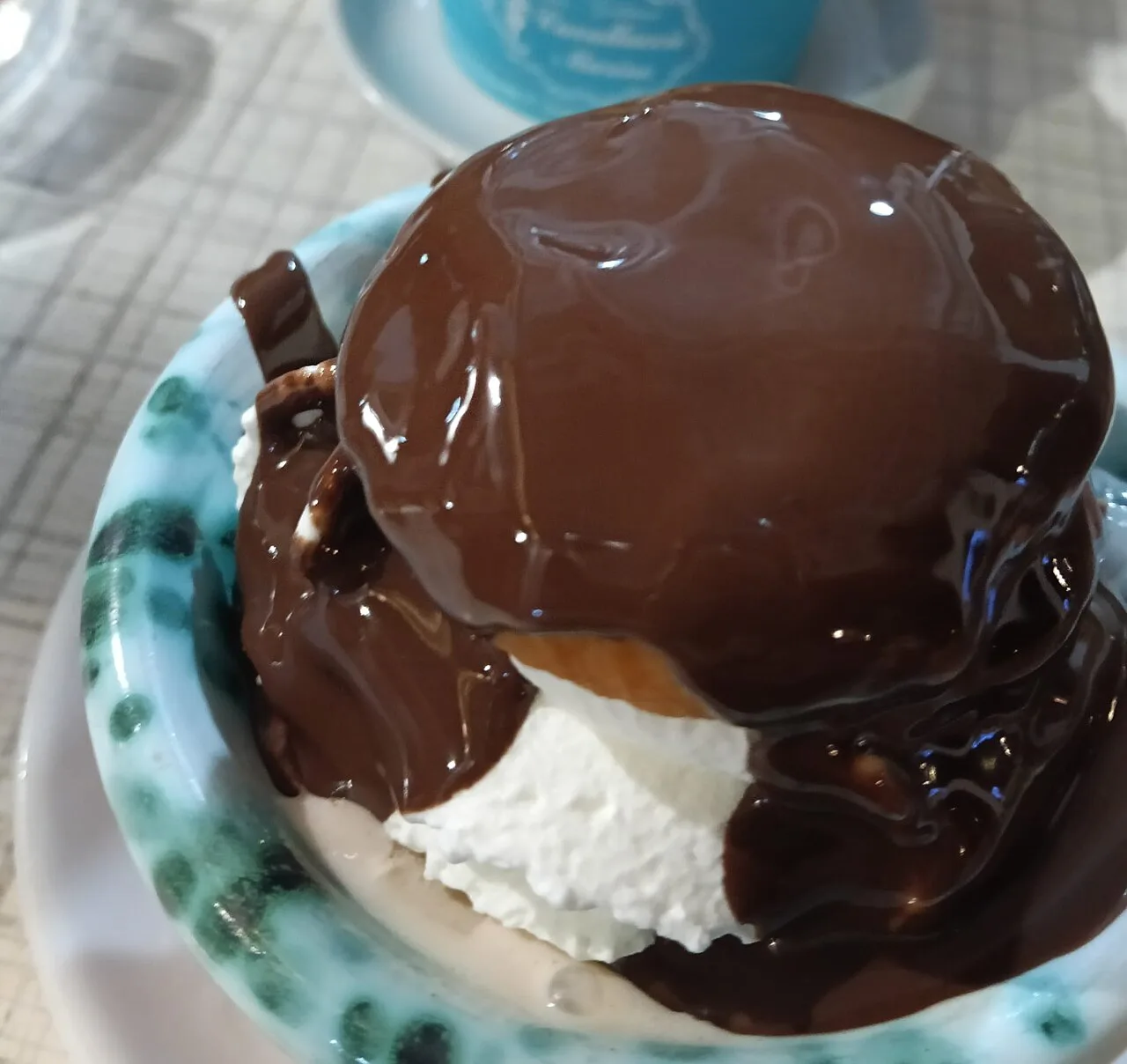
Colicchia's coffee granita with panna, tortina paradiso and ericini biscuits
The coffee granita set at Colicchia is worth ordering if you want the full experience in one go: coffee granita, cream, a small tortina paradiso and the small ericini biscuits. The coffee is made in a moka pot and then worked slowly into granita over several days, which is unusual even in a city that takes granita seriously. The result is bitter and clean rather than sugary, so it suits anyone who finds most frozen desserts too sweet.
If you want to try more than one flavour in a single visit, ask for a multigusto selection and share it at the table. For something less sweet, the almond or lemon is the natural pairing.
When granita is made in Trapani
Granita at Colicchia is a spring and summer production, and the pasticceria suspends it in winter. That is the single most useful thing to know if you are planning a trip around a granita breakfast: in the cooler months, the shop's pastry counter will still be open but the granita will not be on it.
The season also shapes what is worth ordering. Summer is when the fruit versions, mulberry in particular, are at their best, and the jasmine version belongs to the warmer months too. Outside those months, plan your morning around a coffee and an ericino biscuit instead and come back in spring.
Granita breakfast or pastry stop?
If you are visiting between spring and autumn, build a granita breakfast into your first morning in Trapani: one almond granita, one coffee granita with panna and a brioche at Colicchia on Via delle Arti. Outside that window, the shop is still a good pastry stop, but the granita is not the reason to go. Either way, eat it standing or at a table rather than rushing it, and dip the brioche.
For the rest of the day, plan a savoury lunch away from the main tourist streets and look at the trattorias around the old centre for busiate and Trapani's other pasta dishes. That way granita stays what it is meant to be here: breakfast, done properly, once.
Explore more Trapani food guides
Frequently Asked Questions
Do Italians eat granita for breakfast?
In Sicily they do, and it is the standard way to eat granita in warm months: a glass of granita with a brioche, taken at a pasticceria before the rest of the day starts. It is lighter and colder than a cooked breakfast, so treat it as a morning stop rather than something to eat on the way to lunch.
Is granita the same as sorbet?
No. Both start from water, sugar and fruit, but granita is stirred while it freezes so that it keeps a coarse, granular texture, while sorbet is churned to something smoother. In Trapani the almond version is deliberately grainy enough to chew.
Which flavours should I order in Trapani?
Start with almond and coffee, which show the house style, then try the two local flavours: jasmine and mulberry. Pistachio is better known in eastern Sicily, so treat it here as a general option rather than a local speciality.
Can I buy granita in Trapani in winter?
At Colicchia, granita is made in spring and summer and production is suspended in winter, so a winter visit means pastries and coffee rather than a granita breakfast. Plan a morning visit for the warmer months if granita is the reason for going.
Sources
Notes for your next meal in Italy
Optional updates to our food guides.
You might also like
Continue reading
More guides you'll find useful