Anolini: Parma's Stuffed Pasta, Explained
Anolini are Parma's small round stuffed pasta, often served in meat broth. Here is what fills them, how they are served and how to order them in Parma.
On this page
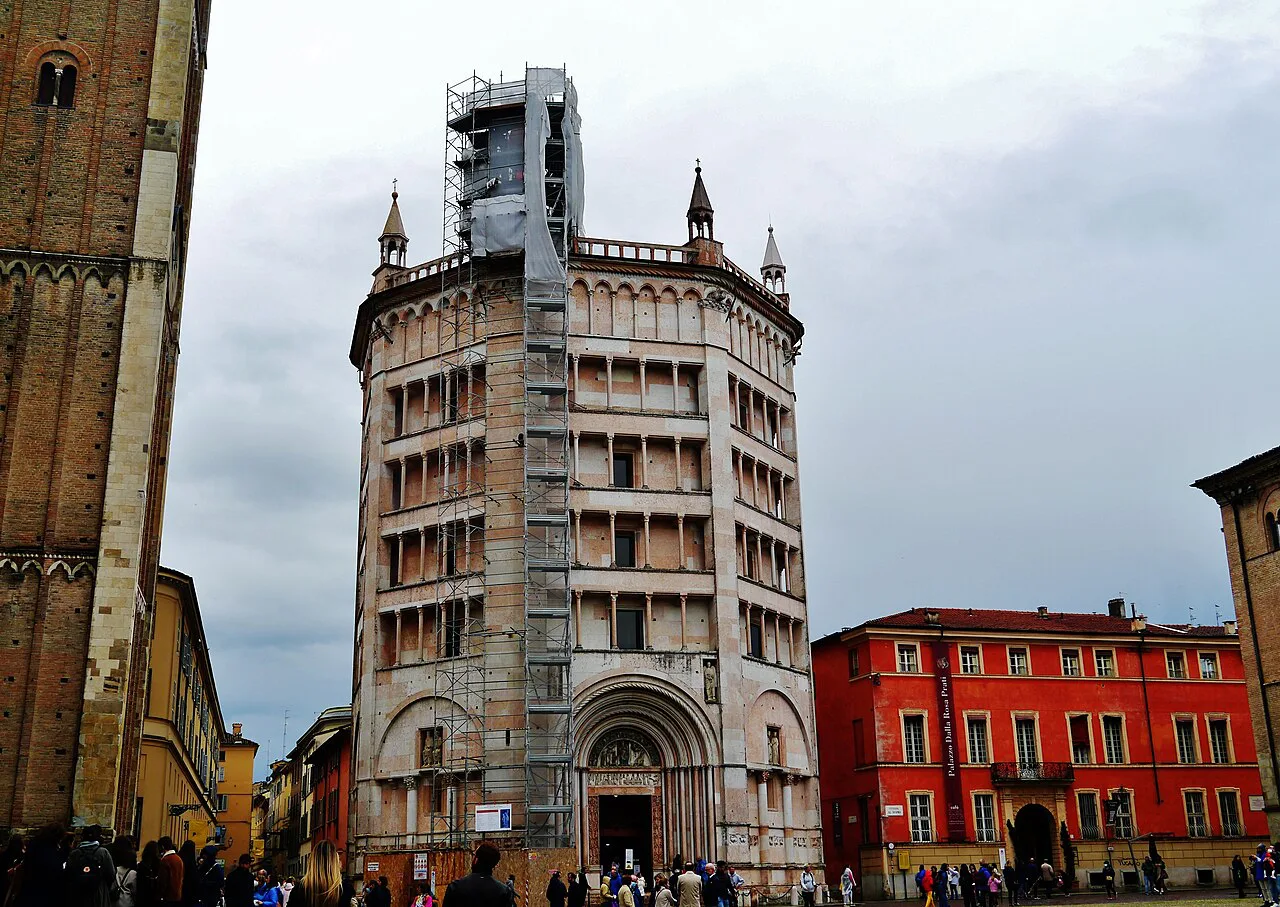
Anolini are Parma's own stuffed pasta: small round parcels of egg pasta filled with Parmigiano Reggiano or with stracotto, beef slow-cooked in a pot, and most often served in a clear meat broth called brodo. If you order one pasta dish in Parma, this is the one that tells you where you are. This guide covers the two fillings, how anolini reach the table and what to look for on a Parma menu. For where to eat them, see The Best Restaurants in Parma and What to Order, or our guide to the best pasta in Parma.
They are a Sunday and celebration dish rather than an everyday plate, and Parmigiano Reggiano is the ingredient that anchors them. The pasta itself is rolled thin by hand and pinched into small filled rounds, which is why a proper plate of anolini takes time and why the dish carries a certain weight in local cooking.
What anolini are
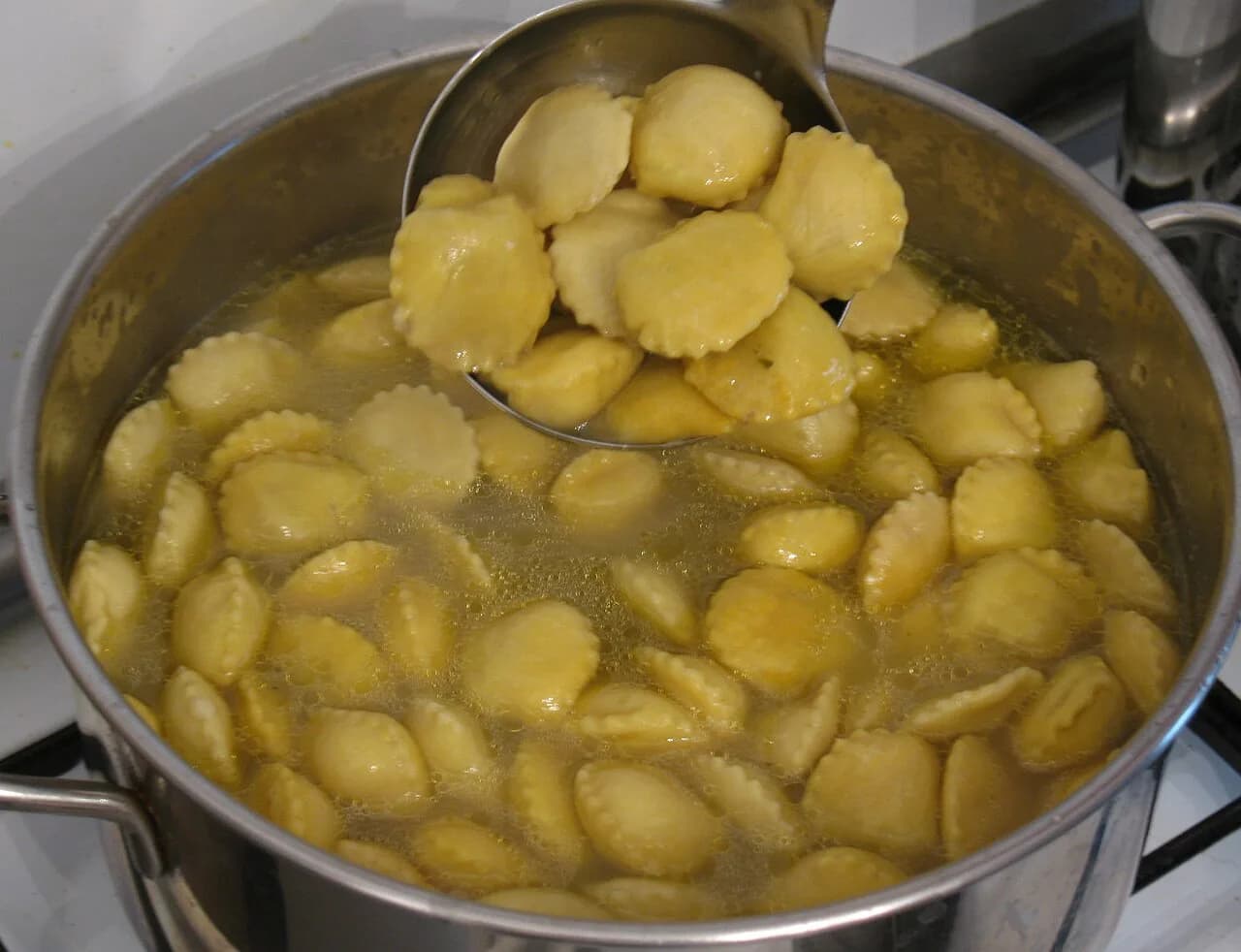
Anolini are a fresh egg pasta from the Parma tradition, rolled out thin and cut into small discs that are filled and closed into rounded buttons. The producer La Fojeda describes them as a speciality of the Parma tradition made with hand-rolled fresh egg pasta and artisanal fillings. They are smaller and daintier than the tortelli you meet elsewhere in Emilia, and a portion is a bowlful rather than a plate of a few pieces.
In shops they are sold as pasta fresca, fresh pasta, by weight or in fixed packs, and they are meant to be cooked within days rather than kept in the cupboard. That short life is part of what makes them a restaurant and market dish rather than a souvenir.
The two fillings: Parmigiano Reggiano or stracotto
One classic filling is cheese: Parmigiano Reggiano DOP, the protected-origin hard cheese of the region, worked into a rich paste. La Fojeda's version is filled with Parmigiano Reggiano and sold as anolini al Parmigiano Reggiano DOP. This is the sweeter, more delicate of the two and the one that shows best in broth.
The second filling is stracotto, beef braised slowly until it falls apart, often combined with Parmigiano. La Casa del Formaggio in Parma makes anolini with stracotto using selected beef and pork cuts cooked with their butcher and bound with mountain Parmigiano Reggiano aged 36 months, and describes it as a classic Parma recipe with stracotto. The result is darker, meatier and more savoury than the cheese-only version.
Knowing which filling you are ordering matters, because the two are different dishes under the same name. If a menu says simply anolini in brodo, ask whether the filling is cheese or stracotto; the broth suits both, but the experience shifts from delicate to robust.
How anolini are served: in brodo, tomato or cream
Anolini in brodo is the benchmark: the parcels are cooked and served in a clear meat broth, and the broth is as much the dish as the pasta. La Fojeda lists broth first among the ways to serve them, followed by other condiments. Order this version if you want the traditional Parma plate.
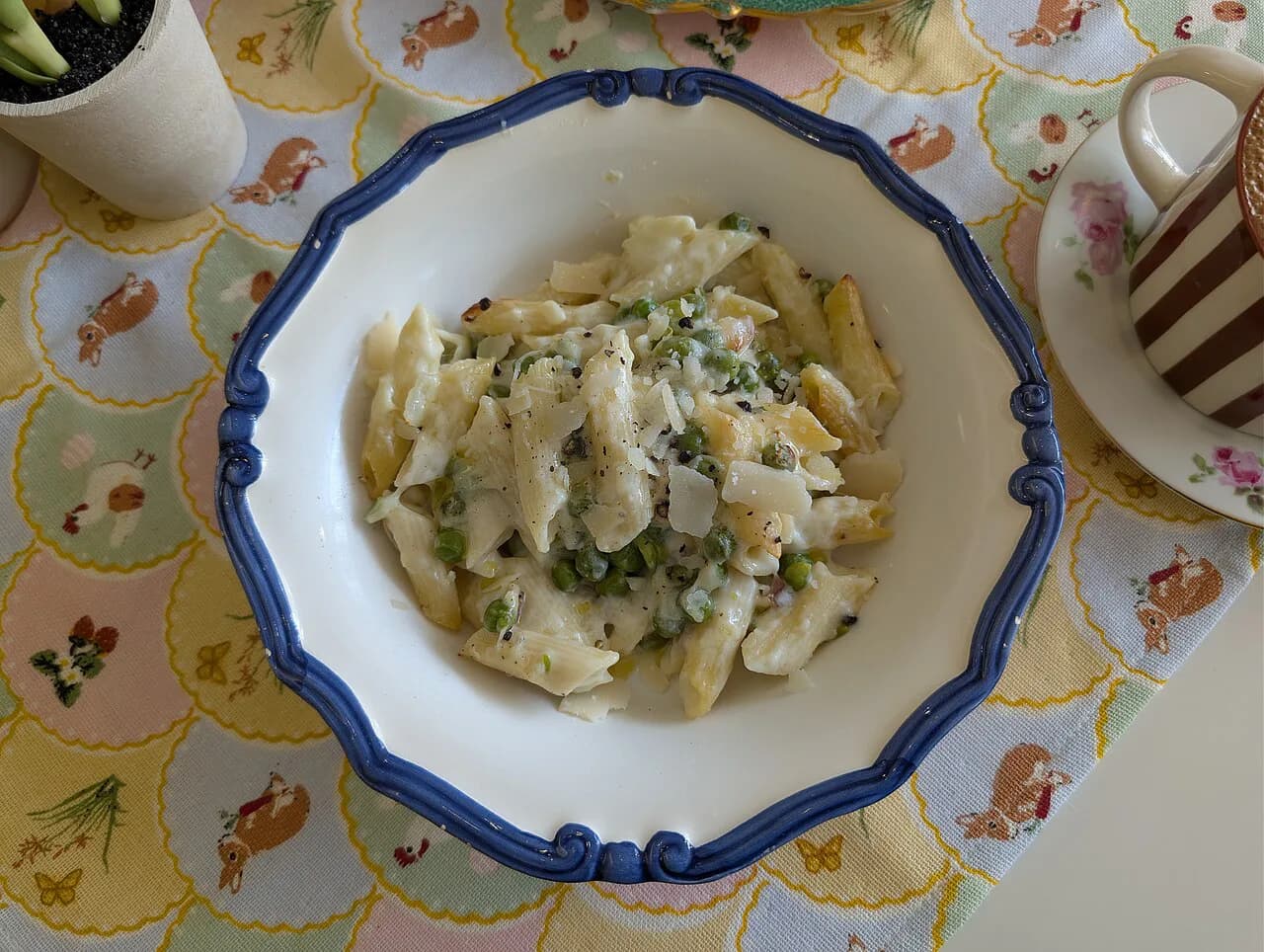
The same producer also describes serving anolini with tomato sauce or with cream, which turns them into a saucier, more substantial plate. These versions are worth knowing about because they appear on menus alongside the broth version and suit a filling like stracotto particularly well.
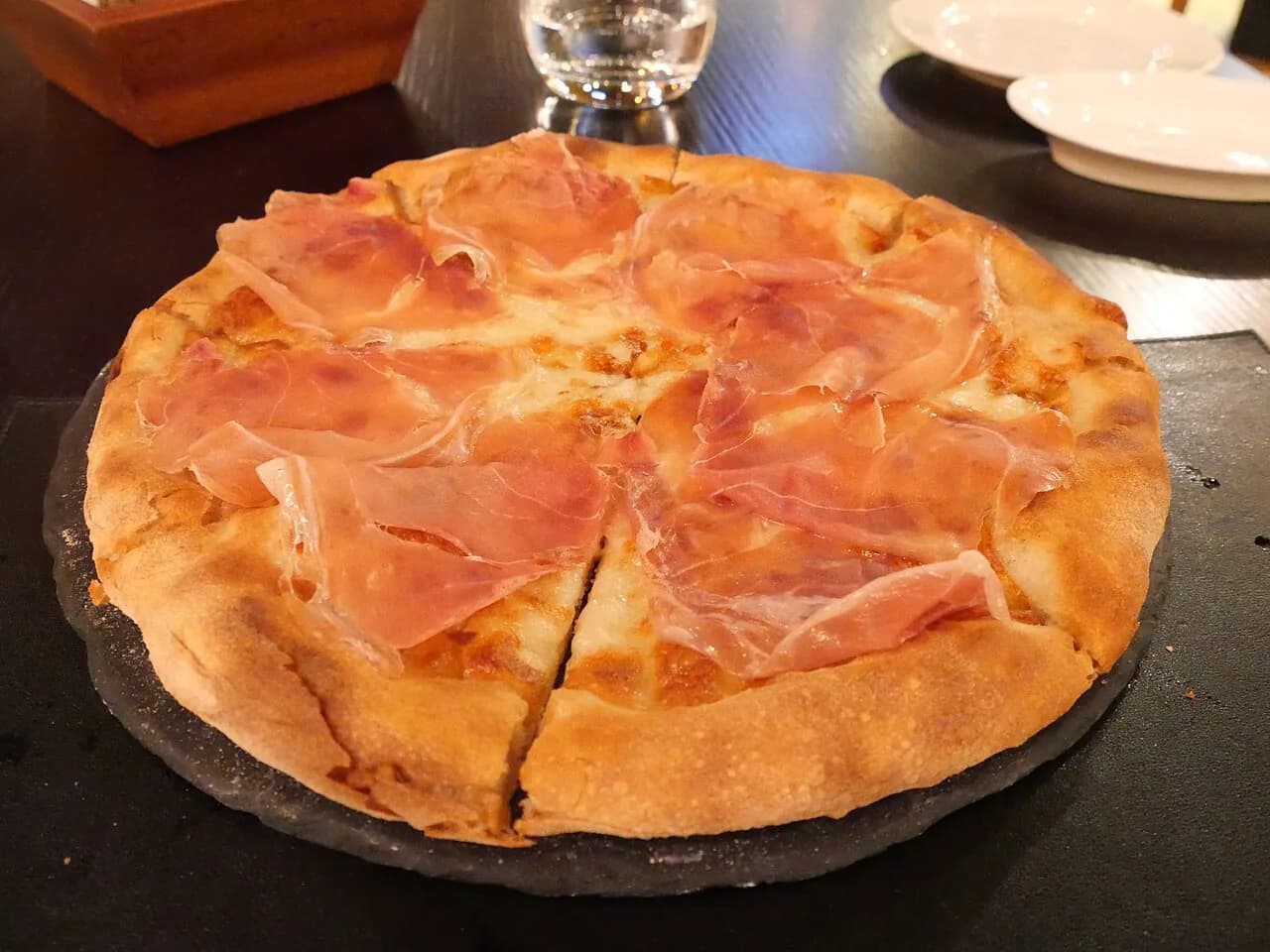
Parma itself is a city of cured pork as much as cheese, and anolini often sit on the same menu as Prosciutto di Parma, the salt-cured ham whose production zone is centred on the hills around the Enza river. Ordering a plate of anolini in brodo followed by a little prosciutto is a sensible way to eat in the city.
A Sunday and Ferragosto dish
Anolini belong to the table of feast days: La Fojeda calls them a historic and festive dish and a symbol of true Emilian cooking, eaten on Sundays and celebrations. In Parma they are also eaten hot at Ferragosto, the August holiday, which tells you how firmly the dish is lodged in local habit.
The same source notes that every rezdora, the Parma word for a local home cook, has her own recipe for the filling, and that the best version is always your mother's or grandmother's. Treat any restaurant's anolini as one household's interpretation rather than a fixed standard.
The origin story: Scappi and Maria Luigia
A common origin story, repeated on a Parma pasta retailer's page, credits the sixteenth-century cook Bartolomeo Scappi with preparing anolini for kings and popes. The same page attaches a line to Maria Luigia, Duchess of Parma and Piacenza, said to have declared that only to the king Anolino does the Duchess bow. These are trade anecdotes rather than documented history, so enjoy them as story rather than fact.
What is not in doubt is the shape of the dish today: fresh egg pasta, a cheese or meat filling, and broth as the classic serving. That is enough to order confidently without needing to settle the Renaissance question.
How to order anolini in Parma
On a Parma menu, look for anolini in brodo for the traditional version and anolini al Parmigiano Reggiano or con stracotto when the filling is spelled out. If the menu only says anolini, ask which filling is used and whether they come in broth or with sauce. A bowl of anolini is a substantial starter or a light main, so plan the rest of the meal around it.
Emilian cooking is rich, and anolini are no exception: the cheese filling is dense and the broth is fatty. Pair a plate with something sharp or green rather than another cream-based dish, and keep the rest of the order simple.
If you want to eat more broadly across the city, the best restaurants in Parma and what to order covers the range from trattorias to more ambitious kitchens, with anolini sitting alongside other Emilian staples. Use it to place anolini in a wider menu rather than as a single stop.
Buying anolini to cook at home
Fresh pasta shops and delicatessens in Parma sell anolini to take away, usually in packs of around 250 grams, with a fridge life of roughly two weeks according to La Fojeda. La Casa del Formaggio sells a stracotto version alongside other filled pastas, and the cheese-and-stracotto pairing is the one to look for if you want the fuller flavour.
Cook them gently and finish them in hot broth so they absorb the liquid, keeping any sauce light so the filling is not lost. If you are buying to carry home, remember that fresh filled pasta is a short-lived product and does not travel well beyond a day or two.
Which anolini should you order?
Order anolini in brodo with the cheese filling if you want the classic Parma dish, and choose the stracotto version if you prefer something darker and more robust. Either way, you are eating the pasta that Parma reserves for Sundays and feast days.
Use the best restaurants in Parma as your next step to see where anolini fits among the city's other plates, from cured pork to the filled pastas of Emilia.
Explore more Parma food guides
Frequently Asked Questions
Is anolini the same as tortellini?
No. Anolini are Parma's small round stuffed pasta with a Parmigiano Reggiano or stracotto filling, while tortellini belong to Bologna and Modena and have a different shape and filling. If you see anolini on a Parma menu, expect a cheese or slow-cooked beef centre and often a broth serving.
What does anolini in brodo mean?
It means anolini served in a clear meat broth, which is the traditional Parma way to eat them. The broth is a central part of the dish rather than a background. Ask whether the filling is cheese or stracotto before you order.
Can I buy anolini to take home?
Yes, fresh pasta shops and delicatessens in Parma sell anolini by the pack or by weight, and some ship them. Keep in mind that fresh filled pasta has a short fridge life, so it is not a long-haul souvenir.
Sources
Notes for your next meal in Italy
Optional updates to our food guides.
You might also like
Continue reading
More guides you'll find useful