Gelato in Ragusa: Where to Eat It and What to Order
A short guide to gelato in Ragusa, from Piazza Duomo in Ragusa Ibla to the unusual flavours worth ordering and how to judge an artisan gelateria.
On this page
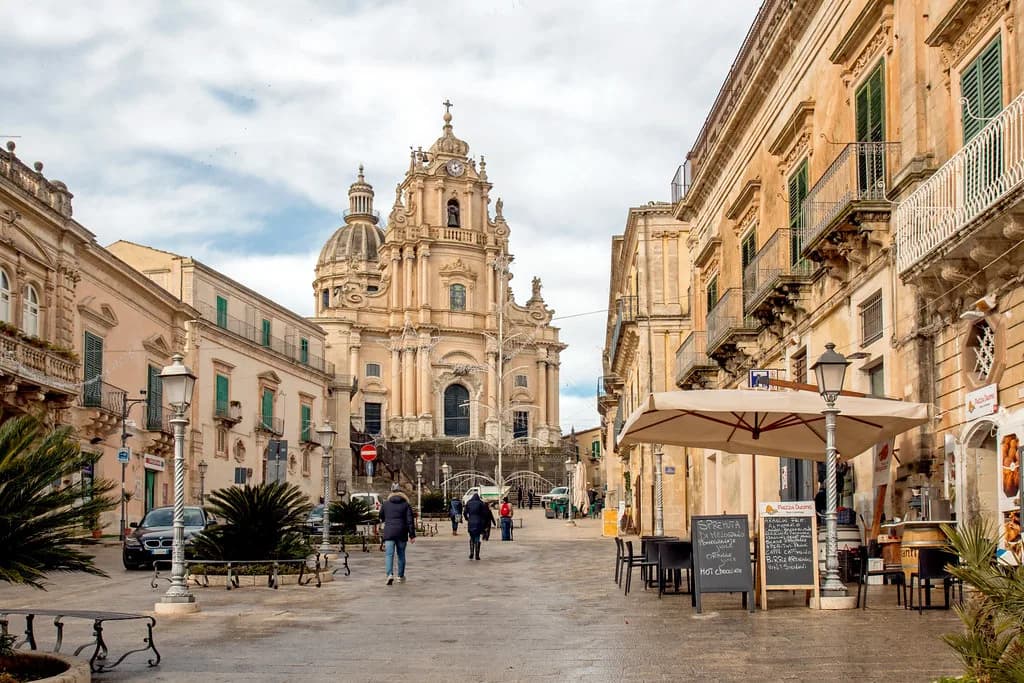
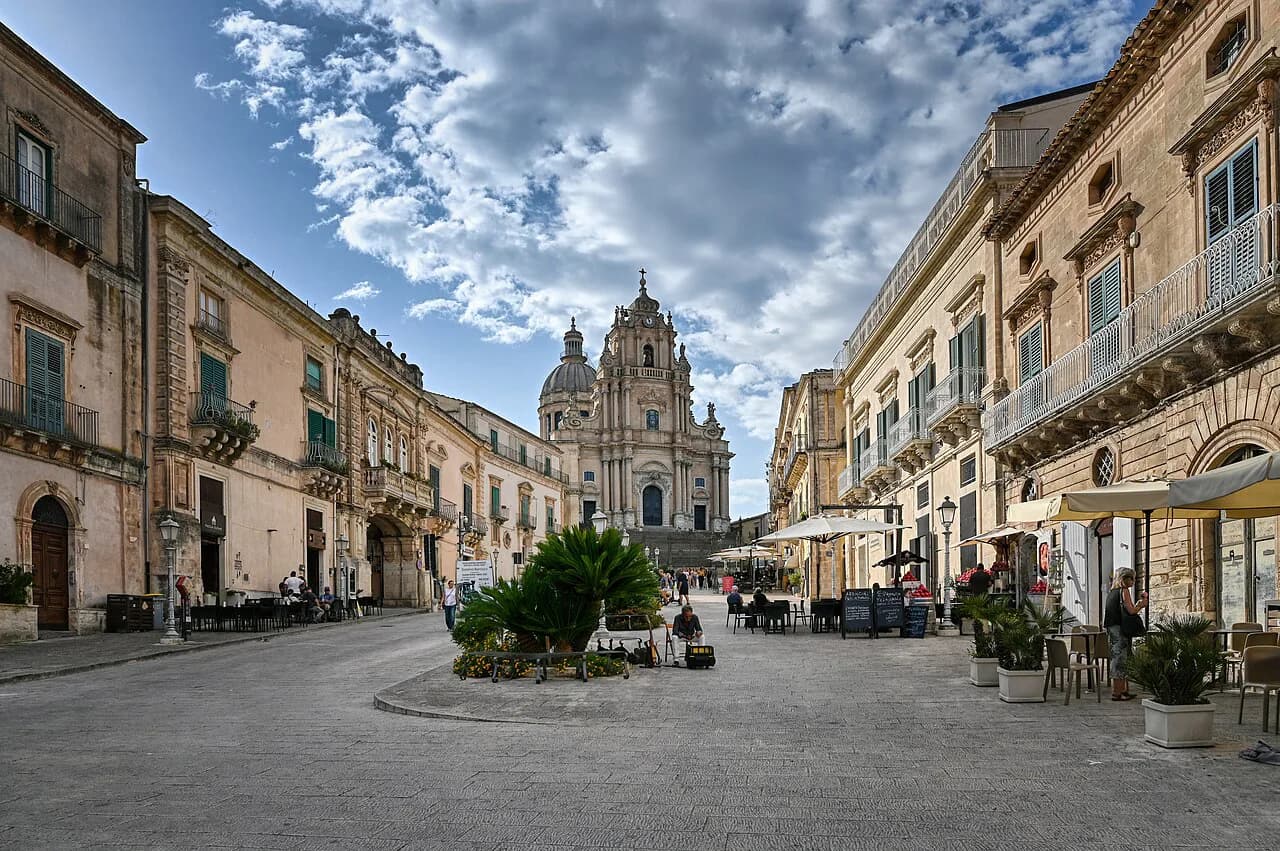
Start on Piazza Duomo in Ragusa Ibla, where Gelati Divini is listed at number 20 and sells gelato a few steps from the cathedral. Treat the square as your anchor, then use the rest of the province for variety. This guide covers what the shop is known for, which flavours to order and how artisan gelato is made.
The unusual flavours are the reason to come: olive oil, carob, fig, wine and flower. If that reads as a gimmick, the practical answer is to ask for a taste before committing to a whole cup.
Where to find gelato in Ragusa: Ibla and Piazza Duomo
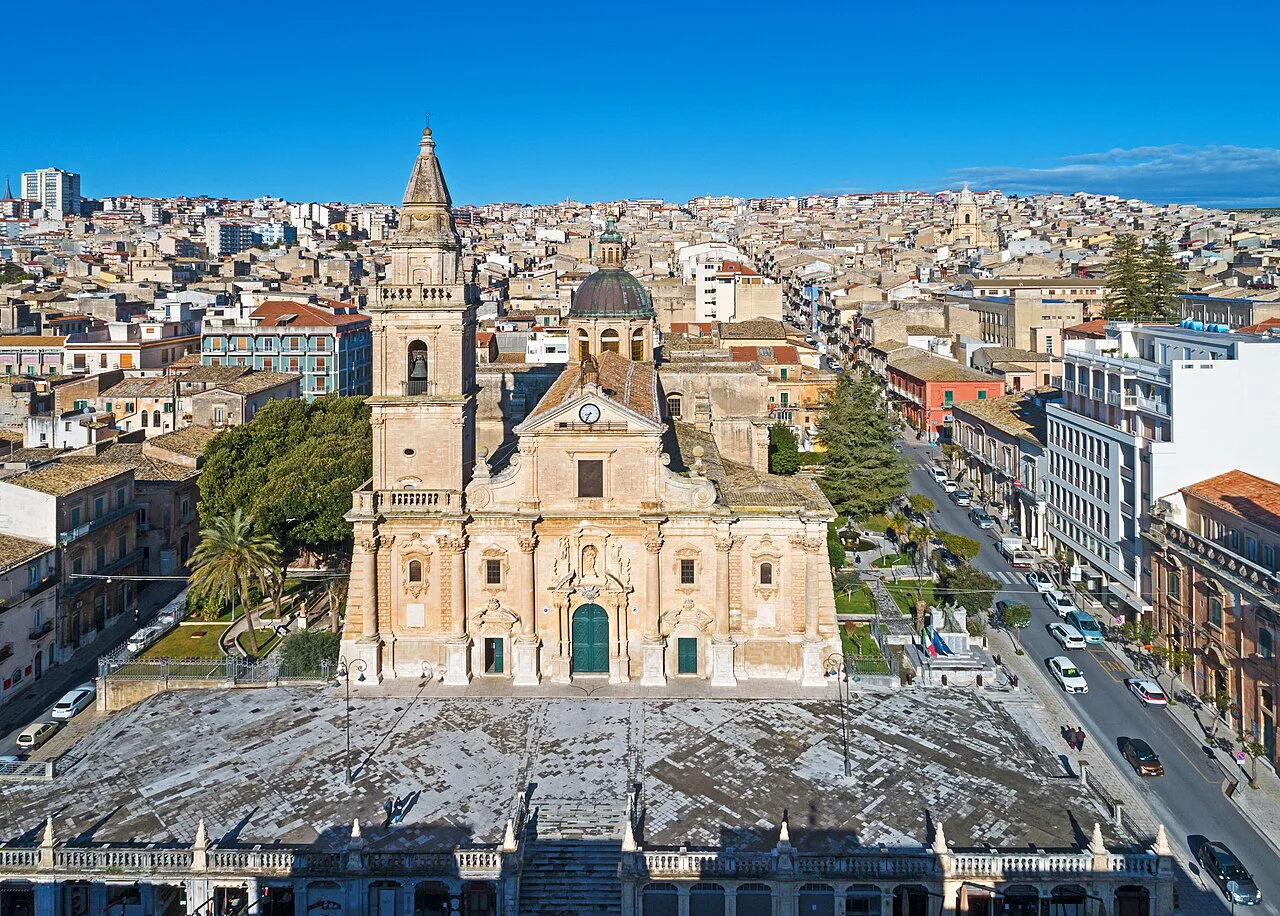
Ragusa splits into two halves, and the gelato worth planning around sits in the older one, Ragusa Ibla, on the piazza facing the Duomo. That square is the obvious first stop on any walk through the neighbourhood, and the wider city has plenty more to eat once you leave it — see our guide to the best restaurants in Ragusa.
Gelati Divini is listed at Piazza Duomo 20 in Ragusa, where it operates as both a pasticceria and a gelateria. It also sells wine and chocolate alongside the ice cream, so it works as a stop at several points in the day; if you want a pastry crawl across the city, start with our best pastry shops in Ragusa.
The same provincial directory lists other gelaterie around Ragusa, including Caffè L'Incontro in Modica and shops in Vittoria and Donnalucata, so you can build a short trail of stops rather than relying on a single square.
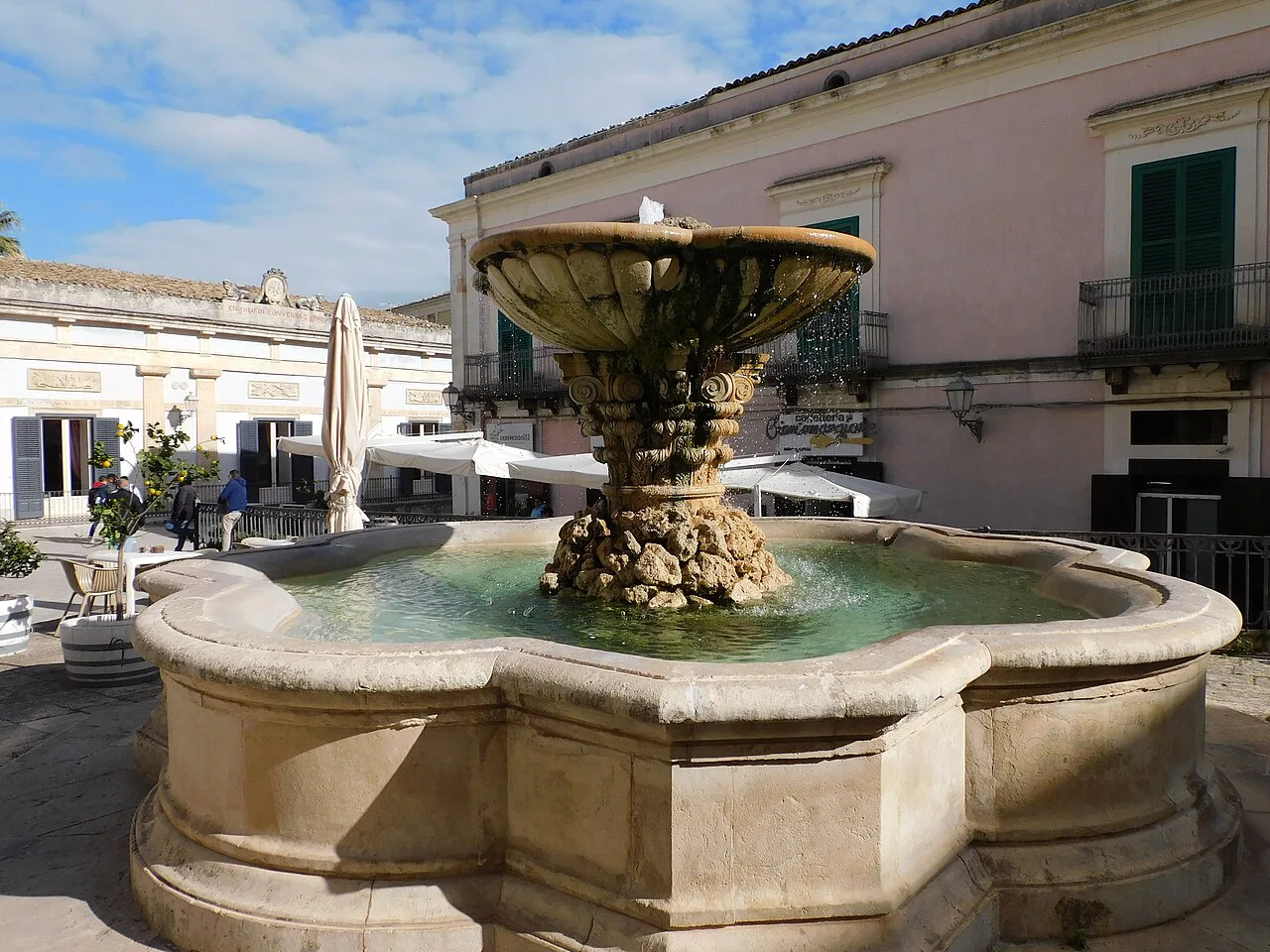
Gelati Divini on Piazza Duomo: what it is
Gelati Divini is a small artisan gelateria on the piazza facing the Duomo in Ragusa Ibla. It is listed as a pasticceria as well, so expect a counter of both ice cream and pastry rather than a pure scoop shop.
Reviewers describe a case of roughly twenty to twenty-five flavours, many of them unusual. Staff are described as willing to explain how individual flavours are made and to offer a taste of the more particular ones before you choose.
The setting helps: the shop sits by the cathedral square in Ibla, so a cup makes a natural pause between sights rather than a destination on its own. Pair it with a walk through the neighbourhood and a look at what else the city has to offer at the table.
The flavours that stand out: olive oil, carob, fig and flowers
The flavour that gets talked about most is gocce verdi, an olive oil gelato. Reviewers describe it as light and not aggressive, closer to a gently savoury cream than to a dessert, with the oil reading clearly but staying subtle on the palate.
Also reported in the case at Gelati Divini: carob, fig and a chocolate flavour sold as Maya. Carob is the dark pod that grows across south-eastern Sicily, and it is a classic pairing with fig in the region's sweets.
Wine flavours form a category of their own here, made from local grapes and served as gelato rather than as a drink. There are also flower flavours such as violet, which taste floral and light. Try one or two of these on a small cup rather than building a whole order from them.
If you want something plainer to balance the experiments, keep a conventional scoop alongside: pistachio, hazelnut or stracciatella works well next to the unusual flavours. A mixed order of two or three flavours is standard practice.
How artisan gelato is made and how to spot a good gelateria
Artisan gelato is made fresh in the shop from milk, cream, sugar and flavourings, churned and served within a short window. Industrial gelato is produced elsewhere, frozen hard and shipped in tubs, which is why it looks and tastes different.
A practical test is to look at the case: artisan gelato is often stored in shallow, flat metal pans and sits slightly unevenly, because it is turned by hand. High, airy mounds in bright colours are the industrial giveaway.
Temperature is the second clue. Artisan gelato is served soft enough to scoop into a rounded quenelle, whereas gelato that comes out in hard blocks has usually been stored too cold. A shop that offers a taste before buying is also a good sign.
Sicilian gelato flavours to look for in Ragusa
Beyond the experimental scoops, the Sicilian classics are the ones to order: pistachio, almond, lemon and ricotta. Pistachio should be a dull, dusty green, not a bright one, and should taste of roasted nuts rather than sugar.
Ricotta gelato is denser and slightly savoury, closer to frozen sweet cheese than to a cream. It suits a cup better than a cone, and it pairs well with a dark chocolate or a carob scoop.
Ragusa's other speciality is the scaccia ragusana, a thin folded flatbread filled with cheese or vegetables — the savoury anchor of any food day here. Our guide to Scaccia Ragusana explains what it is and how it is made.
If you are eating your way around town rather than sitting down, street food in Ragusa covers the savoury half: arancini, scacce and small fried pieces, with gelato as the finish.
How to order and eat gelato in Ragusa
Order at the counter, choose a cup (coppetta) or a cone (cono), then name your size: piccolo, medio or Grande. In many Italian gelaterie you pay first at the till and hand the receipt to the person scooping.
Say the flavours in the order you want them stacked, since the first one goes at the bottom of the cone. Two flavours in a medium cup is a sensible default; larger sizes suit sharing.
Eat it on the move if you want to keep going, and keep a napkin handy: soft artisan gelato melts quickly in Ragusa's summers. Many shops also sell granita alongside, particularly in the morning — see our guide to granita in Ragusa.
If you are travelling with someone who avoids gluten, ask at the counter whether a flavour and cone suit them — artisan gelaterie often make the gelato from scratch, so the person scooping can usually tell you what is in each one.
Gelato in Modica and the wider Ragusa province
Gelato spreads across the province: the provincial directory lists gelaterie in Modica, Vittoria, Donnalucata and Marina di Ragusa, so a day out can end with a scoop elsewhere.
Modica is known for its chocolate, so its gelaterie are a sensible separate stop rather than a quick detour, and a chocolate scoop there is the natural order.
Down on the coast, Donnalucata and Marina di Ragusa are summer addresses, and their gelaterie are busiest in the warm months. If you want another way to spend an afternoon in the area, try a cooking class in Ragusa.
Which Ragusa scoop is worth your stop
For a single stop, choose Gelati Divini in Ragusa Ibla: it is the shop on the cathedral square where olive oil, carob and wine flavours sit alongside classic scoops. Order a small cup with one experimental flavour and one classic, and taste before you commit.
If you want a fuller food plan for the day, build it around the best restaurants in Ragusa and finish on the square; if you are heading to Modica, save room for a second scoop near the chocolate shops.
Explore more Ragusa food guides
Frequently Asked Questions
What is the typical gelato in Sicily?
The classic Sicilian scoops are pistachio, almond, lemon, ricotta and dark chocolate. In Ragusa you will also find more experimental flavours such as olive oil, carob and wine, which are worth tasting before ordering a full cup.
Is gelato in Ragusa expensive?
Prices vary by shop and by cup or cone size, and they are not listed here because they change. Check the price board behind the counter before you order; a small cup with two flavours is the usual way to keep the cost modest.
What is the typical sweet of Ragusa?
Ragusa's best-known speciality is the scaccia ragusana, a thin folded flatbread filled with cheese or vegetables and more of a savoury snack than a dessert. For something sweet, Gelati Divini on Piazza Duomo sells gelato and pastry together, with other gelaterie across the province.
Where should I eat gelato in Ragusa Ibla?
Start at Gelati Divini on Piazza Duomo, which sells gelato alongside pastry, wine and chocolate. It is the obvious first stop on a walk through Ibla, and other gelaterie are listed across the province if you want to compare.
Sources
Notes for your next meal in Italy
Optional updates to our food guides.
You might also like

Continue reading
More guides you'll find useful