Granita in Ragusa: Flavours, Brioche and Where to Eat It
Granita in Ragusa explained: almond, coffee, pistachio and chocolate flavours, why it comes with brioche at breakfast, and how it differs from sorbet.
On this page
Granita in Ragusa means a glass of coarse, spoonable crushed ice sweetened and flavoured with fruit, almond or coffee — in Sicily it is a breakfast staple as much as a hot-afternoon refreshment. Order it with a warm brioche and you have the classic Sicilian morning: cold, grainy sweetness against soft enriched bread. This guide covers the flavours worth knowing, how granita differs from gelato and sorbet, the brioche ritual and the bar-counter routine.
It is a Sicilian speciality rather than a Ragusa invention, and the eastern side of the island is where it is most celebrated, with almond, coffee and pistachio the flavours that turn up again and again. Use the flavours and ordering habits below whether you are in Ragusa Ibla or over in Marina di Ragusa, and treat the specific bar as your own find.
What granita actually is
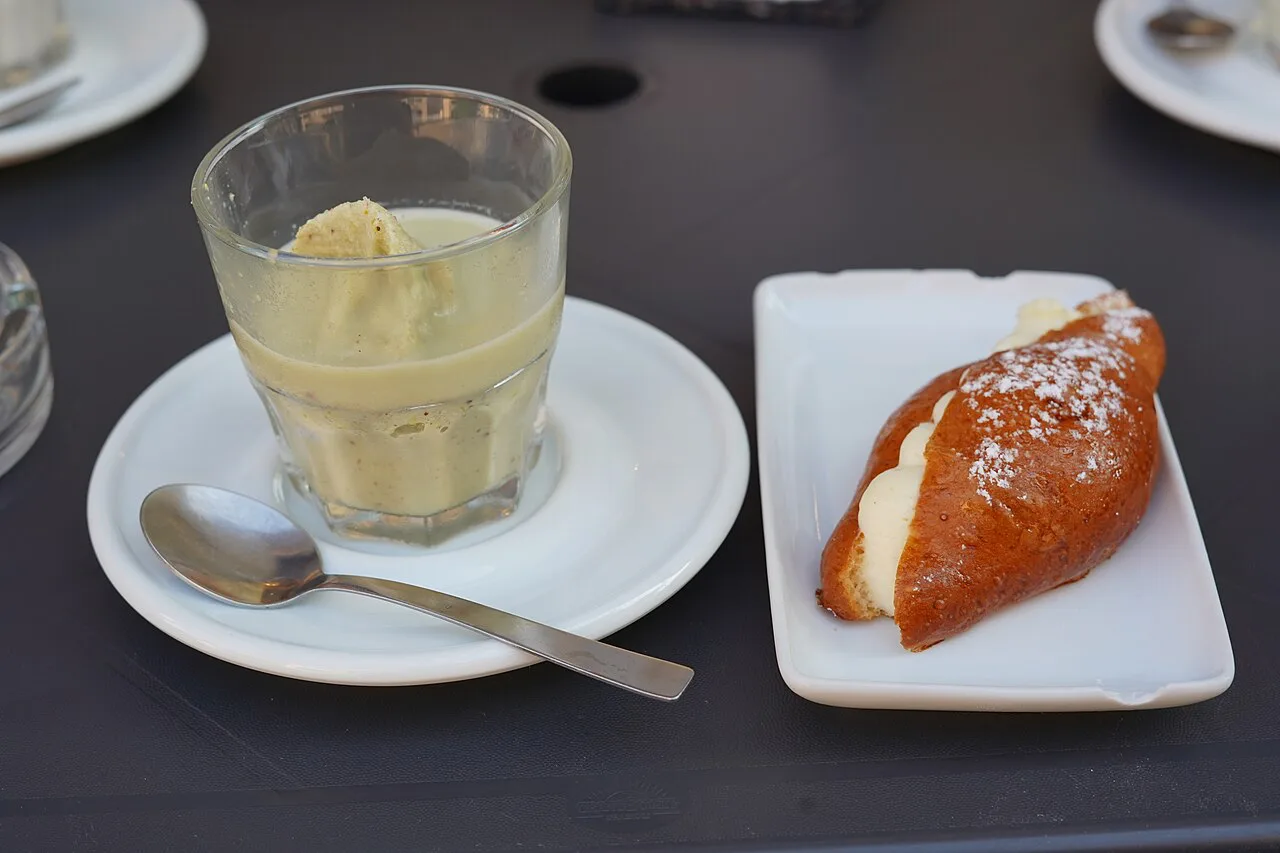
Granita is made from water, sugar and a flavouring — fruit juice, almond, coffee, chocolate — frozen while being stirred so it sets into coarse crystals rather than a solid block. It is served in a glass, usually with a small spoon, and eaten slowly as it melts. The texture sits between a slush and a sorbet, but grainier than both.
The commonly told account credits the Arab presence in Sicily with developing the idea of snow sweetened with fruit juice and honey, building on the older practice of storing winter snow for summer use. Treat that as origin lore rather than a documented recipe: it explains the habit, not the exact method in any given bar.
How it differs from gelato and sorbet
Gelato is a churned dairy (or fruit) ice cream, dense and smooth, served in scoops or a cup; granita is water-based, crystalline and eaten with a spoon from a glass. If you are choosing between the two after lunch, granita is the lighter, sharper option. For a proper scoop-by-scoop comparison, our guide to gelato in Ragusa covers the gelaterie side of the decision.
Sorbet is also water-based but churned to a smooth, fine texture; granita keeps the ice grains. A slush, the kind sold from machines elsewhere, is usually poured and drunk through a straw, whereas granita is scoopable and needs a spoon. If it arrives as a homogeneous syrup you can drink without a spoon, it is not really granita.
The flavours to know
Mandorla, almond, is the benchmark flavour in eastern Sicily and often ordered as mandorla macchiata caffè — almond granita with a shot of coffee poured over or alongside, which gives you both flavours in one glass. Caffè on its own is dark, bitter and bracing, closer to frozen espresso than to dessert. Pistacchio is rich and nutty, and in Catania it is famous enough to draw a following.
Cioccolato, chocolate, is often served with panna — a dollop of whipped cream — which softens the intensity. Fragola, strawberry, is the fruit flavour of summer, and limone, lemon, is the sharp, clean one to take when the heat is at its worst. Almond, coffee, peach and chocolate are the flavours you will see most often in Sicilian bars, with pistachio increasingly common.
If you want to taste the local repertoire beyond granita, work a pastry stop into the same morning: the pastry shops in Ragusa sell the ricotta-filled sweets and almond biscuits that sit alongside granita in the Sicilian breakfast canon.
Granita con brioche: the Sicilian breakfast
In Sicily granita is routinely eaten for breakfast with a brioche — a soft, slightly sweet enriched bun, sometimes with a topknot — which you tear and dip or eat alongside the glass. It is a breakfast, not an after-dinner dessert, and that is why bars serve it from early morning. Think of it as the Sicilian counterpart to a pastry and coffee, with cold almond or coffee granita playing the role of the cappuccino.
The usual order is one granita and one brioche, eaten standing at the bar or at a small table. If you are in Sicily for the first time, start with almond and a plain brioche — the combination is mild enough to work as breakfast even if you normally skip sweet things. Save chocolate with cream for later in the day.
Granita or coffee first
Sicilians often treat granita as the coffee course itself: coffee granita, or almond macchiata with espresso, gives you the caffeine and the cold sweetness in one. If you want a proper espresso as well, order the granita first and the coffee after — the granita is food, the coffee is the finish. Standing at the counter is normal and quick, and it is the right move if you are heading out for the day.
If you plan a slower morning in Ragusa Ibla, take a table and order granita, then a coffee once the glass is empty. If you would rather end the morning with a savoury bite, our street food in Ragusa guide covers the fried and baked snacks that follow well.
How to judge the texture
A good granita has visible ice crystals, holds its shape on the spoon for a moment and melts slowly into a fragrant liquid. A watery granita slumps immediately and tastes of diluted syrup; an over-smooth one has been churned too hard and is closer to sorbet. Look for the grain — it is the point, not a fault.
Flavour should be clean and identifiable: almond should taste of almonds rather than essence, lemon should be sharp, coffee should be bitter. Granita made in small batches and stirred by hand or in a shallow tray tends to keep a better texture than a machine-poured slush. If a bar serves it in a frosted glass with a spoon, that is the right format.
Where to find it in Ragusa and the province
Ragusa has bars, cafés and pastry shops across the city, and the tourist office runs a searchable where to eat directory covering restaurants, shops and services, which is the practical starting point for a morning granita near wherever you are staying in Ragusa Ibla or the upper town.
The province includes Modica and Noto, both of which feature in Sicilian granita coverage alongside Catania and Siracusa, so a drive out of Ragusa can include a granita stop as part of a wider eating day. For the sit-down side of the trip, our picks for the best restaurants in Ragusa cover the lunch and dinner side of the day; granita is what you eat between them.
Beyond granita, the province has a savoury pastry worth planning around: the scaccia ragusana, a thin layered bread-pastry filled with tomato sauce, cheese or vegetables, and the smaller round scacce modicane from Modica. It is a portable breakfast or lunch and a good counterpart to a sweet granita morning.
The bar-counter routine
Order and pay at the counter first in many Sicilian bars: you tell the cashier what you want, pay, take the receipt to the barista and give your flavour. You then either drink it standing at the counter or carry the receipt to a table, where table service may add a small cover charge — the coperto — to the bill. For breakfast granita, the counter is the usual and cheapest way.
At the counter, pay after you have eaten only where there is waiter service and a printed bill; otherwise pay first, as most locals do. Cash is still common in smaller bars, though cards are widely accepted. Our guide to aperitivo in Ragusa explains the same counter-versus-table logic for the evening drink.
Granita outside summer
Granita is most associated with summer and the Sicilian heat, and almond and coffee are available year-round in many bars, but a bar's seasonal offering is a matter for the bar itself. That is why the honest approach is to ask at the counter what is available that day rather than assume the full flavour list in January. In warm months, finish the morning in the square rather than over the glass.
Which granita to order first in Ragusa
Start with almond, plain or macchiata with coffee, and a brioche, at a bar counter in Ragusa Ibla. If the texture is coarse and the flavour clean, you have found a good granita; if it is smooth and drinkable, order something else next time. Coffee granita is the fallback when you want the caffeine hit built in.
Build the rest of the day around proper meals: trattorias in Ragusa for lunch and a pizza evening if you are staying over, with granita as the morning anchor. The pattern is simple — cold, grainy, sweet and a brioche on the side.
Explore more Ragusa food guides
Frequently Asked Questions
What does granita taste like?
Granita tastes of its flavouring — almond, coffee, lemon, strawberry, pistachio or chocolate — with a grainy, icy texture and a clean, cold finish. Almond is nutty and mild, coffee is bitter and bracing, and lemon is sharply tart. It is sweet but less rich than gelato.
Do Italians eat granita for breakfast?
In Sicily, yes: granita with brioche is a standard breakfast, the pairing that Sicilians order at the bar to start the day. Outside Sicily it is more often an afternoon or dessert order, which is why the brioche pairing surprises visitors.
What is the most popular dessert in Sicily?
Granita is a signature Sicilian sweet, but cannoli and cassata are the desserts most associated with the island more broadly. Granita is the everyday, breakfast-adjacent one; the ricotta-filled pastries are the celebration end.
Is granita the same as sorbet?
No. Sorbet is churned smooth, whereas granita is frozen with less stirring to keep visible ice crystals, so it is coarser and eaten with a spoon. Both are water-based, but the texture is the giveaway.
Sources
Notes for your next meal in Italy
Optional updates to our food guides.
You might also like
Continue reading
More guides you'll find useful