Street Food in Ragusa: Scacce, Impanate and What to Order
Street food in Ragusa means scacce, impanate, pastieri, romane and tomasini. Here is what each one is, what is inside it and where to eat it in Ibla.
On this page
Street food in Ragusa means the pastries and breads of the Iblei hills: scacce, impanate, pastieri, romane and tomasini, all built on durum wheat, fresh ricotta, caciocavallo and Ragusano DOP. Start in Ragusa Ibla, where a single bakery or rosticceria counter can cover three or four of them in one order. This guide names each snack, explains what is inside it and says which are Easter preparations and which you can find all year.
The food here grew out of a farming economy, so the snacks are filling rather than dainty: thin layered dough around cheese and tomato, bread cases around lamb, puff pastry around rice and ragù. Portions are generous, which makes sharing two or three across a table the sensible way to eat.
Scacce: the thin, layered dough to order first
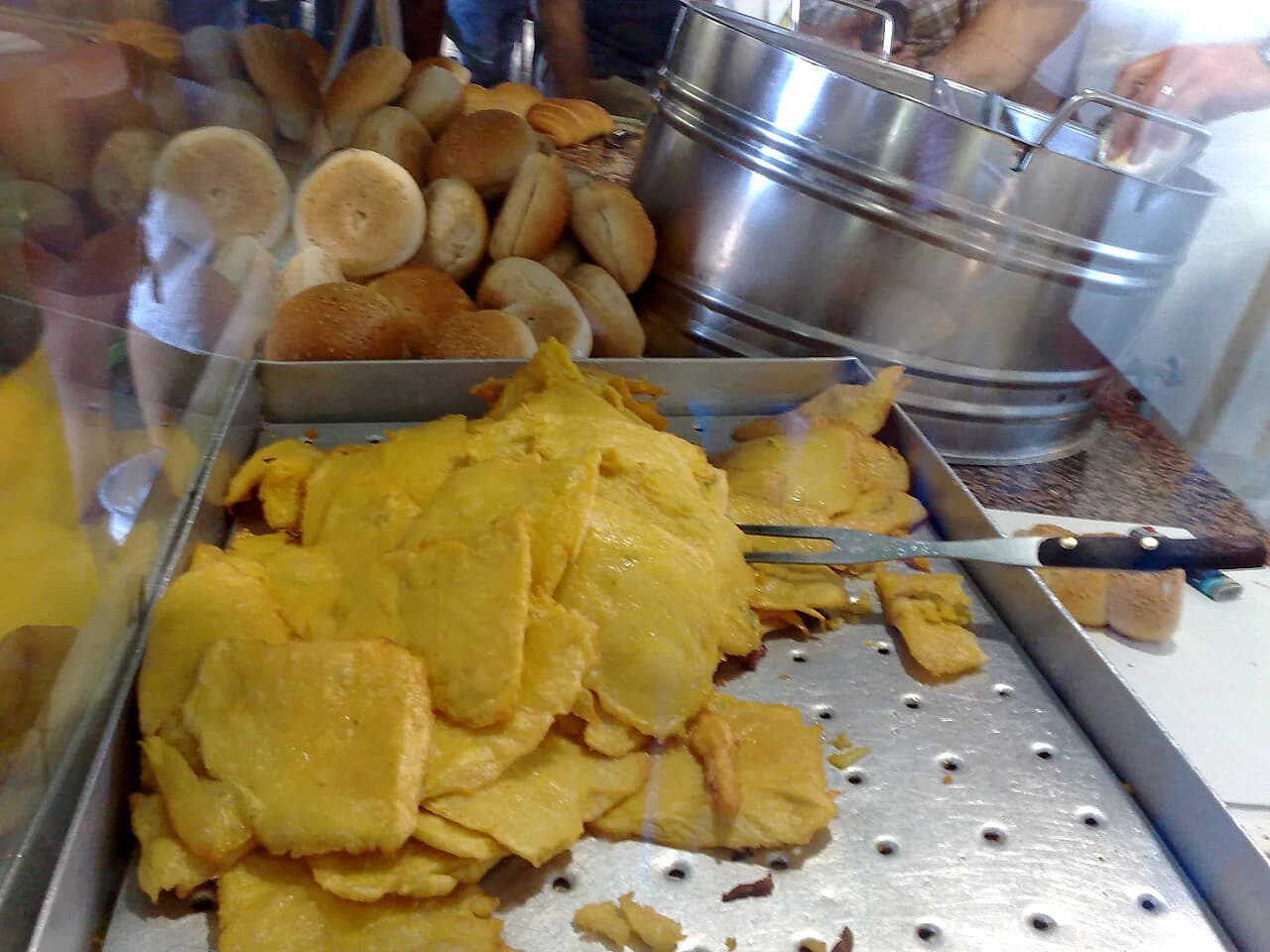
The scaccia ragusana is the emblem of Ragusan street food and the one to buy first. The dough combines durum wheat flour, oil and sourdough starter, rolled so thin that it bakes into overlapping layers. The most widespread filling is tomato sauce, basil and aged caciocavallo, a combination that sums up the flavours of the Iblei.
Other versions follow the farmland around the city: tomato and onion, ricotta, vegetables, sausage. Where the scaccia was invented is a contested claim, with both Ragusa and Modica laying claim to it, so treat the argument as folklore rather than fact. Buy one warm and eat it in hand; the layers go soft quickly once it cools.
Impanata: the Easter pastry with a raised rim
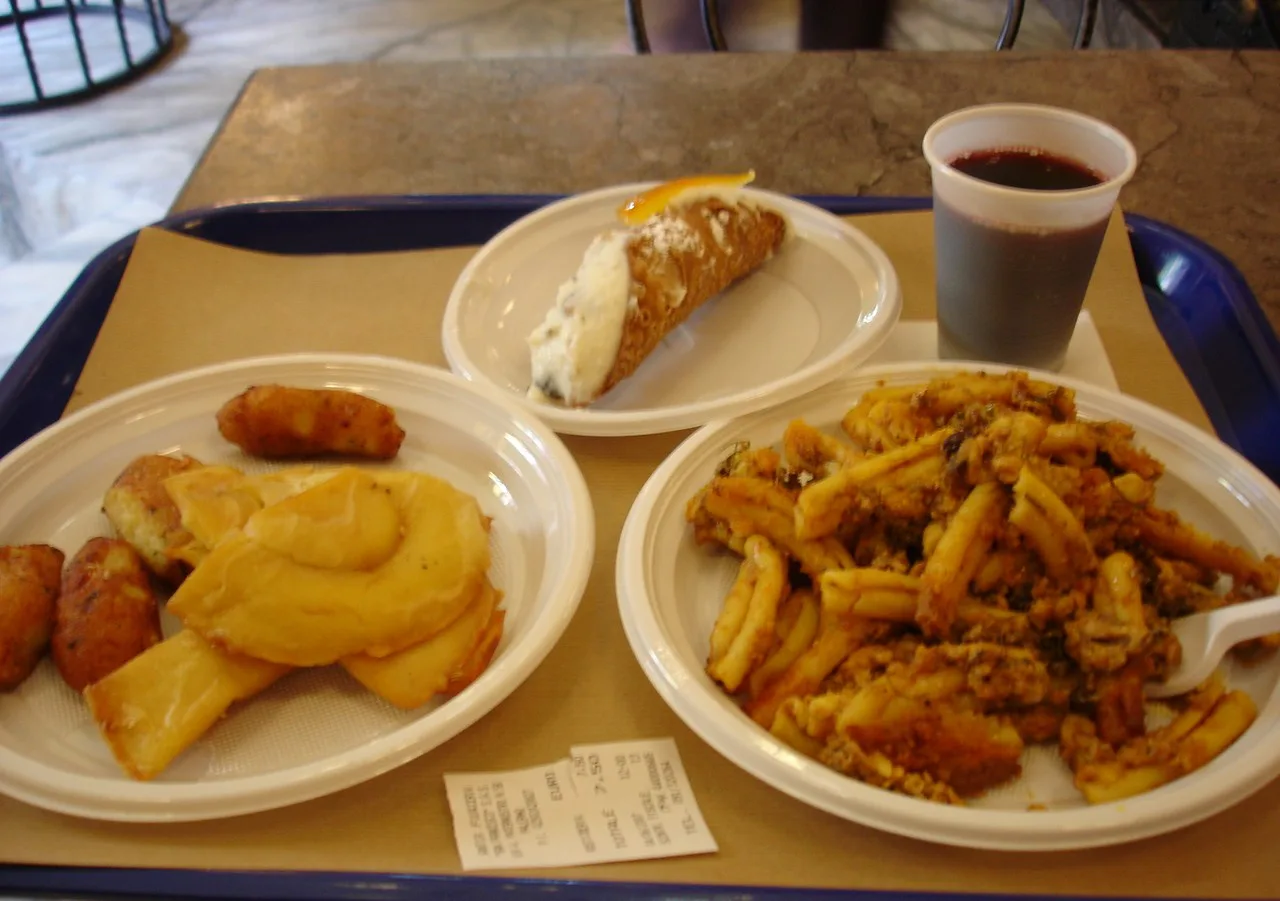
The impanata is a bread-dough pie, enriched with oil or lard and shaped with a thickness calculated to hold its filling through baking. The typical version packs in pieces of lamb with onion and parsley, which gives it a spring character. It has long marked Easter in this part of Sicily.
The raised rim is the practical detail worth knowing: it keeps the meat juices inside the case while the pie bakes, so the base does not go soggy. The technique of wrapping meat in a dough case came from the eastern Mediterranean and was adapted here into the round shape you see now. Outside Easter it is less of a fixture, so ask before you plan a day around it.
Pastieri: small Easter tortini with a dense filling
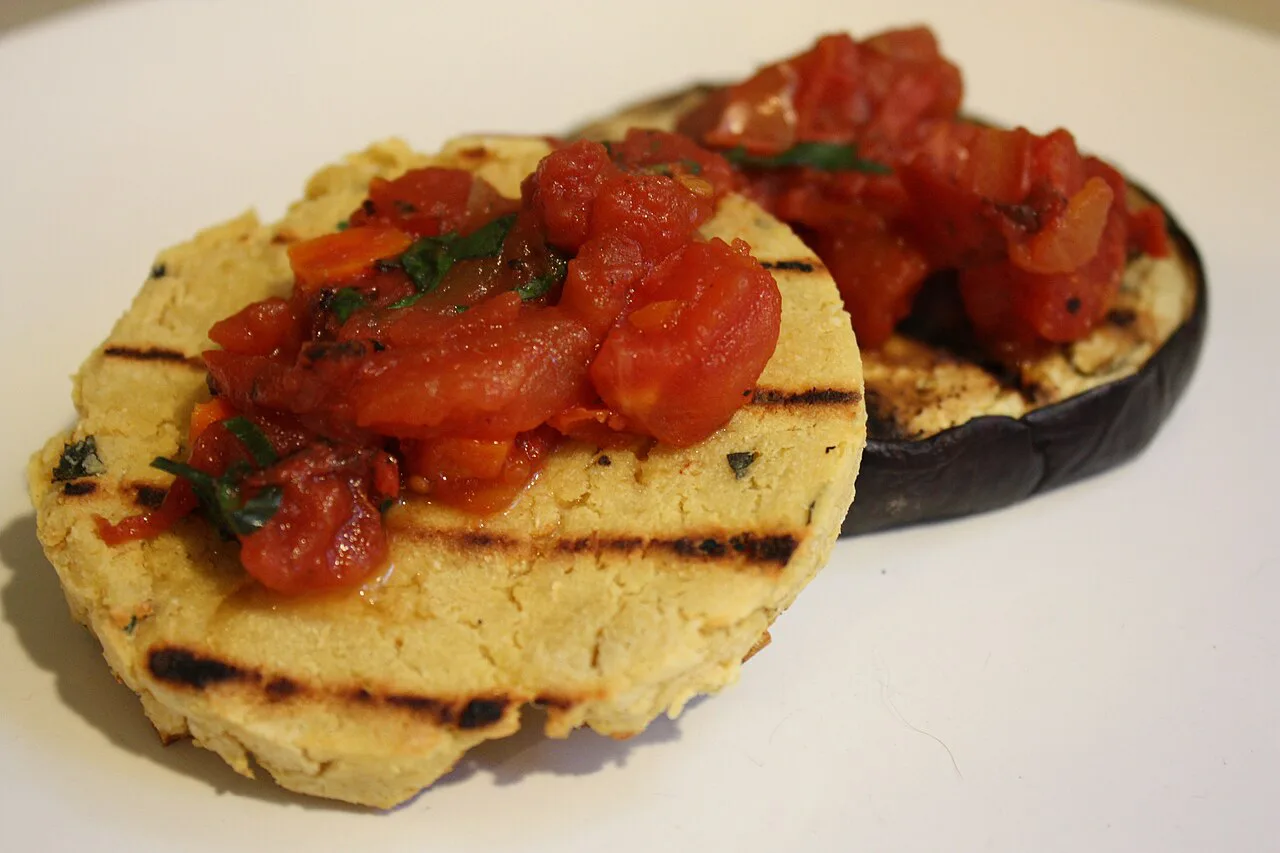
Pastieri are small raised-dough tortini with a dense, aromatic filling, tied to Easter in the province of Ragusa. They began in poorer households that used lamb or kid offal instead of expensive cuts, binding it with egg, caciocavallo, garlic and parsley. As incomes improved the filling moved towards minced meat, but the construction stayed the same: an elastic dough worked with oil and lard, sealed into a little volcano shape left open at the top.
They were traditionally made on Holy Saturday and eaten over the following days, and today they are sold all year. One pastiere is enough as a snack; the filling is compact and rich, so two makes a light lunch rather than a nibble.
Romane: nothing to do with Rome
The name misleads. A romana is a Sicilian speciality, common in the rosticcerie of eastern Sicily and in Ragusan street food, and it has no connection to the capital. It is a puff-pastry shell around rice, ragù, peas and melting cheese, designed as a substantial, portable meal.
The rice is often cooked the day before so it firms up and holds the slice together, while the pastry crisps in the oven against the soft middle. Variations run from a plain tomato version to richer ones with provola, egg or ham. Order it when you want a proper lunch from a counter rather than a between-meals bite.
Tomasini: semolina spirals with ricotta and sausage
Tomasini are coils of semolina dough wrapped around fresh iblean ricotta, crumbled sausage and grated Ragusano DOP, often with hard-boiled egg added for body. The dough is the same one used for scacce, rolled very thin, then rolled up and cut into slices that bake into compact spirals, soft inside and lightly golden outside.
They started as an Easter preparation and have since become a year-round snack. They travel well and keep for a few hours, which makes them the practical choice if you are eating on the move between the two halves of the city.
Pane cunzatu, sfuogghiu and the other names to know
Pane cunzatu is dressed bread: a split loaf filled with the sort of things a farmhouse kitchen had on hand, typically tomato, cheese, oil and herbs. It is the simplest item on this list and the easiest to share. Sfuogghiu is another pastry in the same family, sold alongside the scacce in the same counters.
Two more names appear on boards around the province: mitilugghie and cucche modicane. Both belong to the wider Ragusan repertoire rather than to a single shop, so read the label or ask what is inside before buying if the name is unfamiliar.
Where to eat street food in Ragusa: Cantunera Ibla
Cantunera Ibla, at Largo San Domenico 18 on the corner of Via Giardino, is the street-food address to know in Ibla. It opened in 2017, serves Sicilian street food with some seats inside and a larger outdoor area on the square in front, and has a menu of around fifteen kinds of arancine, all made in house, fried to order and fresh that day. For dessert it makes its own cannoli, filled and topped only when you order.
The same address was named by Gambero Rosso as the best street food in Sicily for 2021, which is an award for that year rather than a current ranking. Drinks run to Sicilian wine by the glass or bottle, craft and commercial beer, and soft drinks, all Sicilian rather than industrial. It suits families and groups, takes cards and cash, and the staff speak English, French and Spanish.
Ragusa Superiore versus Ragusa Ibla
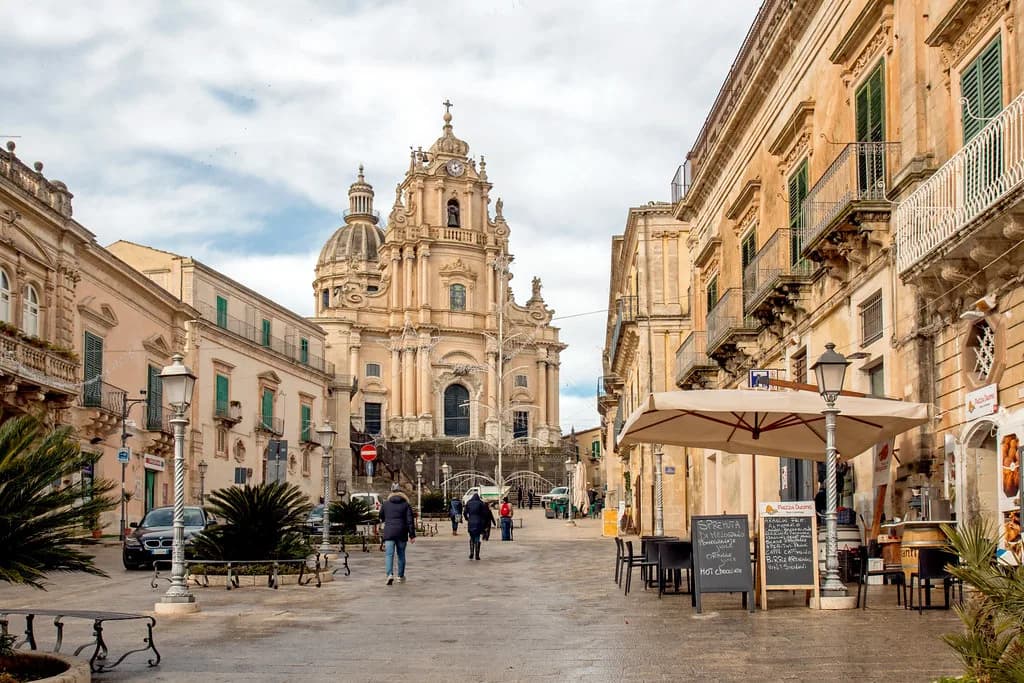
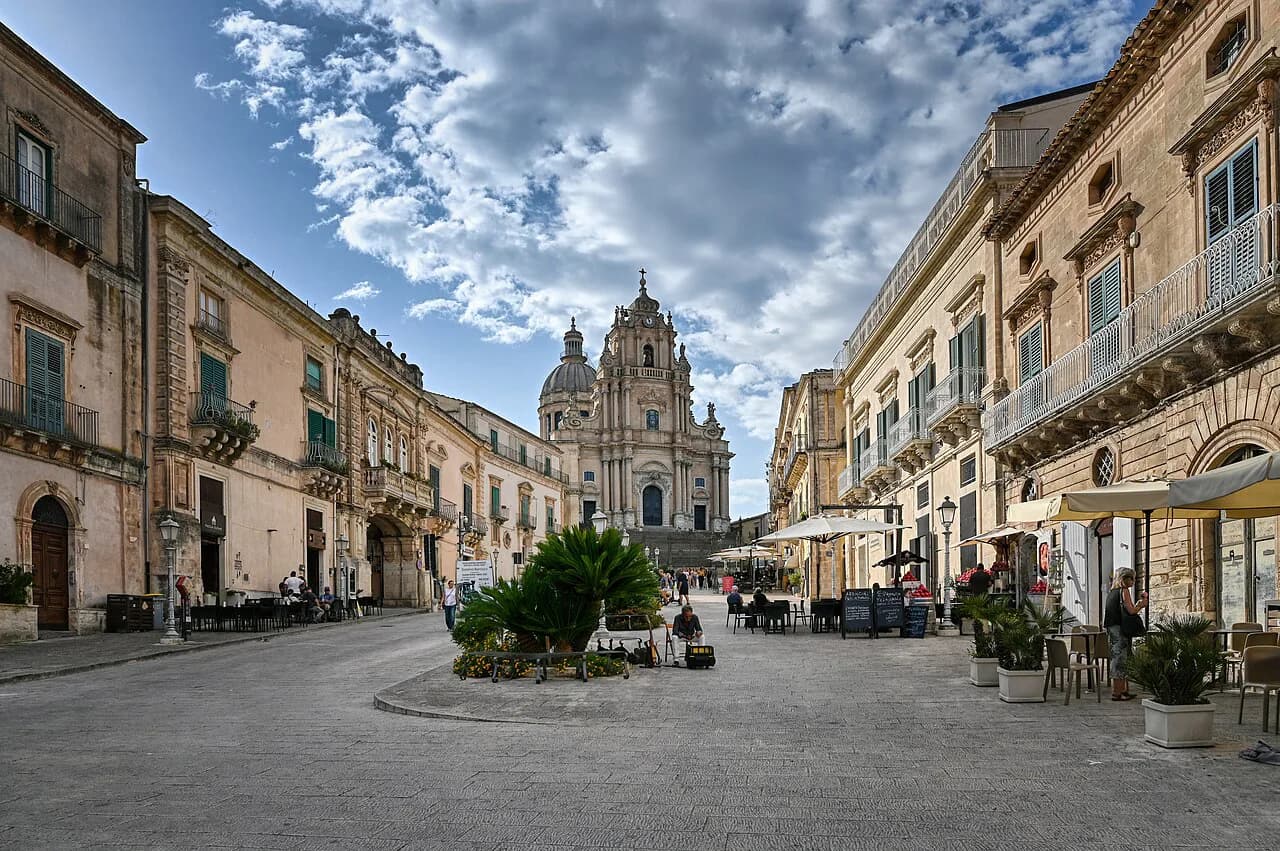
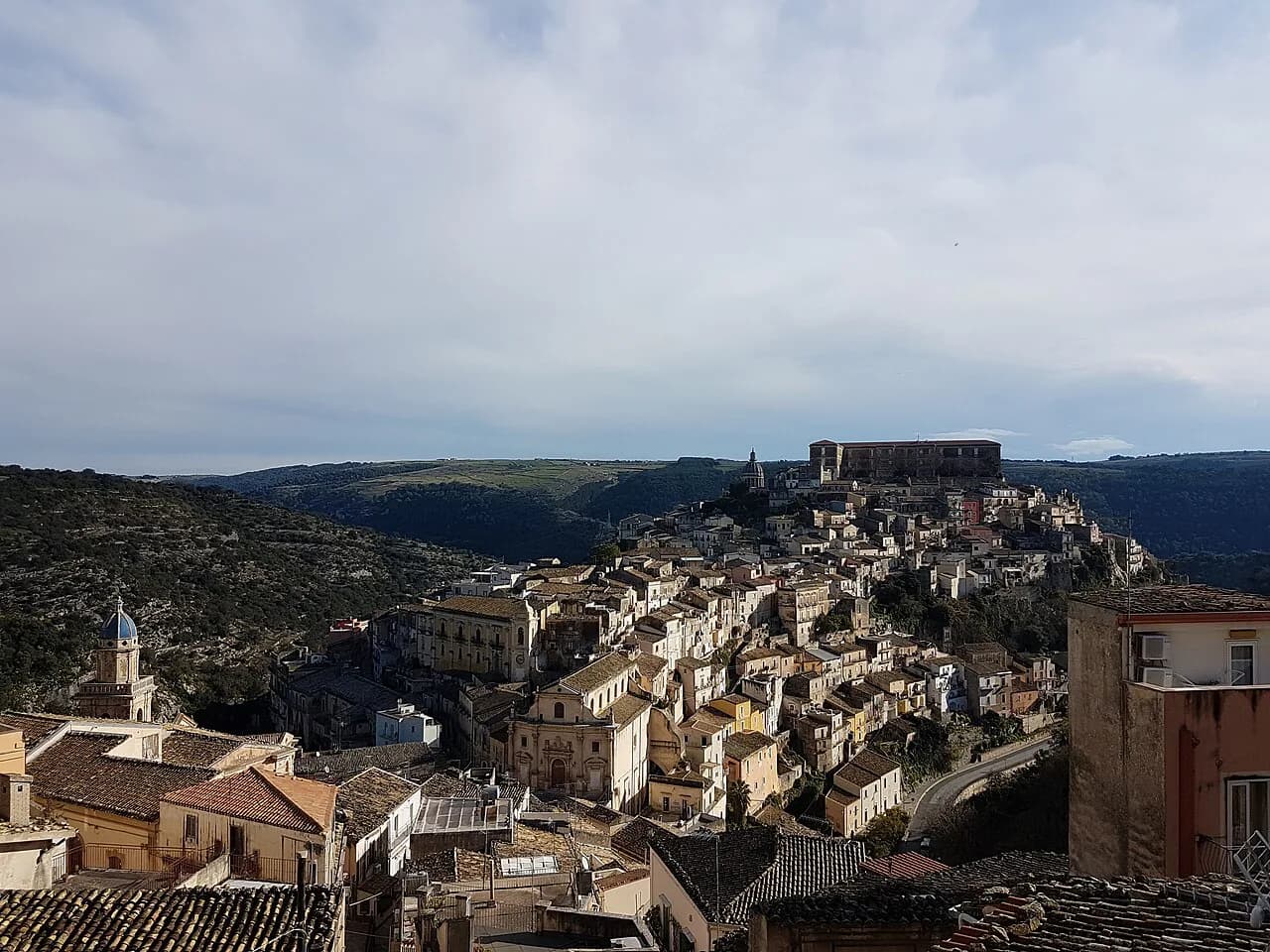
Ragusa is split in two: Superiore, the newer grid on the hilltop with the main shopping streets, and Ibla, the old baroque quarter below with the lanes and squares that draw most visitors. For a quick bite, Ibla concentrates the pastry counters into a walkable area around Largo San Domenico. Superiore is where you are more likely to find everyday rosticcerie serving the same snacks to people on their lunch break.
The climb between the two is steep, so plan your eating around one side rather than zigzagging. If you are in Ibla for a longer meal later, keep the afternoon snack small: one scaccia or one romana, not both, and save room for one of the trattorias in Ragusa that evening.
If you want something sweet after the pastries, the pastry shops in Ragusa cover cannoli and the almond sweets of the province.
How to order and eat it
Order at the counter, point at what you want, and say whether it is to take away or to eat at the tables outside; many of these snacks are sold by weight or by the piece, so ask for one of each rather than guessing a portion. Payment is usually at the till, with cards widely accepted at the larger addresses.
Treat all of this as a snack, not a sit-down meal. Two people can share a scaccia, a romana and a tomasino and still have room for dinner, which is the sensible way to try several in one stop. If you want a full restaurant meal afterwards, book it for the evening rather than the middle of the day, and the best restaurants in Ragusa need that booking more than the counters do.
A coffee or an aperitivo fits naturally before or after the pastries, and the café counters in Ibla are built for standing.
When to go: Easter for impanate and pastieri
The calendar shapes what you find. The impanata marks the Easter period, and pastieri were traditionally made on Holy Saturday and eaten over the following days; today they are sold all year. Outside Easter, scacce, romane, tomasini and pane cunzatu are the reliable year-round choices.
Summer brings heat and crowds to the baroque lanes, so a morning or late-afternoon snack stop is easier than midday. In June 2025 the city hosted an International Street Food event in Piazza Libertà with free entry, stands running into the evening and food from around the world alongside regional specialities; it was a single dated edition rather than a fixture, so check the council's events page for anything current.
Which Snack Should You Try First?
Order a scaccia first: it is the defining Ragusan snack and the easiest to find warm. Add a romana if you want a full lunch, or a tomasino if you are eating on the move. Head for Ibla and Largo San Domenico to start, then work outwards.
Save impanata and pastieri for an Easter visit, and use a bakery counter rather than a restaurant table to try several in one go. For the sit-down side of the city, the best restaurants in Ragusa are worth planning an evening around.
Explore more Ragusa food guides
Frequently Asked Questions
What is the difference between a scaccia and an impanata?
A scaccia is thin, layered dough rolled around a filling such as tomato, basil and caciocavallo, and it bakes into a flat, crisp parcel. An impanata is a thicker bread dough case, usually with a raised rim to hold the juices, filled with lamb, onion and parsley and tied to Easter.
Where should I go for street food in Ragusa?
Start in Ragusa Ibla around Largo San Domenico, where Cantunera Ibla serves Sicilian street food with outdoor seating on the square. Ragusa Superiore has everyday rosticcerie serving the same snacks to local lunch crowds.
Sources
Notes for your next meal in Italy
Optional updates to our food guides.
You might also like
Continue reading
More guides you'll find useful