Trattorias in Ragusa: Where to Eat the Town's Own Dishes
Trattorias in Ragusa, from the Comune's plain local list to Ibla's better-known kitchens, plus the scacce, caciocavallo and pastries worth ordering.
On this page
For a straightforward trattoria meal in Ragusa, start with the town's own dishes rather than a generic Sicilian menu: the scaccia ragusana, a stuffed flatbread, and caciocavallo ragusano, the local stretched-curd cheese, are the two things that tell you a kitchen is cooking this province. The Comune di Ragusa keeps a short list of trattorias spread across the historic centre, Ragusa Ibla and Marina di Ragusa, which is a useful starting point if you want plain local places. This guide separates that municipal list from the better-known kitchens of Ibla, sets out what to order, and explains how lunch and dinner are structured.
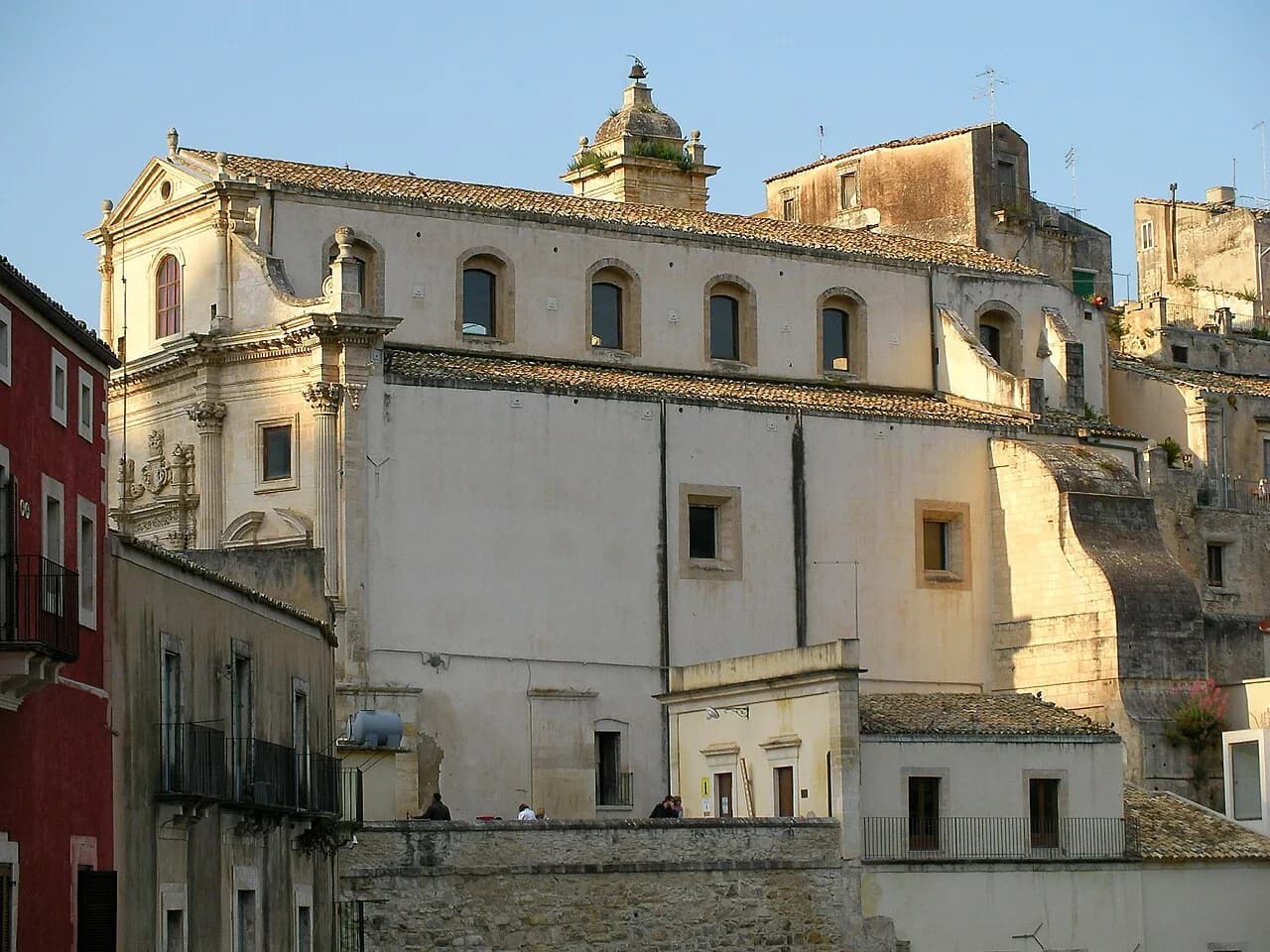
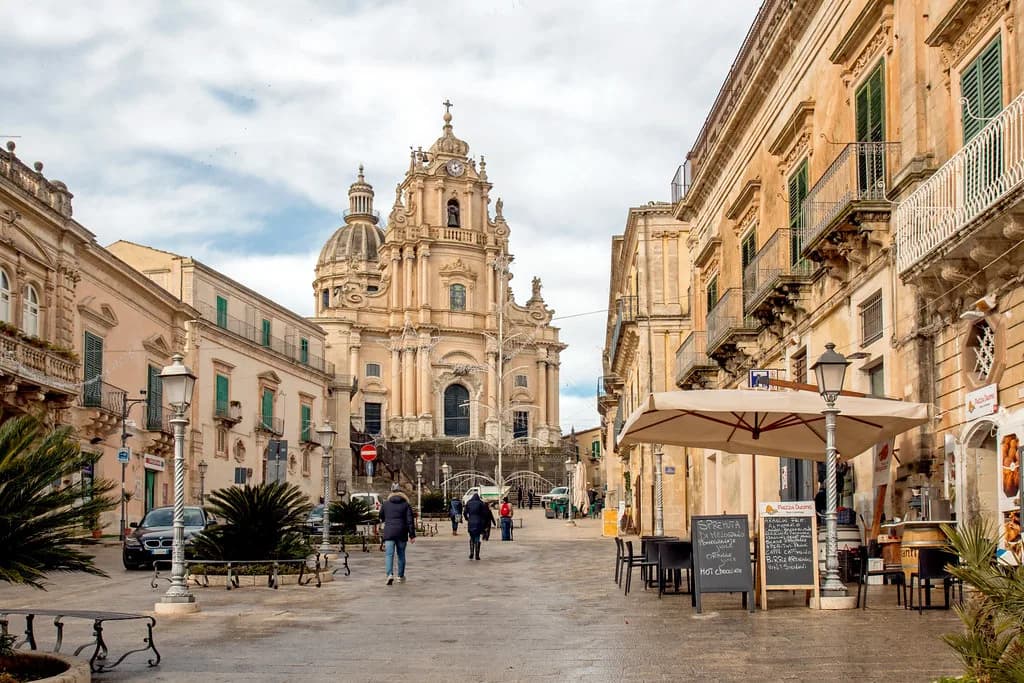
One thing to settle early is where you are eating: Ragusa Superiore, the upper town, and Ragusa Ibla, the baroque lower town, are a steep walk or a short drive apart, so a table in the wrong half changes your evening. The trade-off is real, because Ibla holds the names visitors come for while the centre and Marina di Ragusa serve people who live there.
What a trattoria in Ragusa is and how it differs from a restaurant
In Sicily the trattoria label signals scale and habit rather than a fixed menu: expect a short handwritten list, a cook working close to the dining room, and dishes drawn from the province rather than the whole island. A ristorante tends to mean printed menus, a wider wine list and cooking aimed at a longer sitting, which is why the two can sit side by side in the same town and feel nothing alike. In Ragusa you will also see osteria and the looser trattoria-ristorante hybrid, so read the menu rather than the sign.
The most useful marker is the dish list itself. Menus built around local cheese, cured pork, dried tomatoes, fresh fish from the Iblei coast and the town's flatbreads are announcing a Ragusa kitchen, while a long multi-region card with photographs is aimed at the passing trade. Judge by that before you judge by the setting.
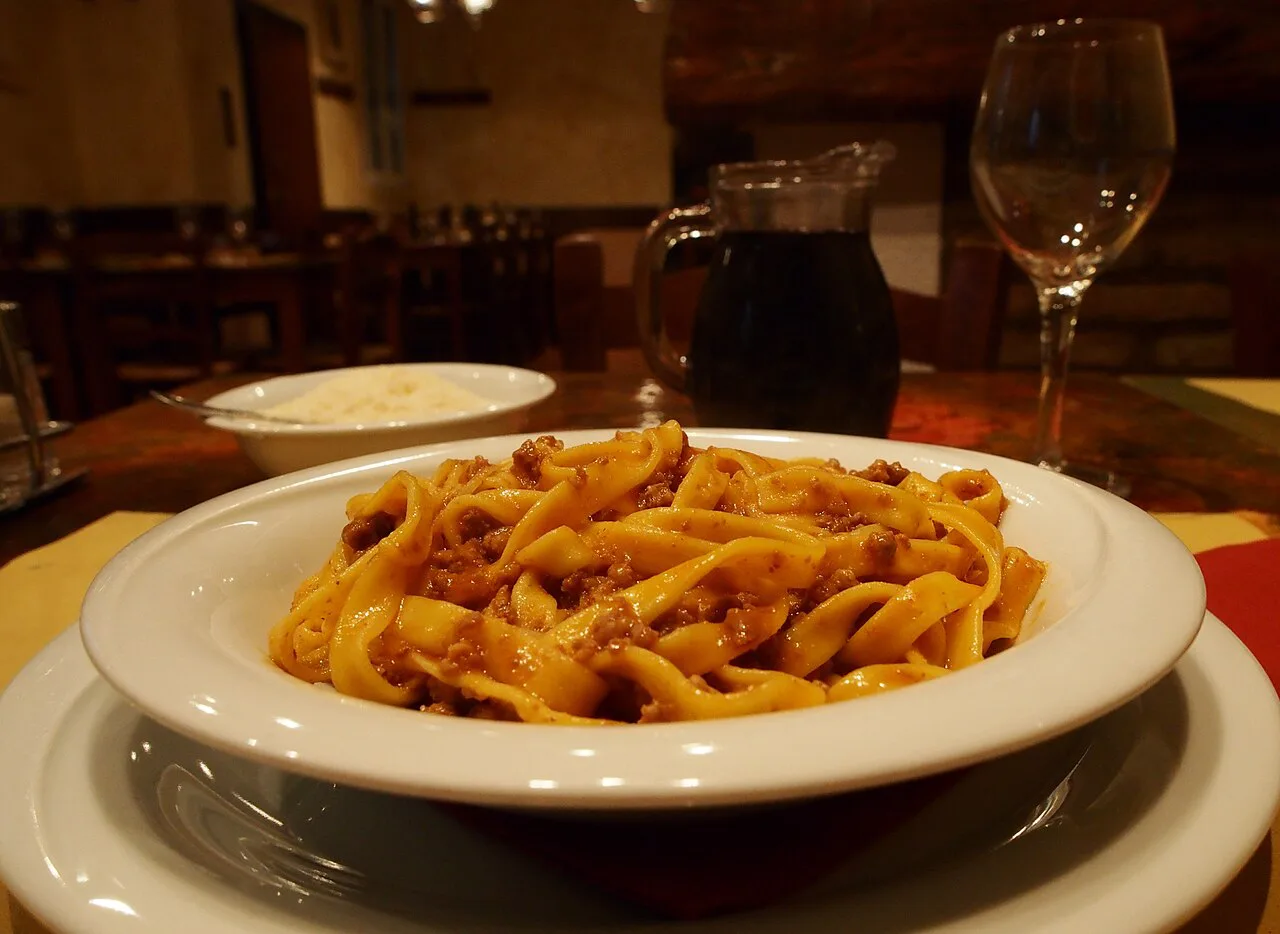
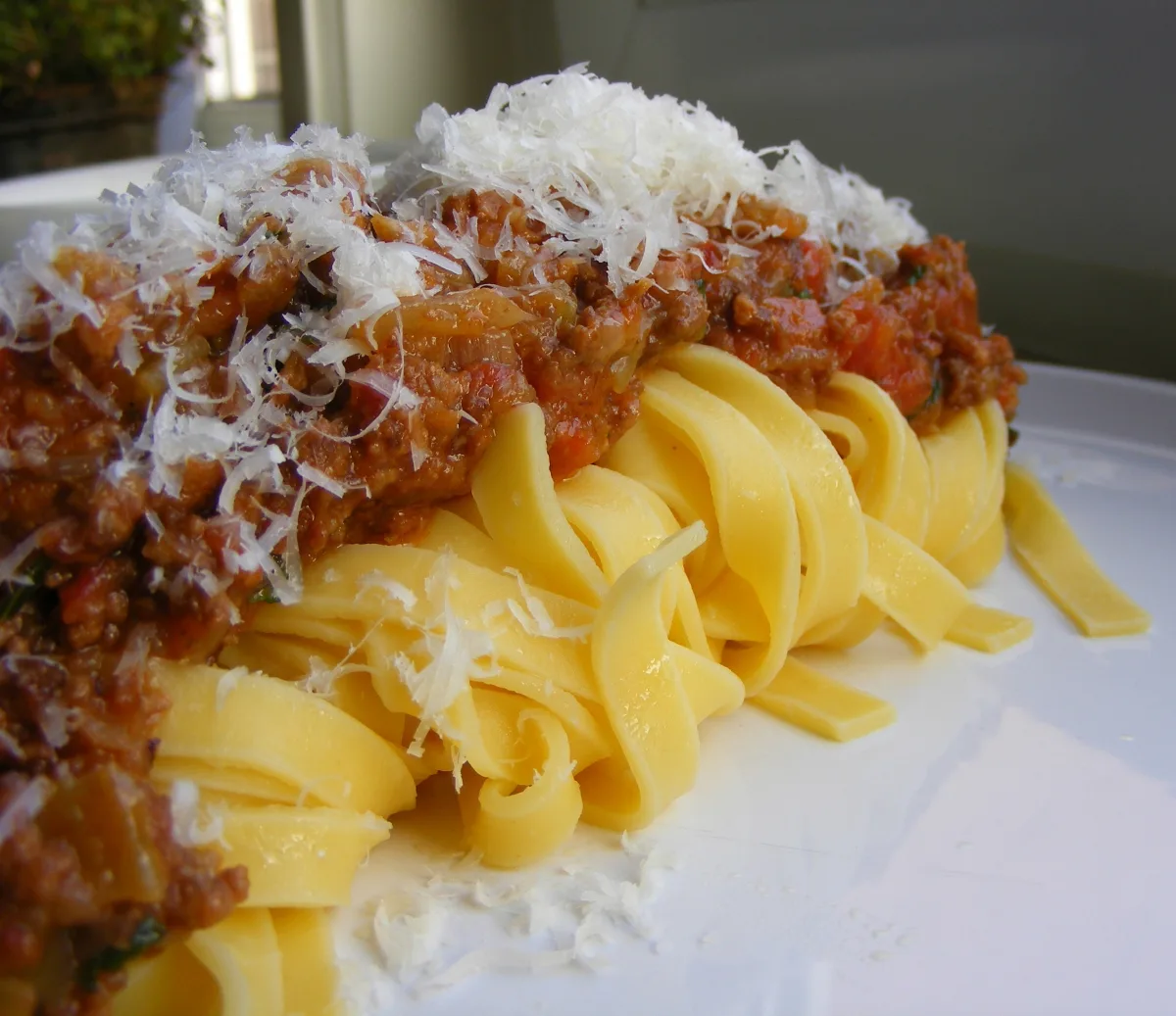
Portions tend to follow the Italian sequence rather than the British one, so a trattoria meal is normally antipasto, primo, secondo and perhaps fruit or a sweet, with the pasta plate arriving as its own course. If you have been ordering a pasta each and a main to share, you have been eating more than you intended.
The dishes to order: scacce, caciocavallo ragusano and local pastries
Order scacce first. These are rounds of dough folded over a filling and baked or fried; local writing describes the scaccia ragusana as having moved from a home recipe to a modern street food, which tells you it is everyday eating here rather than a speciality staged for visitors. Eat one warm, standing or at a table, and treat it as an antipasto or a light lunch rather than a first course.
Caciocavallo ragusano is the cheese to know, a stretched-curd cheese from the province that appears in several stages of ageing, and it is the ingredient behind many of the region's best plates. It turns up as a table cheese with honey, melted over vegetables, or in the semifreddo-style desserts that local kitchens make with semi-aged ragusano and honey from Sicilian black bees, a combination that reads as sweet-savoury and surprises people expecting a conventional pudding. The Ibleo version of caciocavallo is a separate, dry-aged style from the same hills that is worth asking for by name.
Finish with the convent pastries. The 'mpanatigghi of Modica are a pastry filled with a mixture of meat, chocolate and spice, a combination left over from convent baking traditions in the area, and the teste di turco of Scicli are a sweet shaped and named for a turban, so both are regional rather than strictly Ragusa town dishes. A trattoria that carries them is telling you it sources across the province.
If you want to build a meal around the non-savoury side instead, work backwards from the town's pastry and gelato counters and have a smaller lunch. There is a decent spread of pastry shops and gelaterie in both halves of the city.
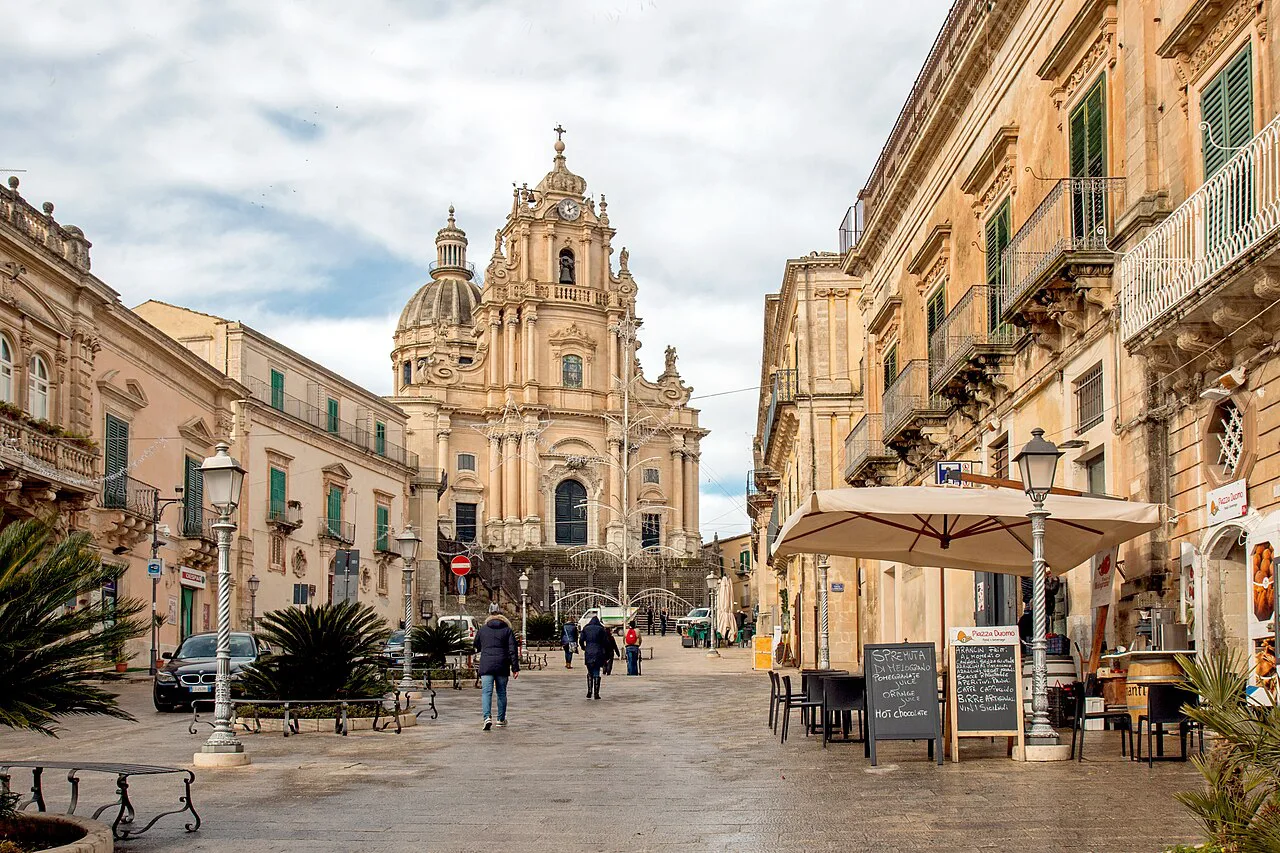
Trattorias listed by the Comune di Ragusa, from the centre to Ibla and Marina di Ragusa
The Comune di Ragusa publishes a trattorie page listing places by name with location and telephone contact, and that list is the most concrete municipal statement of where the plain local places are. It covers the upper centre, Ragusa Ibla (where La Bettola appears at Largo Camerina) and Marina di Ragusa on the coast. Treat it as a directory, not a ranking: inclusion means a trattoria exists and is reachable, not that it is the best table in town, and remember the page was last updated in 2018.
What the list is useful for is orientation. Names such as Da Luigi on Corso Vittorio Veneto sit in the upper town's commercial spine, the Osteria del Braciere is out towards San Giacomo, and Iacono Carmelo and Casaraccio Inn are down at the marina, so you can pick a trattoria that fits the end of your day rather than crossing the city twice. Ragusa Ibla's own entries put you in the baroque quarter where most visitors spend their evening.
Marina di Ragusa is a summer address, so the calculation there is seasonal: a beach day makes a coastal trattoria a natural finish, while in cooler months the marina empties and the two towns up the hill are where the eating is. The municipal listing still shows the marina places, which is a reminder that distance, not opening hours, is the variable you control.
Basilico: a restaurant and trattoria in the historic centre serving meat and fish
Basilico on Via Mariannina Coffa in Ragusa's historic centre is the clearest example of the hybrid you meet all over the province: it calls itself a ristorante and trattoria, serves both meat and fish, and runs lunch and dinner in a dining room and an outdoor area set into the baroque street. It is open all day, which makes it a practical option when a normal Italian lunch service does not fit your schedule.
The kitchen itself states that it cooks the typical cuisine of the province of Ragusa, adjusting dishes to the season and to what local suppliers have. Read the menu for what is actually being cooked that week rather than taking the website's word for it.
Because it is in the centre rather than Ibla, Basilico works well when you are eating before or after walking the upper town, and it is the sort of place where the trattoria half of the label shows in the cooking and the restaurant half in the setting. Order the fish if the day's delivery has been good, and the meat and cheese plates when it has not.
I Banchi in Ragusa Ibla and the Ciccio Sultano connection
I Banchi, in Ragusa Ibla, is the bakery-dining hybrid run by Ciccio Sultano, the chef whose Ragusa restaurant Il Duomo is the town's best-known kitchen. Local coverage describes I Banchi as a pret-a-manger in Ibla, a format that suits a grazing lunch of bread, cheese and cooked dishes rather than a long dinner.
It is worth being clear about category here, because I Banchi is not a neighbourhood trattoria with a handwritten card and a slow-cooked ragù. Its draw is bread, pastry and cooked dishes from a serious kitchen in a casual room, and local coverage notes that a pizzeria project with Pasqualino Rossi has also been part of the picture, so the offer has moved around over the years; check the menu posted on the day.
Use it as a bread-and-lunch stop rather than the centrepiece of a Ragusa evening, and put it alongside the other Ibla addresses if you want a picture of the quarter's food; the Best Restaurants in Ragusa guide covers the lower town.
Should you eat in Ragusa centre or Ragusa Ibla?
Ibla is the prettier half and the one where visitors concentrate; that brings the atmosphere and, with it, menus pitched at people passing through. The upper town, Ragusa Superiore, is where the city actually works, so trattorias there tend to cook for locals on ordinary evenings and the prices and portions reflect it. Neither is automatically better, and the honest answer is to plan one dinner in each.
The practical tie-breaker is transport and gradient. Ibla sits in a hollow below the upper town and the walk back up is steep and partly stepped, so a late meal there means either a long climb or a car; book accordingly if mobility is an issue. If you are eating in Ibla, arrive on foot or by taxi and walk down first in daylight to find the table.
A third option is the coast. Marina di Ragusa gives you fish and a seafront setting at lunchtime in summer, and then you return to one of the two towns for the evening. Families and anyone driving tend to prefer this arrangement because parking near Ibla is the awkward part of any Ragusa evening.
How a Ragusa trattoria meal works: ordering, courses and paying
Sit down, take the menu, and expect to order in courses rather than all at once; a trattoria will often bring the antipasti and only take your pasta order once you have finished, so do not fight the rhythm. If everything reads as unfamiliar, ask what is made that day, because the seasonal kitchens change their list and the answer is more honest than the printed page. Bread and a small cover charge are normal in this part of Sicily; the exact amount is stated on the menu or bill.
House wine by the quarter or half-litre is the usual accompaniment to a trattoria meal here, and the Iblei hills around Ragusa produce a good deal of it, including the Frappato grape that gives the area's reds their lightness. Drink modestly alongside food rather than as the point of the evening.
For coffee, the Italian habit applies: at the bar the done thing is to pay at the till first and hand the receipt to the barista, which is quicker than waiting for a bill. At a table you pay at the end, and cash is still welcome in smaller places even where cards are taken.
Booking and timing a table for lunch or dinner
Book Ibla and the bigger centre rooms ahead, especially for Friday and Saturday evenings and during August, when Sicilians take their own holidays and the coast fills up. For a plain trattoria in the upper town, walking in early, not at nine o'clock, is usually enough. A phone call the same afternoon is the realistic move.
Lunch is the meal to protect. Ragusa treats lunch as a real sitting, and kitchens that serve both lunch and dinner close the gap in the afternoon, so a 3pm arrival can find nothing cooking. Aim for one o'clock and treat dinner as starting at eight in the evening.
If you are leaning toward a seafood evening at the marina or a specific dish you have read about, ring ahead and ask rather than assume; fish availability changes daily along this coast.
Which half of Ragusa should get your dinner?
Give Ibla one evening for the setting and the names, and give the upper town or Marina di Ragusa another for the plain trattoria cooking that represents the province: the scacce, the ragusano, an honest plate of pasta. If you only have one night, choose Ibla and go down early on foot.
Use the Comune's trattorie list to identify a working local place and the Ibla names when you want the full evening out. That mix, rather than a search for the single best table, is how Ragusa eats well.
Explore more Ragusa food guides
Frequently Asked Questions
Do I need to book a trattoria in Ragusa?
For Ragusa Ibla and the larger centre restaurants, especially at weekends and in August, it is worth ringing a day or two ahead. For the plain trattorias listed by the Comune in the upper town, a same-day call or an early arrival usually works, because turnover is quicker and tables are less contested.
What is a scaccia and how do I eat it?
A scaccia is a stuffed flatbread, filled with savoury ingredients and then baked or fried. Eat it warm as a starter or a light lunch; in Ragusa it began as a home recipe and is now everyday street food.
Is Ragusa Ibla more expensive than Ragusa centre?
Ibla draws visitors and its menus are pitched at people passing through, so compare a couple of cards at the door before sitting down rather than guessing. Prices are on the menu in both halves of the city, so you can see what you are paying before you commit.
Sources
Notes for your next meal in Italy
Optional updates to our food guides.
You might also like
Continue reading
More guides you'll find useful