Cooking Classes in Ragusa: Which One to Book
Cooking classes in Ragusa range from a three-hour agriturismo lesson to a two-hour class with a six-course dinner. Compare what each teaches and who it suits.
On this page
Book the Ragusa cooking class that matches what you want to cook rather than the one with the shortest drive. The three main options divide cleanly: a three-hour agriturismo lesson building a full Sicilian menu that you then eat, a three-hour chef-led session at a rural hotel ending in a set lunch, and a two-hour class near Vittoria on pasta, scacce and arancini that finishes with a six-course dinner. The choice comes down to the dishes, the meal at the end and how far you are willing to drive from the city.
The venues sit outside Ragusa itself: the agriturismo just outside Ispica, the Eremo on the road to Marina di Ragusa and the Baglio near Vittoria, so each class shapes a half-day rather than an evening in the centre. If you are still sorting out the rest of your eating in the city, our guide to the best restaurants in Ragusa covers where to eat between classes.
What a cooking class in Ragusa usually involves
Expect hands-on preparation rather than a demonstration from a seat: the classes here put you to work on a menu, with an apron, recipes to take away and a meal at the end. The formats range from a three-hour lesson that produces a full menu of antipasti, a first course, a second and a dessert, to a two-hour session focused on doughs and fried snacks with dinner to follow. Groups are small, and the Sicilying listing for the agriturismo lesson sets a minimum of two participants.
The cooking is built around the south-east corner of Sicily, so the dishes you make are the ones you will meet in Ragusa's own bakeries and trattorias. The scaccia ragusana, a thin layered bread-dough flatbread with a filling, is a lunch-counter staple in these parts: layered dough, folded and baked, somewhere between a stuffed focaccia and a pie. Learning to make one gives you a way to read the bakeries for the rest of the trip, and our guide to the Scaccia Ragusana explains the styles and fillings.
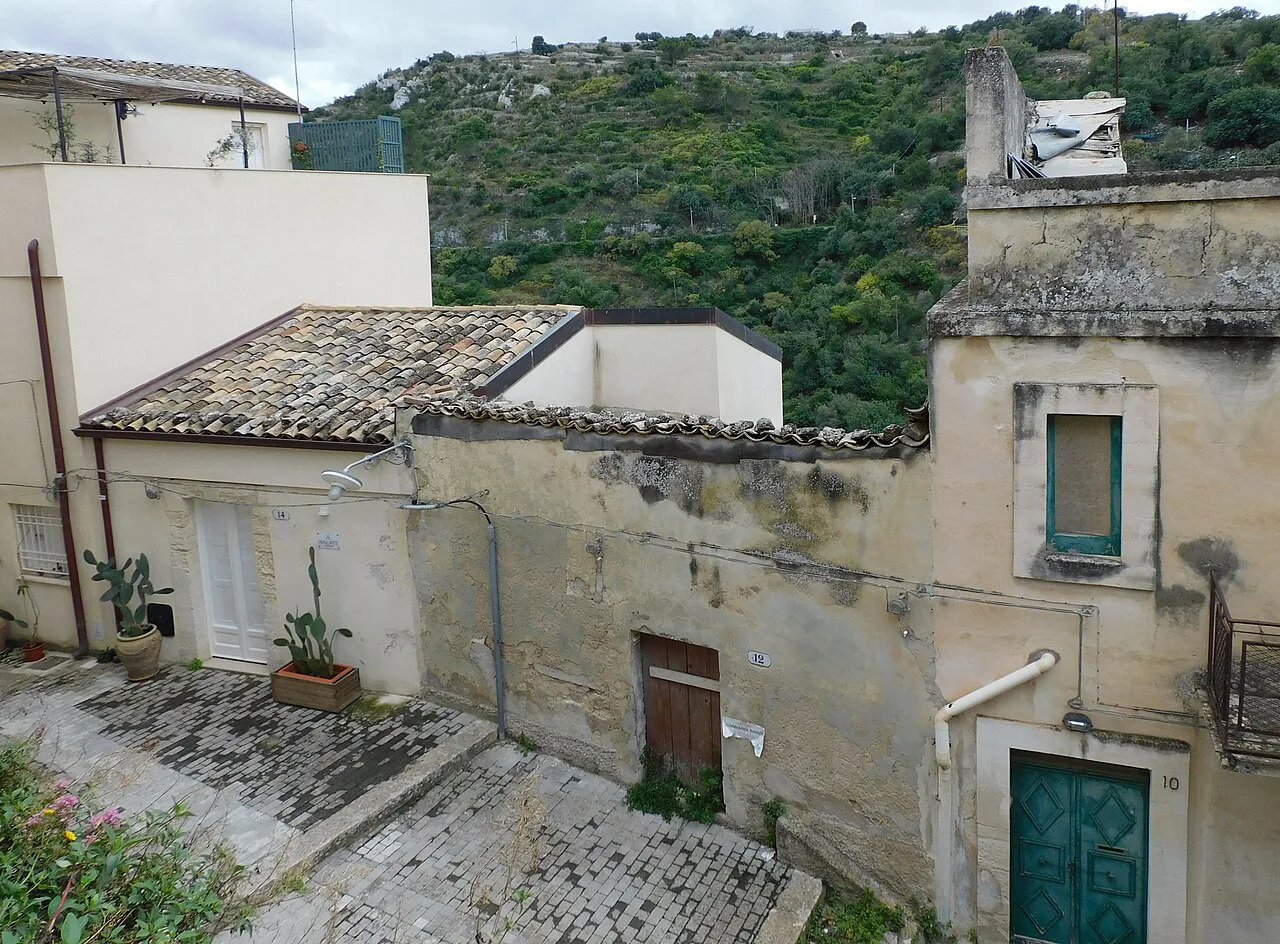
Sicilian cooking class at an agriturismo near Ispica: a full menu and a tasting
This is the most structured of the three, and the best fit if you want to leave knowing how a whole Sicilian meal is put together. Held in an old rural house turned agriturismo in the Iblean countryside, the class is led by Signora Nella, who explains the menu before everyone starts, then hands out aprons and recipe booklets. You prepare two antipasti, a first course, a second course and a dessert, and finish by eating what you made.
The example menu is a useful snapshot of the local repertoire: caponata of vegetables, tomato focacce in the Ragusan tradition, ricotta ravioli with caratelli, pork stew with sausage and cassatine di ricotta for the sweet. In plain terms, that is a sweet-and-sour aubergine and vegetable dish, small filled pasta, a slow-cooked pork stew, and little ricotta cakes. Drinks, the apron, the recipe booklet and a certificate of participation are included, and the class runs about three hours.
The practical catch is language: the lesson is taught in Italian by default, and the English version is a paid extra you select when booking. Non-Italian speakers should add it, because the teaching is conversational and the signora's explanations of technique are most of the value. The Sicilying page lists the class at 94 euros per participant, with start times of 10:00 and 16:30.
Eremo della Giubiliana: three hours with the chef and a set lunch
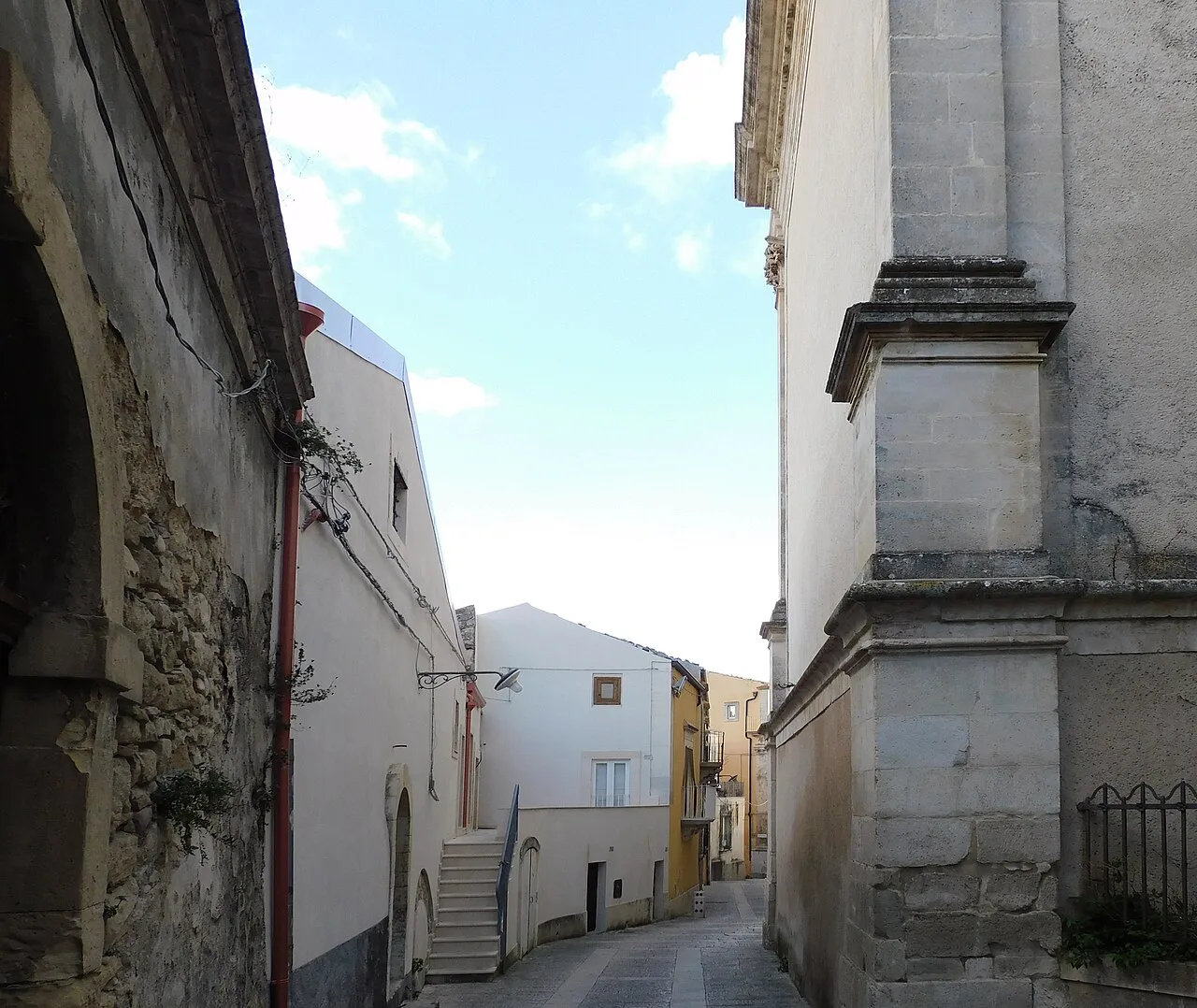
The class at Eremo della Giubiliana is the one to choose if you want a chef's kitchen and a polished lunch rather than a farmhouse table. It runs three hours in the property's kitchen and centres on the recipes of the Iblean aristocracy, using organic Mediterranean ingredients, and the experience closes with a full lunch. The site describes the menu in three versions, vegetarian, meat and fish, each priced per person: 120 euros vegetarian, 140 euros meat and 160 euros fish.
That pricing makes it the most expensive of the three and the clearest treat: the fish menu costs more than the vegetarian by a wide margin, so decide in advance whether the seafood is worth it to you. The property sits on the road to Marina di Ragusa along the SP 25, which puts it on the seaside side of Ragusa rather than in the baroque centre.
Baglio Occhipinti near Vittoria: pasta, scacce and a six-course dinner
Baglio Occhipinti, an organic farm estate outside Vittoria, runs its classes as an evening ritual rather than a straight lesson. The format opens with a glass of wine and a walk in the vegetable garden to pick what you will cook, then roughly two hours of hands-on work, then a six-course dinner at a table reserved for the class. The welcome glass and the dinner are included; drinks with dinner are not.
The dishes lean towards dough and frying: fresh pasta in several shapes including ricotta ravioli, tagliolini and cavati, scacce ragusane baked in a wood oven, arancini, and a separate sweet course on cannoli. If the pasta and the fried snacks are what you came for, this is the class that spends its time there. It also suits anyone who would rather finish with a long dinner than a tasting plate.
The trade-off is distance and timing: Vittoria lies west of Ragusa, so the class makes an evening out of the countryside and you need a plan for getting back. The dinner is six courses, so the two hours of cooking are only the first half of the night.
What the classes teach: caponata, scacce ragusane, ravioli di ricotta, arancini, cannoli
Across the three, the syllabus covers most of the dishes you will want to recognise on a Ragusa menu. Caponata is the sweet-sour aubergine and vegetable dish served at room temperature as an antipasto; cassatine di ricotta are small glazed ricotta cakes; arancini are the fried rice balls, celebrated in these parts and mentioned by Baglio Occhipinti by way of Camilleri's Montalbano stories. Ravioli di ricotta appear at both the agriturismo class and the Baglio, which tells you how central fresh ricotta pasta is to the local kitchen.
If your interest runs to bread and baked goods rather than restaurant courses, the scacce and the wood-oven focacce are the through-line. Both the agriturismo class and the Baglio make a version, one described as tomato focacce in the Ragusan tradition and the other as scacce ragusane baked in the wood oven.
Class length, group size and whether lunch or dinner is included
Length is where the three differ most usefully. The agriturismo class and the Eremo session both run about three hours including the meal, while the Baglio runs two hours of cooking and then a six-course dinner on top, so the evening is considerably longer. The agriturismo class needs a minimum of two participants, which makes it the easier one to join as a couple.
On food, all three feed you, but not in the same way: the agriturismo class is a tasting of the menu you prepared, the Eremo is a full lunch with a choice of vegetarian, meat or fish menu, and the Baglio is a six-course dinner with a welcome glass. Check what the price covers before you compare them, because the Baglio excludes drinks at dinner while the agriturismo class includes them.
Language: which classes run in English and what it adds
Only the Sicilying agriturismo listing is explicit about language: the lesson is in Italian, and English is an extra selected at the point of purchase. If your Italian runs to kitchen vocabulary, the base class is fine; if not, budget for the supplement rather than spending three hours nodding. The Eremo and Baglio pages present their classes on English-language pages, but the teaching language is worth confirming when you book.
Where the venues are: Ispica, Marina di Ragusa and Vittoria relative to Ragusa
None of the three is in the city centre, so treat each as a half-day with travel attached. The agriturismo sits just outside Ispica, about 30 kilometres from Ragusa and 55 from Syracuse, which makes it the natural stop if you are moving between the two. Eremo della Giubiliana is the closest to Ragusa, out along the SP 25 for Marina di Ragusa, and Baglio Occhipinti is the furthest, out near Vittoria.
If you are based in Ragusa Ibla, the baroque lower town, the Eremo is the simplest to fit around a day of walking the centre. The Ispica class works better if you are heading south or east afterwards, and the Baglio only makes sense as a deliberate evening out west.
Which class fits your trip
Choose the agriturismo near Ispica if you want a full Sicilian menu, a farmhouse setting and a tasting at the end, and add the English supplement unless your Italian is solid. Choose Eremo della Giubiliana if you want a chef's kitchen, a proper seated lunch and the shortest journey from Ragusa, and pick your menu version when you reserve. Choose Baglio Occhipinti if pasta, scacce and arancini are the draw and you would rather finish with a long dinner in the countryside. Check current prices and dates directly with the school you pick before booking.
Whichever you pick, book ahead and treat the class as the main meal of that part of the day, since all three end with substantial food. Then use the rest of your time in the city for the trattorias, the pastry counters and the rest of the Ragusa eating scene.
Which Ragusa cooking class should you book?
Book the three-hour agriturismo class near Ispica if you want a whole menu and a tasting, the Eremo session if you want a chef and a set lunch close to the city, and the Baglio if you want pasta and scacce with a six-course dinner to finish. All three teach real local dishes rather than a generic Italian menu, which is what makes the choice worth thinking through.
Decide first on the dishes and the meal, then on the drive, and you will end up with the class that fits your day rather than the one that simply came up first. The city's restaurants are still there for the other evenings, and our pick of the best restaurants in Ragusa covers them.
Explore more Ragusa food guides
Frequently Asked Questions
Do you need to speak Italian to take a cooking class in Ragusa?
The agriturismo class near Ispica is taught in Italian, with an English version available as a paid extra chosen when you book. The other venues present their classes on English-language pages, and it is worth confirming the teaching language when you reserve.
Do cooking classes in Ragusa include a meal?
All three feed you, but differently. The agriturismo class ends with a tasting of the menu you prepared, the Eremo della Giubiliana session finishes with a full lunch, and Baglio Occhipinti ends with a six-course dinner.
How long does a cooking class in Ragusa last?
The agriturismo class and the Eremo session each run about three hours including the meal. Baglio Occhipinti runs roughly two hours of cooking followed by a six-course dinner, so the whole evening is longer.
Sources
Notes for your next meal in Italy
Optional updates to our food guides.
You might also like
Continue reading
More guides you'll find useful