Best Pasta in Bologna: Which Local Shapes to Try
Bologna's pasta means egg sfoglia, tortellini in brodo and tagliatelle al ragù. Here is what each shape is, how it is served and where to eat it.
On this page
The best pasta in Bologna is the fresh egg pasta of the city itself, and the dish to order first is tortellini in brodo, small filled rings served in a clear meat broth. Tagliatelle al ragù and lasagne alla bolognese follow close behind, all made from sfoglia, the thin sheet rolled with a mattarello, a long wooden rolling pin. This guide explains the local shapes, what each one is and where in Bologna to eat them or learn to make them.
Pasta here is a first course, primo, eaten before a second of meat or fish, and it is almost always made with eggs and soft wheat flour rather than durum wheat and water. That gives a richer, more fragile sheet that suits butter, broth and slow-cooked sauces. The places below are the guide's picks: a tortellini restaurant, a pasta workshop that supplies restaurants and an established sfoglia school.
What pasta is Bologna known for
Bologna's signature is pasta fresca, fresh pasta, made from eggs and flour and rolled by hand into sfoglia. The city's canon is short: tortellini, tagliatelle, lasagne, tortelloni and the curious local gramigna, a short curled shape. A pasta maker in the region describes making sfoglia with the mattarello as an art that only experience gives, which is why the city's pasta is associated with the sfogline, the women who roll it.
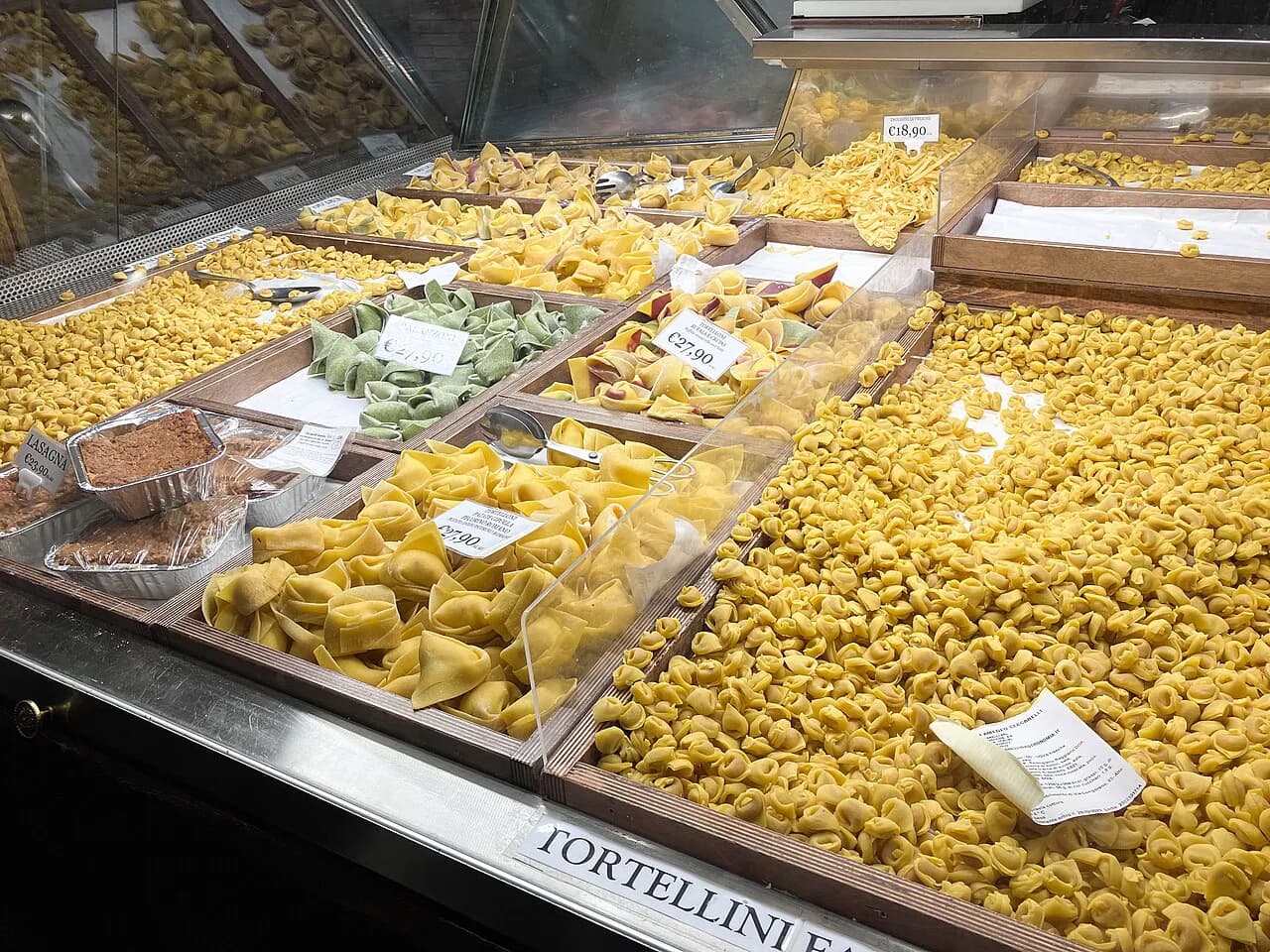
The filled shapes carry the most local meaning. Tortellini are tiny and go in broth, tortelloni are larger and served with butter, sage or a sauce, and cappelletti are the larger filled pasta of Emilia-Romagna commonly served in broth. Ordering the right one matters, because a plate of tortelloni with sage is a different meal from a bowl of tortellini in brodo.
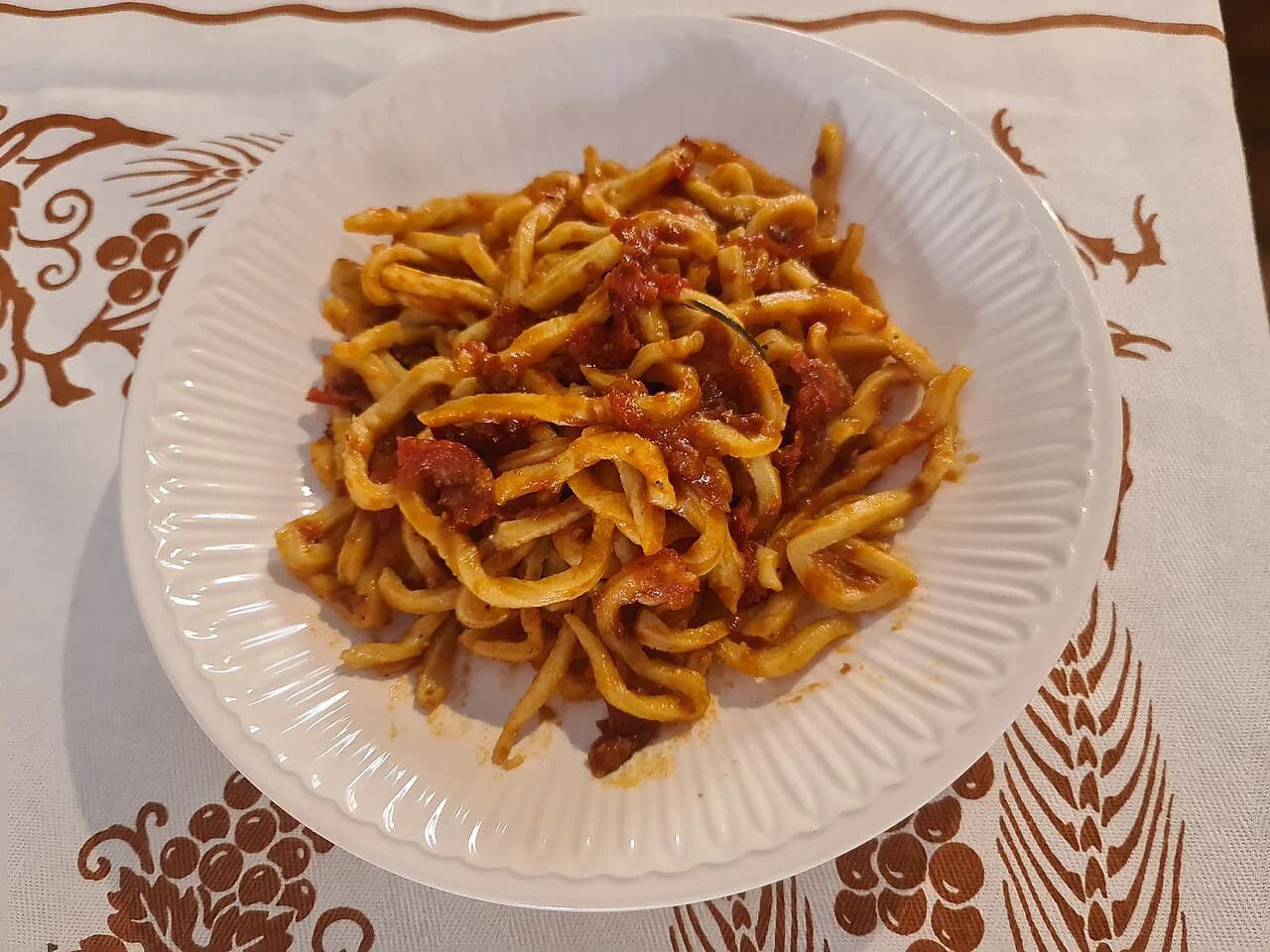
The sauces are equally specific. Ragù alla bolognese is a slow meat sauce built on soffritto, and it belongs with egg tagliatelle rather than spaghetti. Gramigna alla salsiccia, the curled pasta with crumbled sausage, is the other dish to look for on a Bolognese menu.
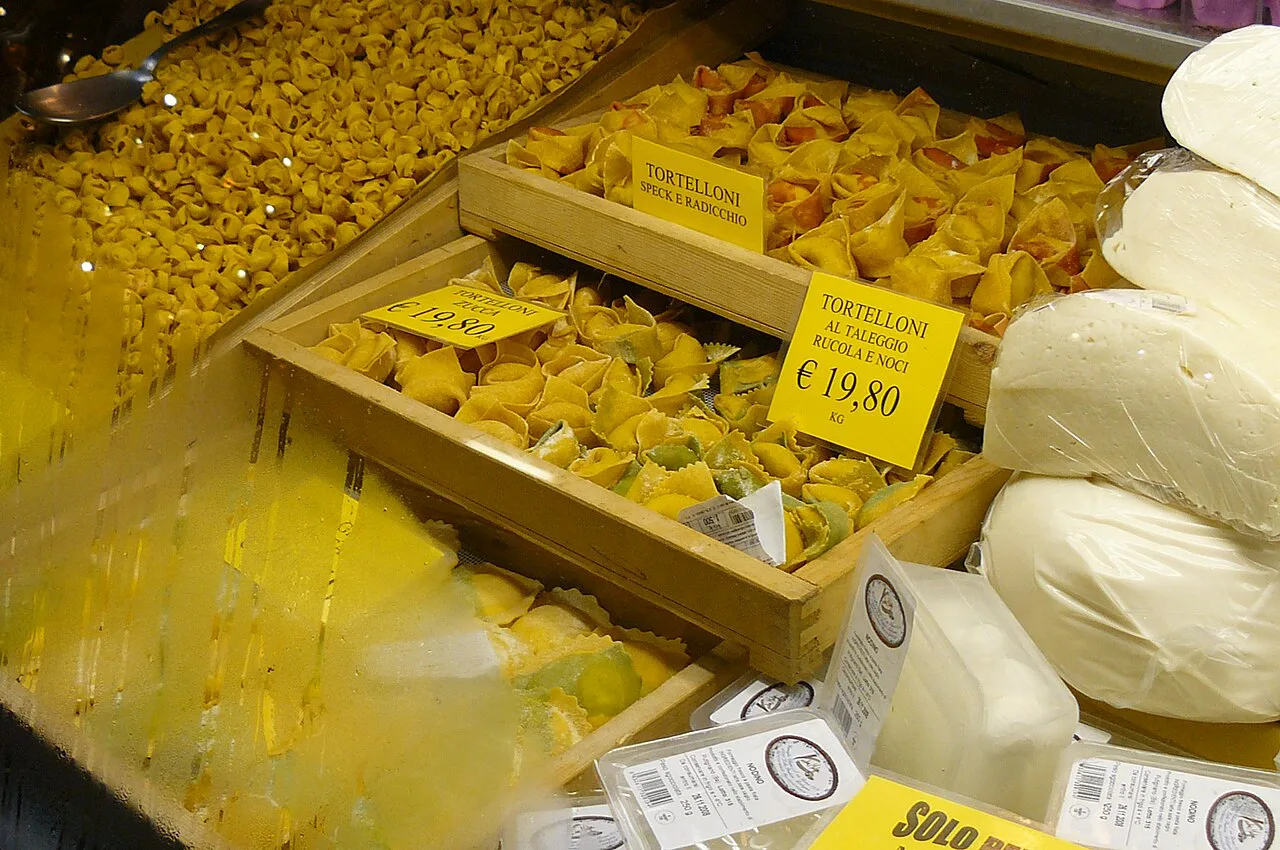
The shapes to order: tortellini, tagliatelle, lasagne and gramigna
Tortellini are the smallest of the filled shapes, and they are eaten in brodo or, less traditionally, with cream. The origin of the tortellino is told as a legend contested between Modena, Bologna and Castelfranco Emilia, so treat any single claim of birthplace as a story rather than a fact.
Tagliatelle are long flat ribbons of egg pasta, traditionally rolled out and cut by hand, and they are the correct partner for ragù alla bolognese. Lasagne alla bolognese layers green egg sfoglia, made with spinach, with ragù and besciamella, a white béchamel sauce, and finishes with grated Parmigiano-Reggiano before baking. The layers are thin and the sauce restrained, not the deep, heavy bake found elsewhere.
Gramigna is a short, curled pasta, and it is most often served alla salsiccia, with sausage. Tortelloni are the bigger filled pasta, served with butter and sage or, on some menus, with porcini and truffle. On a restaurant menu in the city you will also meet tortelli, a larger filled pasta, and pappardelle, the broad ribbon that suits game sauces.
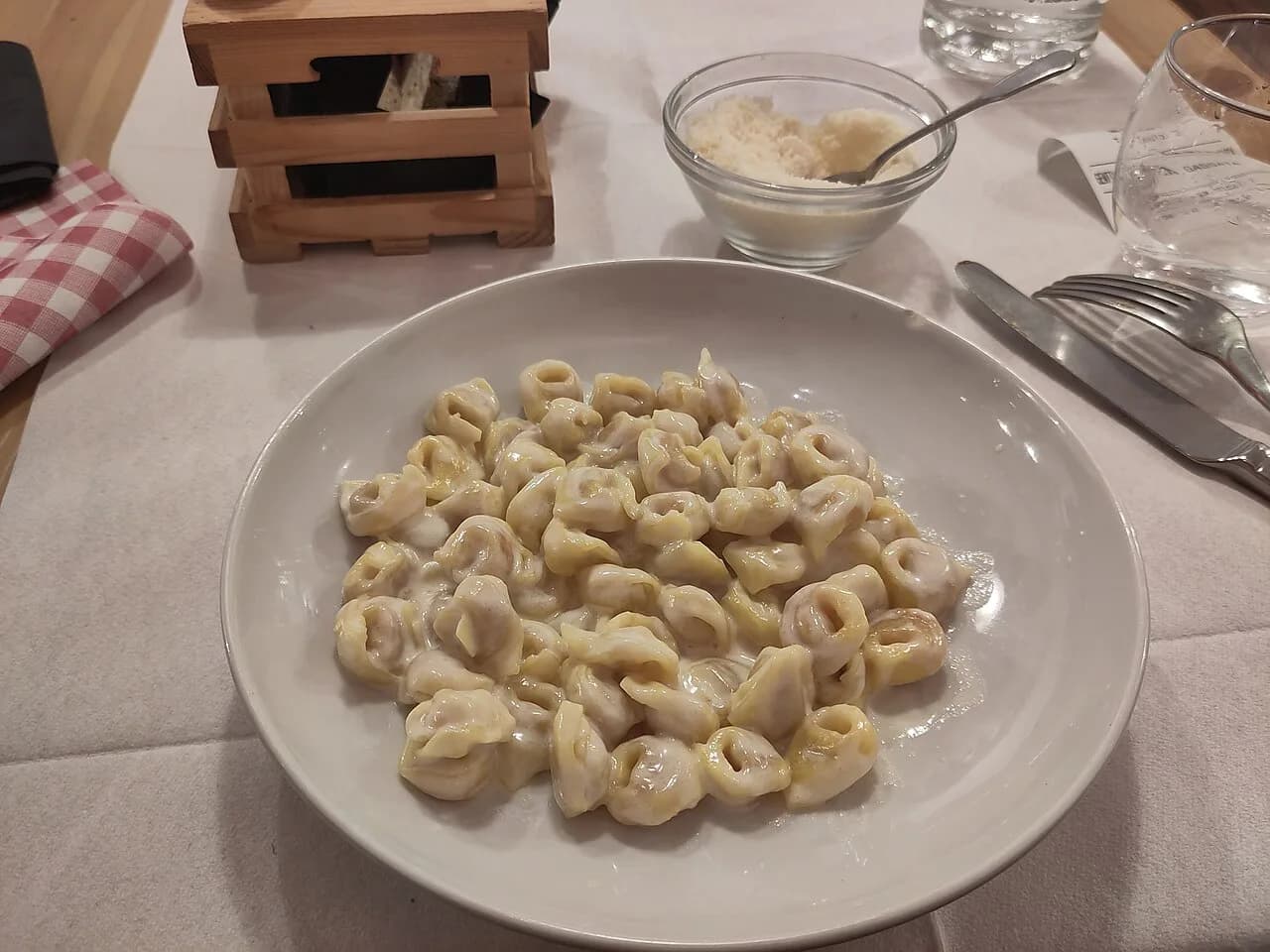
Tortellini in brodo: what it is and when it is served
Tortellini in brodo is a clear meat broth with a handful of small filled tortellini floating in it. It is a winter dish and a festive one, and it is the most Bolognese thing on any menu. The broth should be light and the pasta should still be firm, so it is a dish that rewards a kitchen making its own sfoglia.
Cannelloni and lasagne also appear on the menus of kitchens the city's pasta workshops supply, made with the same hand-rolled egg pasta. Beyond tortellini, that range runs from tagliatelle al ragù through gramigna with sausage to filled tortelli, giving a fair picture of what a pasta-focused Bolognese kitchen serves. Truffle dishes can change price with market and season, so ask the staff before ordering rather than expecting a fixed figure.
If you only eat one pasta dish in Bologna, make it this one. It shows the egg pasta and the broth at once, and it is far less rich than the cream and butter sauces that follow. A small portion is enough before a second course.
Tagliatelle al ragù: what ragù alla bolognese actually is
Ragù alla bolognese is a slow-cooked meat sauce with onion, carrot and celery, usually beef and pork, a little tomato and often milk or cream at the end. It is not a tomato sauce with mince added, and it is not served with spaghetti in Bologna. The sauce clings to the rough surface of fresh egg tagliatelle, which is why the pairing is fixed.
A good plate arrives glossy rather than swimming, with the pasta and sauce tossed together rather than sauce spooned on top. Ask for it as tagliatelle al ragù and you will get the local dish, not the tourist version. Parmigiano Reggiano is grated at the table, and a little is enough.
Where to eat tortellini and fresh pasta in Bologna
Ristorante Danilo e Patrizia is a tortellini-focused restaurant on Via del Pilastro, in the city's eastern periphery, where the kitchen makes filled pasta by hand daily. The menu covers tortellini in brodo, tortellini alla panna, tagliatelle al ragù, gramigna alla salsiccia and tortelli with truffle, and the kitchen offers corn pasta in place of the menu pasta for diners with intolerances. It closes on Mondays.
For the wider map of where to sit down with a plate of pasta, our guide to trattorias in Bologna covers the osterie and family kitchens worth your evening. Trattorias in the city tend to run a short printed menu of primi and secondi rather than a long tourist card, and that is a good sign. Book ahead for weekend dinners, when the small rooms fill quickly.
La Pasta di Bologna is a fresh-pasta workshop based at Molinella, outside the city, that supplies hand-rolled pasta to restaurants and catering and also runs sfoglia courses and events. It is a useful reference point for the shapes described here, but it is a production and teaching workshop rather than a city-centre shop.
Pasta courses and sfoglia schools if you want to make it yourself
VSB Bologna, the school run by Alessandra Spisni, teaches sfoglia across courses that range from a single day to a professional path, with separate sessions on lasagne and tortellini. Its recipe archive, covering tortellini, lasagne alla bolognese, gnocchi and more, is a free primer before you book.
La Pasta di Bologna runs its own sfoglia courses for professionals and amateurs, taught by working sfogline, and also organises show cooking and team-building sessions. If you would rather learn in a smaller kitchen setting, our guide to cooking classes in Bologna sets out the options.
How pasta is ordered and served in a Bolognese trattoria
Pasta is a primo, served before the secondo of meat or fish, and portions are sized accordingly. A plate of tortellini in brodo followed by a cutlet or a plate of mortadella is a normal Bolognese lunch. If you order two primi and skip the second, nobody will mind, but the kitchen may assume you are sharing.
Many trattorias add coperto, a small per-person charge for bread and cover, and some add servizio, a service percentage, on top. Both should appear on the menu, so read it before ordering rather than querying the bill. Tipping is not expected beyond rounding up, and paying by card is normal in the city's sit-down restaurants.
Ordering at the counter is a different routine from a trattoria table. In a café, pay at the till first and take the receipt to the bar, which is how coffee and a quick lunch work across Bologna. In a restaurant, staff will bring the bill when you ask for it, and splitting it between cards is usually fine.
What to drink with a plate of pasta
A light red from the hills around Bologna, such as a Sangiovese di Romagna, suits ragù and lasagne without overwhelming them. For tortellini in brodo, many locals drink water or a glass of white, because the broth is delicate. Keep it simple and order a glass rather than a bottle if you are moving on afterwards.
Aperitivo is a separate ritual, usually a spritz or a glass of wine with a few snacks in the early evening, not a pre-pasta course. If you want a soft drink, acqua frizzante, sparkling water, is common on tables. Coffee comes after the meal, and a caffè is an espresso unless you ask otherwise.
Common mistakes when ordering pasta in Bologna
The first is asking for spaghetti bolognese. The dish does not exist here; tagliatelle al ragù is what you want, and asking for the local name will get you a better plate. The second is confusing tortellini with tortelloni, which turns a delicate broth dish into a large plate with butter and sage.
The third is treating pasta as a main course and ordering a secondo on top without checking portion size. A plate of lasagne is filling, and a bowl of tortellini in brodo is not; match the rest of the meal to the first course. Finally, do not skip the filled pasta because it sounds heavier than tagliatelle, since tortellini in brodo is among the lightest things on a Bolognese menu.
Which Bologna pasta dish should you order first?
Start with tortellini in brodo, because it is the dish that best explains Bologna's egg pasta and it leaves room for a second course. Follow it on another day with tagliatelle al ragù and a plate of lasagne alla bolognese, and book a sfoglia course if the folding is what interests you most.
For the wider eating plan, the guide to trattorias in Bologna fills in the osterie and family rooms around these dishes. Keep the names straight, order the local shape and the city's pasta makes sense on the first plate.
Explore more Bologna food guides
Frequently Asked Questions
What is the most famous pasta from Bologna?
Tortellini are the shape most associated with Bologna, traditionally served in a clear meat broth as tortellini in brodo. Tagliatelle al ragù and lasagne alla bolognese are the other dishes the city is known for.
Do you eat tortellini with cream or in broth?
In Bologna the traditional serving is in brodo, a clear meat broth, especially in winter. Tortellini alla panna, with cream, is also on menus and is the richer option, so choose broth for a lighter first course.
Can you learn to make sfoglia in Bologna?
Yes. VSB Bologna, Alessandra Spisni's school, runs sfoglia courses from a single day to a professional path, and La Pasta di Bologna teaches hand-rolling for amateurs and professionals on its own courses.
What is the difference between tortellini and tortelloni?
Tortellini are small and usually served in broth, while tortelloni are larger filled pasta served with butter and sage or a sauce. They are different dishes on the menu, so check which one you are ordering.
Sources
Notes for your next meal in Italy
Optional updates to our food guides.
You might also like
Continue reading
More guides you'll find useful