Street Food in Bologna: What to Eat and Where to Find It
Street food in Bologna means mortadella cones, tigelle filled to order, piadina and fried tortellini. Here are the snacks to order and the counters to head for.
On this page
Street food in Bologna fits into a short walk: a mortadella cone, a couple of tigelle and a folded piadina will see you through a morning of porticoes without committing to a restaurant table. The snacks are built from the same larder as the city's pasta plates, so a counter stop is a taste of Bologna rather than a compromise. This guide explains each snack in plain English, names the counters to look for and covers how ordering and paying work.
The counters named below are individual addresses rather than a single market, so plan them as two or three separate stops. Pacing matters: two or three small items are plenty before lunch, and the fried tortellini is a one-off rather than a meal. If you would rather sit down with a full plate of pasta, the trattorias in Bologna are the better plan for the evening.
What counts as street food in Bologna
In Bologna, street food is mostly bread, cured pork and fresh cheese rather than the fried snacks of the south. The signatures are mortadella, tigelle and crescentine (small griddled breads), piadina (a thin folded flatbread) and tortellini served to eat on the move. The joining thread is a handful of ingredients of real quality, eaten standing up.
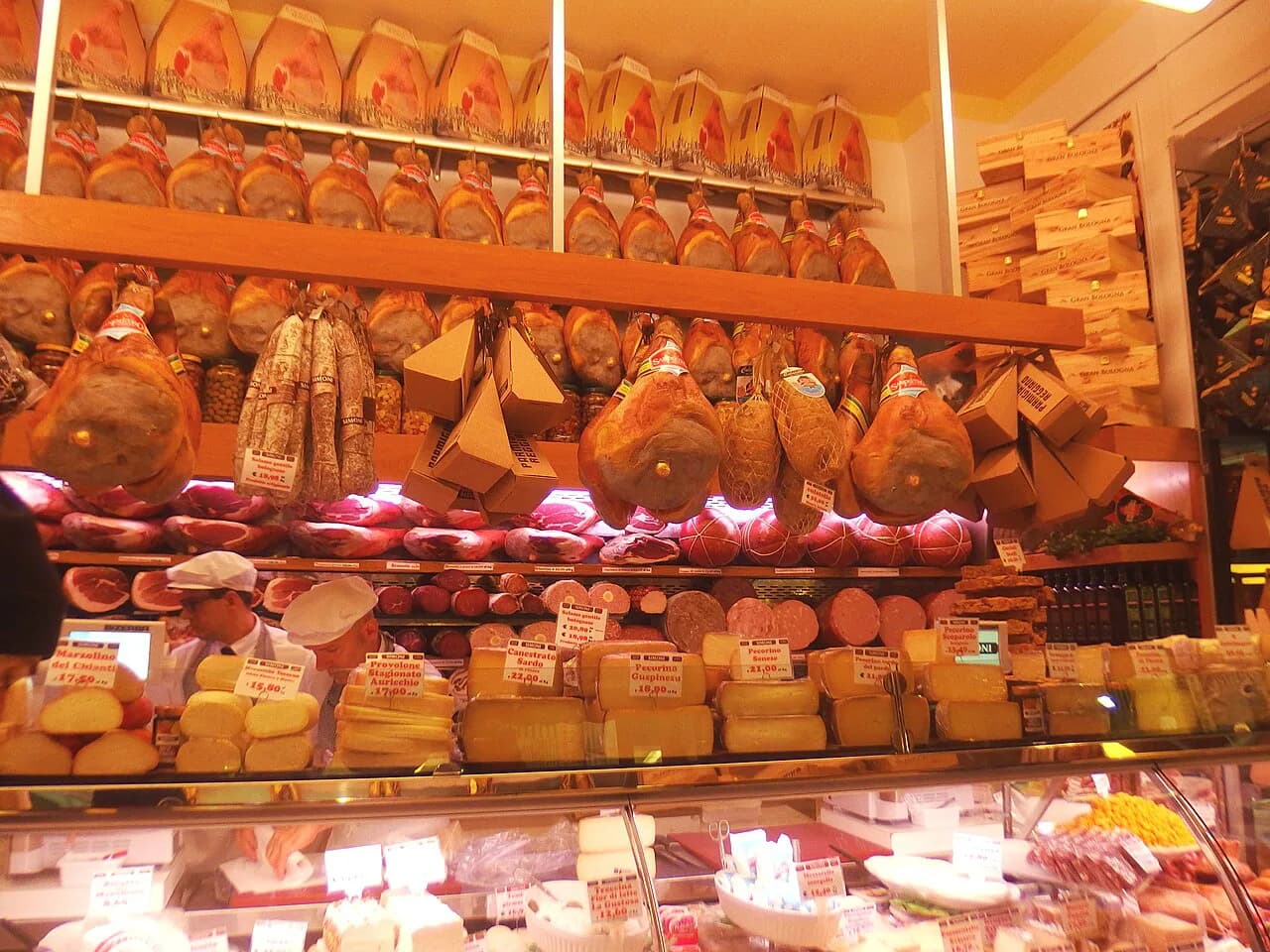
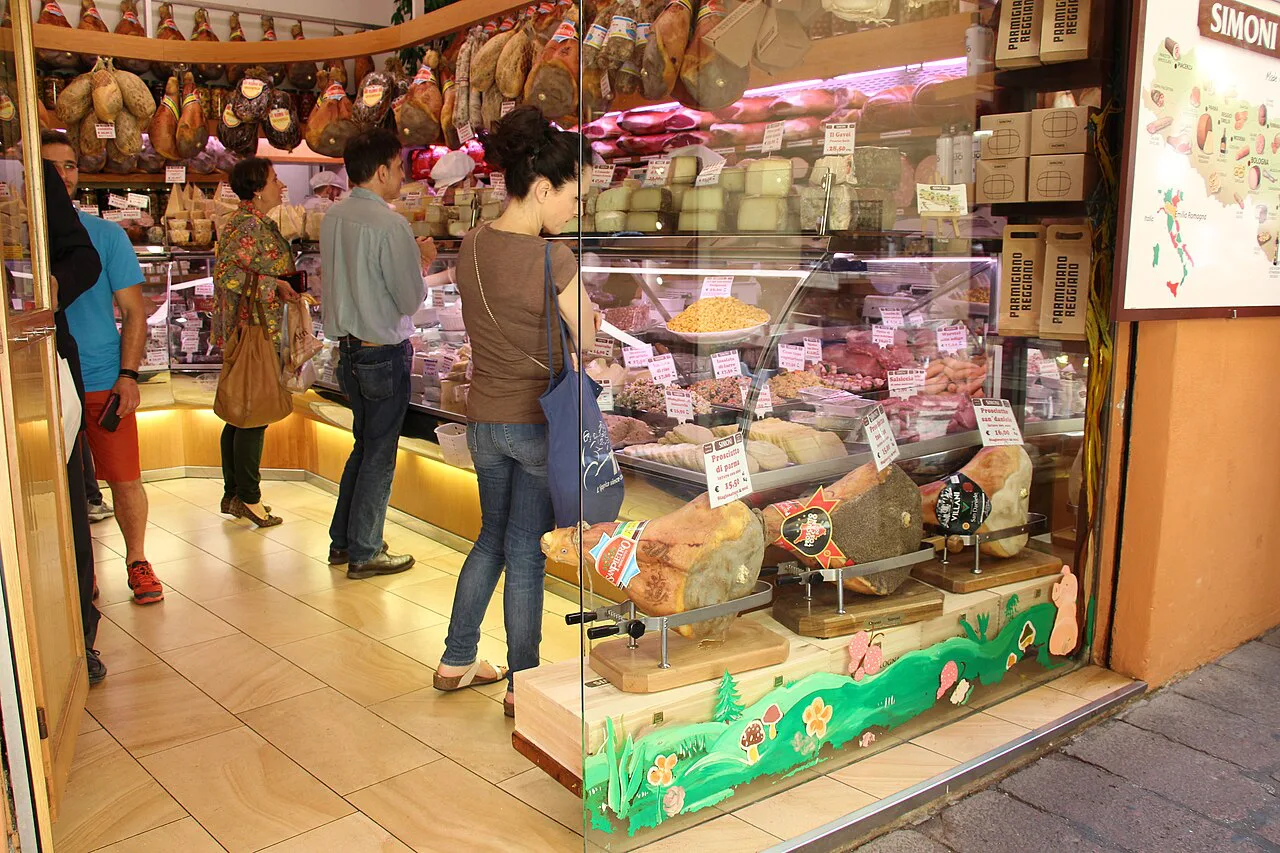
Mortadella is the city's most famous cold cut, a pale pink cured pork studded with fat and often pistachio, so it appears in some form on almost every street food menu. It is light and soft, quite unlike the baloney it gets compared to abroad, and it works best when cut thick rather than shaved. That matters for the cone, where the meat needs body to hold the cheese.
Squacquerone is a tangy, fresh, spreadable Italian cheese, and it is the reason some of these snacks cannot travel: it is too perishable to leave Italy. Expect it spooned generously into cones and flatbreads, where its acidity cuts through the fat of the pork. Ask for it by name if a menu lists fillings you do not recognise.
Mortadella: the cone with squacquerone and pistachio at Murtadela
Murtadela serves the snack that best sums up the city: a paper cone packed with thick pieces of mortadella, smothered in squacquerone and finished with crushed pistachio. You order from the sidewalk at a street counter, which makes it the fastest possible introduction to Bologna's larder.
Several flavour combinations are offered, so the mortadella-and-squacquerone version is a starting point rather than the only choice. The cone format is the trade-off: no seat, no plate, and a portion built for walking with. Take it as an aperitivo-hour stop or a midday bridge to a later lunch rather than as a meal.
Tigelle and crescentine: griddled breads filled to order
Tigelle, also called crescentine, are small rounds of dough cooked on a griddle and split to hold a filling. They look a little like an English muffin but eat denser, with a crunch from the griddle, and they are filled to order with cured meats, cheeses or, for a sweet finish, chocolate spread. Tigellino is another Bologna counter for them — the piece below places it next door to Murtadela — and its sandwich menu runs from lard and rosemary to basil, garlic, rocket and parmesan.
The size is deceptive: tigelle are small but dense, so order conservatively and add more if you are still hungry. Pick two fillings rather than a long list so you actually taste the bread, which is the point. The same dough heritage turns up on menus as crescentine, so do not assume you are being offered a different dish when the name changes.
Piadina: the folded flatbread and how to choose a filling
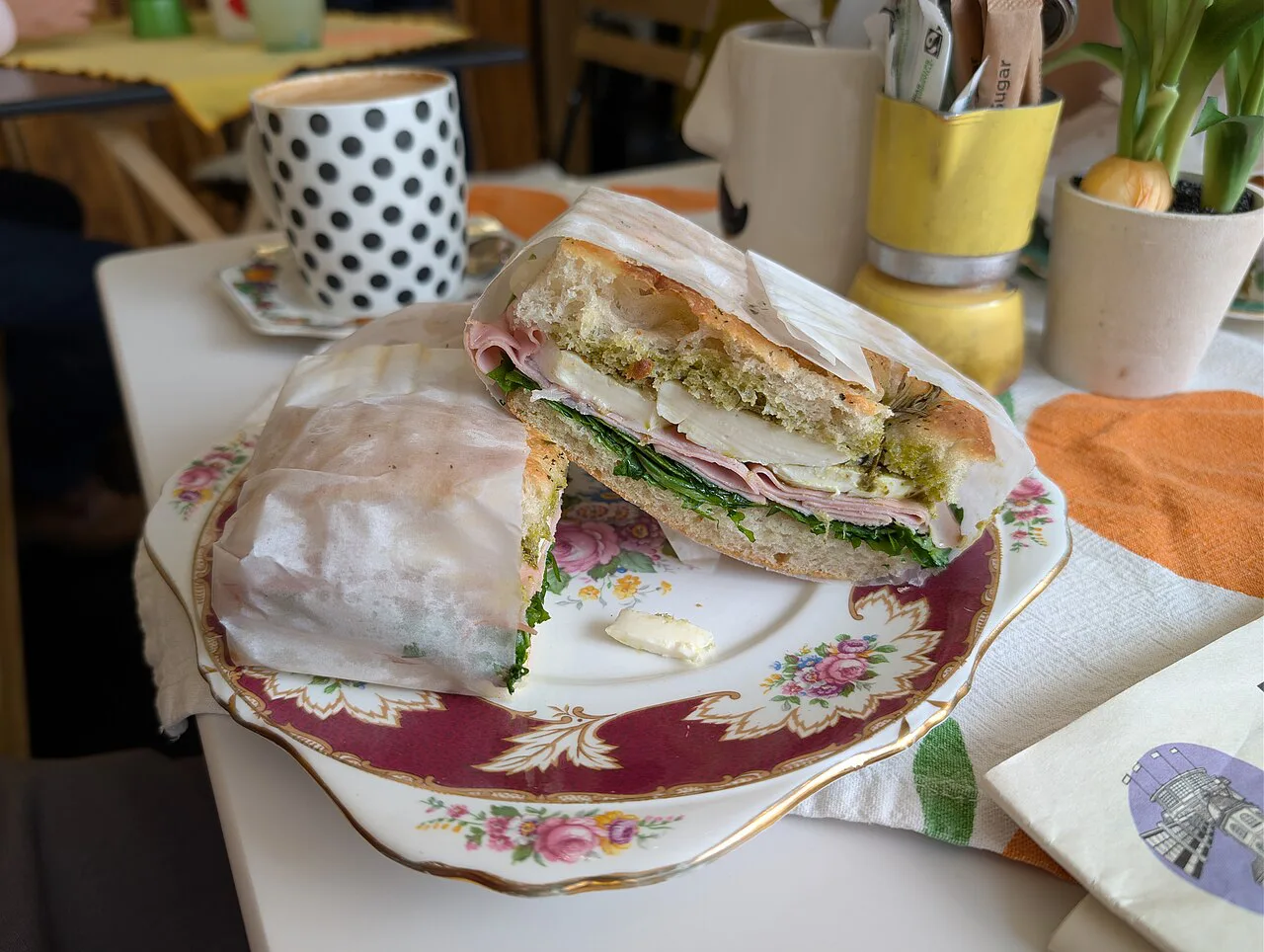
Piadina is a thin flatbread, filled, folded and heated so the cheese melts inside. At the piadina counter mentioned below you can choose thick or thin breads, and there are vegetarian options alongside the cured meat fillings. The result runs from light and fresh to rich and rustic depending on what you ask for.
For a first piadina, keep it simple: a soft cheese such as squacquerone with a green vegetable or a slice of cured pork lets the bread show through. Ordering one with everything inside produces a heavier, greasier snack that is harder to eat standing up. If you are already full from tigelle, split one with whoever you are eating with.
Fried tortellini at Eataly and why it divides opinion
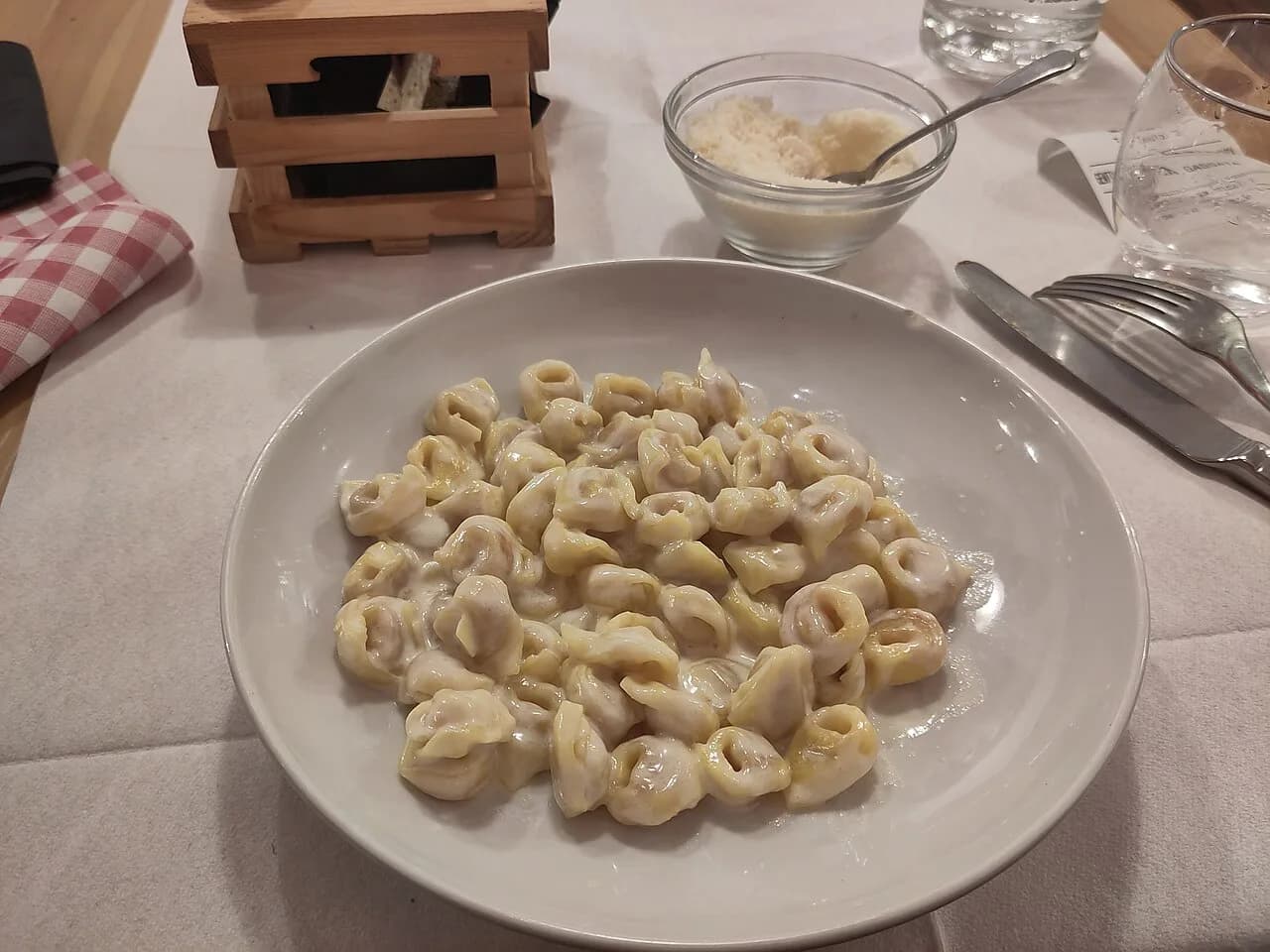
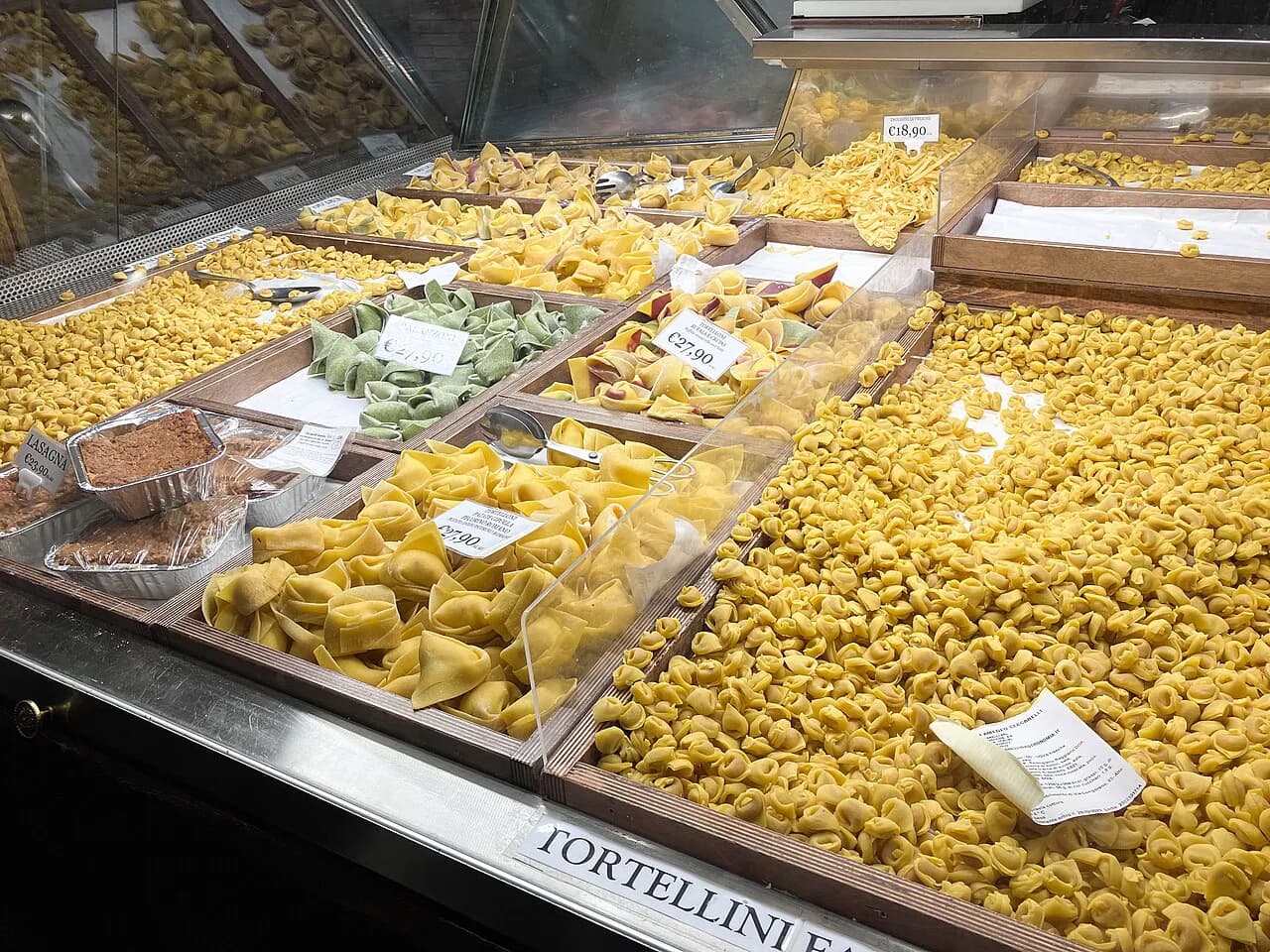
Eataly fries fresh tortellini, turning the city's most careful pasta into finger food, and it is among the most sought-after street snacks in Bologna. It is also locally controversial: frying a filled pasta that is normally treated with reverence strikes some as a waste of good tortellini. That tension is the reason to try it once — the filling still reads clearly through the crisp shell.
Eat them on their own rather than dunking them in sauce, so the filling comes through, and take a small portion because they are rich. Elsewhere in the city, some places have turned fresh pasta into walking food, but the classic version remains a sit-down plate of tagliatelle al ragù. If this is your only fried item of the trip, it earns its place.
How to order and eat at a Bologna street food counter
These stops are set up for eating on your feet: you order at the counter, wait for your order and eat it where you stand or nearby. Portions are built for one hand, so do not plan to eat a cone and a piadina at the same time. If the shop has a few stools, they are worth taking for the fried items that need two hands.
Carry a little cash for smaller counters, and ask for extra napkins before you start: squacquerone is a soft cheese, so eat the cone over the wrapper. None of this is formal dining: the whole ritual from ordering to finishing takes minutes.
Where to find these snacks
Murtadela, Tigellino and a piadina counter are clustered closely enough that you can move between them on one short walk, which makes them the most efficient way to try three snacks in a morning. Bologna also has a Palestinian kebab shop, Ciao Kebab in via Centotrecento, which Gambero Rosso named a regional champion for street food, as reported locally. It is a different register from the pork-and-cheese classics, and a useful option if you want something hot and non-pork.
Kiosks open and close around the city, and pop-ups appear in parks and courtyards, so a fixed address list dates quickly. That makes knowing the categories more useful than pinning a day to one counter: look for mortadella, tigelle and piadina on menus and you will find the right kind of place.
What to drink with Bologna street food
A small glass of Lambrusco, the local sparkling red, is the traditional match for mortadella and tigelle: its fizz and acidity cut the fat and refresh the palate between bites. Water is the sensible alternative when you are still walking between stops, and the strong coffee belongs at the bar after you have eaten rather than alongside a cone.
A spritz at a café works as a pre-dinner pause rather than part of the snack stop, and the mixed drinks are generally light. Keep the alcohol moderate if you are driving. When you do stop for coffee, order and pay at the bar rather than sitting down at a table.
Which two snacks to try first
Start with a mortadella cone at Murtadela and a couple of tigelle at Tigellino, since the two together cover the city's defining ingredients: cured pork, fresh cheese and griddled bread. Add fried tortellini at Eataly if you want the argument, and keep piadina for a lighter second day. That leaves room for a proper plate of pasta in the evening.
If you want to learn how these snacks are made rather than just eat them, cooking classes in Bologna cover fresh pasta and the local larder. Otherwise, treat the counters as a moving lunch and let the walk between them do the work.
Explore more Bologna food guides
Sources
Notes for your next meal in Italy
Optional updates to our food guides.
You might also like
Continue reading
More guides you'll find useful