Cooking Classes in Bologna: How to Choose One
Cooking classes in Bologna teach sfoglia, tortellini and local sauces. Compare school formats, class lengths and price levels before you book.
On this page
Pick your class by the skill you want to leave with, not by the menu photo. A short hands-on pasta session suits a first visit; a full professional fresh-pasta course is a longer commitment and a different decision entirely. This guide separates those formats, maps the schools that publish their own programmes and explains what each price tier covers.
Bologna is the right city for this because the local pasta tradition is a technique, not a recipe. Bologna Welcome describes sfoglia, the egg-dough sheet, as being rolled strictly with a mattarello, the long wooden rolling pin, and that single detail tells you most of what a good class will teach.
What a Bologna cooking class actually teaches
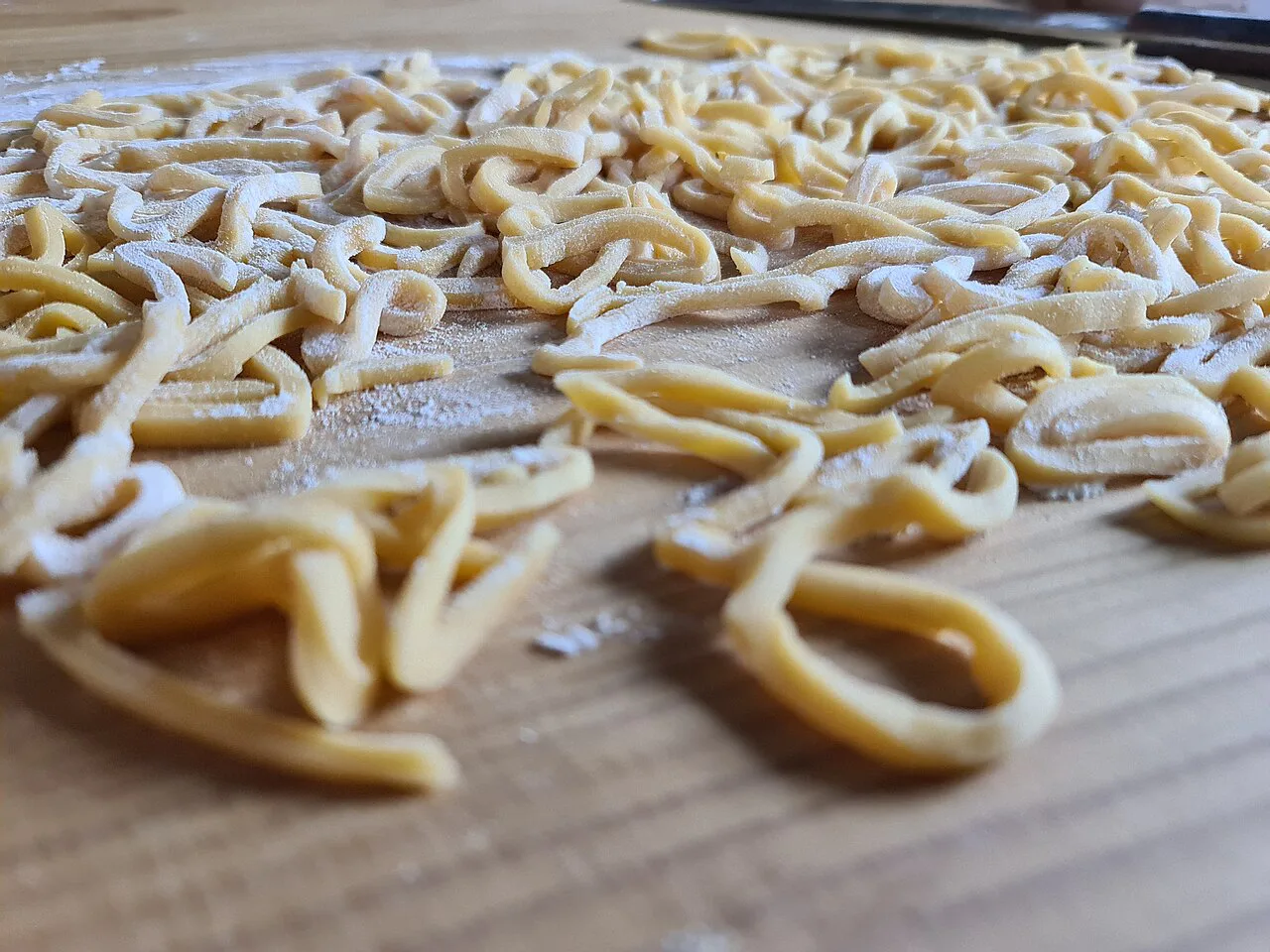
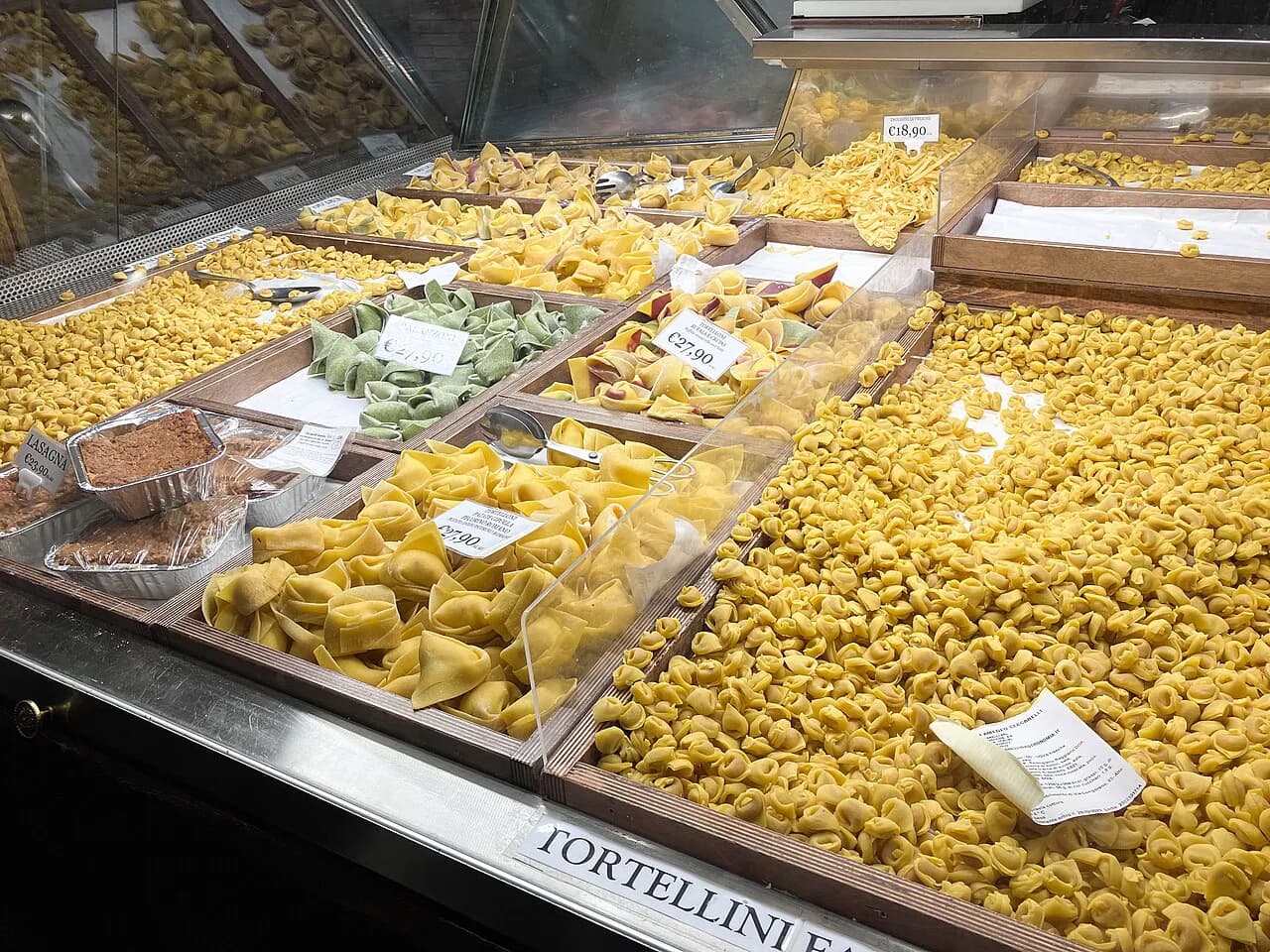
Expect your hands in flour. The core skill is sfoglia, the thin egg-dough sheet rolled out with a mattarello, then cut or filled depending on the class. From there the syllabus usually splits: tagliatelle and other ribbon shapes, or filled pasta such as tortellini.
Sauces and local dishes fill out the second half of many sessions. Otto in Cucina publishes its own repertoire through its online shop, which lists tortelloni, ragù alla bolognese, lasagne verdi, passatelli, torta di riso and friggione, a slow-cooked onion and tomato stew, as the dishes it works with. A class built around those dishes teaches you the Bologna kitchen rather than a generic Italian menu.
If ragù is your reason for booking, read up on the sauce first so you know what to look for in the pan. Our guide to tagliatelle al ragù explains the cut-and-sauce pairing that defines the dish, which makes a class on it far easier to judge in advance.
Formats: single sessions, themed courses and professional pasta training
Three formats are on offer, and they are not interchangeable. The first is a hands-on pasta session of a few hours; Bologna Welcome mentions a three-hour cooking class at Bologna Cucina on via del Pratello as an example of the short end. The second is a single-lesson themed course, one evening on a specific dish or cuisine. The third is a professional fresh-pasta course, which runs over a longer calendar and is aimed at people building a skill for work.
Portici Academy splits its programme along exactly those lines. It runs courses for enthusiasts from beginner to advanced level, a separate track for professionals in the restaurant trade, and a professional fresh-pasta course listed in its own calendar. If you are booking a holiday activity, stay in the enthusiast track; the professional course is a different commitment.
Otto in Cucina's published programme shows how granular the themed-course format gets: single lessons on Japanese ramen, Thai cooking, breakfast pastries, gluten-free bread baking and pizza, each taught by a named chef. That structure suits someone who wants one focused evening rather than a broad pasta curriculum.
Historic centre versus kitchens outside it
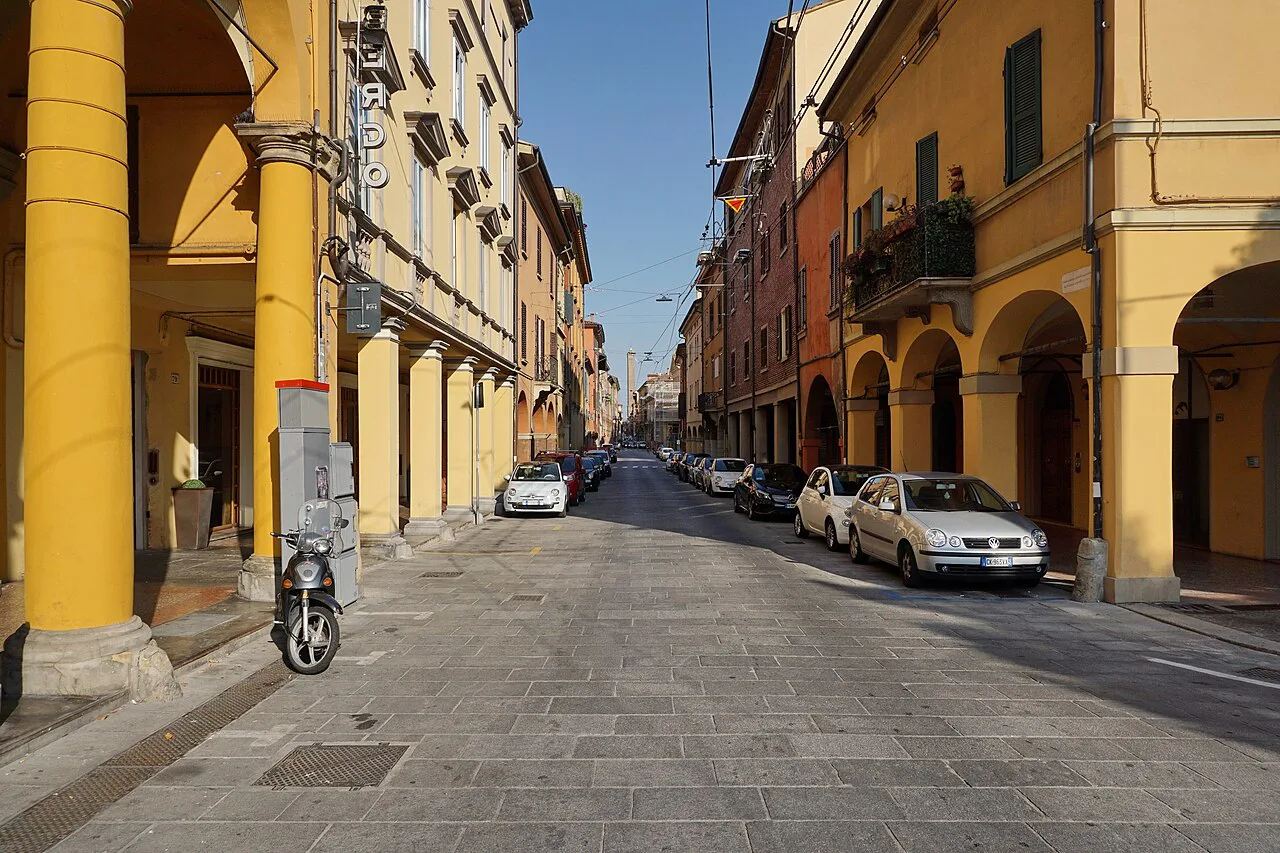
Location matters more than it sounds, because it shapes both the room and the walk to it. Portici Academy sits within sight of the Due Torri, the pair of medieval towers that mark the centre, and its kitchen looks out on them. That is a genuine draw if you want the class to sit inside a day of central Bologna, the same quarter where the trattorias in Bologna cluster.
Otto in Cucina trades the view for space. It sits on Via del Giglio 25/2, in the west of the city, and Bologna Welcome describes it as running its courses in equipped teaching kitchens with an extra teaching garden where herbs and spices are grown for the recipes. A garden attached to the classroom is worth having if your class leans on fresh herbs.
The centre is also dense with alternatives within walking distance. Bologna Welcome points to the Salotto di Penelope on via San Felice, Cesarine's multiple central locations a few steps from the Due Torri, Rita Mattioli on via San Vitale with more than 30 courses split by level and preparation, and the Vecchia Scuola Bolognese founded by Alessandra Spisni. None of these is a single-room operation, so read each programme before choosing.
Choosing by what you want to cook
Start with the dish, then find the class that teaches it properly. If tortellini is the goal, look for a dedicated masterclass rather than a general pasta session, because folding the filled shape is a discrete skill with its own practice time. Portici Academy lists a tortellini masterclass taught in Italian and English as a standalone course.
If you want the everyday Bologna table, look for courses beyond pure pasta. Otto in Cucina's published calendar includes hand-rolled sfoglia and tortellino in a single day, piadine e crescioni, bread shaping and pizza with its variations, so a bread, pizza or filled-pasta bias is easy to satisfy without leaving the city.
Regional cuisines are the other axis. Portici Academy runs a cucine del mondo, or cuisines of the world, course alongside its Italian programme, and Otto in Cucina schedules Japanese ramen, Thai and broader Asian cooking. Book these for interest, not as a substitute for a Bologna pasta class.
Pizza is a recurring theme across both schools, so if that is your priority, compare those specific sessions. Our picks for the best pizza in Bologna give you a benchmark for what a good crust should taste like before you try to make one.
Small groups, children and private bookings
Group size and age range decide whether a class works for your party. Bologna Welcome notes that the Salotto di Penelope runs lessons in the morning and evening and offers cooking courses for children, which is the clearest family option in the city's published selection.
Private and small-group formats are widely available but rarely advertised on a public calendar. Portici Academy arranges customised cooking courses on request for small groups, including tour operators, guides and groups of friends, and runs team-building sessions and hen or stag party formats in the same kitchen. Otto in Cucina likewise lists personalised courses and private events. Ask Portici Academy or Otto in Cucina for a quote rather than assuming the listed course price applies.
Language is the question to settle first if your Italian is limited. Portici Academy explicitly lists its tortellini masterclass as taught in Italian and English, so that session works without Italian. For other schools, including those running the themed single lessons, ask directly whether the instructor teaches in English before you pay.
Price levels: what each tier buys
The schools publish their own figures, and the spread maps roughly onto time and intensity. Portici Academy lists a tortellini masterclass at fifty euros, a cuisines of the world course and a Sunday brunch session at one hundred euros, and a Japanese cooking course at one hundred and thirty euros. Treat these as that school's listed prices, not a citywide range.
Read the tier as a signal of format. The lowest figure buys a focused single-technique session, the middle tier a longer themed course, and the top of that range a course with more ingredients and a more specialised teacher. If a school quotes you well outside the band it publishes, ask what the extra covers before booking.
Prices at other schools differ, so compare like with like rather than chasing the cheapest number. A half-day course with a shared meal is not the same product as a two-hour technique session, and the difference in what you learn is usually larger than the difference in what you pay.
Booking ahead and fitting a class into a food day
Popular dates go. Otto in Cucina marks individual sessions as sold out or down to the last places on its published calendar, which shows how quickly specific lessons fill. Book the class before you fix the rest of your trip, and keep your dates flexible if a particular dish matters to you.
Build the day around the class rather than squeezing it in. A morning pasta session leaves the afternoon free, so you can walk the food streets and markets while the technique is still fresh, then eat the dishes you have just learned about in the evening. That sequence, class first and trattoria second, makes the meal legible.
Keep the rest of the day light on cooking. After three hours at a rolling pin, a long lunch and a wander past the food markets in Bologna is a better use of the afternoon than a second kitchen session, and it gives you a chance to buy the ingredients you now know how to handle.
Which school should you book
Book Portici Academy if you want a class inside the historic centre with the Due Torri in view and a clear published price ladder from fifty to one hundred and thirty euros. Book Otto in Cucina if you want a west-Bologna teaching kitchen with a garden, a granular list of themed single lessons, or a specific dish such as passatelli listed in its repertoire.
For anything else, work from the city's tourist-office selection and match the format to the time you have: a short session if you are in Bologna for a weekend, a themed course if one dish is the draw, and a professional pasta course only if you intend to use the skill at work.
Explore more Bologna food guides
Frequently Asked Questions
What is the most famous dish in Bologna?
Tagliatelle al ragù is the dish most associated with the city, and tortellini in brodo runs it close. Both come from the same sfoglia technique, so a pasta class that teaches the egg dough covers the groundwork for each.
Is there a multi-day cooking class in Italy?
Yes. Portici Academy runs a professional fresh-pasta course over its own calendar, which is the long-format option, as distinct from its single-lesson courses for enthusiasts. Check the current calendar for the dates available when you plan to travel.
Can children join a cooking class in Bologna?
At least one central school offers them. Bologna Welcome lists cooking courses for children at the Salotto di Penelope on via San Felice, which also runs morning and evening lessons for adults.
How far ahead should I book a pasta class?
Book as soon as your travel dates are fixed. Otto in Cucina marks individual sessions as sold out or down to the last places on its calendar, so a specific dish or date can close well before the class runs.
Sources
Notes for your next meal in Italy
Optional updates to our food guides.
You might also like
Continue reading
More guides you'll find useful