Food Markets in Bologna: Mercato delle Erbe and Market Days
A practical guide to food markets in Bologna, from the covered Mercato delle Erbe on Via Ugo Bassi to the neighbourhood farmers' markets and their weekly days.
On this page
For most visitors, the covered Mercato delle Erbe on Via Ugo Bassi is the Bologna food market to build a morning around, because it houses fruit and veg stalls, butchers, fish, cheese, bread and food counters under one roof, open from morning until evening. Use the neighbourhood and farmers' markets when your visit coincides with their weekly day and you want produce straight from small producers.
This guide separates the permanent hall from the once-a-week markets, gives the quarter and day for each so you can judge what is walkable, and lists what is worth buying. Pick by day and location first; reputation is a poor guide when a market only trades on Tuesdays.
Which food markets in Bologna are worth your morning
There are two practical categories. The Mercato delle Erbe is a fixed building in the centre with permanent boxes and shops plus all-day eating, so it works on any day and needs no planning. The outdoor and covered neighbourhood markets, including the Campi Aperti producers' markets, run on set weekdays or weekends in specific quarters, so the day decides whether they are an option.
Start from Piazza Maggiore as your reference point and work outwards to the quarter that suits you. The city tourism board recommends exactly this approach for reaching the market you want. If your base is in the historic centre, the Mercato delle Erbe will usually be the easier of the two; if you are staying in Navile, San Donato or Savena, a local market may be closer than the centre.
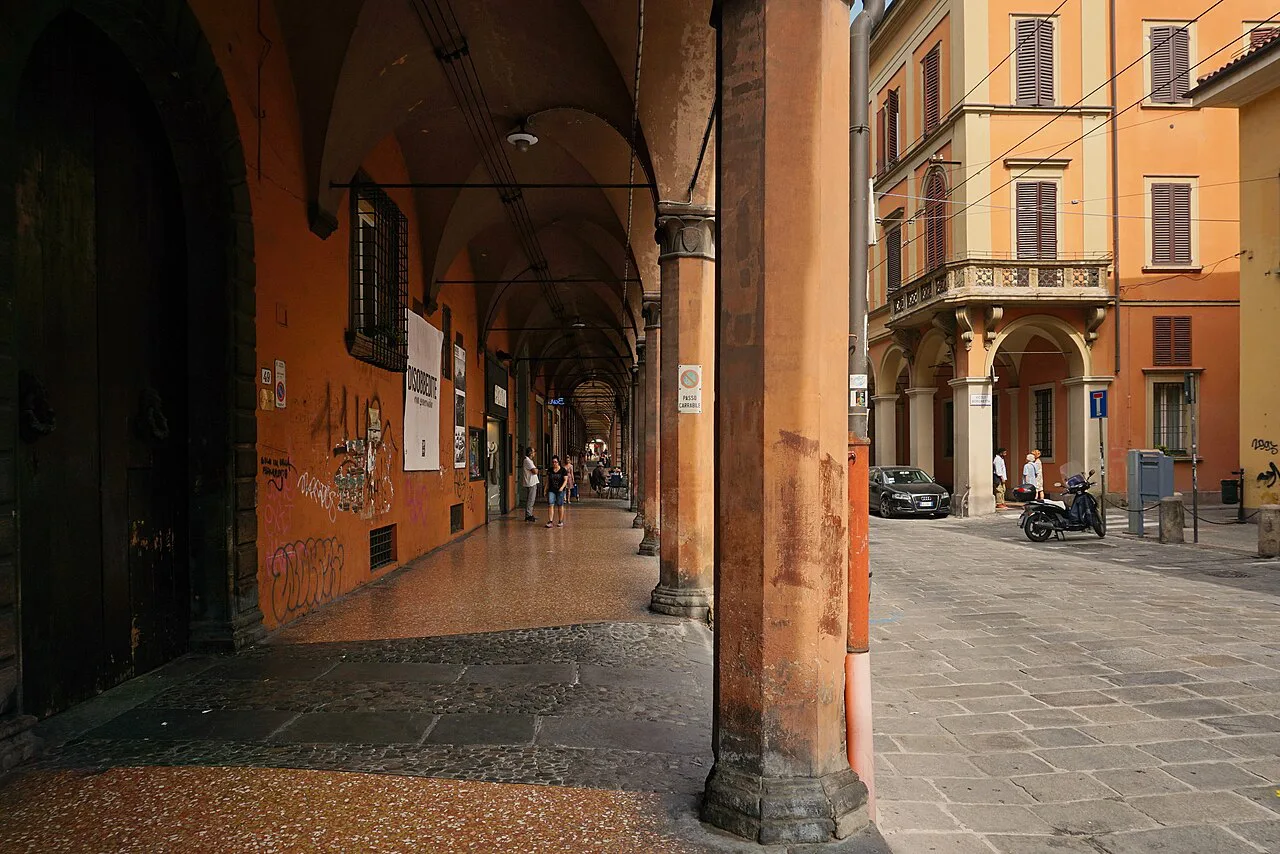
Mercato delle Erbe: Bologna's covered market on Via Ugo Bassi
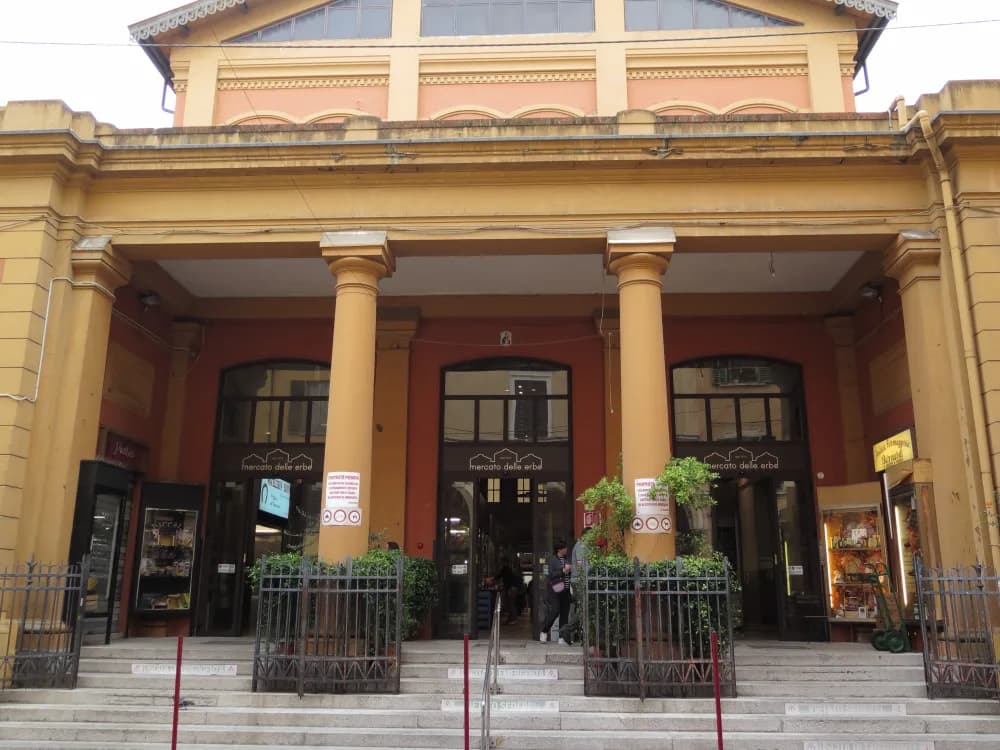
The Mercato delle Erbe stands at Via Ugo Bassi 23. Its current form was designed in 1910 by Arturo Carpi and the engineer Luigi Mellucci, and the food stalls known as treccole were moved here definitively from Piazza Maggiore. It reopened in 1949 after wartime bombing, and the main entrance was shifted to Via Ugo Bassi with the statue of the same name.
A 2014 renovation added restaurants, wine shops and meeting places alongside the traditional stalls and shops, which is why the hall now serves both shoppers and people sitting down to eat. The building functions as a covered piazza, described by the market as warm in winter and cool in summer. That dual role is the main trade-off: you can shop and eat in one stop, but it is busier and less purely a produce market than a neighbourhood stall.
What to buy at Mercato delle Erbe: fruit and veg, salumi, cheese, bread and fish
Shopping runs from early morning until evening across the boxes and shops. Ortofrutta — fruit and veg — is the largest category by stall count, with several greengrocers among the numbered boxes. You will also find a butcher and an equine butcher, a fishmonger, a salumeria for cured meats, cheese shops including a historic formaggeria, and bread and pasta sellers.
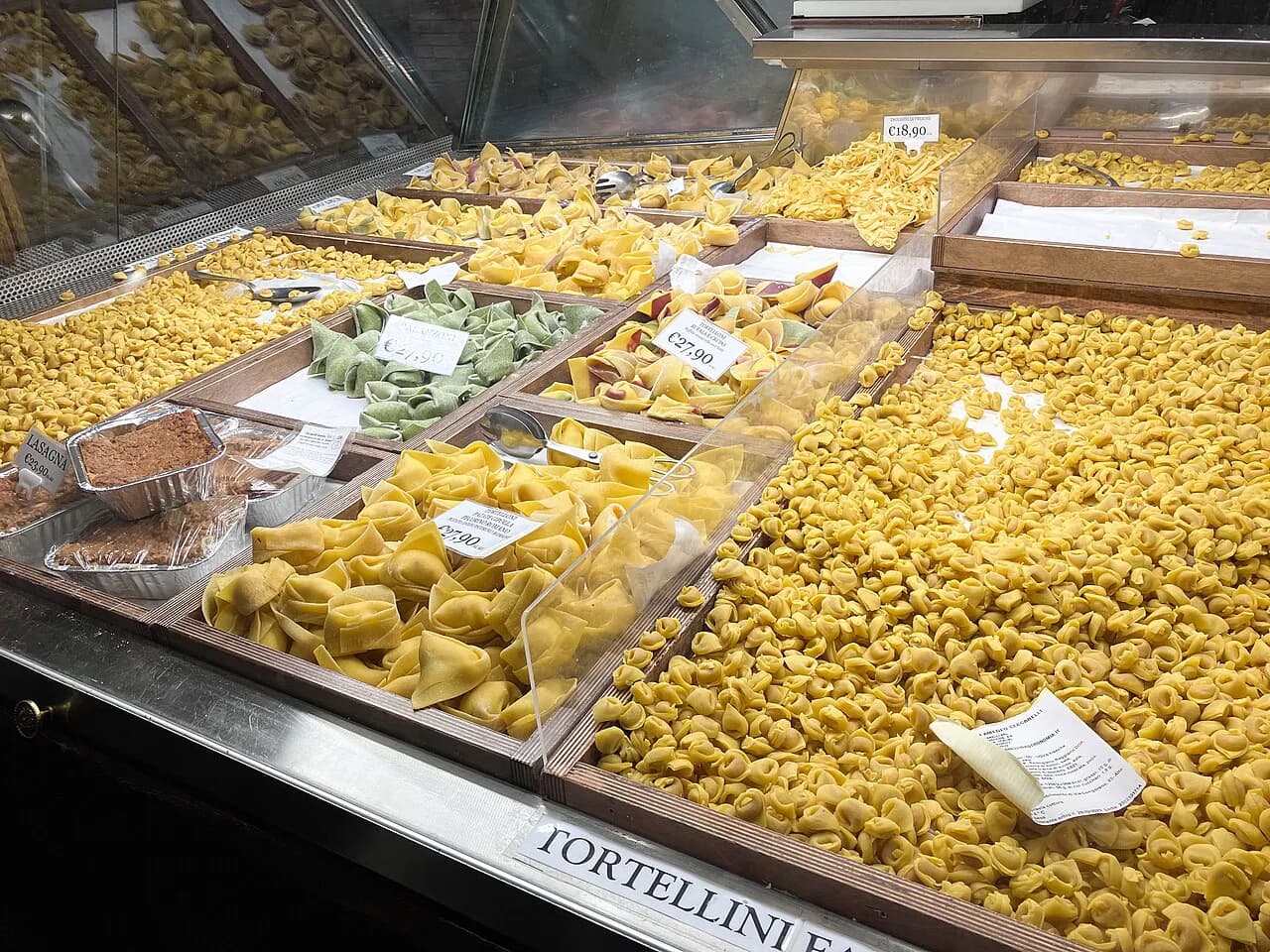
For a picnic or a train journey, build a small haul: a wedge of cheese from one of the cheese shops, sliced cured meat from the salumeria, a loaf from a bread counter and a punnet of fruit. The market lists Mozzabella for mozzarella and I Tipici among its shops, alongside Sfogliamo and fresh pasta sellers, so a single hall covers most of a Bologna food shop.
Eating at Mercato delle Erbe: food counters inside the hall
The food counters are the reason many people come: the market lists vegetarian and non-vegetarian refreshment points open until late, so lunch and an early dinner are both possible inside the building. This suits a mixed group where some want to shop and others want to sit with a plate and a glass. Expect a lively, shared-table atmosphere rather than a quiet trattoria.
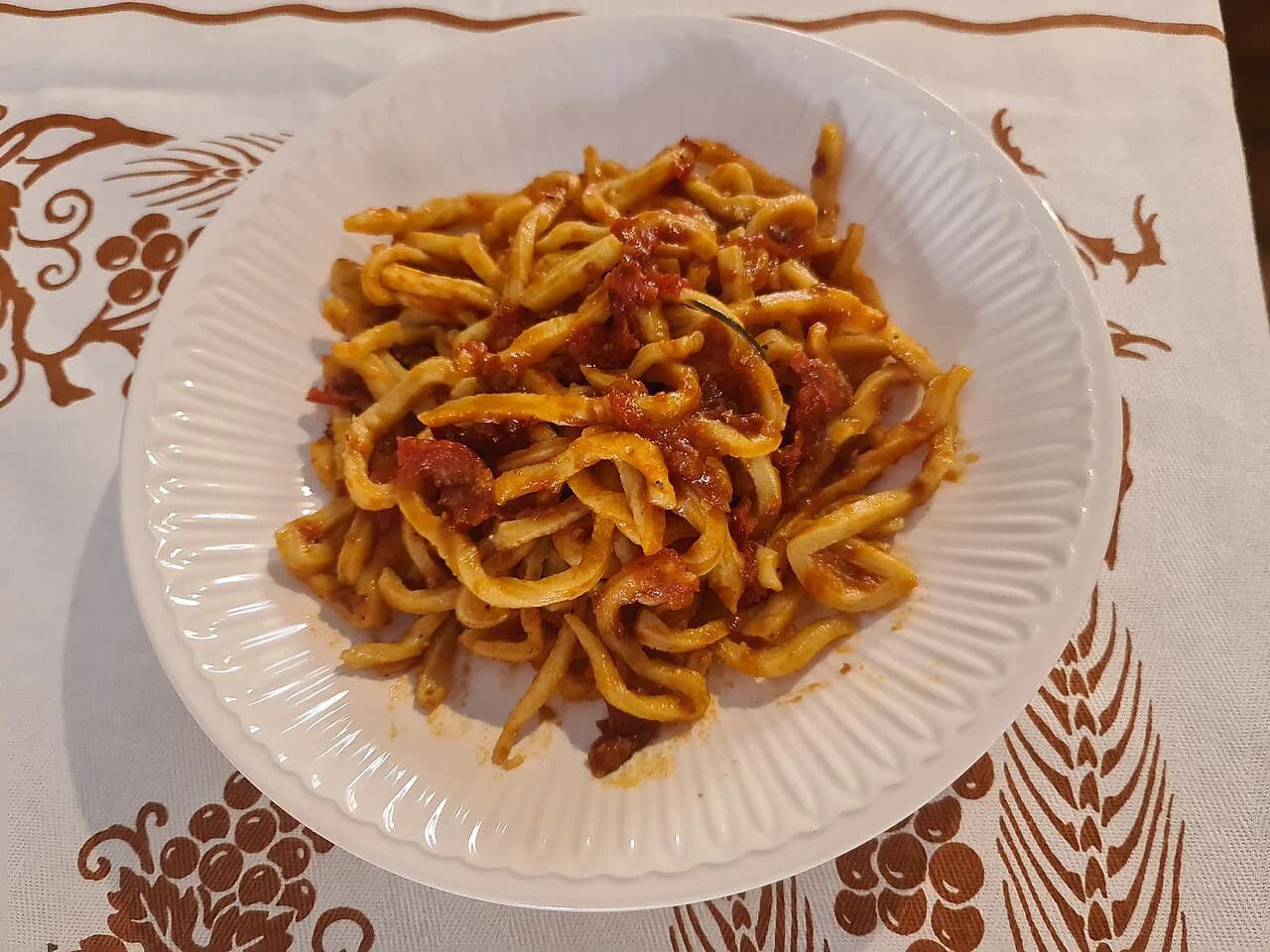
If you want a proper seated Bologna meal of tagliatelle al ragù or a plate of lasagne alla bolognese rather than a market counter, treat the hall as a shopping stop and book a table elsewhere for dinner. The market's strength is grazing and buying, not a full traditional menu, so plan your day around that distinction.
Neighbourhood and farmers' markets in Bologna, and which day each one runs
The weekly farmers' markets are the ones to plan around. Piazza della Pace in Porto-Saragozza runs on Wednesday mornings from 7:30 to 13:30, Piazza Lucio Dalla in Navile on Thursday evenings from 16:00 to 21:30, Via Pieve di Cadore on Friday afternoons from 15:30 to 20:00, Via Paolo Fabbri in San Vitale–San Donato on Tuesday afternoons, and Piazza VIII Agosto on Monday afternoons from 16:00 to 22:00.
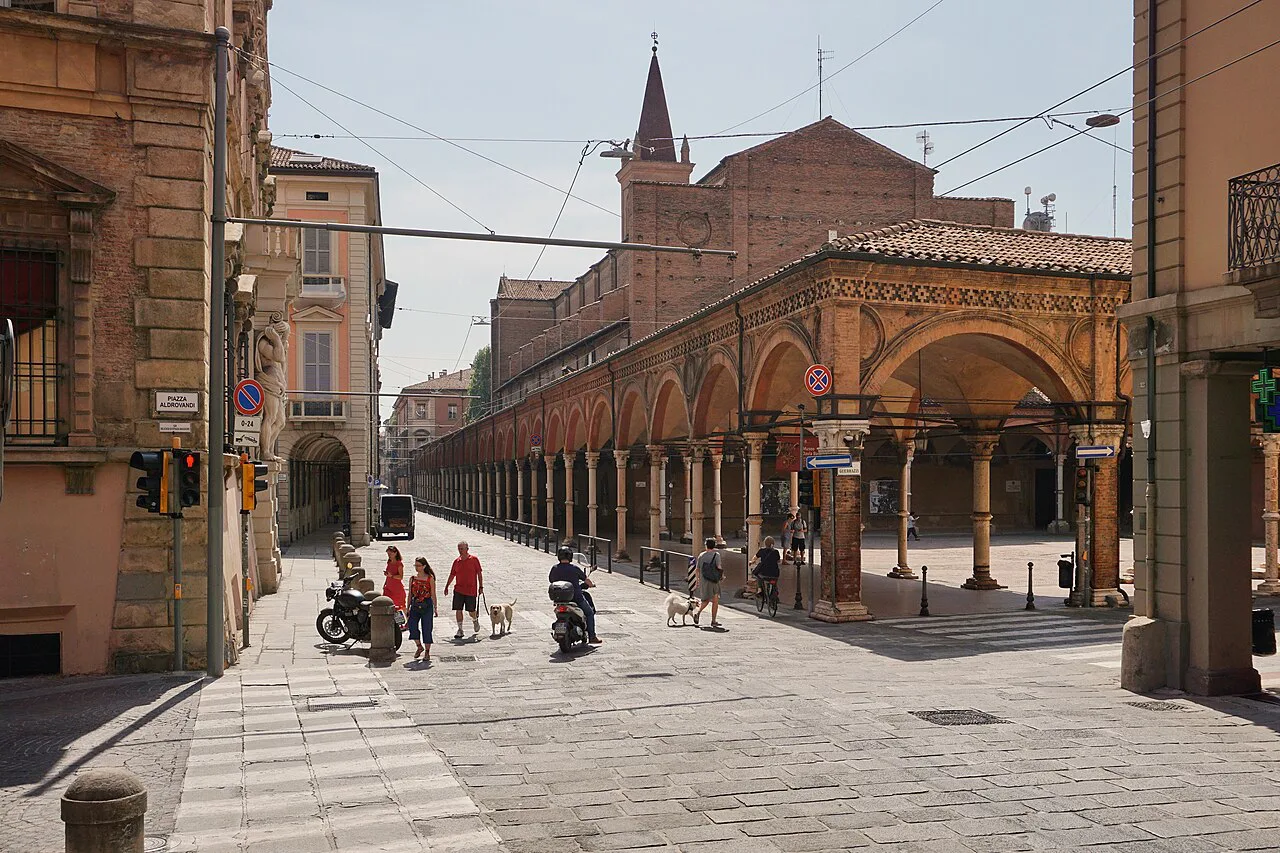
Weekend options are the strongest. Piazza San Rocco off Via del Pratello in Porto-Saragozza runs on Saturday from 7:00 to 15:00, Piazza Carducci in Santo Stefano on Sunday from 7:30 to 14:00, and Piazza Aldrovandi, also in Santo Stefano, on Sunday from 8:00 to 14:00. Note that published times include half an hour either side for setting up and packing away, so arrive inside the trading window rather than at the edges.
The rionali markets are the everyday option: covered or open-air, food-focused, and running Monday to Saturday from 8:00 to 19:00. They include Via Albani in Bolognina (Navile), Chiesa Nuova on Via Murri and Cirenaica on Via Sante Vincenzi in San Donato–San Vitale, Via Mazzoni and Via Toscana in Savena, and Piazza di Porta San Mamolo in Santo Stefano. These are where a local does a normal weekly shop.
Campi Aperti markets: small independent producers' markets across the quarters
Campi Aperti runs independently managed local, farmers' and organic food markets. Hours shift between winter and summer, generally opening later in the afternoon and running into the evening, with seasonal adjustments published for each location. Monday markets run on Via Piave opposite the Velodromo park in Borgo Panigale–Reno and in Piazza VIII Agosto in the centre; Tuesday on Via Paolo Fabbri 112 by the Vag61 space; Thursday in Piazza Lucio Dalla; Friday on Via Pieve di Cadore; and Saturday in Piazzetta San Rocco and Via del Pratello.
These markets overlap in place with the farmers' markets above but not always in time, so check which organiser is running on the day you are in the quarter. The appeal is direct buying from small producers: expect seasonal vegetables and produce rather than a full grocery range. Bring cash as a sensible default at small producer stalls.
Mercato Ritrovato on Via Azzo Gardino: a Saturday morning market
Mercato Ritrovato runs at Via Azzo Gardino 65 in Porto-Saragozza on Saturdays from 9:00 to 14:00, from September to June, which makes it a cold-months Saturday fixture rather than a summer one. It sits in the same quarter as the Saturday Piazza San Rocco farmers' market, so a Saturday in Porto-Saragozza gives you two market options within a walk of each other.
Treat it as a morning: arrive by mid-morning, buy bread, cheese and produce, and eat a late breakfast or early lunch from what you have bought. Because its season runs September to June, an August Saturday in Bologna is better planned around the Mercato delle Erbe instead.
What to order and buy at a Bologna market: a short shopping list
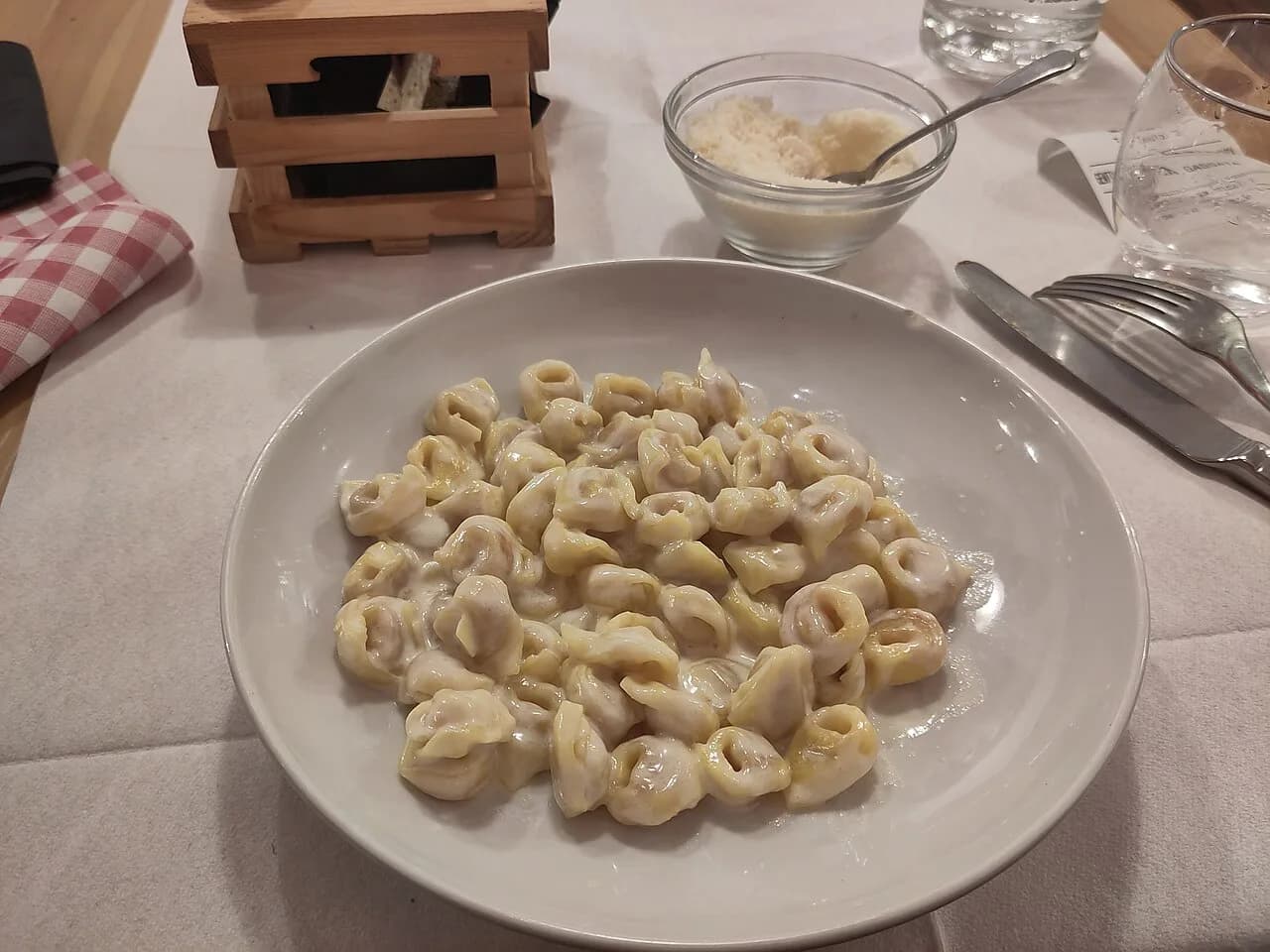
Bologna's food identity is built on egg pasta, cured pork and cheese, so a market haul should include fresh tagliatelle or tortellini, a piece of Mortadella Bologna IGP from a salumeria, and a young or aged cheese. Add a loaf of local bread, a bag of fruit and a jar of something preserved to take home. If you want to cook it yourself rather than assemble a picnic, cooking classes in Bologna often start with a market visit and a shop like this.
Buy only what you will eat that day or can carry: fresh pasta and mozzarella do not travel well in a warm car or a long train ride. For a hot lunch on the go, look for a piadina or a slice of pizza from a counter, and keep the serious eating for the trattorias in Bologna once the shopping is done. If you are in the centre early, breakfast in Bologna near Via Ugo Bassi pairs naturally with an Erbe run.
Cash, queues and August closures: how a market visit actually works
Small producer stalls and older market boxes often prefer cash, and card readers vary from shop to shop inside a covered hall, so carry notes for small purchases. Bags are not always free at food stalls, so bring a foldable one. Saturday mornings are the busiest time at any market; weekday mornings are calmer if your schedule allows.
Summer closures matter. The Mercato delle Erbe publishes its own August closure list, with individual shops and counters shutting for periods across late July and August in the year the list covers; in that published list, for example, the fishmonger closed from 30 July to 27 August and several counters around mid-August. Some traders stay open through the holidays, so check the market's current notice before making a special trip in August.
The neighbourhood markets also shift with the season: Campi Aperti publishes separate winter and summer hours, and the farmers' markets operate outdoor pitches that follow weather and daylight. Otherwise, plan around the published weekly rhythm and accept that some boxes will be shuttered in high summer.
Which market should you build your morning around
Choose the Mercato delle Erbe if you want one reliable stop with produce, cheese, cured meats, bread, fish and a sit-down counter in the same building. Choose a neighbourhood or Campi Aperti market if you are in that quarter on the right day and want to buy from small producers in the open air, and choose Mercato Ritrovato for a Saturday between September and June.
Wherever you go, shop early, carry cash and a bag, and eat what you buy the same day. Pair a market morning with a proper Bologna lunch, and the shopping stops being a detour and becomes the reason for the walk.
Explore more Bologna food guides
Frequently Asked Questions
Is Bologna expensive for food shopping?
The city has a wide spread: covered-hall counters and central shops carry a convenience premium, while rionali and farmers' markets are where everyday shopping happens. Compare prices per kilo at the stall, and buy seasonal produce for the best value.
What food is Bologna known for?
Egg pasta such as tagliatelle and tortellini, ragù, cured pork including Mortadella, and cheeses such as Parmigiano Reggiano. A market visit is the easiest way to buy these to take home or assemble a picnic.
Can I visit a food market in Bologna on a Sunday?
Yes. Piazza Carducci in Santo Stefano runs on Sunday from 7:30 to 14:00, and Piazza Aldrovandi in the same quarter runs on Sunday from 8:00 to 14:00. The covered Mercato delle Erbe opens through the day for shopping, so a Sunday visit is straightforward there too.
Sources
Notes for your next meal in Italy
Optional updates to our food guides.
You might also like
Continue reading
More guides you'll find useful