Best Pizza in Pisa: Neapolitan, Wood-Fired and By the Slice
Our pick of the best pizza in Pisa, from historic wood-fired pizzerias to Neapolitan style and cecina by the slice, with the dishes to order and how to eat.
On this page
Pisa is very good for pizza, and the honest answer to where to eat it depends on what you want: a historic oven in the centre, a slow-risen wood-fired pie, or a hot slice of cecina eaten standing up. The city does Neapolitan-style pizza, Tuscan wood-fired pizza and the chickpea flatbread cecina well, and often in the same room. This guide picks out the pizzerias worth planning a meal around, says what to order in each, and separates a sit-down dinner from a quick lunch by the slice.
Two names anchor the choices: Il Montino in Via del Monte, which calls itself the oldest pizzeria in the city, and La Paradisea out in Via San Marco, where the doughs are given a long rise and everything comes out of a wood oven. For Neapolitan-style pies in the middle of town, a 2020 PisaToday round-up of local pizzerias gives five addresses that still help you orient yourself, provided you treat it as a starting point and not a current ranking.
What Pisa does well: Neapolitan-style pizza, wood-fired pies and cecina
Three styles cover almost every good pizza meal here. Neapolitan-style pizza is round, no more than 35 cm across, with a raised, puffy rim called the cornicione that should be one to two centimetres high and free of burns, and the base should be soft and fragrant. La Paradisea works with a wood-fired refractory oven and long-risen doughs, and the third strand is cecina, a chickpea flatbread that belongs to Pisa and the Tuscan coast as much as pizza does.
Pizza napoletana has held EU Traditional Speciality Guaranteed status since 5 February 2010, and in 2017 the art of the Neapolitan pizzaiuolo, the pizza maker, was added to UNESCO's intangible cultural heritage list. Those labels matter when a menu claims the style, because the raised cornicione and soft centre are the visible evidence. Order a plain marinara or margherita first at any new place and the base tells you whether the rest is worth your time.
Cecina is the Pisan food to try alongside pizza: a thin, savoury chickpea flatbread baked in the same kind of oven, sold by the slice or the piece and best eaten hot with a grind of black pepper. La Paradisea bakes its cecina in the wood oven and also turns out focaccia and filled schiacciate, the flatbread sandwiches that make a fast lunch.
Il Montino: the historic pizzeria in Via del Monte
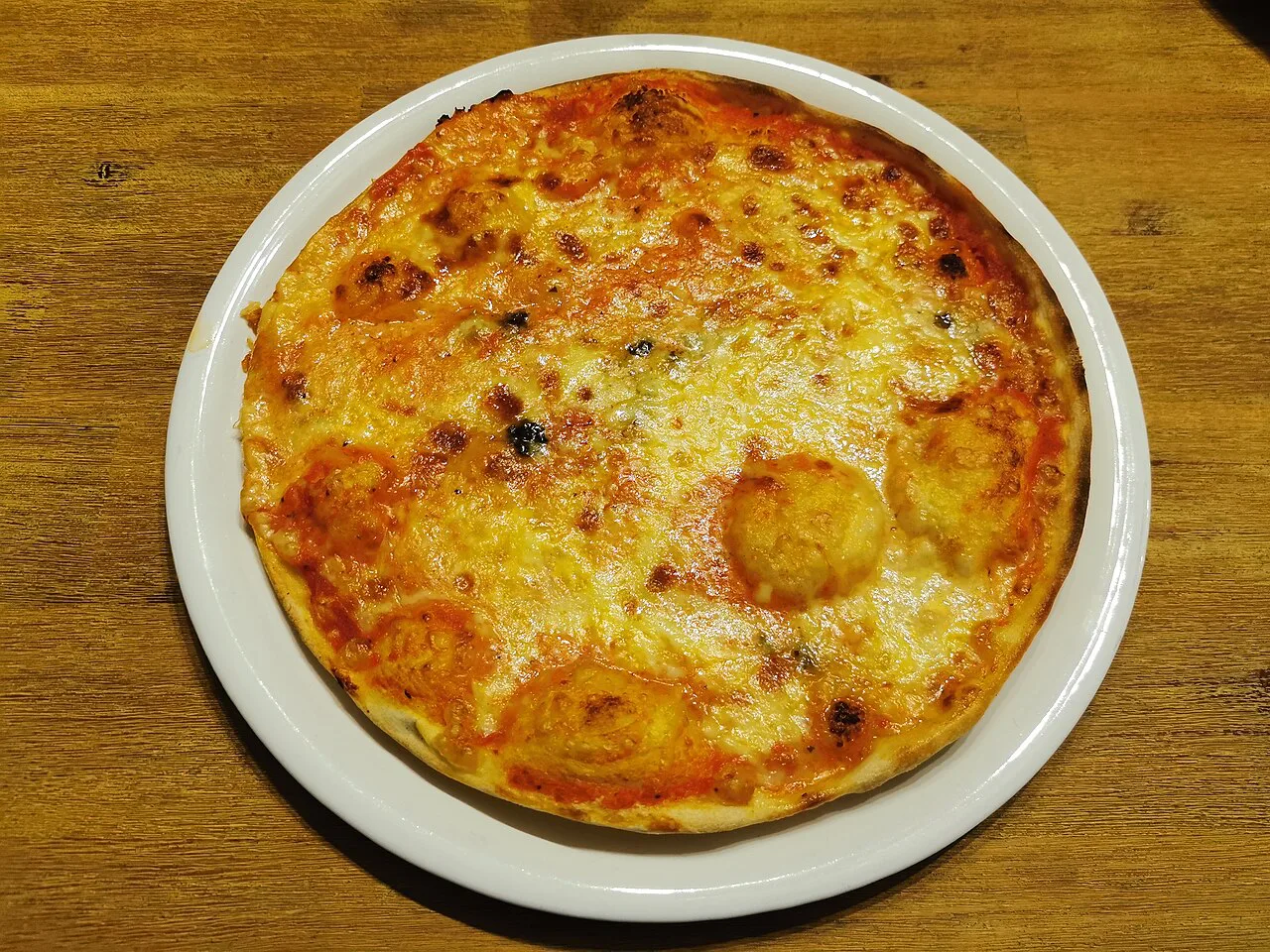
Il Montino sits at Via del Monte 1 in the heart of the historic centre, and the pizzeria describes itself as the oldest in Pisa, working, in its own words, from the 1800s onwards. The room is traditional and characteristic rather than polished, which is part of the appeal if you want a Pisan pizzeria rather than a generic dining room. It is a sit-down meal, so budget an hour rather than treating it as a slice stop. It opens for lunch from 12:30 to 15:00 and for dinner from 19:00 to 22:30, Monday to Saturday, and closes on Sundays.
Order across the menu rather than sticking to one pizza: the kitchen lists its pizzas alongside cecina, castagnaccio and filled schiacciate. Castagnaccio is the Tuscan chestnut-flour cake, dense and faintly sweet, and it makes a better finish than a dessert you could order anywhere. The pizzas are described with a thin, crisp base and a generous layer of topping, so one pie per person is a full meal.
This is the right choice when you want the historic-centre version of a pizza dinner: a short walk from the Lungarni, a proper table and a menu built on pizze, cecina, castagnaccio and filled schiacciate. It is less useful if you are coming from the airport or squeezing lunch into a tight schedule. For a full evening in the centre, pair it with a look at the wider list of places to eat with the Best Restaurants in Pisa in mind.
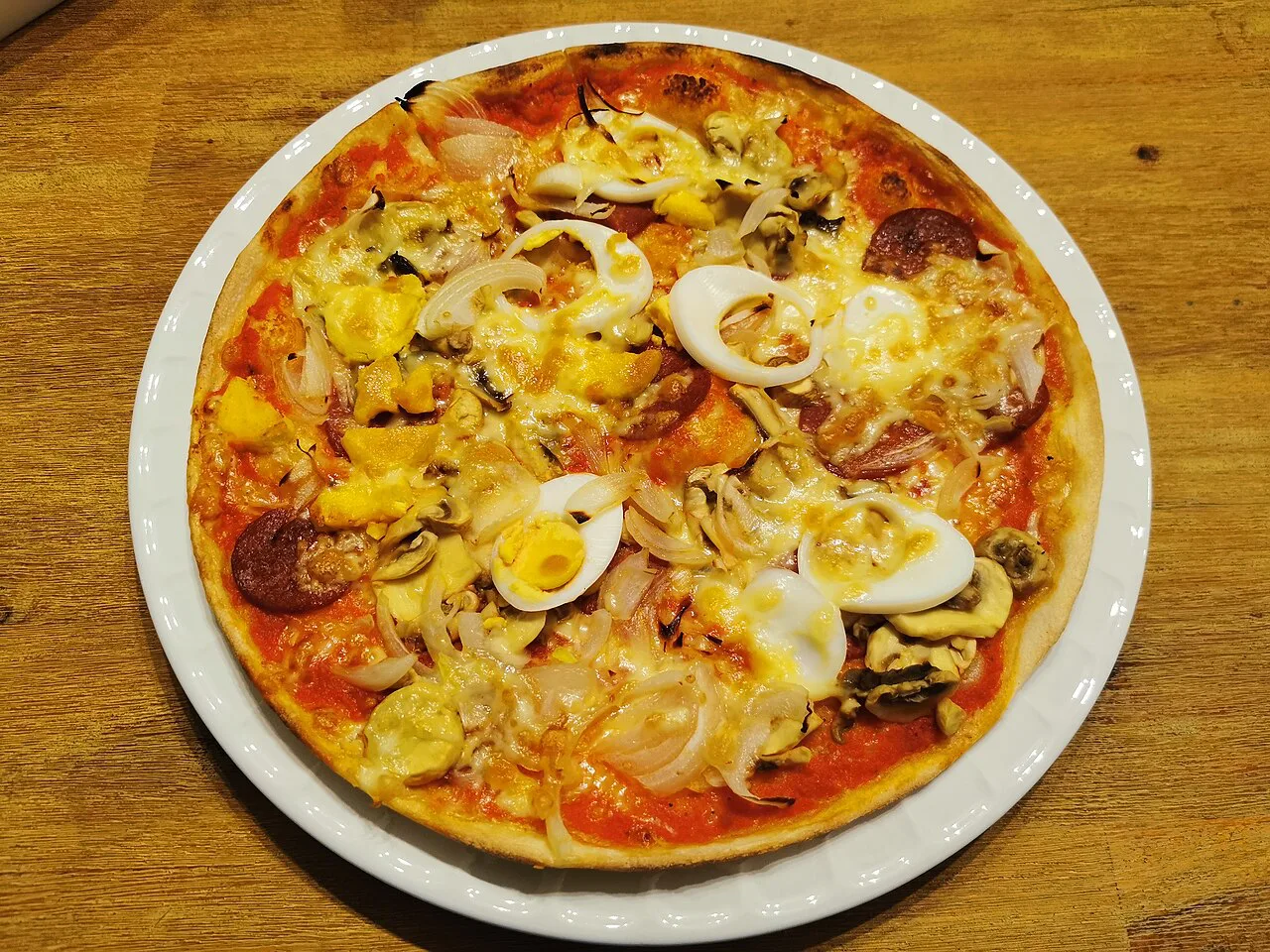
Where to find Neapolitan-style pizza in central Pisa
A 2020 PisaToday round-up named five pizzerias serving the Neapolitan recipe, and the addresses still tell you where to look in the centre. Pizzeria Martino is in Piazzetta del Crocifisso 4 with seating inside and out, La Taverna di Pulcinella is in Via Garofani 10, and Ristorante Pizzeria L'Arciere is in Via La Nunziatina 14. Treat the list as a 2020 snapshot: names and addresses change, so confirm the place is still trading before you build an evening around it.
Two more sit outside the tight centre. Anima di grano is in Via Domenica Cavalca 4 and imports the ingredients for its pizza from Campania, the region around Naples, and also sells handmade cakes. Tradizione Picone is in Via Hermada 14 in the Tramontana part of the city, north of the centre. Both are worth knowing if you are staying away from the river.
When you sit down for a Neapolitan pie in the centre, judge it on the rim: puffy, one to two centimetres, no scorching, with a soft middle. A margherita is the fair test, and a marinara, with tomato, garlic, oregano and oil, tells you whether the dough can carry a pizza with almost nothing on it. Both are fast to eat, which makes a central pizzeria a sensible lunch before an afternoon around the sights.
La Paradisea: wood-fired pizza near the airport and its slow-risen doughs
La Paradisea has been baking in Via San Marco 60 since 2000, close to Pisa airport rather than in the historic centre. Everything comes out of a refractory wood oven, which the pizzeria says gives the pizza a soft interior and a lightly crisp exterior, and the same oven bakes the focaccia and the cecina. If you are on an early flight or staying on that side of the city, this is the pizza meal that fits.
The doughs are the reason to seek it out. Flour ranges from type 0 to farro, maize and multigrain, the rise is at least 24 hours, and some doughs use only sourdough starter made and refreshed in house, aimed at a base that is easier to digest. Mozzarella fior di latte, cow's milk mozzarella, tops the pizzas, and the combinations change with the seasons rather than sitting fixed on a menu.
Pizzas come in formats from 26 cm up to a large sharing size, and you can eat at a table, take away or have it delivered anywhere in Pisa, with the cecina and the cakes travelling too. If you want a table, book rather than turning up. The location is the trade-off: convenient for the airport, a bus or taxi ride from the Leaning Tower end of town. It opens in the evening from 17:30 and is closed on Tuesdays, so it suits an evening near the airport rather than a midday stop.
Pizza by the slice, focaccia and cecina: a quick lunch option
A slice is the smartest lunch in Pisa when you have a train to catch or a museum slot. La Paradisea prepares pizza al taglio, pizza by the slice, and soft savoury focaccia, and its full menu of pizzas, cakes and cecina can also be delivered across the city. Those formats sit alongside table service and delivery, but the pizzeria opens in the evening from 17:30 and is closed on Tuesdays, so it works for an early-evening or takeaway stop rather than a midday lunch.
At a slice counter the ordering is straightforward: point at what you want, say how much, and pay by weight or by the piece. Eat it hot and on the spot where you can, because cecina and focaccia lose their point once they cool. If you want a proper sit-down lunch instead, a plate of pasta is a better use of an hour than a rushed pizza.
Keep the two formats separate in your plan: a slice is a snack or a fast lunch, while a whole wood-fired pie at a table is an evening. Mixing them up is how people end up queueing at 13:00 for a table they did not need. If your day starts early, sort out Breakfast in Pisa first and leave the pizza for later.
How to order and what to expect: whole pies versus al taglio, booking ahead
Decide between a pizza al piatto, a whole pie on a plate, and pizza al taglio, sold by the slice or by weight. A whole pie is a sit-down meal; a slice is paid for at the counter, often by weight, and eaten without ceremony. Menus usually list pizzas in white, bianche, and tomato-based, rosse, groups, so you can tell at a glance what you are ordering.
Book a table for dinner at a sit-down pizzeria, particularly at the weekend, and turn up without booking only if you are happy to wait or eat early. At a slice counter there is nothing to reserve.
On the bill, expect a coperto, the cover charge, and, in a full restaurant, a service charge only where the menu says so. Tipping is not expected beyond rounding up. If you want a coffee after the pizza, drink it standing at the bar and pay at the till first, which is the normal Italian routine.
Choosing between a sit-down pizzeria and a slice on the go
Choose Il Montino when you want the historic-centre experience with cecina and castagnaccio on the same table, and La Paradisea when the airport side suits you or you want a long-risen dough with a wood-oven bake. Choose a slice when time is short and you would rather spend the hour on a quick lunch. All three are honest answers to the same question, which is why a single ranking of Pisa's pizza would tell you very little.
Two practical tests before you commit: check that the oven is wood-fired and that the place is busy with people ordering whole pies rather than only slices. A pizzeria that offers takeaway, delivery and sit-down service at once, as La Paradisea does, is built for a mixed crowd and prices accordingly. A small counter with a queue of locals at lunch is usually the better slice.
Build the day around one pizza meal rather than two. If pizza is your dinner, take a light lunch, and if you want a slice at midday, save the sit-down meal for the evening. That is the trade-off that makes a short stay in Pisa work.
Which pizzeria should you book?
Book Il Montino if you want a historic pizzeria in the centre with cecina and castagnaccio alongside the pizza, and book La Paradisea if you are near the airport or want a long-risen, wood-fired dough and a table you have reserved. For a fast lunch, take a slice of pizza al taglio or cecina and eat it while it is hot. Those three decisions cover almost every pizza day in Pisa.
Whichever you pick, order one plain pizza first to judge the base, sit down for the whole-pie experience at least once, and keep a slice stop for the day you are short of time. That way the pizza fits the day rather than the other way round.
Explore more Pisa food guides
Sources
Notes for your next meal in Italy
Optional updates to our food guides.
You might also like
Continue reading
More guides you'll find useful