Cooking Classes in Pisa: How to Choose One That Fits
Cooking classes in Pisa range from short pasta-making sessions to long professional courses. Here is how to sort one from the other before you book.
On this page
Cooking classes in Pisa fall into two families: a half-day leisure session in a Tuscan farmhouse where you make fresh pasta and tiramisù, or a longer professional cookery course aimed at people entering the trade. The two suit entirely different travellers, and they appear side by side in the same search results. This guide explains what each format teaches, where classes take place and which decisions separate one booking from another.
Pisa sits on the Arno, and the countryside starts within a short drive of the centre. That geography matters: some classes happen in the city, others at a farmhouse among the hills. Knowing which you are booking changes how much of your day the class consumes.
What a cooking class in Pisa usually involves
Most leisure classes in Tuscany make fresh pasta the centre of the session. One farmhouse product from Pisa has participants pick seasonal vegetables and herbs from the garden, then learn to mix eggs and flour into dough for tagliatelle, gnocchi or ravioli. The same class covers a meat sauce made with fresh tomatoes and finishes with tiramisù, a layered dessert of mascarpone, coffee-soaked sponge and cocoa.
Not every class is hands-on pasta. Professional listings for Pisa include specialist pathways in gelato making, bread baking, pizza, fresh pasta, pastry and panini, which is a very different proposition from an afternoon with a rolling pin. Read the course title carefully: a gelateria professional course will not teach you to make tagliatelle.
Pasta by hand: tagliatelle, gnocchi and ravioli
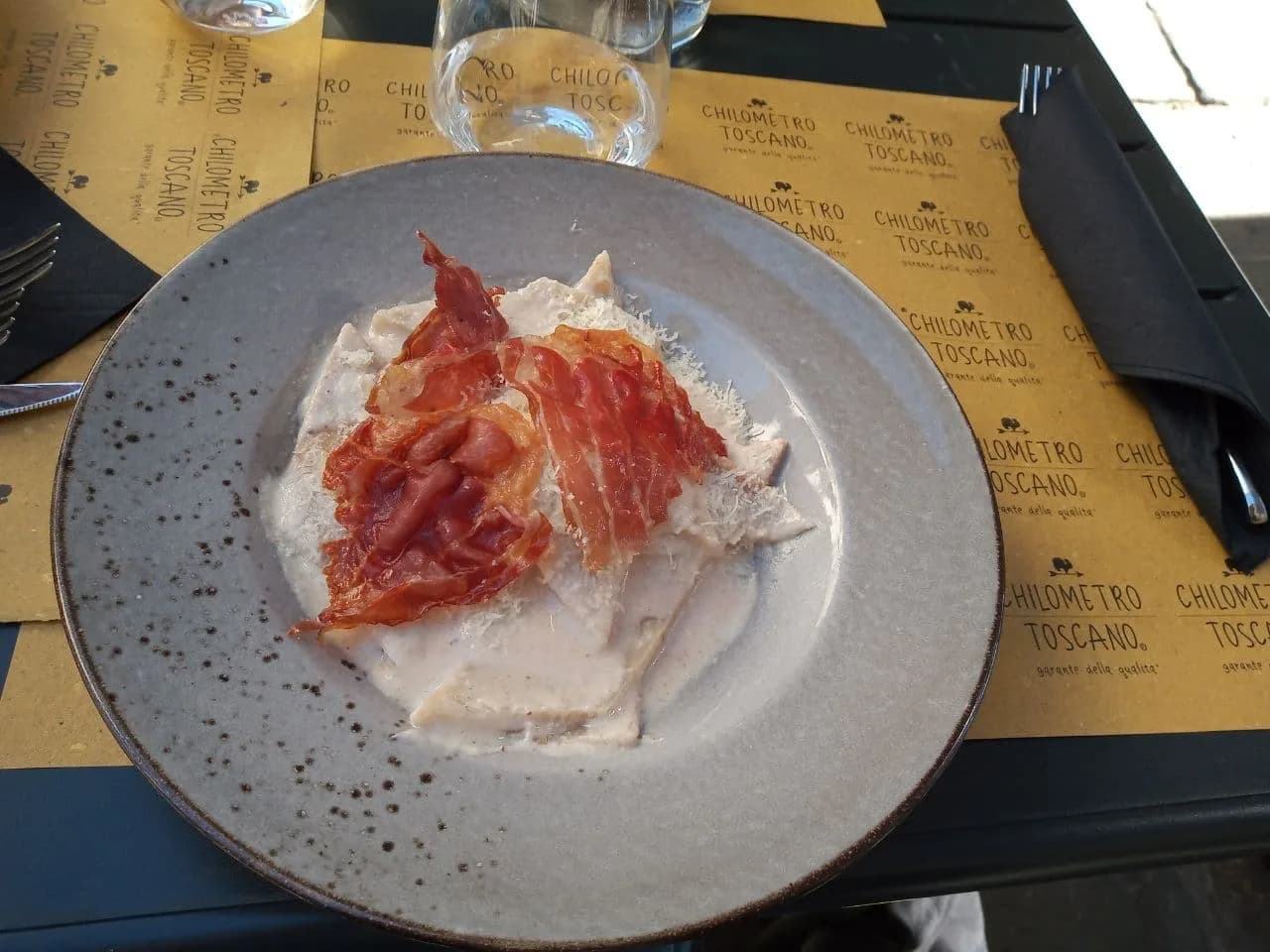
The pasta shapes in a typical farmhouse class are chosen to be achievable in a couple of hours. Tagliatelle is rolled flat and cut into ribbons, gnocchi are rounded by hand and ravioli are filled and sealed. If the description mentions a specific shape, that is a fair signal of the class's skill level.
For a deeper sense of what Pisan pasta cooking looks like on a restaurant plate, our guide to the best pasta in Pisa covers the trattorias where those shapes turn up as lunch. A class will not make you a pasta maker in one afternoon, but it does make the menu read differently afterwards.
The full-menu format: antipasto through to dessert
The farmhouse class is structured as a full menu, from appetiser through to dessert: a fresh-pasta main with sauce, and a dessert. In the Pisa product, the dessert is tiramisù, and the chef's own version is treated as the secret element of the session. That structure is worth having if you want to sit down to a lunch you made, but it stretches the class to four or five hours including transport.
If your interest is in what regional cooking actually tastes like, rather than making it, the best restaurants in Pisa guide lists osterie and trattorias where a full Tuscan menu arrives without any cooking on your part.
Classes held in the Tuscan countryside outside the city
Several Pisa cooking-class listings are, strictly speaking, tours. The farmhouse product picks up guests from their accommodation in Pisa or the province, drives to a farmhouse in the hills, runs the lesson and lunch, then returns them. The route is listed as a full itinerary, with pickup, arrival, class, lunch and return.
That pickup is the main practical advantage, because farmhouse classes sit outside Pisa's bus network. It also means the day is dictated by someone else's schedule, so if you want to spend the morning at the sights and cook in the afternoon, check whether a class fits. The Pisa Attractions: 4 Visitor Guides maps out how much time the main sights take.
If you are staying in the centre, remember that a countryside class eats into the day. A short city-based pasta session leaves room for lunch and an afternoon wander; a farmhouse tour tends to take up most of it.
Short leisure sessions versus professional cookery courses
The professional courses listed for Pisa are long programmes run by cookery academies, not a single afternoon. Educaedu lists pathways in professional cooking, gelato making, bread baking, pizza making, panini, fresh pasta and vegan pastry chef training, some described as semipresenziali, meaning part of the teaching is done remotely. These are aimed at people who want to work in the industry, not at visitors with a free morning.
PisaToday's guidance on choosing a cookery course makes the same point in recruitment terms: cooking is not improvisation, and a chef's job presupposes theory, practice and time spent working under experienced professionals. That is a useful yardstick for sorting a leisure class from a career course in a list of results.
For a visitor, the practical rule is simple: if the listing mentions a duration in weeks or a professional qualification, it is not a holiday activity. Look instead for wording such as lesson, experience or day class, which signals a single session.
Weighing up cost against what is included
The professional course listings carry indicative prices in the range of roughly one thousand to several thousand euros depending on pathway, which reflects months of training rather than a one-off class. Those figures are not a guide to what a leisure pasta session costs, and they come from a course directory rather than the academies themselves.
When you compare leisure classes, ask what the fee covers: transport from Pisa, the ingredients, lunch and whether wine is served with the meal. The farmhouse product includes local transport, a guide, lunch and a red wine pairing with the meal, which changes the value calculation compared with a city class you reach on foot.
If you are building a food day around Pisa, it helps to know the cost of eating out separately. The best restaurants in Pisa guide gives price levels for the city's trattorias, which you can compare with a class fee before deciding how to spend your budget.
Group size and language of instruction
Group size is the clearest dividing line between the farmhouse product and a big-bus tour. The Pisa cooking class from BellaItalia Tour is marketed as a small-group private day tour, with an English-speaking staff member alongside the chef, and BellaItalia Tour explicitly asks on its tour page that you not book if you prefer crowded tours. That wording tells you the intended feel of the day: a small group, an exclusive experience, and a chef-led class rather than a crowded coach outing.
For English-speaking visitors, the language used in the kitchen matters as much as group size. A demonstration you cannot follow is a wasted morning, so check whether instruction and any recipe handouts are in English. If a class includes a market visit, the language demands rise, so confirm that too.
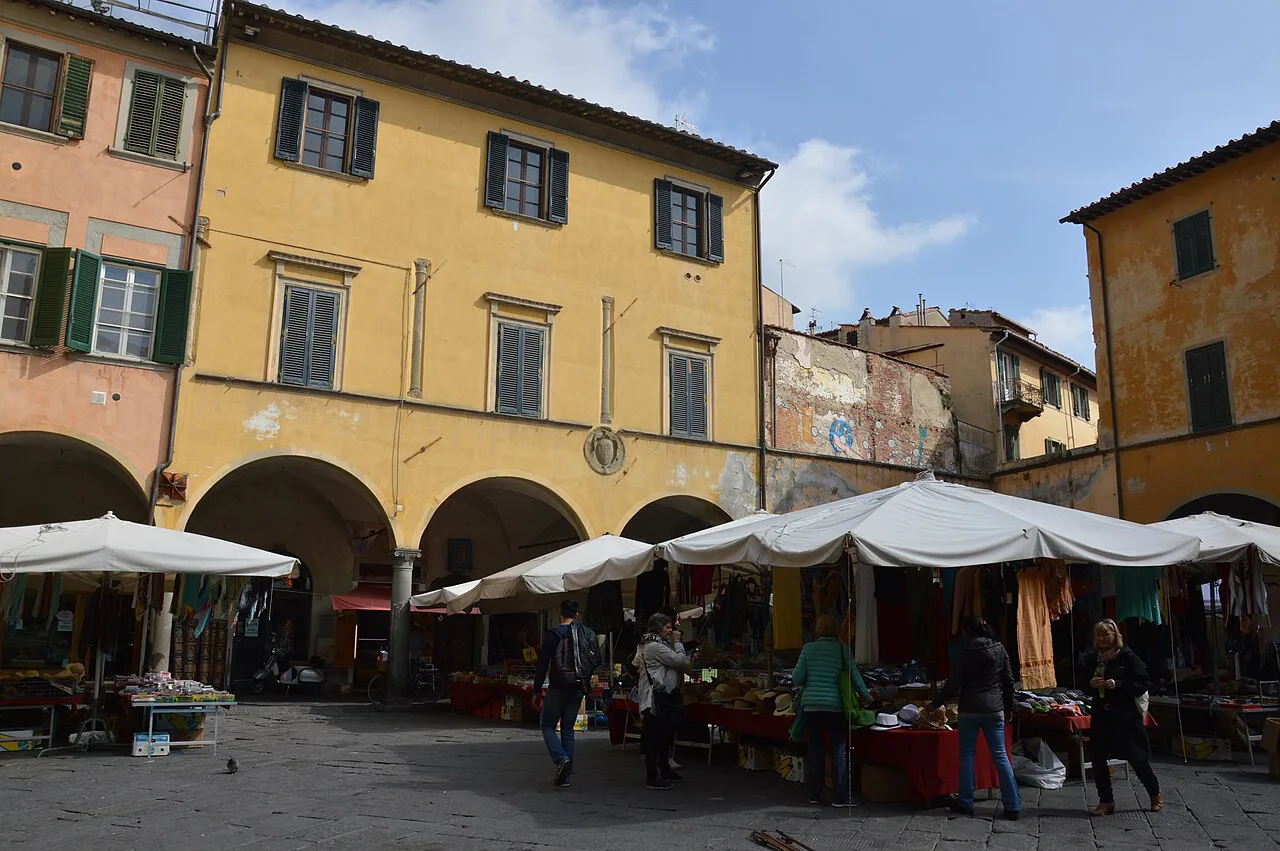
Pisa's food markets are a good place to see how the city eats, whether or not your class visits one. If you want to browse independently, our guide to food markets in Pisa sets out the main market squares and what is sold there.
What to check before you book
The farmhouse class departs from Pisa in the morning and runs four to five hours; its listing suggests comfortable clothing. That is a clue to the physical nature of the session: you will be standing, rolling and chopping rather than watching from a chair.
For the professional courses, the directory notes that discounts and scholarships are advertised and that some courses accept both national and international students. If you are considering one of those pathways, contact the provider directly for the current intake and fees.
Before you pay, confirm four things: what dishes you will make, whether lunch is part of the fee, the class language and the cancellation policy. If you plan to use Pisa as a base for a longer food stay, pair your class with our guide to the best pizza in Pisa for an evening meal.
Which cooking class should you book?
Book the farmhouse class if you want a one-day taste of Tuscan cooking with transport and lunch sorted out. Look to the professional academy listings only if you are considering cookery as a career, in which case the relevant pathways are longer, costlier and not really about a holiday.
Whichever you choose, match the class to the rest of your eating plan. A pasta session in the morning pairs well with a light lunch at a trattoria and a later pizza, and our best restaurants in Pisa and pizza guides are the places to find those meals.
Explore more Pisa food guides
Frequently Asked Questions
How much does a cooking class in Pisa cost?
Leisure classes are sold as day experiences and professional academy courses are priced separately; the course-directory listings for Pisa's professional pathways run from about one thousand to several thousand euros, but those figures cover long training programmes, not a single afternoon. For a farmhouse or city pasta session, ask the provider for the current fee and confirm what it covers.
Do I need cooking experience to join a class?
The farmhouse class is described as suitable for beginners as well as keen cooks, and it works through dough, sauce and dessert with a chef guiding the group. Professional academy courses assume a longer commitment and are aimed at people training for the trade.
What should I wear to a cooking class in Pisa?
Comfortable clothing is the listed suggestion for the farmhouse class, which makes sense if you are standing and working with flour and eggs. Avoid anything dry-clean-only and bring a layer for the countryside morning.
Sources
Notes for your next meal in Italy
Optional updates to our food guides.
You might also like
Continue reading
More guides you'll find useful