Best Restaurants in Pisa: Where to Eat, by Area and Budget
Our pick of the best restaurants in Pisa, from Tuscan trattorias and pasta counters to seafood at Marina di Pisa, with the dishes to order at each.
On this page
The best restaurants in Pisa are the ones that match the shape of your day: an osteria in the centre for fresh pasta, a trattoria a street back from Piazza dei Miracoli for a sit-down lunch, or a quick pasta counter when a train is waiting. The picks below are grouped that way, with the street or quarter named so you can judge the walk. Each entry says what to order and who the room is really cooking for.
Pisan cooking is Tuscan and coastal at once, and the single most local thing to put in your mouth is cecina, a thin chickpea flatbread sold as a snack or starter. Beyond that, look for hand-made pasta, simple Tuscan secondi and, out at Marina di Pisa, seafood. Prices, hours and closing days change, so confirm them with the venue before you build a meal around one.
Which restaurants in Pisa are worth your lunch or dinner
Three decisions do most of the work. First, whether you want a proper seated meal or a fast plate; second, whether you stay near Piazza dei Miracoli or walk ten minutes for cooking aimed at Pisans; third, whether you head out to the coast for seafood. Answer those and the shortlist almost writes itself, because the centre is compact and the good tables cluster along a handful of streets.
The osterias and trattorias below are the ones to book or aim for when you want a table, a glass of something local and a proper sit-down meal. The counters suit a solo lunch, a family on a schedule or anyone arriving off a train with a bag. Both are legitimate ways to eat well in Pisa; the mistake is drifting into a menu with photographs on it simply because it is the first thing you see leaving the station.
Osteria dei Cavalieri: fresh pasta in the centre, a step off the tourist route
Osteria dei Cavalieri on via S. Frediano is a strong all-rounder in the historic centre, built on Italian and seasonal cooking with an emphasis on traditional dishes rather than crowd-pleasers. It sits in the middle of the centre but reads as a place to eat rather than a place to be seen, which is exactly the trade-off worth making a short walk for. The kitchen's calling card is its fresh pasta made in house, so order a primo and judge the rest of the meal by it.
Beyond the pasta, the menu runs through meat and Tuscan specialities, which makes it a good choice if one of you wants a plate of pasta and the other wants something more substantial. Book ahead for dinner in season; this is a room people plan around rather than stumble into. If pasta is what you came to Pisa for, our guide to the best pasta in Pisa covers the wider field.
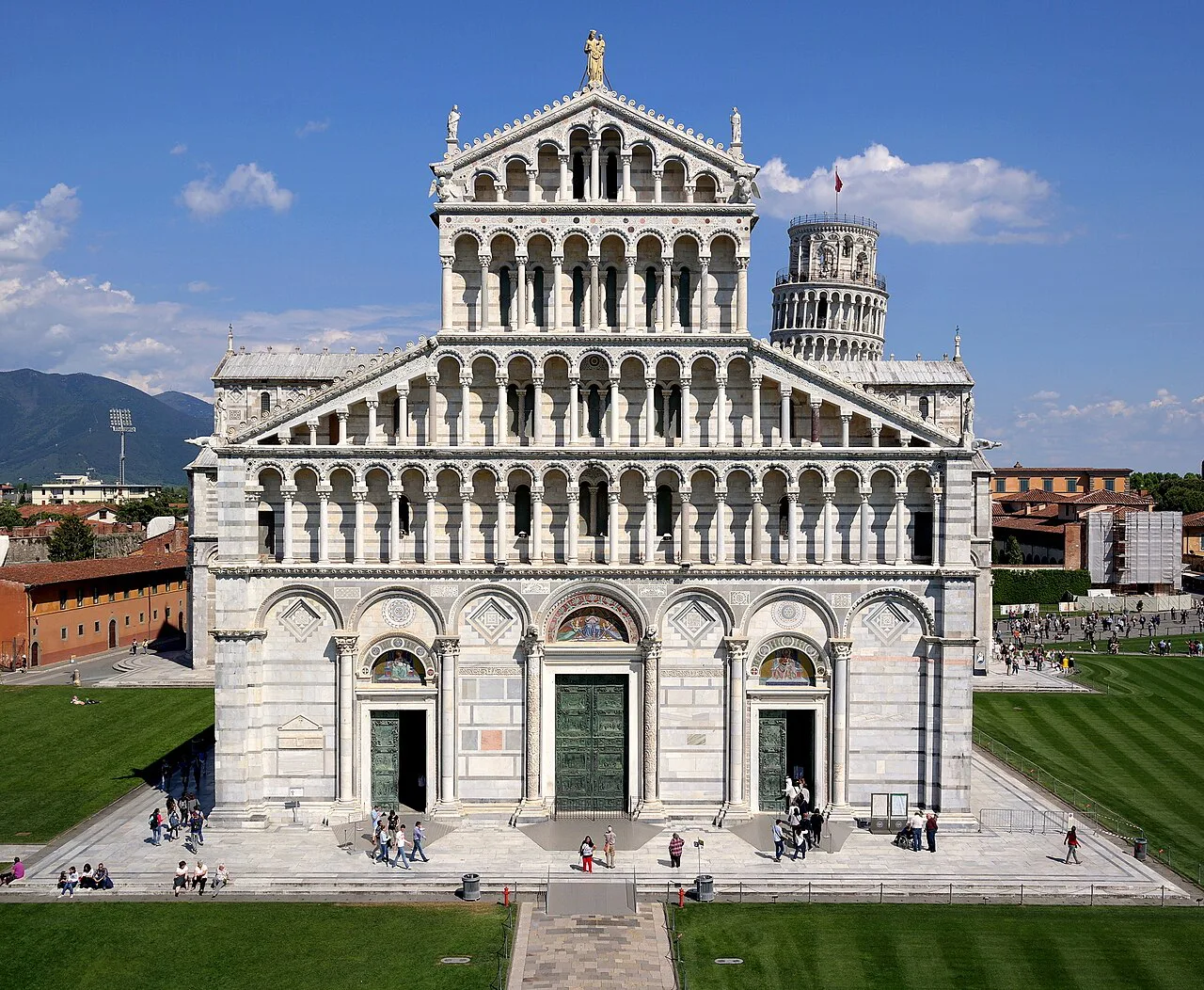
Trattoria Sant'Omobono: a sit-down Tuscan lunch by Piazza dei Miracoli
Trattoria Sant'Omobono sits on Piazza S. Omobono in the heart of the historic centre, close enough to the sights to slot into a morning of walking and far enough to feel like a restaurant rather than a kiosk. The menu is traditional Italian, weighted towards pasta and familiar regional recipes, served in a relaxed, old-fashioned room. It is the obvious answer when you want to sit down after the Tower rather than eat standing up.
Treat it as the lunch stop: see the monuments in the morning, then take a proper break here before carrying on. The location makes it a sensible anchor for a one-day visit, and the cooking is the kind that suits a mixed table of cautious eaters and curious ones. It is also an easy first meal in Pisa if you have just arrived and want to recalibrate before exploring.
La Pergoletta and the case for simple Tuscan cooking near the sights
La Pergoletta on via delle Belle Torri keeps to traditional Italian and Tuscan cooking, the sort built on a few good ingredients rather than long technique. Tuscan food is at its best when the produce does the work, and that is the argument for choosing a place like this over a menu built for volume near the main drag. It is listed among Pisa's restaurants by Terre di Pisa, the local tourism body, alongside a much longer roster of places across the province if you want to range further.
The trade-off is straightforward. You are near the sights but not on top of them, so you give up a few minutes' walk for a calmer room and a kitchen cooking the region's classics. Order across the Tuscan repertoire here rather than hunting for something exotic, and you will get what the place is good at.
Osteria in Domo on via Santa Maria: Pisan cooking a few steps from the Tower
Osteria in Domo, on via Santa Maria a couple of minutes from the Tower, is run by a family cooking Pisan food, which is the specific thing to come for on this street. Via Santa Maria is the main approach to Piazza dei Miracoli and therefore one of the most heavily trafficked eating streets in the city, so a family kitchen with a genuine local brief stands out.
Its position makes it the obvious candidate for a meal before or after the Tower, when you want something better than the first terrace you pass but do not want to trek back across the centre. In a street full of convenience, this is the pick for people who care what is on the plate. For the surrounding sights and how to organise them, see the Pisa Attractions: 4 Visitor Guides.
Trattoria da Stelio and La Buca: two more Pisan tables in the Terre di Pisa list
Both Trattoria da Stelio and La Buca appear in the Terre di Pisa directory of places to eat in the city, which is a useful second layer beyond the handful of names that circulate online. They are city-centre tables rather than destinations in themselves, the kind you keep in reserve when your first choice is full or closed. The directory is worth browsing before a trip because it lists restaurants across the whole province, not only the centre.
Use these as your fallbacks and you will eat better than by walking into whatever is nearest the Tower. A local directory listing for both means a similar register of cooking: Tuscan standards, a short menu and a room that fills with regulars. Neither requires a special journey, which is precisely their value.
Primo Pasta e Street Food and Ristoro Pisano: quick, informal pasta when you have a train to catch
Primo Pasta e Street Food at Vicolo del Tidi takes the build-your-own approach: you choose the type of pasta, the sauce and even the portion size, and it arrives in an informal, quick format. The menu goes beyond pasta to secondi and desserts, so a group with different appetites can eat here without negotiation. It is the practical answer when the train leaves in an hour and you still want a hot plate of pasta rather than a sandwich.
Ristoro Pisano on via Santa Bibbiana occupies the same niche from the other direction: traditional Pisan cooking in a format that does not demand a long, elaborate meal. If your time in Pisa is measured in hours, a place like this lets you eat the local food without spending the afternoon on it. Both are counters-and-tables rather than occasion dining, and both make sense on arrival or departure day.
Cecina pisana: the chickpea flatbread to order as a snack or starter
Cecina pisana is Pisa's own chickpea flatbread, thin, savoury and made for eating as a snack or a starter rather than a main. It is the one dish that belongs unmistakably to the city rather than to Tuscany at large, and it is cheap enough to try alongside whatever else you order. Look for it on menus and in bakeries and order a slice before you commit to a full meal; it tells you quickly whether a kitchen knows what it is doing.
The rest of the Pisan repertoire is Tuscan: pasta, meat, seasonal vegetables and, at the coast, seafood. If you want a broader map of the region's cooking before you choose a restaurant, our Italy-wide guides to regional cuisines are the place to start, and our guide to Tuscan Food: What to Eat, From Ribollita to Unsalted Bread shows how dishes like ribollita and unsalted bread fit the wider picture. Otherwise, order cecina, a pasta primo and one secondo, and you will have covered the essentials in a single sitting.
Seafood at Marina di Pisa: Osteria da Simone and the move away from the centre
Marina di Pisa is a separate eating zone, a coastal strip at the mouth of the Arno towards Tirrenia, and it is where you go when the meal you want is fish rather than pasta. Osteria da Simone is listed there by Terre di Pisa, which catalogues the coastal frazioni separately from the city centre. That separation is useful: it tells you these are places for a half-day by the sea, not a quick stop between the station and the Tower.
The trade-off is time and transport. You give up the convenience of the centre in exchange for a seafood lunch with a different view from a piazza, which is worth it on a warm day or when you have already seen the monuments. Build the trip around the meal rather than the other way round, and check how you are getting back before you sit down.
How much a meal costs in Pisa, and what coperto adds
Pisa is a student city as well as a tourist one, and that keeps a broad middle of the market alive: trattorias, osterias and counters at prices that do not require a special occasion. The expensive end tends to be the terraces closest to Piazza dei Miracoli, where you are paying for the table's position rather than the cooking. Walk a few streets and the same money buys a noticeably better meal.
Budget for coperto, the per-person cover charge added to sit-down bills in much of Italy, which is normal rather than a scam; it usually appears on the menu, so read it before you order. Many counters and bakeries charge nothing of the sort because you eat standing or take away. The final bill is where the difference between a tourist terrace and a local trattoria shows most clearly, so keep an eye on it.
Lunch vs dinner: which meal to book and which to leave to chance
Book dinner and leave lunch loose. Evenings are when the best osterias fill up and when a table for four becomes hard to find, particularly in the centre, so reserve the meal you care most about. Lunch is more forgiving, and the informal counters and trattorias around the centre can usually absorb a walk-in at midday. If you only have one meal in Pisa, make it dinner and choose the room you actually want to sit in.
The exception is the day-trip rhythm that defines most visits to Pisa: arrive late morning, see the Tower, eat lunch, leave. In that pattern lunch is the meal you must get right, because there is no second chance, so book the sit-down trattoria and skip the gamble on whatever is nearest the exit. Our guide to lunch in Pisa sets out the midday options in more detail.
Eating near the Tower vs eating where locals eat
Near Piazza dei Miracoli you pay for proximity, and the menus are written for people who will never come back. That is not a reason to avoid the area entirely, since Trattoria Sant'Omobono and Osteria in Domo both sit within a short walk of the monuments and cook for the city as well as for visitors. The rule is to read the menu: a short list of Tuscan dishes is a good sign, a long one with photographs is not.
Where locals eat in Pisa means the centre streets away from the main approach, and it means the osterias listed by local sources rather than the ones with a greeter at the door. Osteria dei Cavalieri and La Pergoletta both fit that description without requiring you to leave the historic core. The food is the point rather than the view, and the bill reflects it.
What to drink with Pisan food
Tuscan food is built for the local wine: a glass of red with cecina and pasta, something white and crisp with seafood at Marina di Pisa. House wine by the carafe, labelled vino della casa, is the normal and economical choice in trattorias and osterias. Keep the drinking modest at lunch if you still have the Tower, the station or the coast road ahead of you.
For a coffee after the meal, do as the city does and take it at the bar; our guide to cafes in Pisa explains the ordering and paying routine, from the till first to the counter. If you are starting the day rather than ending it, breakfast in Pisa covers the morning pasticceria and bar side of the city. Both are useful companions to a restaurant-led day.
Map of the picks and which are close to the station or the Tower
Think of Pisa's eating as two rings. The inner ring is the historic centre, with Osteria dei Cavalieri on via S. Frediano, La Pergoletta on via delle Belle Torri and Trattoria Sant'Omobono on Piazza S. Omobono, plus Osteria in Domo on via Santa Maria and Ristoro Pisano on via Santa Bibbiana; Primo Pasta e Street Food is at Vicolo del Tidi. The outer ring is the coast, with Osteria da Simone at Marina di Pisa, a different trip entirely.
The station sits on the northern edge of the centre, so the streets north of the Arno are the practical first stop if you arrive hungry. The Tower sits at the north-west corner of the old city, which makes via Santa Maria the natural corridor between the two. If you would rather eat pizza than pasta, our pick of the best pizza in Pisa covers that ground, including Il Montino. Beyond Pisa, the best restaurants in Arezzo and the best restaurants in Alghero follow the same approach of naming a quarter with each table, and our guide to the best restaurants in Alghero applies it to the old town's centro storico.
Which Pisa restaurant should you book first?
Book Osteria dei Cavalieri for a dinner that shows what the centre can do, and take Trattoria Sant'Omobono or Osteria in Domo for lunch within sight of the Tower when convenience matters more than a detour. Keep Primo Pasta e Street Food or Ristoro Pisano for the day the train will not wait, and save Marina di Pisa for a half-day when fish is the point of the trip. That is four different meals, not one ranking.
Whichever you choose, order cecina at least once, read the coperto on the menu, and walk a few streets away from Piazza dei Miracoli before deciding where to sit. Confirm the current hours, closing day and whether you need to book directly with the restaurant, since those details shift with the season.
Explore more Pisa food guides
Sources
Notes for your next meal in Italy
Optional updates to our food guides.
You might also like
Continue reading
More guides you'll find useful