Best Pasta in Pisa: Where to Eat It and What to Order
Where to eat pasta in Pisa, from named trattorias away from the Tower to coastal plates at Marina di Pisa, plus how to order primi and pay the coperto.
On this page
The best pasta in Pisa is rarely on the menus closest to the Leaning Tower. Walk ten minutes east to Via Lucchese or take the short trip to the coast at Marina di Pisa and you eat better for the same money. This guide names the trattorias and osterie worth the detour, the Tuscan shapes to order, and how a sit-down pasta lunch differs from a quick plate.
Two things shape a pasta meal here: Tuscany's own shapes, and the fact that pasta is a primo, a first course, not the whole meal. Get those right and you can eat well at any budget, whether you want a proper lunch with wine or a fast plate before the train.
What pasta in Pisa means: Tuscan shapes and sauces
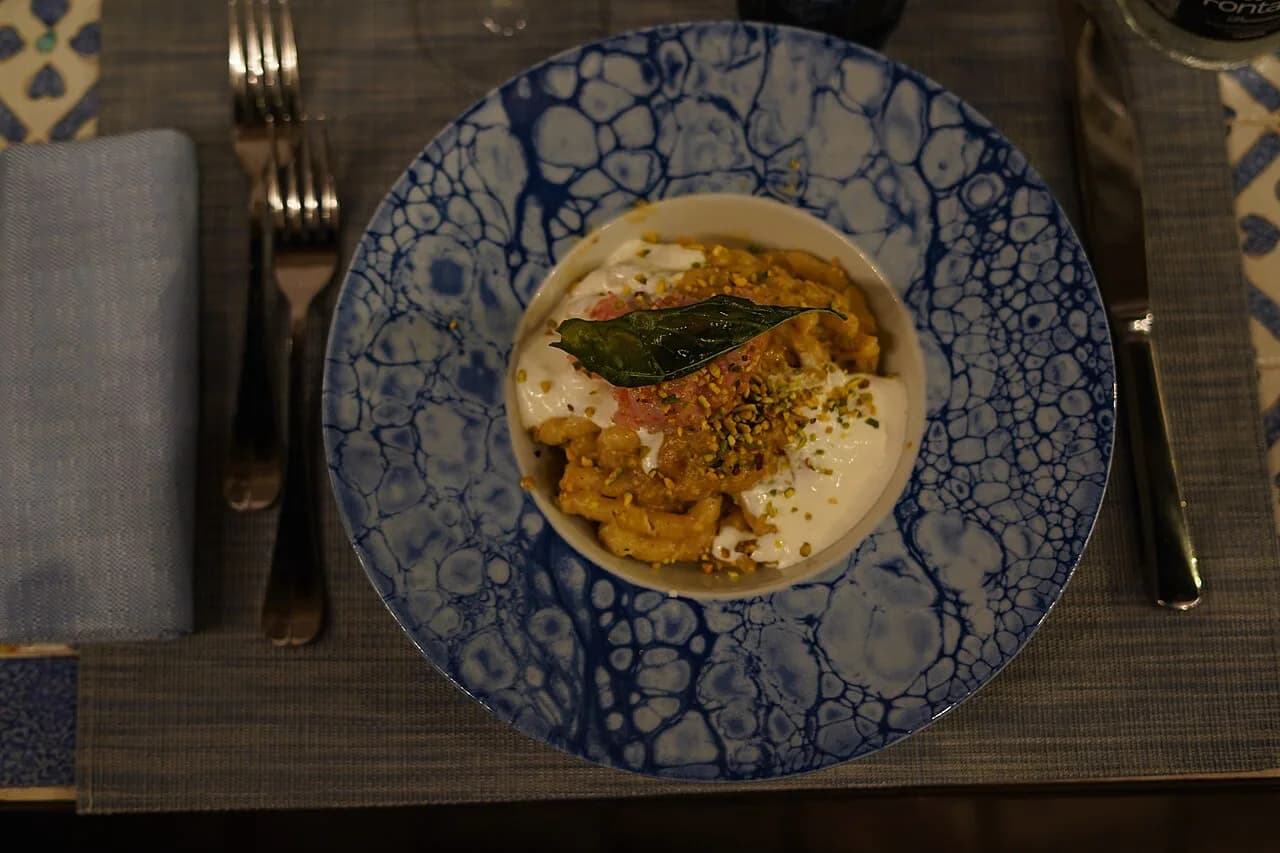
Pisa eats like much of Tuscany, and the shape you will see most often in the region is pici, a thick hand-rolled noodle somewhere between spaghetti and a short pasta, which holds heavy sauces well. Menus also lean on wide ribbons, often with ragù, a slow-cooked meat sauce, and simpler tomato or garlic-and-oil dressings that let the pasta itself do the work.
Ordering by shape rather than by a generic 'pasta' line on the menu is a good habit. Where a menu pairs pici with ragù or with a duck sauce, that usually points to cooking done in the kitchen rather than something bought in. Where a menu only offers spaghetti and penne with interchangeable sauces, expect a decent but unremarkable plate.
If you want to understand the shapes from the inside, fresh pasta is the thing you make in the cooking classes in Pisa, where pici and ribbons come up because they need only flour, water and a little patience.
Trattoria la Tortuga on Via Lucchese
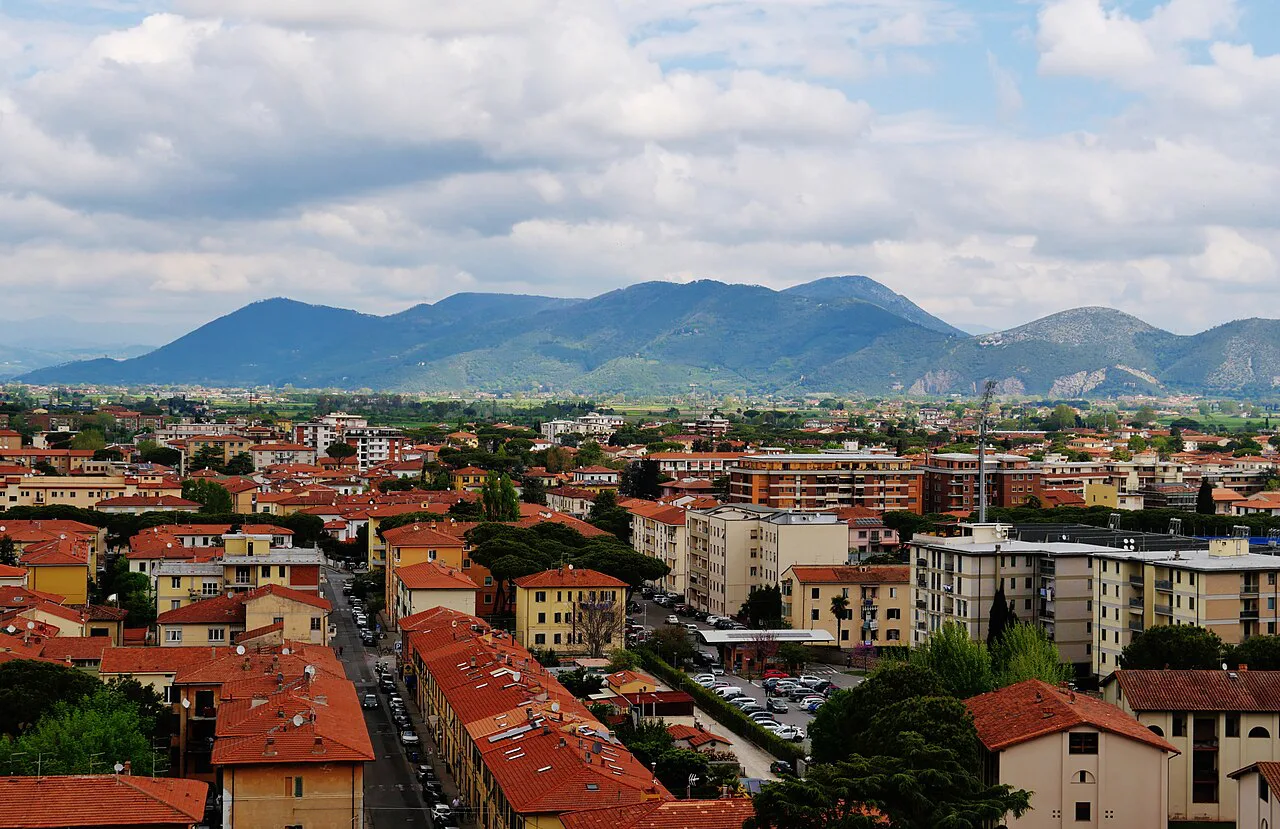
Trattoria la Tortuga on Via Lucchese, 33A is a sit-down address on the eastern edge of the centre. In a city where many of the closest restaurants to the sights are a bit touristy, a table here puts you a step away from the worst of the tourist menus. Treat it as a lunch stop rather than a fast refuel and budget the time for a proper sit-down meal.
Treat it as a lunch stop rather than a fast refuel: pasta here belongs to a proper sit-down meal, so budget the time. For a wider shortlist of similar rooms and what they do best, see our guide to the best restaurants in Pisa.
La Ghiotteria near the Tower
La Ghiotteria, at Vicolo delle Donzelle 9-11, is the convenient option: a short walk from the Leaning Tower, which makes it useful when you want a plate before or after seeing the square. Convenience near the Tower is the whole trade-off, so treat it as a spot for timing rather than the centrepiece of the day.
Use it when timing matters: you want a plate without crossing the city. If you have the hour to spare, walk out to Via Lucchese or into the centre and see what you find. Choose based on how much time you have, and for other rooms worth a look see our guide to the trattorias in Pisa.
Pasta by the sea at Marina di Pisa
Marina di Pisa, where the river meets the coast west of the city, is the seaside option. Two addresses stand out there: Osteria Marina Il Peschereccio on Via della Repubblica Pisana 62, and Pesciolino on Via Litoranea 18. Being by the water, both are the kind of place where seafood is the natural order of the day rather than the meat sauces of the city centre.
The case for the trip is the setting as much as the food: eating outside facing the sea in spring is a different afternoon from a dark trattoria in town. The case against is logistics, since Marina di Pisa sits outside the city. Do it on a day when the coast is the point and the pasta is the reward, not as a rushed detour between sights.
Budget plates: Ristorante Turrido, Capatosta and Lo Sfizio
For pasta and pizza without a big bill, three names to start from are Ristorante Turrido, Capatosta and Lo Sfizio. Expect simpler plates and shorter menus than a proper trattoria lunch. These are the places to keep in mind when you want two courses without watching the total.
If pizza is what you actually want, Capatosta and Lo Sfizio belong on your shortlist, and our guide to the best pizza in Pisa covers the rest of the city's pizzerias. Budget places fill fast at peak Italian dinner time, so arriving early or late is the simplest way to avoid a wait.
How to order pasta: primi versus secondi
In an Italian meal, pasta is a primo, a first course that comes before a secondo of meat or fish. A plate of pasta is a course, not the whole dinner, and ordering only a primo is perfectly normal if you are eating light. If you want a full meal, add a secondo and perhaps a contorno, a vegetable side, rather than ordering two pastas.
Portions at a trattoria are usually generous enough that sharing a primo as a starter works for two people, though some kitchens prefer each diner to order. The safe approach is to order your own plate and share a secondo. Say 'un primo a testa' (a first course each) or ask whether a plate can be split before you assume.
Ordering and paying: coperto and the conto
Many sit-down restaurants in Pisa add a coperto, a per-person cover charge that pays for bread and service, on top of the menu prices. It is legal and standard, not a scam. Check whether it is listed in small print on the menu, and treat the total as menu price plus coperto per head.
At the end, ask for the conto, the bill, rather than waiting for it to arrive; lingering over an empty table is not the custom. Tipping is not obligatory, and rounding up is enough.
Lunch or dinner: which pasta meal suits your day
Lunch is the better sit-down slot in Pisa. Service is faster, tables are easier to get, and a plate of pasta followed by a coffee leaves the afternoon free. Dinner suits a slower meal with a secondo, but popular trattorias fill up, so it is worth booking ahead where the restaurant takes reservations.
If your day is built around the square, keep the meal simple and eat near the Tower or back in the centre rather than crossing town. For a coffee and a pastry before a morning of walking, see our breakfast in Pisa guide, and food markets in Pisa are another option for a picnic lunch when the weather is kind; our lunch guide covers more plates around the square.
Which pasta lunch to book
For a pasta lunch in Pisa, Trattoria la Tortuga on Via Lucchese is the sit-down pick away from the crowds, La Ghiotteria is the one when the Tower is the priority, and Marina di Pisa is the one when the sea is the point. For a cheaper plate, Ristorante Turrido, Capatosta and Lo Sfizio are good names to start from.
Order a primo of pici or ribbons with ragù, add a secondo only if you are hungry, and expect a coperto on the bill. Book ahead for dinner at the popular rooms, and go early for the budget places that fill up.
Explore more Pisa food guides
Frequently Asked Questions
What pasta is Pisa known for?
Pisa shares Tuscany's repertoire, so the shape to look for is pici, a thick hand-rolled noodle, often served with ragù or simpler sauces. Menus also lean on wide ribbons and tomato-based dressings. Ask what is made in house to find the local shapes.
Do you need to book pasta restaurants in Pisa?
For lunch, usually not: tables turn quickly and you can often walk in. For dinner at popular trattorias, booking ahead is sensible, especially at weekends. Budget places fill up, so arriving early or late is the simplest way to avoid a wait.
Is it rude not to finish pasta in Italy?
No. Leaving food is not an insult, and portions at trattorias can be large. If you want to avoid waste, ask for a smaller portion or share a plate where the kitchen allows it. Tipping is not obligatory, and rounding up the bill is enough.
Sources
Notes for your next meal in Italy
Optional updates to our food guides.
You might also like
Continue reading
More guides you'll find useful