Pizza in Trapani: Where to Eat It and How to Order
Pizza in Trapani means a thick, oily base cut into small pieces. Here is Pizzeria Calvino, the queue system and how to order for a group.
On this page
Trapani pizza is not Neapolitan. The base is thick, closer to focaccia, and it is brushed with olive oil before it goes into the oven, so a single pizza fills you faster than a thin Roman one. That changes how you order: fewer pies per table, and no assumption that everyone wants a whole one. This guide covers the historic pizzeria worth queuing for, the local pizza rianata, and how a pizza evening slots into a Trapani eating day built around seafood and street food. Our best restaurants in Trapani picks the wider table worth building the day around.
What Trapanese pizza actually is
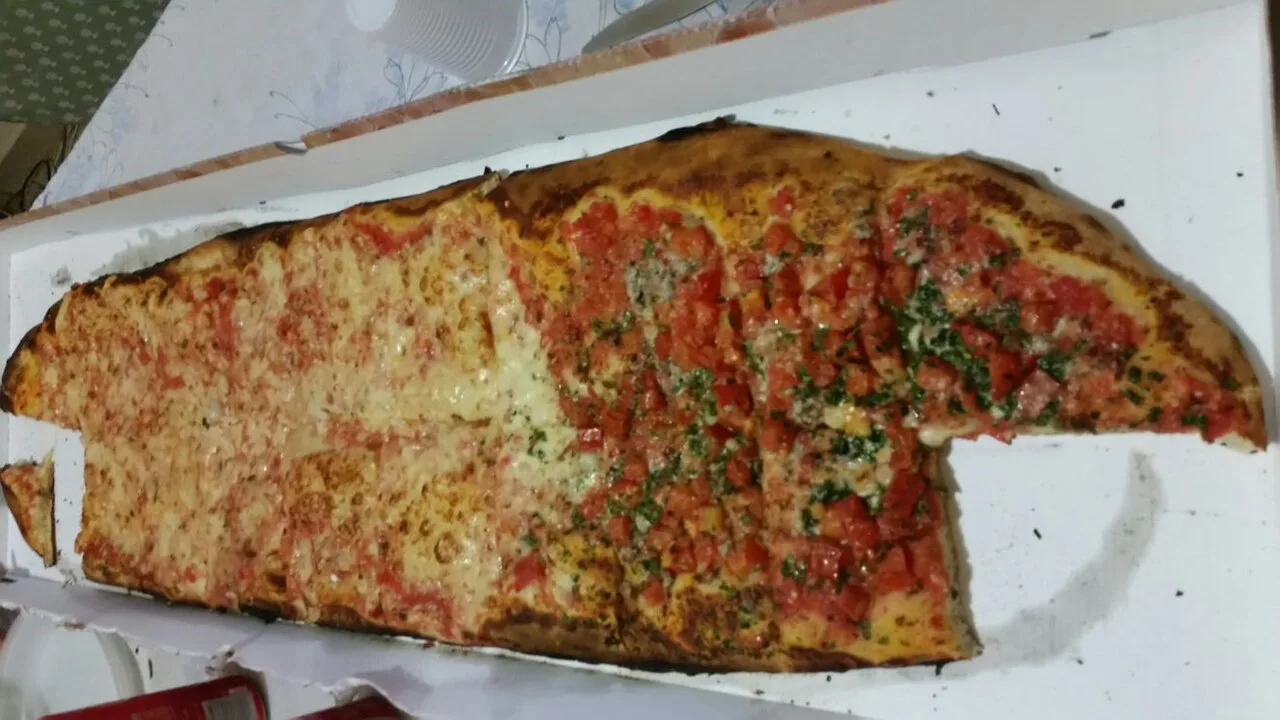
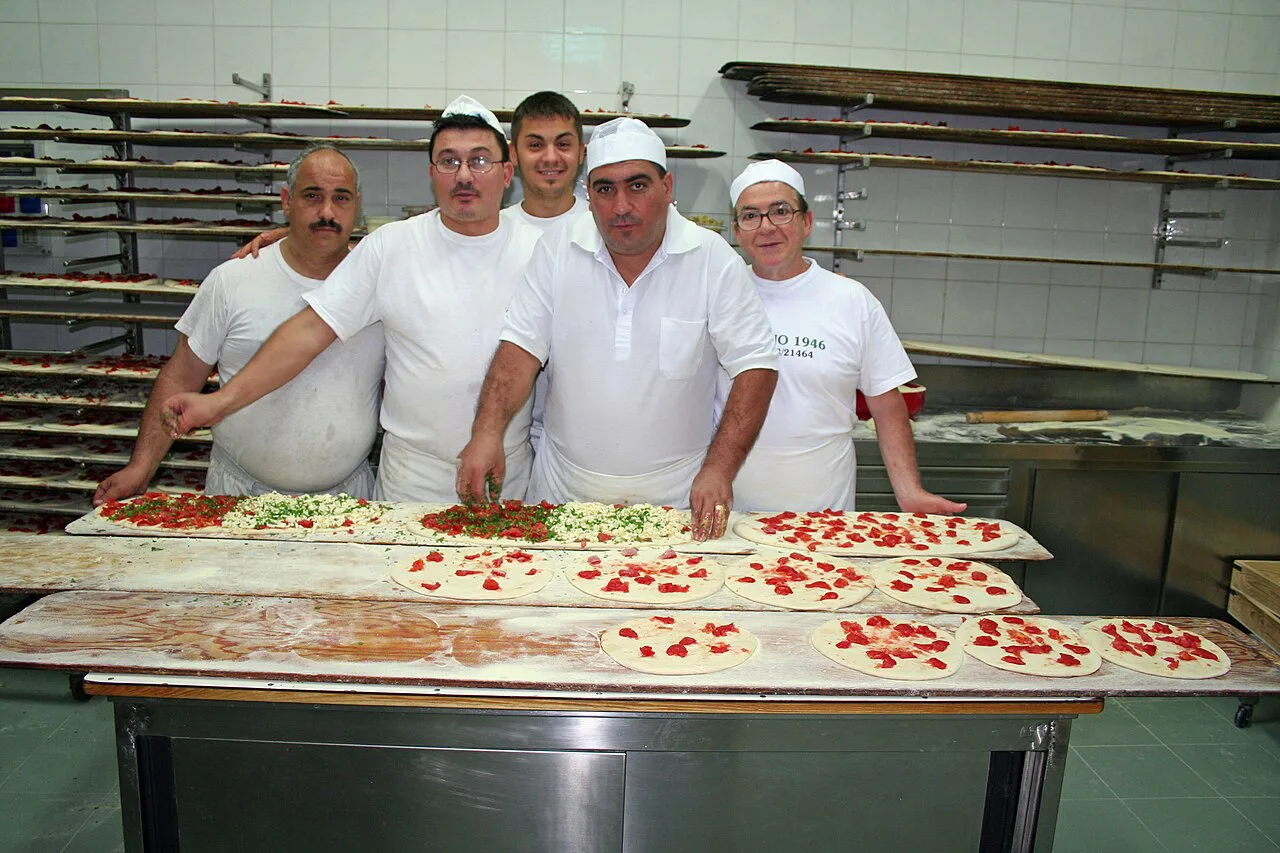
The dough at a Trapani pizzeria can be noticeably thicker than the Neapolitan standard, and the kitchen pours olive oil over it before baking. The result is a crisp, oily crust that behaves more like a focaccia than a blistered cornicione.
Service style follows from that. Pizzas arrive cut into small pieces rather than left whole, which makes them easy to share across a table. Because a thick base fills you faster than a thin one, order fewer pies than you would per head in Rome and add a starter if the table is hungry.
Trapani also has its own flat bake, the pizza rianata, a tomato base heavily seasoned with oregano. It is the plainer cousin of the pizzeria pie and turns up in bakeries and casual spots as well as sit-down places, and it works well as a quick lunch.
Pizzeria Calvino: the historic address
Pizzeria Calvino is the Trapani pizzeria that comes up again and again, and it has been running since 1946. The pizza is the thick, olive-oil-brushed kind, and the topping to try first is aubergine with tomato.
Is Trapani pizza different from Neapolitan pizza? Yes. The Trapanese base is thicker and closer to focaccia, and it is brushed with olive oil before baking, which gives it a crisp, oily crust.
Do you need to book a table at Trapani pizzerias? At the historic place covered here the system described is a list of names kept at the door rather than a reservation book, so you wait your turn. Smaller sit-down pizzerias and trattorias generally take you at the table, but booking arrangements vary, so confirm on the day if it matters.
What is pizza rianata? It is a local flat bake with tomato and plenty of oregano, sold in bakeries and casual counters as well as pizzerias. It is plainer than the oil-brushed pizzeria pizza and works well as a quick lunch.
The queue is part of the experience. On a Friday night in the late 2010s, arriving a few minutes after nine, there was already a list of names in a notebook at the door and roughly half an hour to wait for a table. Put your name down first, then study the menu and watch the kitchen work while you wait.
The system described is a name on a list and a wait rather than a reservation book, so the practical move is to arrive earlier than you want to eat or accept that a late Friday table means standing around.
Pizza rianata and the baker's counter
Pizza rianata is the local answer to a quick slice: tomato, plenty of oregano and a modest amount of cheese, sold by bakeries and casual counters as much as by pizzerias. It is a different pleasure from the oil-brushed pizzeria base, closer to bread with a savoury topping.
Trapani's bakeries also sell pane cunzato, a sesame-studded Sicilian loaf dressed with olive oil, salted anchovies, oregano, pecorino and tomato. It is assembled ahead and left to sit, so the best version is the one that has been resting a while rather than the freshest.
Both make a sensible lunch when your day is built around the salt pans and the coast, leaving the evening free for a proper table.
How a pizza evening works
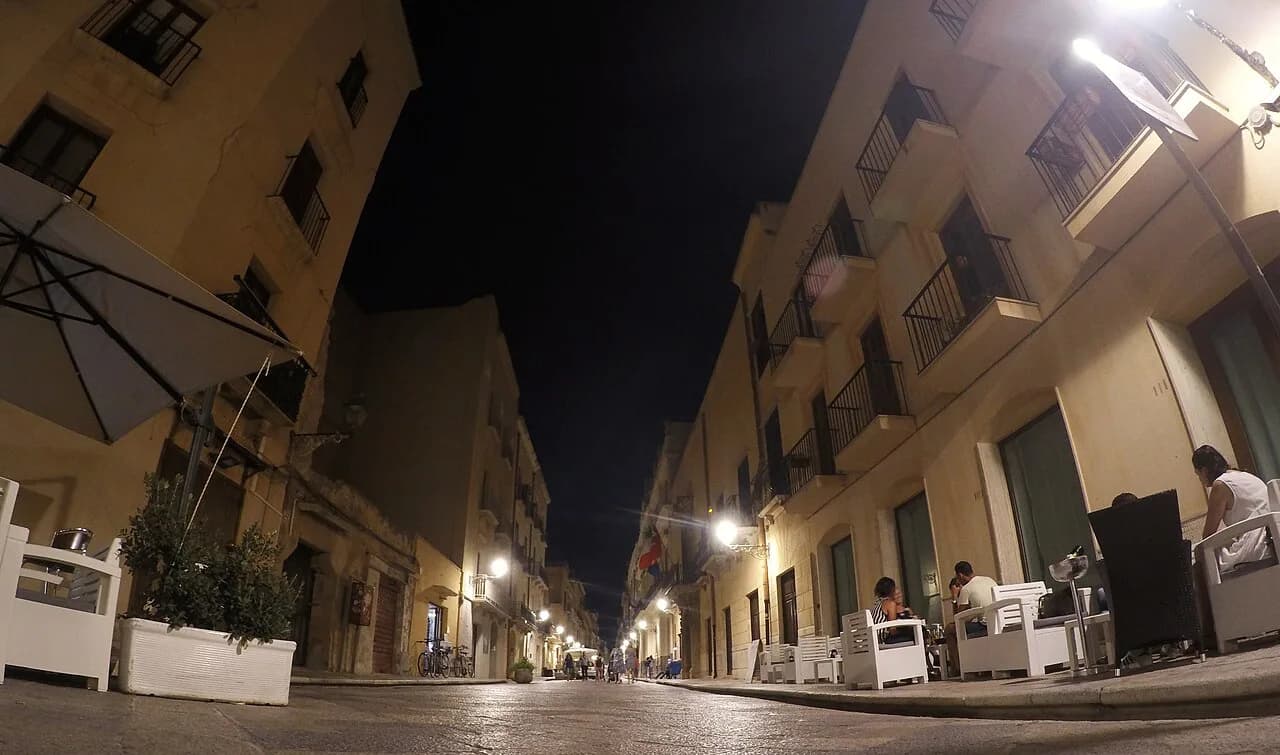
Trapani's historic centre comes alive in the evening, especially in summer. Shutters go up from around five and the bars start serving aperitivi ahead of dinner, so a pizza at nine or later is normal rather than late.
Expect a coperto, the per-person cover charge that appears on many sit-down bills in Italy, though not every venue adds one. At Calvino the bill was settled at the till, and the reviewer paid in cash, so keep a little cash on you.
If a queue is not how you want to spend an evening, the alternative is a sit-down pizzeria or trattoria in the centro storico where you take a table and order. The trade-off is a slower meal and a higher bill in exchange for no waiting in the street, and our guide to trattorias in Trapani maps out those tables.
What to eat before and after the pizza
Start with fritti misto di mare, a mixed plate of fried seafood usually made up of prawns, squid and octopus. It is cheap, quick and standard across Sicily, and it keeps a table happy while the pizza bakes.
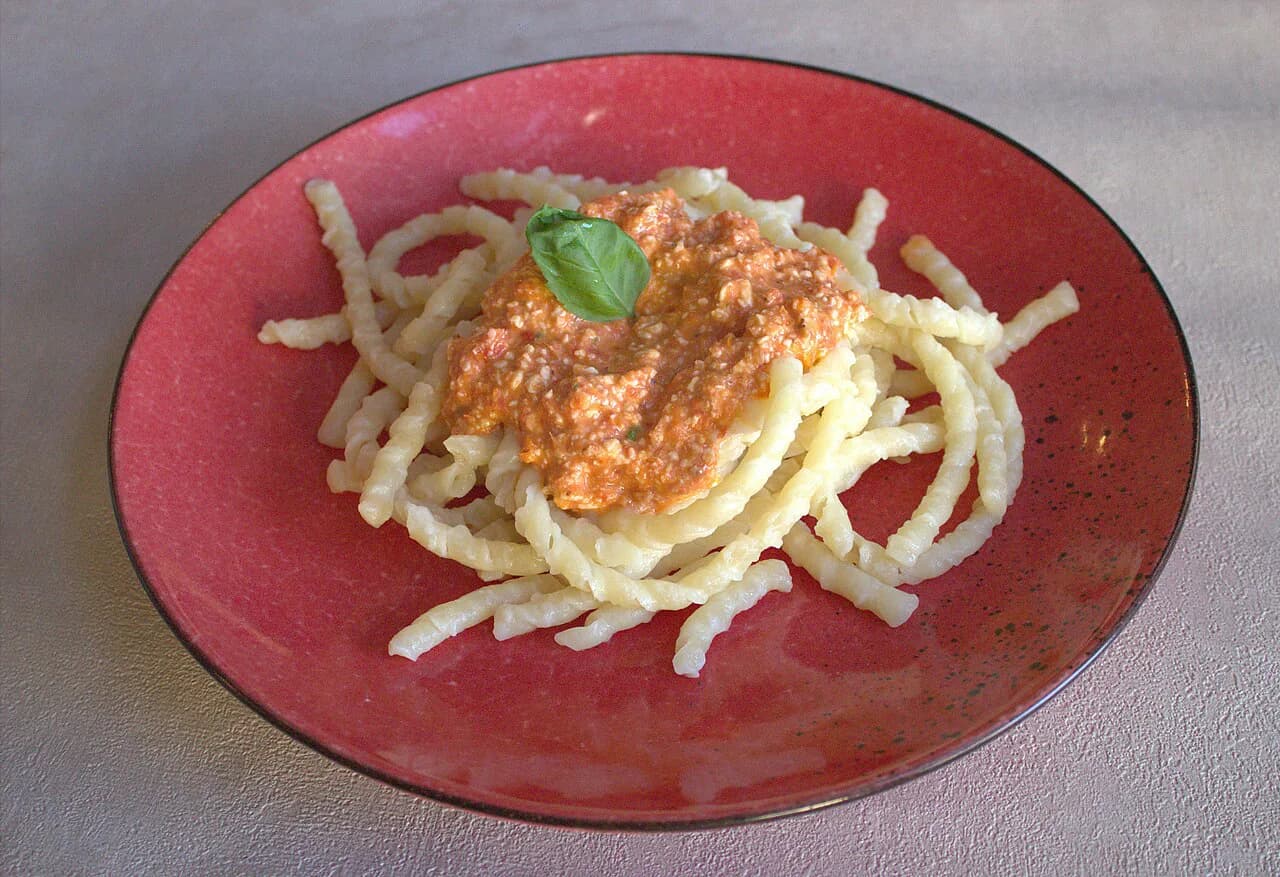
If you want a full seafood meal rather than pizza, the Trapanese classics are couscous cooked with mixed fish broth and busiate, the local twisted pasta, dressed with pesto trapanese. Both belong to the trattoria side of the city, not the pizzeria.
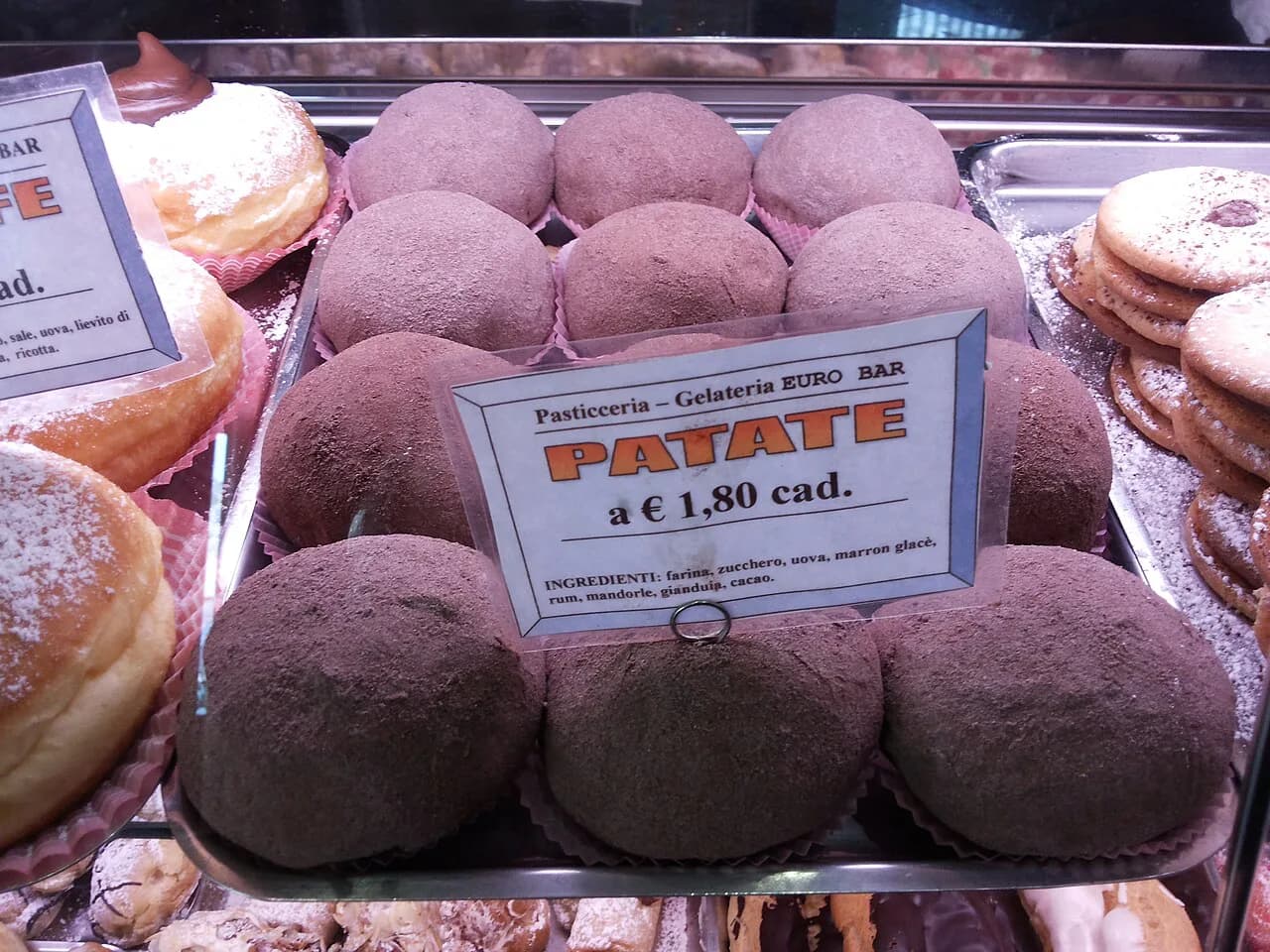
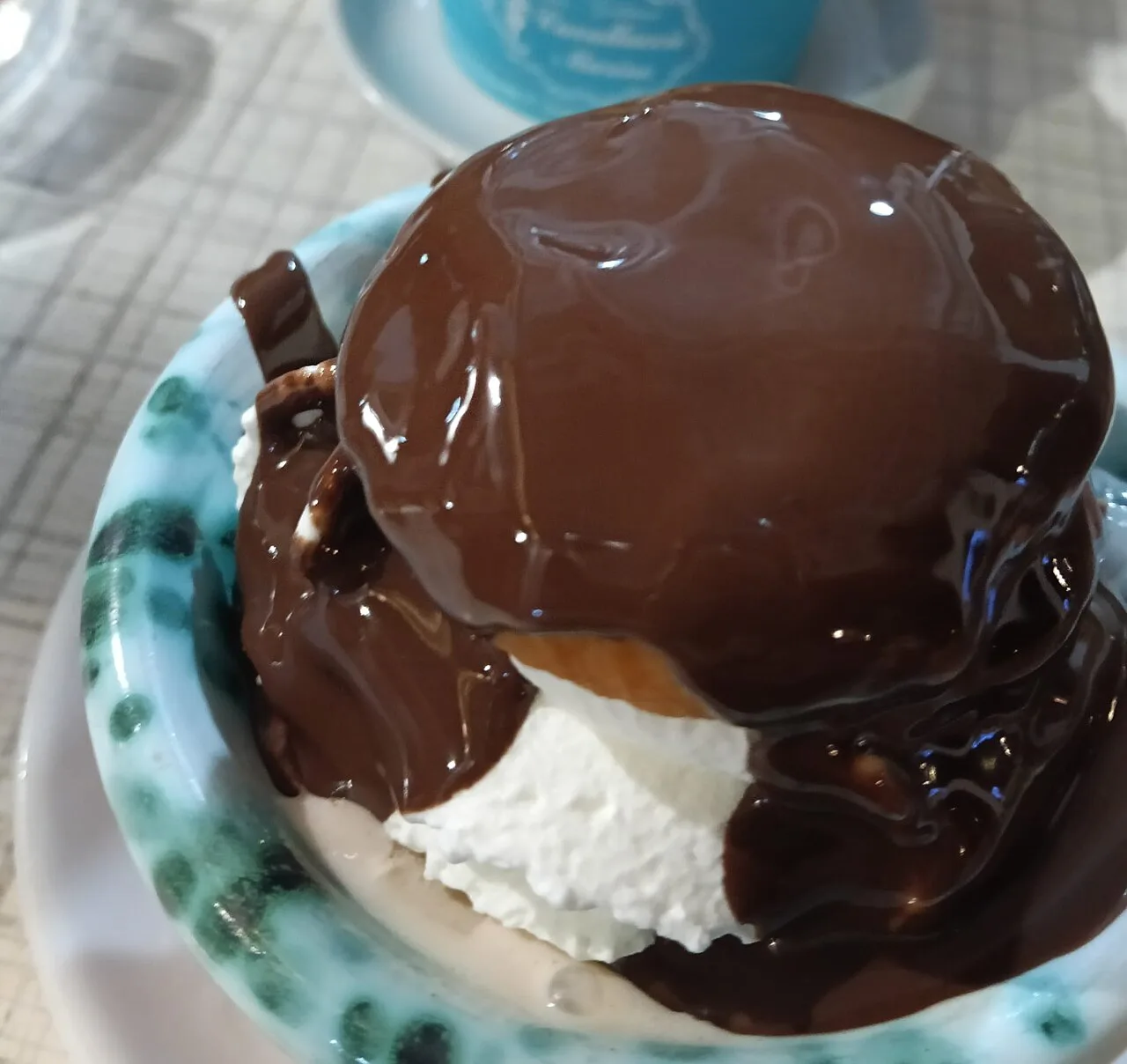
Afterwards, gelato is the obvious finish, and Trapani does fruit flavours well. Finish with a pastry if you have room, or move the sweet course to the next morning with a granita and brioche.
What to drink with a Trapani pizza
Local beer is the easy choice with a thick, oily base. Keep it to one or two; the point is the food and the evening air, not the volume.
Zibibbo, the aromatic grape grown around Trapani and on Pantelleria, appears as a light white as well as a sweet wine. A glass of the dry version works with seafood starters and does not overwhelm the pizza.
Pizza as a quick lunch or a long evening
A day spent around the salt pans and the lagoon reserves suits a fast lunch: a slice of rianata, a pane cunzato or a paper cone of fried seafood, then a proper dinner. Pizza fits the evening better, because the good places fill up and the wait is part of the plan.
If your day is packed, an arancino from a rosticceria is the fastest sit-down-free option; in Trapani the shape and filling vary, and the rice ball is a meal in itself. Save the pizzeria queue for a night when you have nothing else booked.
For a first visit, a sensible shape to the day is pane cunzato or a bakery lunch, an aperitivo in the early evening, then pizza once the queue has formed and the kitchen is in its stride.
Is the Calvino queue worth it?
Yes, if you want to taste what makes Trapanese pizza different. The thick, oil-brushed base and the aubergine-and-tomato topping are the reason to go, and half an hour in a named queue is a fair price for the city's benchmark pie.
If your evening is short or you are feeding a group with different tastes, take a table at a centro storico trattoria instead and put the pizza night on a day when a wait costs you nothing.
Explore more Trapani food guides
Frequently Asked Questions
Is Trapani pizza different from Neapolitan pizza?
Yes. The Trapanese base is thicker and closer to focaccia, and it is brushed with olive oil before baking, which gives it a crisp, oily crust. At the pizzeria described, it is also cut into small pieces rather than served whole.
Do you need to book a table at Trapani pizzerias?
At the historic place covered here the system described is a list of names kept at the door rather than a reservation book, so you wait your turn. Smaller sit-down pizzerias and trattorias generally take you at the table, but booking arrangements vary, so confirm on the day if it matters. A pizzeria queue is best saved for a night when nothing else is booked.
What is pizza rianata?
It is a local flat bake with tomato and plenty of oregano, sold in bakeries and casual counters as well as pizzerias. It is plainer than the oil-brushed pizzeria pizza and works well as a quick lunch.
Sources
Notes for your next meal in Italy
Optional updates to our food guides.
You might also like
Continue reading
More guides you'll find useful