Street Food in Trapani: What to Eat and Where
A practical guide to street food in Trapani, from the fish-market square to the fried Sicilian snacks and the summer festival that fills the piazza.
On this page
Street food in Trapani means handheld Sicilian classics eaten standing up: panelle and arancine in the Palermitan style, sarde a beccafico, boiled octopus and hand-made granita. The city's natural address for it is the Piazza Mercato del Pesce, the old fish-market square, which hosts the Stragusto street-food and market festival each summer.
This guide separates what you can eat on an ordinary day from the once-a-year festival menu, names each snack in plain English so you can order without pointing, and explains the token system that trips up first-time festival visitors.
What counts as street food in Trapani
Trapani's street food is built on the fried and the handheld rather than the knife-and-fork plate. Chickpea-flour fritters, rice balls, offal rolls and sesame-coated sardines are all eaten from paper with your fingers, and the seafood market setting matters as much as the cooking.
Think of it as a way of eating rather than a fixed menu: a couple of small items at a stall, a granita at a counter, then a proper sit-down meal later if you want one. That rhythm suits a port city where the market square has always been the place to grab something fast.
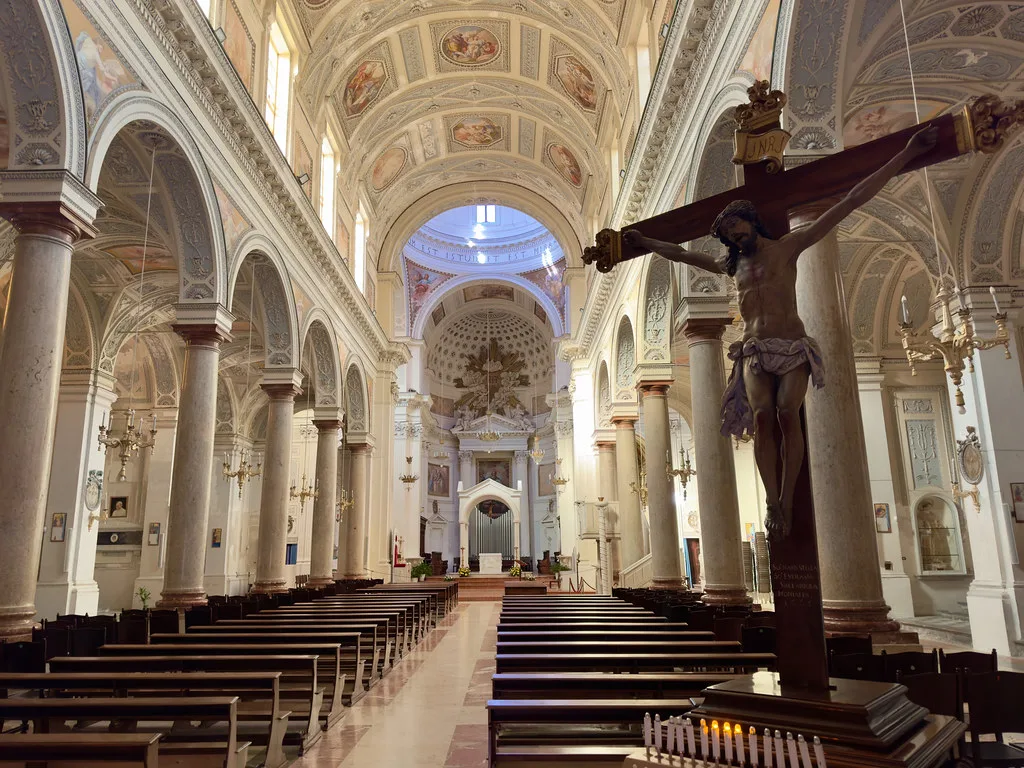
Piazza Mercato del Pesce: the city's street-food address
The Piazza Mercato del Pesce is the square that gives Trapani's street food its stage. Stragusto, the international street-food and market festival, sets up here, and the organisers describe the event as a way of recovering and valuing the work of street-food producers who hand down a region's cooking from generation to generation.
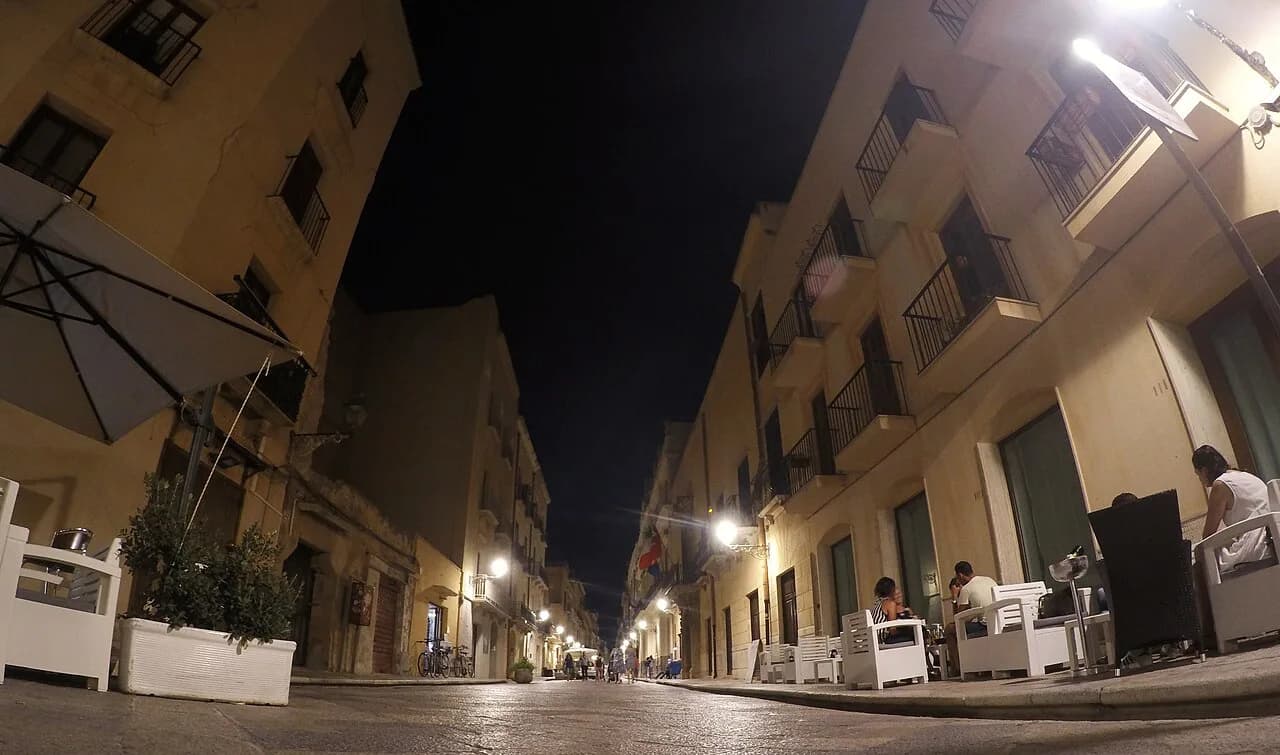
Outside festival days, the square and the streets around it are where you should base a grazing walk. It sits close to the water, so you can combine a market bite with a look at the harbour before moving inland for coffee or a sit-down lunch.
Panelle, arancine and meusa: the Palermitan staples
Three Palermitan street foods turn up at Trapani's festival stalls under their own names. Panelle are thin chickpea-flour fritters, usually eaten in a sesame roll; arancine are fried rice balls, round in Palermo and conical as arancini elsewhere; meusa is the Palermitan offal roll, typically spleen and lung simmered and stuffed into bread.
If you have never tried meusa, order it as a small portion first; it is rich and offal-forward, and it divides people. Panelle and arancine are the safer entry point for anyone unsure about texture.
Trapani and western Sicilian specialities
Beyond the Palermitan imports, western Sicilian cooking brings sarde a beccafico to the stalls: sardines rolled around a sweet-savoury breadcrumb filling of pine nuts, raisins and herbs, then baked or fried. Boiled octopus, dressed simply and sold by the piece, is the other seafood snack to look for.
Pork from the Nebrodi mountains also appears as porchetta, the herb-stuffed roast pig sliced into sandwiches. It is a heavier option than the seafood snacks, so pick one or the other if you plan a proper lunch afterwards.
Sweet street food: granita and Madonie torrone
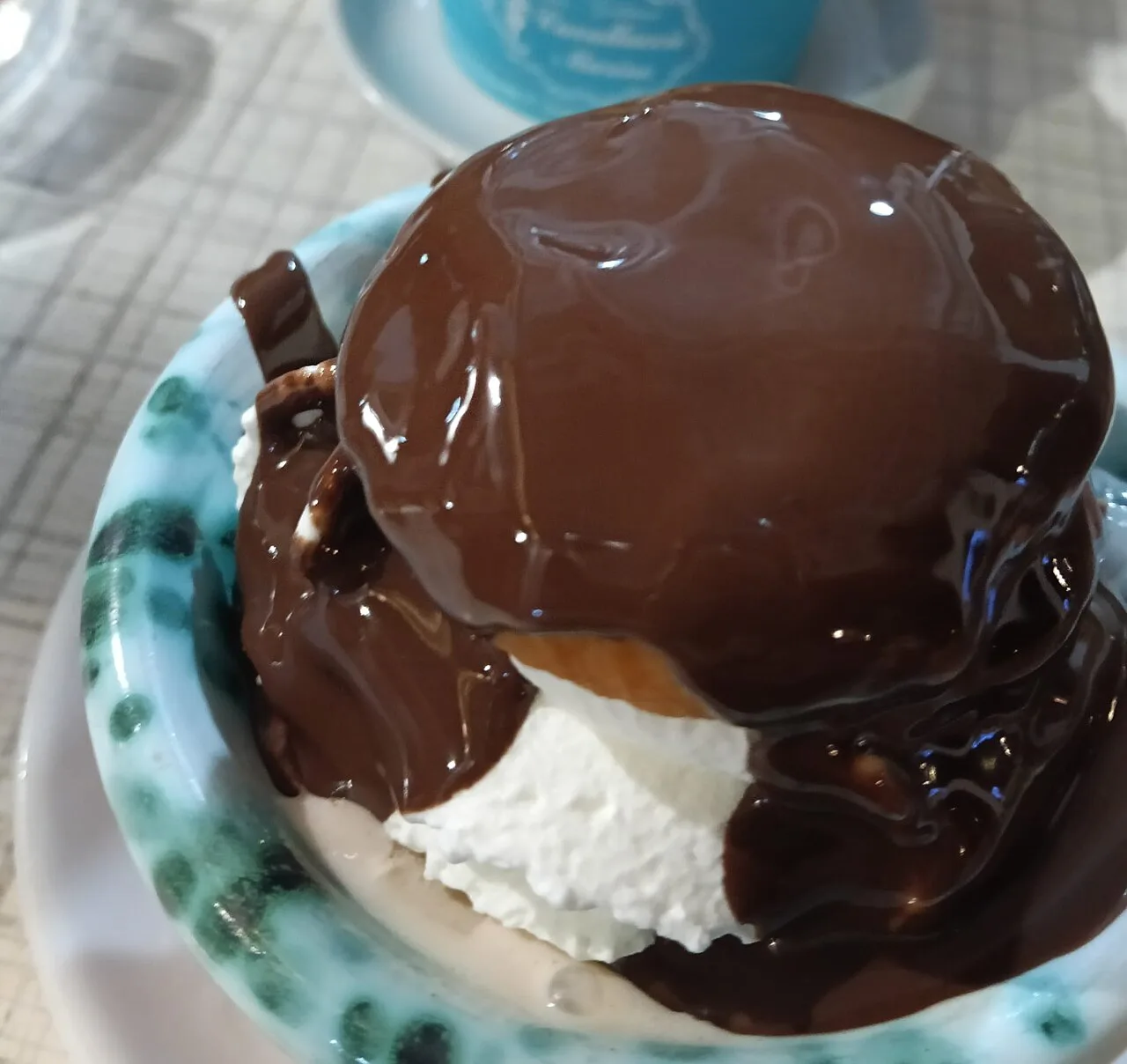
Trapani's sweet street food leans on two Sicilian traditions. Hand-made granita, whisked using the technique of the Madonie hills, is the cold option; torrone from the Torronificio delle Madonie is the chewy almond-and-honey nougat to take away, and yellow melon turns up as a simple summer snack.
Order granita by flavour and drink it before it melts; it is a breakfast and afternoon habit in Sicily, not a dessert after dinner. Torrone travels well, so it makes more sense as something to carry home than as a snack on the spot.
Stragusto: the street-food and market festival
Stragusto is the reason the Piazza Mercato del Pesce is the obvious place to start. The festival brings together street-food producers from across Sicily and beyond, with stalls representing Trapani, Palermo, Catania, Messina, Abruzzo, Florence, Ascoli and Mexico among others, and it is organised by Trapani Welcome with the Pro Loco Trapani Centro and the patronage of the Comune di Trapani.
Past editions have run across several days in late July, but the festival's own site currently carries a notice that the event has been cancelled because of a location problem, and its news items refer to earlier years. Check the festival's programme page before you build a trip around it.
How a festival stall works: tokens first
At Stragusto you do not hand cash to each stall. The festival runs information points and token sales desks, including one on Via Ammiraglio Staiti and others through local agencies, and you buy gettoni (tokens) that you then exchange for food at the stands. For a sit-down meal after the market, see our pick of the Best Restaurants in Trapani.
The practical consequence is that you should buy tokens once near the entrance rather than queue at every stall. Ask at the information point how many tokens a portion costs before committing, and keep a few spare for a granita or a coffee at the end.
What else turns up at the festival
The stall line-up shifts from year to year, but the Sicilian core has held: panelle, arancine and meusa from Palermo, porchetta from the Nebrodi, boiled octopus, sarde a beccafico, granita and torrone from the Madonie.
Further afield, past editions have featured Abruzzo, Florentine and Ascoli specialities alongside Mexican cooking and a wine tasting on the Mura di Tramontana. Treat those as past examples rather than a promise of what will be there when you visit.
Street food or a seated lunch?
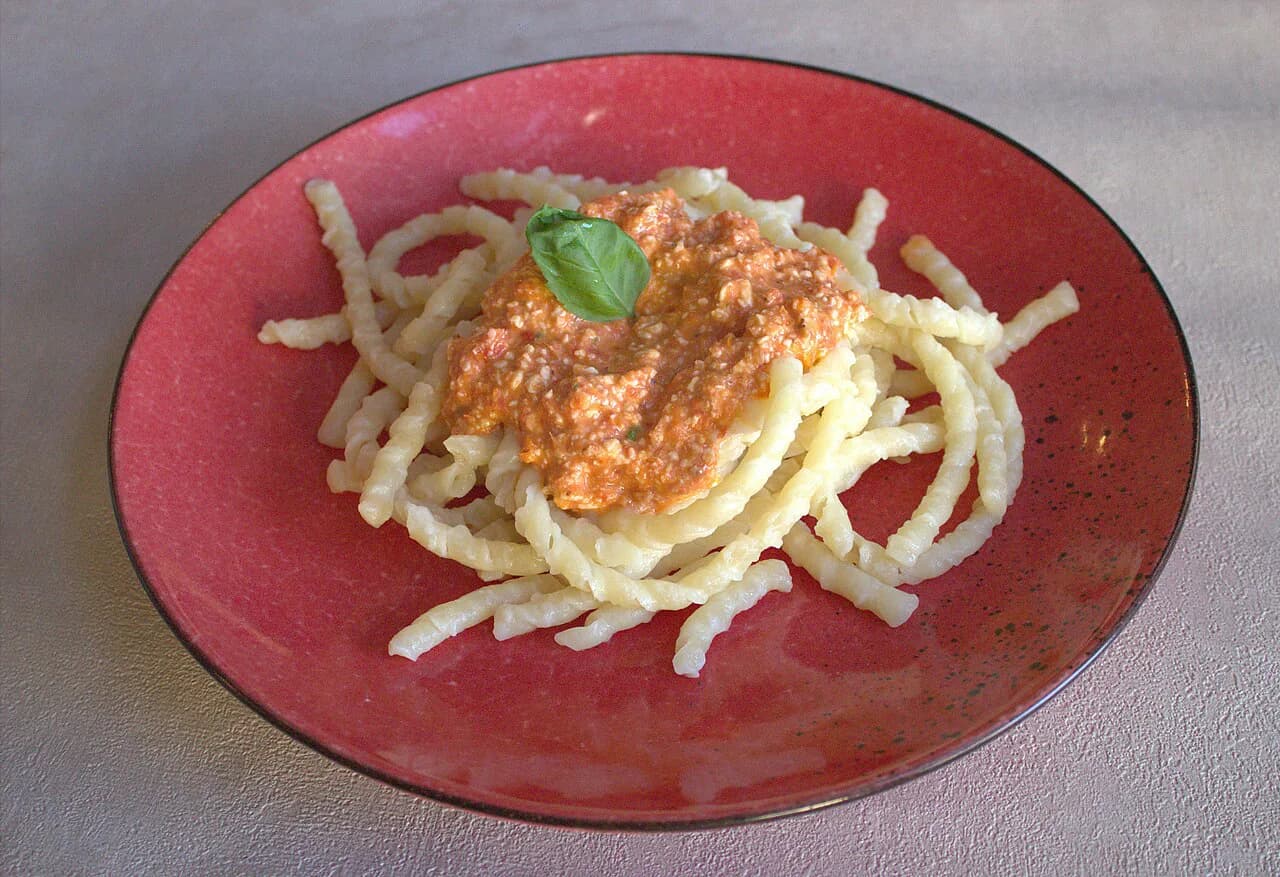
Trapani is a working port, so the best seafood lunches sit a short walk from the market square. If you want busiate, the local twisted pasta, or a proper fish course, graze lightly at the stalls and book a table for the evening instead of the afternoon.
Street food wins when you are short of time, eating alone, or want to try several things in one afternoon. A seated lunch wins when you want a full plate of pasta and a slower pace, especially in the heat.
How to order and eat on your feet
Point at what you want, say the name, and pay in tokens or cash depending on the stall. Portions at street-food stands are usually small, so two or three items make a light meal; portions of porchetta or a full arancina are heavier.
Eat where you stand rather than walking with food through the crowds, and keep a napkin handy for the fried items. If you want a sit-down meal later, the Trattorias in Trapani make a natural next stop after the market.
Is Trapani's street food worth planning around?
Yes, if you treat it as a snack culture rather than a full menu. Panelle and arancine, sarde a beccafico, boiled octopus and a granita make a satisfying graze through the market square, and the seafood lunches nearby are there when you want to sit down.
The Stragusto festival is the concentrated version of the same food, but its own site currently flags a cancellation, so build an ordinary-day grazing plan first and treat the festival as a bonus if it runs.
Explore more Trapani food guides
Frequently Asked Questions
What food is Trapani famous for?
Trapani is known for its seafood and western Sicilian cooking, including sarde a beccafico (stuffed sardines), boiled octopus and busiate, the local twisted pasta. On the street-food side, the Palermitan classics panelle and arancine also turn up at festival stalls, alongside granita and torrone from the Madonie hills.
What are the most popular street foods in Sicily?
Panelle (chickpea-flour fritters), arancine (fried rice balls) and meusa (a Palermitan offal roll) are the best-known street foods, and all three feature at Stragusto stalls. In the west of the island you will also find sarde a beccafico, boiled octopus and hand-made granita.
Do you need tokens to eat at Stragusto?
The festival's own site lists information points and token sales desks, including on Via Ammiraglio Staiti and through local agencies, with gettoni exchanged for food at the stalls. The practical move is to buy a batch at the start rather than queue repeatedly, and to ask how many tokens a portion costs before ordering.
Is there a street-food festival in Trapani every year?
The Piazza Mercato del Pesce has hosted Stragusto across several days in summer, in past editions including late July. The festival's own site currently carries a cancellation notice for the location, so check its programme before making plans around it.
Sources
Notes for your next meal in Italy
Optional updates to our food guides.
You might also like
Continue reading
More guides you'll find useful