Best Restaurants in Trapani: Where to Eat and What to Pick
Our pick of the best restaurants in Trapani, from a fisherman's tavern serving seafood couscous to breakfast counters, granita and bakeries.
On this page
The best restaurant meal in Trapani is seafood couscous at Antichi Sapori, a tavern on Corso Vittorio Emanuele that once served fishermen; the best things either side of it come from counters, not dining rooms. Breakfast means a graffa with ricotta at Galati, and a granita alla mandorla at Colicchia is a coarse, chewed affair rather than a drink. This guide covers the three addresses worth planning a day around and the dishes to order at each.
Trapani cooking runs on the fish of the Egadi islands, tuna, and the west Sicilian rosticceria tradition of trays and fryers. Even rooms with a heavy tourist footfall tend to keep the identity dishes on the menu, and the cooking is often good value for what lands on the table.
What Trapani cooking is
Fish is the spine of the cuisine: Egadi catch, tuna, and shellfish, often cooked without much adornment so the fish does the talking. Couscous di pesce, the steamed semolina with a fish broth, is the dish most associated with the city and the one to order first.
Then there is the rosticceria side, where bakeries and bars turn out fried and baked savouries that can stand in for a whole lunch. The vocabulary is western Sicilian: arancine spelled with the final e, focaccine, romanelle, and small fried bombe. Between the two traditions you have a full eating day without ever sitting down for a long dinner.
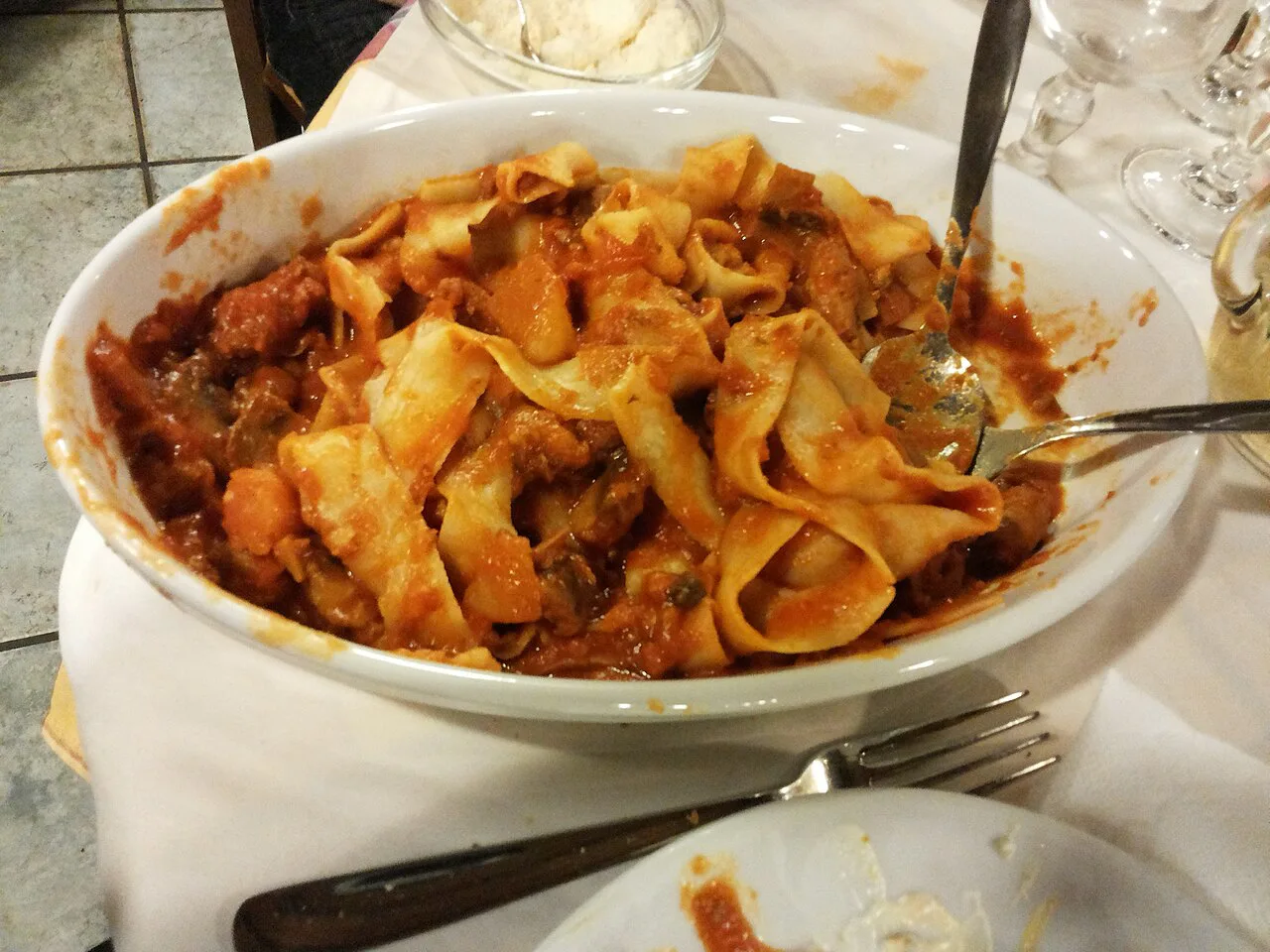
Antichi Sapori: a fisherman's tavern on Corso Vittorio Emanuele
Antichi Sapori occupies the vaulted rooms of an old tavern at Corso Vittorio Emanuele 191, with Arab-style arches, photographs of fishing and tuna nets on the walls, and low lighting. Brothers Angelo and Francesco Lorito have run it since 2002, and Angelo cooks; the menu is built on fish from the Egadi and recipes the fishermen's wives handed down.
Order the seafood couscous, the house speciality, and let the rest of the table take fish cooked plainly so you can taste the difference between the catch and the sauce. It is a proper sit-down dinner in the heart of the old town, which makes it the natural anchor for an evening rather than a quick stop.
If you want the same seafood cooking in less formal rooms, Trapani has plenty of places doing shorter menus in the centro storico, and our guide to Trattorias in Trapani picks out the ones worth a table. Compare a couple of menus against Antichi Sapori's before settling on a single dinner booking, because the range of price and formality across the city is wide. If you are weighing the same decision on another island, the best restaurants in Alghero make a useful comparison for a seafood-led old town.
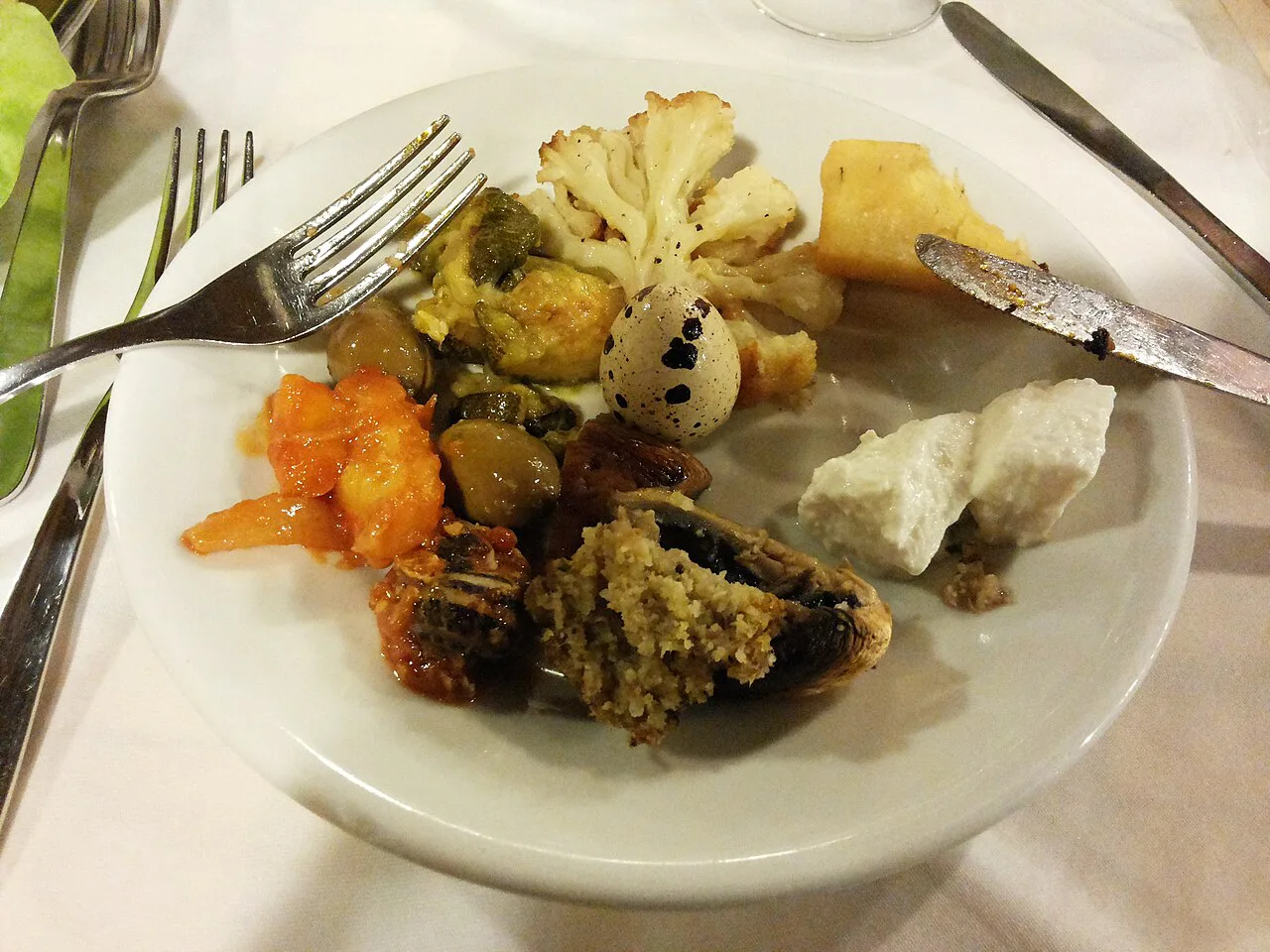
Seafood done plainly: what to order
When the fish is the point, keep the order simple: a plate of raw or lightly cured fish to start, then a whole fish or a seafood couscous to share, and a vegetable contorno on the side. Ask what came in that morning rather than working from the printed list, because the catch changes and the kitchen cooks around it.
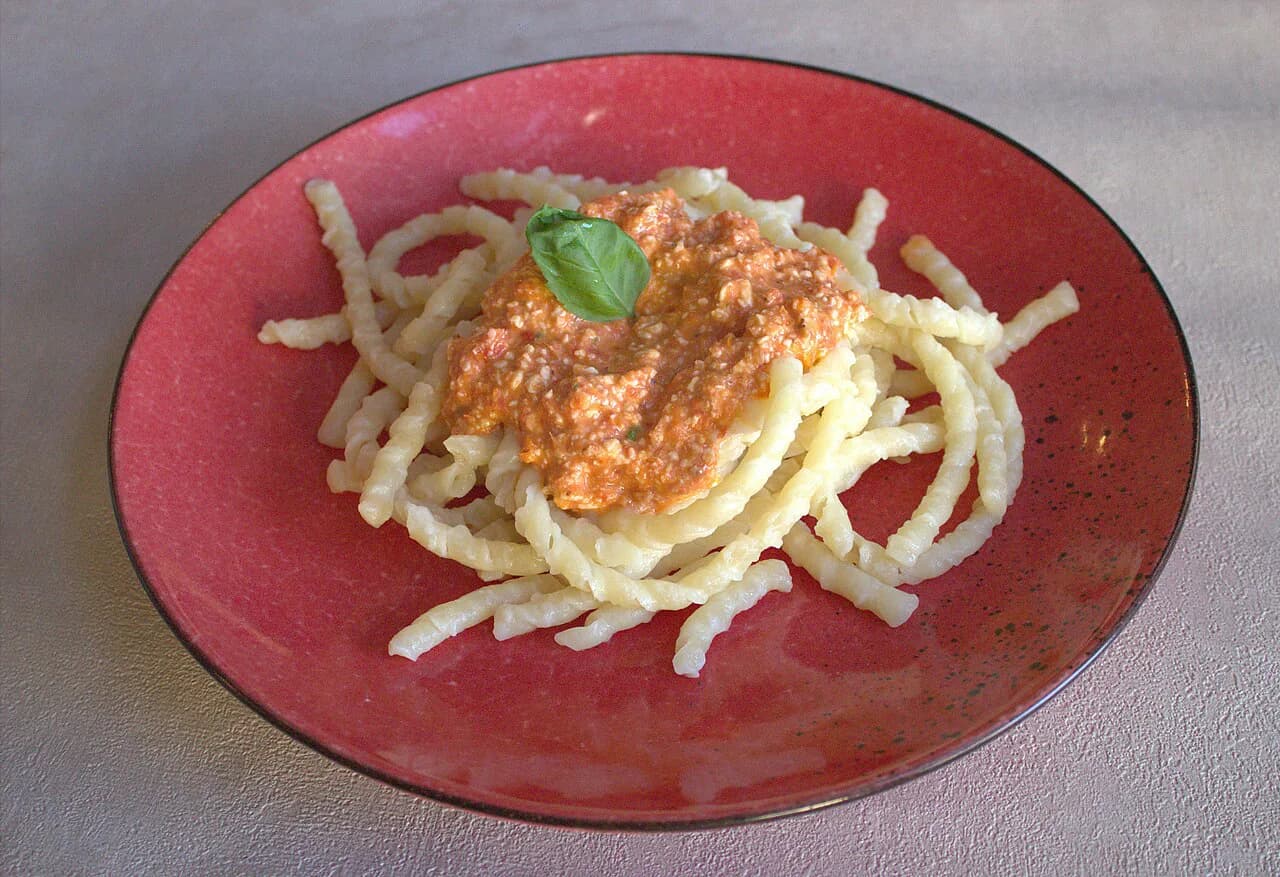
Pasta with seafood is the other safe bet, and the local shapes matter. Busiate, the twisted Trapanese pasta, carries a heavy fish or tomato sauce well; the city has its own version of pesto trapanese, made with almonds and tomato rather than basil, which is worth ordering at least once as a first course.
The lobster soup of the Egadi
Zuppa di aragosta delle Egadi, the spiny lobster soup of the islands, is the benchmark dish of Trapanese cooking and far from universal on menus. By 2018 it had almost vanished from the city's restaurants, kept alive by a single cook who treated it as a cornerstone of his kitchen.
That makes it a dish to ask about rather than expect. If a restaurant lists it, treat it as a serious signal about the kitchen; if nobody does, a good couscous or a plainly grilled fish will tell you just as much about how the place cooks.
Galati on via Ammiraglio Staiti: breakfast and the savoury tray
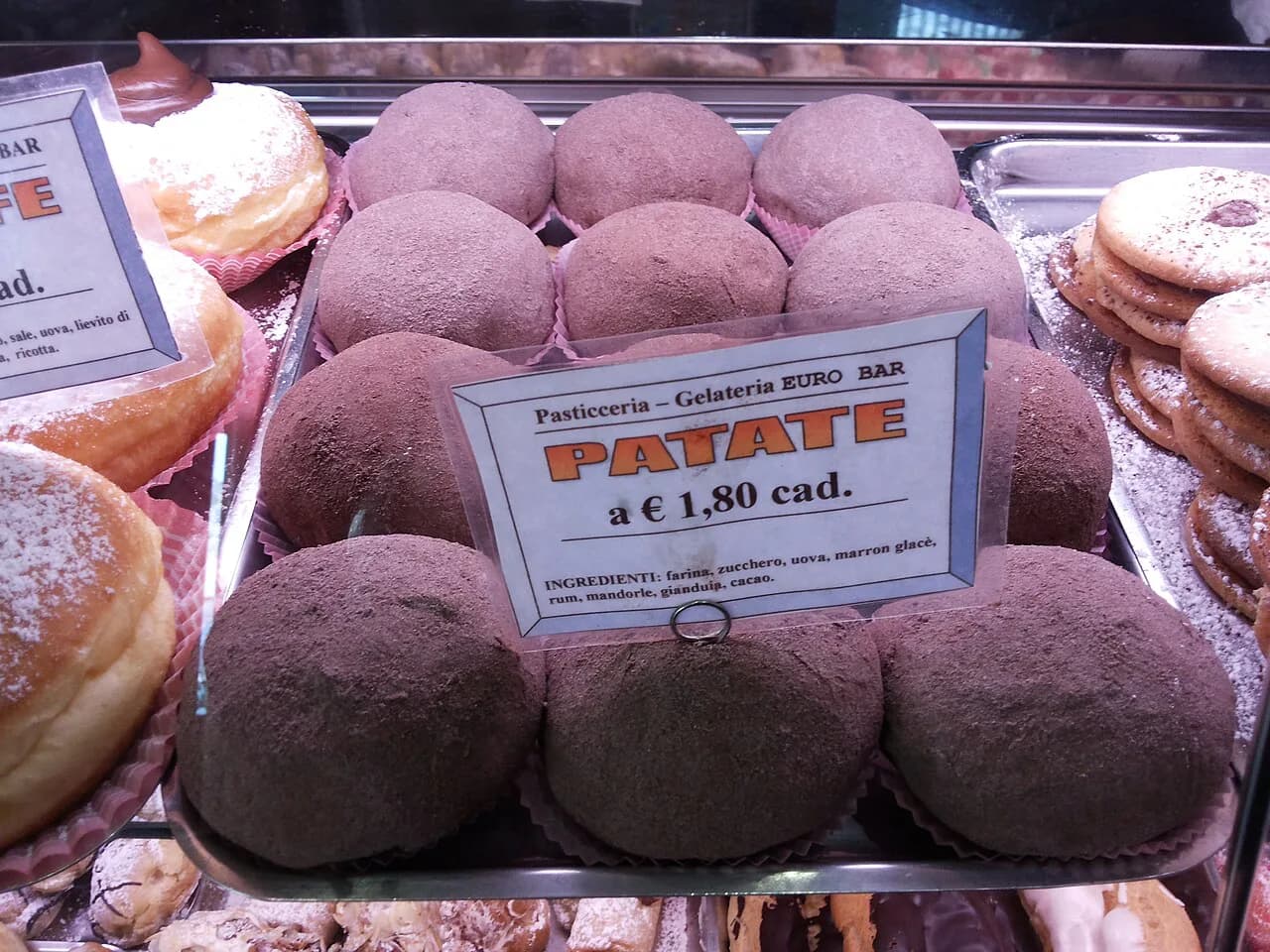
Galati, at via Ammiraglio Staiti 87, is a Trapanese breakfast institution: a long room of counters where sweet and savoury displays run from one end to the other, a full manual of Sicilian pasticceria and rosticceria in one space. Arrive hungry and expect to spend a while walking up and down before you can decide.
The traditional order is the graffa con la ricotta, the local doughnut, softer than a krapfen and split to take a ricotta filling. The zabaione cream is the house signature and turns up across the sweets, so take it in whichever pastry appeals. On the savoury side the trays hold focaccine, cardinali, romanelle, rustic pizzette and fried crostini, all labelled arancine in the feminine, the western Sicilian spelling.
There is a restaurant, Angelino, inside the same building, but the counters are the reason to come. If you want to plan a full morning around pastry, look at the other pastry shops in the city centre before you commit your appetite.
Colicchia: granita alla mandorla you chew, not sip
At Colicchia the granita is made by hand over most of a working day, with no prepared mixes and no shortcut through almond paste: the raw materials are worked one stage at a time. The granita alla mandorla that results is grainy and thick with pieces of almond, closer to something you chew than something you drink.
If you are used to smooth, almost watery granita, the texture can come as a shock; give it a few spoonfuls and it tends to win you over. Pair it with a biscotto ericino or an anise biscuit instead of the usual brioche, and try the jasmine flavour if you want the most striking thing on the counter. The coffee granita is built over several days of slow work.
The bakery stop: rianata, arancine and buying by weight
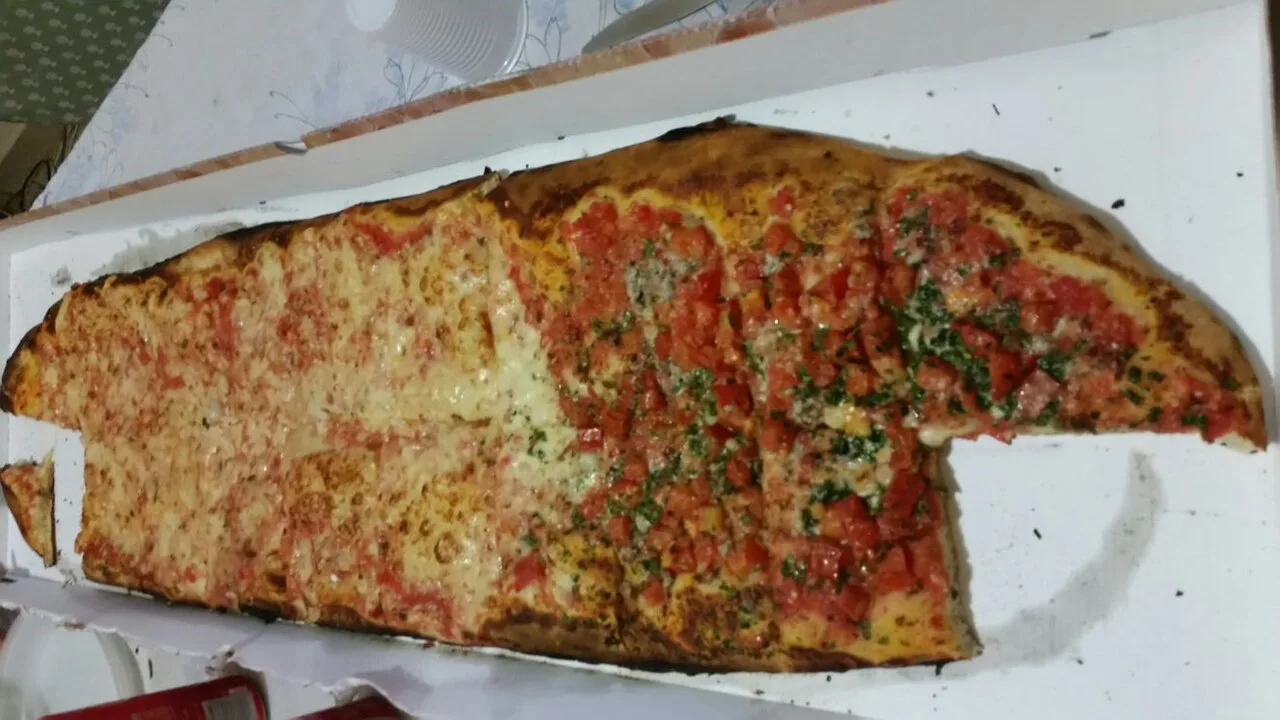
Trapani's bakeries deserve a meal slot of their own, not a footnote. The rianata, a flat bread topped with tomato, oregano and anchovy, belongs to western Sicily — it is a De.Co. of Marsala — and turns up on Trapanese tables as an identity bread; buy it warm and eat it as you walk. Arancine, focaccine and fried crostini round out a picnic lunch that costs little.
Buying by weight is normal in these shops: point at what you want, say how much, and pay at the till. It is also the cheapest way to eat well in the city centre, and a good fallback when every restaurant table is taken.
Pizza in Trapani and where it fits in the day
Pizza belongs to the evening in Trapani, and a good one is thin-based, blistered at the edge and modestly topped rather than loaded. It is the sensible choice on a night when you have eaten a long seafood lunch and want something lighter, or when a group cannot agree on fish.
Treat pizza as the flexible option rather than the destination: book the seafood dinner for the night you care about, and keep a pizzeria in reserve for the evening you arrive late or want to eat simply. The old town has enough of them that you can decide on the day.
How prices work in Trapani
Trapani holds up well on value: even the dining rooms with a strong tourist pull generally keep the identity dishes on the menu and serve good plates at modest prices, rather than trading the local cooking for a generic international one. That is unusual for a city of its size, and it means you do not have to hunt far from the sights to eat properly.
Lunch is the cheaper, easier meal, especially in the old town, where a plate of pasta and a glass of something local will not stretch the budget. Dinner is where the fish and the longer cooking sit, so if you are choosing one restaurant meal a day, make it the evening and keep lunch to a bakery or a counter.
How to order and pay
Sit-down restaurants add coperto, a per-head charge for bread and service, to the bill; it is standard rather than a trick, so budget for it rather than querying it. At a café counter, order and pay at the till first and hand the receipt to the barista.
Book dinner, particularly at a place like Antichi Sapori where the room is small and the seafood menu draws people in, and confirm the booking by phone earlier in the day. Cards are widely taken, but keep some cash for bakeries and small counters where the card machine may not come out for a single pastry.
Old town versus the port
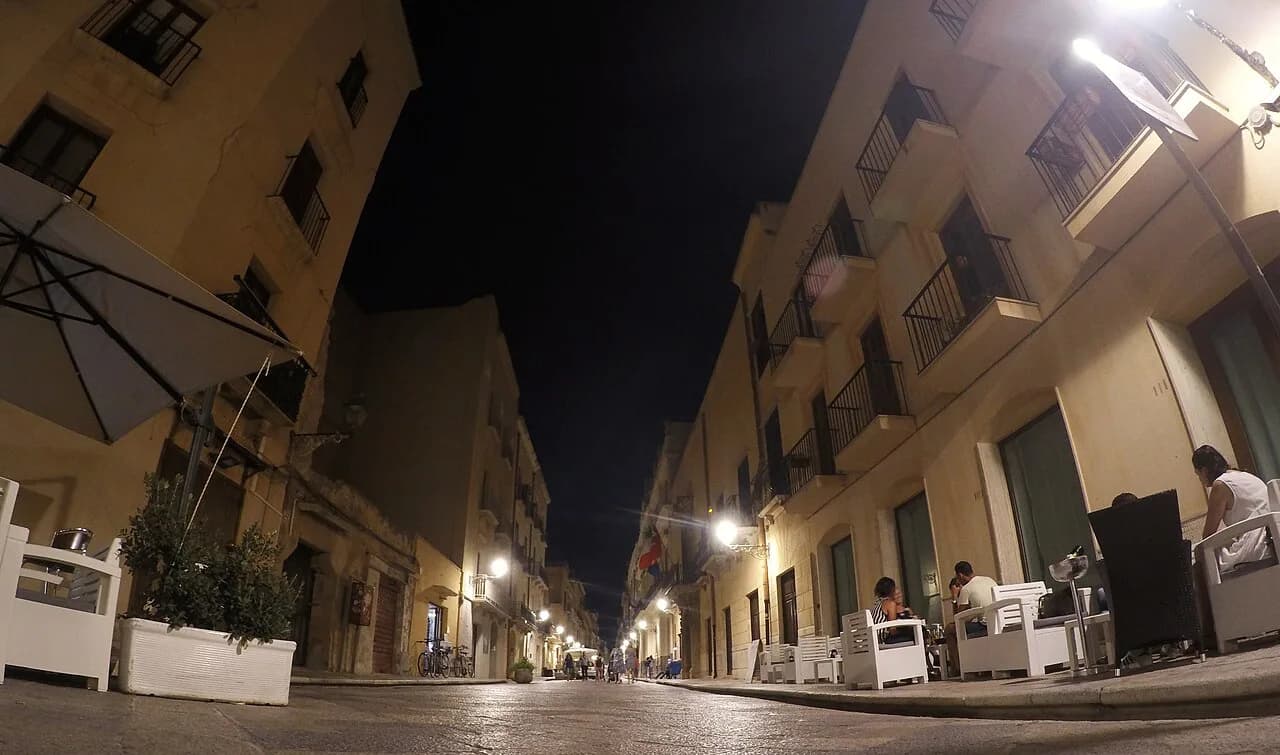
The centro storico is where the restaurants concentrate, in narrow streets running back from Corso Vittorio Emanuele, with Antichi Sapori as the most reliable name on that street. The port area gives you the fish market and the morning life of the city, and it is the obvious place to start a food-focused day before the restaurants open for lunch.
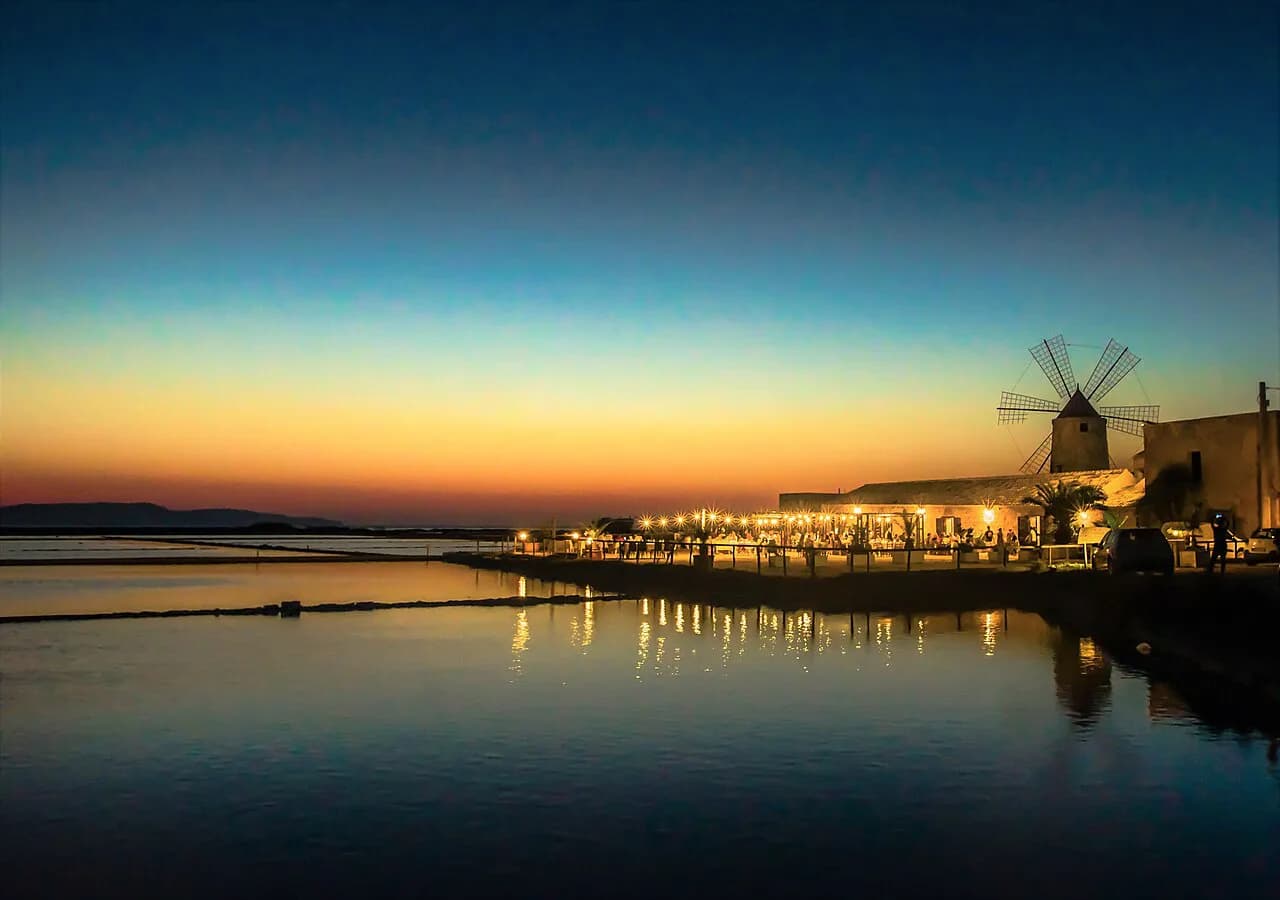
Work the morning around the market, then move inland for a seated lunch or a bakery stop. In the late afternoon, the seafront is where the city takes its aperitivo, and a table with a view of the water makes a sensible pause before dinner.
A one-day eating plan
Start at Galati for a graffa con la ricotta and a look along the savoury counter, then walk the old town and the port before picking up rianata or arancine from a bakery for lunch. Keep the afternoon light: a granita at Colicchia, chewed slowly with a biscotto, is enough until dinner.
Book Antichi Sapori for the evening and order the seafood couscous, with a plate of plainly cooked fish alongside. If the kitchen has the lobster soup of the Egadi on, take it; if not, you have still eaten the dish that defines the city, and the day has cost far less than three restaurant meals would.
Which Trapani table should you book?
Book Antichi Sapori for dinner and treat the rest of the day as counter food: Galati for breakfast, a bakery for lunch, Colicchia for granita. That split gives you the city's two strongest traditions without paying restaurant prices three times over.
If you want a second seated meal, look at the trattorias in the centre and compare their menus against Antichi Sapori's seafood focus, then choose based on whether you want couscous or a shorter, cheaper plate of pasta.
Explore more Trapani food guides
Frequently Asked Questions
What food is Trapani famous for?
Seafood couscous is the signature dish, along with the fish and shellfish of the Egadi islands and the spiny lobster soup known as zuppa di aragosta delle Egadi. The city is just as well known for its sweet and savoury counters: graffe with ricotta, granita alla mandorla, arancine and the rianata flat bread.
Where do locals eat in Trapani?
Much of the everyday eating happens standing up, at breakfast counters and bakeries rather than in dining rooms. Galati on via Ammiraglio Staiti and Colicchia for granita are the clearest examples, and the seafood restaurants of the old town, Antichi Sapori among them, fill with a mixed local and visitor crowd in the evening.
How much does a meal in Trapani cost?
Trapani is generally good value, and even restaurants in tourist-heavy parts of town serve the traditional dishes at modest prices. Check the menu board outside before sitting down, and remember that a coperto per person is added to sit-down bills.
Are there Michelin-starred restaurants in Trapani?
The Michelin Guide holds the official record of starred restaurants in Sicily and is the place to confirm whether any current Trapani address holds a star. The city's strength is in seafood taverns and counter food rather than formal dining.
Sources
Notes for your next meal in Italy
Optional updates to our food guides.
You might also like
Continue reading
More guides you'll find useful