Trattorias in Trapani: Where to Eat Couscous and Busiate
Trapani's trattorias serve couscous di pesce, busiate al pesto trapanese and pane cunzato. Here are the traditional places and the dishes to order in each.
On this page
Trapani's trattorias are the right place to eat if you want the town's own cooking rather than a generic Sicilian menu: fish couscous, busiate with pesto trapanese, seafood from the port and the sesame-studded pane cunzato that many bars serve instead of a brioche. The tables cluster in the centro storico around piazza Vittorio Emanuele and via Garibaldi, with more near the port and the lungomare Dante Alighieri. This guide explains what separates a trattoria from a ristorante here, which dishes define the cooking, and which addresses to pick for a long lunch or a quick plate in the evening.
Expect simple rooms, fish landed locally and prices in the middle band, with the bill rising when lobster or prawns appear. Booking matters in the height of summer, when demand outpaces tables across the city, so a phone call ahead is the sensible habit.
What a trattoria means in Trapani
A trattoria in Italy is a modest, family-run eating place with a short traditional menu, plainer service and lower prices than a ristorante, and in Trapani the model is built around fish. The town's trattorias cook what the port brings in and what the salina economy left behind: salt, tuna preserved in oil, and a couscous that owes more to the Maghreb than to Naples. Many also keep meat dishes on the menu for mixed groups, so nobody is stranded.
The distinction that matters to a visitor is between everyday osterie and more polished dining rooms. Everyday places serve spaghetti with sea urchin roe or a fry of small fish without ceremony. Polished rooms across the centro storico plate the same fish with more care and a higher bill. Match the choice to the meal you want rather than chasing one definitive list.

The dishes that define a Trapani trattoria
Couscous alla trapanese is the signature. The semolina is dampened and rubbed by hand into grains, steamed in a terracotta pot, then dressed with a mixed fish broth once made from unsold catch; modern kitchens add whole fish or a richer broth on the side, and the best versions are often cooked by the Tunisian and Moroccan chefs who form a large community in the province.
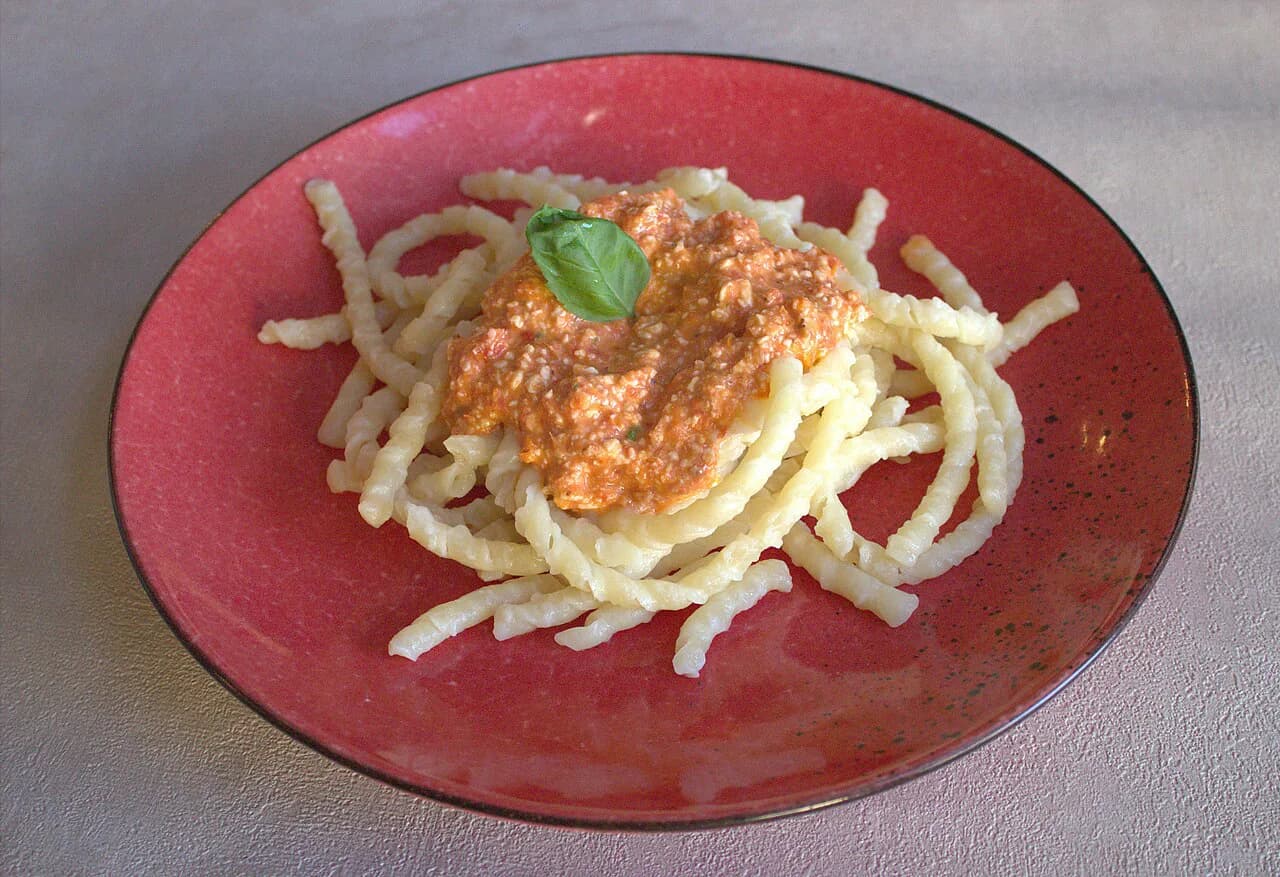
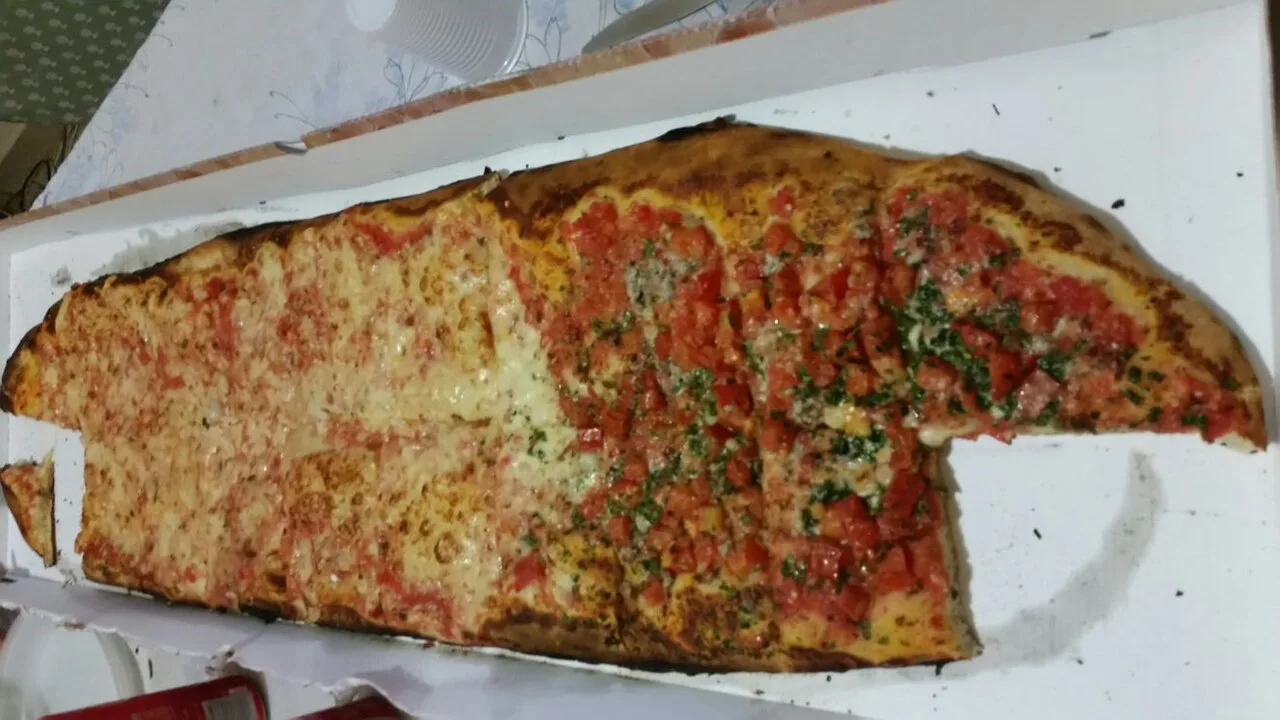
Busiate are the local pasta, a long hollow shape rolled around a twig, served with garlic from Nubia or with pesto trapanese, an uncooked sauce of tomato, almond and basil that local accounts trace to Genoese ships returning from the east. Pane cunzato is the other staple: sesame bread dressed with olive oil, salted anchovies, oregano, pecorino and tomato, left to sit for a few hours before it is served.
Seafood dominates the menus. Red tuna from these waters was once salted in the tonnare and still appears as an antipasto in oil; the fry of small fish and the daily catch are the standard secondi. Salmoriglio, the lemon, oil and oregano dressing, is the usual condiment for grilled fish, and tonnina is the local tuna preparation you will see on antipasto plates.
Where the trattorias sit: centro storico, port and lungomare
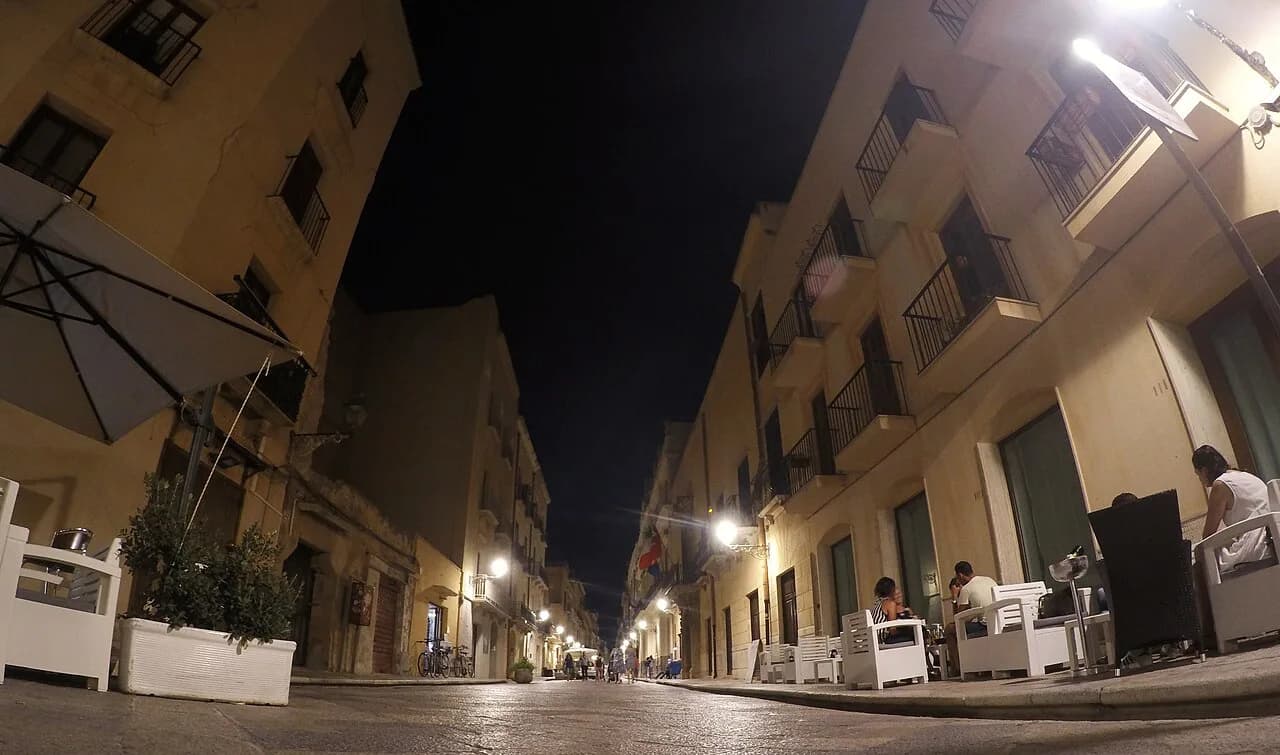
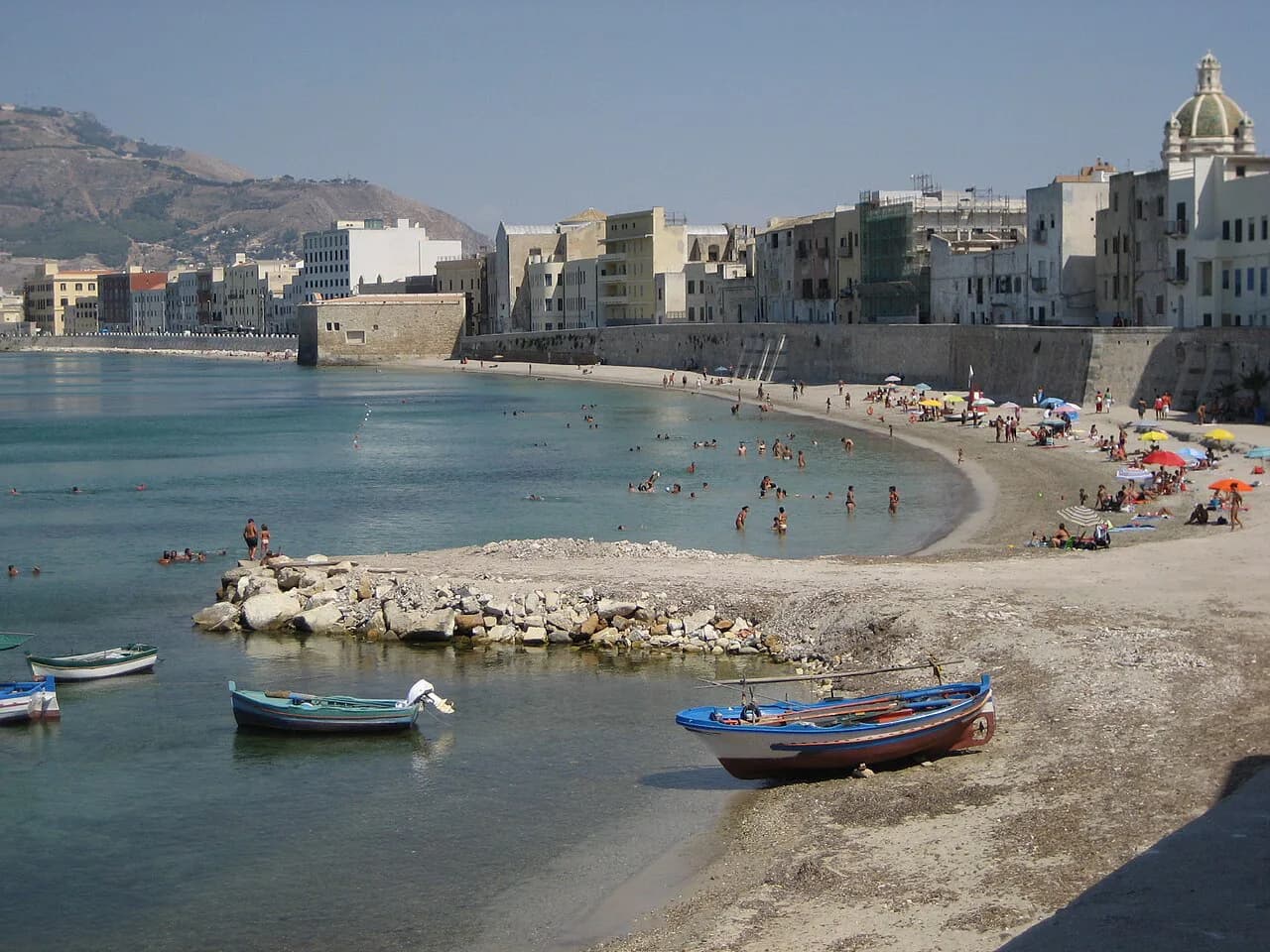
The centro storico runs between piazza Vittorio Emanuele and via Garibaldi, and in summer it comes alive from late afternoon, when shutters rise and the first aperitivo crowd gathers before dinner. Staying near this grid puts the largest concentration of tables within a few minutes' walk. The port side and the lungomare Dante Alighieri, along with the streets near the Mura di Tramontana, suit a dinner with a sea view.
If your day ends with a drink before eating, our guide to aperitivo in Trapani covers where the evening starts. After dinner, work out which way your table faces and whether you want the old lanes or the water, then check current opening hours and closing days with the trattoria directly when you reserve.
Antichi Sapori: the classic address for Trapani home cooking
Antichi Sapori is the long-standing reference for couscous and home-style Trapani cooking, and it is the first name to try if you want the dish as the town makes it rather than a restaurant's reinterpretation. Order the couscous di pesce and follow it with whatever fish the kitchen has grilled, or start with the tuna in oil. Keep the meal uncomplicated and let the kitchen lead on the fish.
Cantina Siciliana: the frescatula and the old-town table
Cantina Siciliana is the other old-town name worth knowing, and the reason to go is the frescatula, the local soft bread, served with the kitchen's fish cooking. Sit here for a slow lunch in the lanes and order from the day's fish rather than a fixed menu. It works well as a first meal in the city, when you are still learning what the local cooking tastes like.
La Bettolaccia: zuppa or fritto, and how to choose
At La Bettolaccia the choice is really between the two ways of eating the day's fish: as a zuppa, a soup of fish and tomato eaten with bread, or as a fritto, the mixed fry of small fish and shellfish. Take the soup if the weather is cool or you want a single slow dish; take the fry if you want crunch and a quicker meal. Both depend on what was landed, so ask what is in the kitchen that day.
A Nassa: seafood on the menu and what to order
A Nassa is a straightforward seafood address where the menu follows the catch, and it suits a group that wants fish without ceremony. Start with the antipasti di mare, then pick a grilled fish for the table and let the kitchen tell you the size and how it is priced before you agree. This is the place for an unfussy dinner rather than a long tasting.
Caupona Taverna di Sicilia: the view and the couscous
Caupona Taverna di Sicilia pairs Trapani cooking with a view, which makes it a sensible choice for a first evening when you want the setting to do some of the work. Keep the order local: couscous, a fish secondo, and something from the pasticceria tradition at the end. It is a busier, more scenic room, so it rewards booking ahead in high season.
Trattoria Al Solito Posto on via Orlandini
Trattoria Al Solito Posto describes itself as a typical Sicilian trattoria with fish specialities and a menu running from sea antipasti through fresh pasta with fish roe, cuttlefish ink or pesto trapanese to grilled fish, lobster and prawns. Its own account of the house couscous names the fish in the broth: red scorpionfish, John Dory, monkfish and saddled bream. The house speciality, as the restaurant presents it, is the spaghetto broken into a lobster broth with tomatoes, almonds and chilli.
The address is via Orlandini 30 in the centre of Trapani, and the room is air-conditioned, which matters in a city that pushes eating into the evening in summer. Bookings are taken by phone, and high-season demand across the city makes ringing ahead the reliable move. Finish with cannoli or cassata if you still have room.
Tavernetta ai Lumi on Corso Vittorio Emanuele
Tavernetta ai Lumi occupies a former stable of a noble palazzo on Corso Vittorio Emanuele, and the surroundings are part of the appeal if you want a more composed room for traditional Sicilian cooking. It is the kind of place to book for a last-night dinner, when you want a set table and a little atmosphere. If you are mulling over that stretch of the old town against other options, our guide to the Best Restaurants in Trapani sets the wider picture.
Trattoria del Corso and Osteria La Dolce Vita on via Egadi
For everyday Trapani cooking, Trattoria del Corso and Osteria La Dolce Vita on via Egadi fit the bill. Osteria La Dolce Vita is on via Egadi 21 and serves simple Sicilian dishes with fish and meat on the same menu, a short walk from the old-town lanes. It works for a midweek dinner when you want a plate of pasta and a glass without a long production, and it is the table to keep for a day when the fish at the port has already been eaten at lunch.
How Trapani couscous differs from North African couscous
Both use steamed semolina, but the Trapani bowl is built on fish broth, not lamb or chicken, and the grain is worked by hand into uneven sizes rather than bought uniform. The broth came from the fishermen's unsold catch, which is why the classic version has no showpiece fish; modern kitchens add whole fish served separately or enrich the broth. It is a one-pot idea adapted to a Sicilian port, and it remains the dish to order on a first night.
Ordering, booking and paying: how a meal runs
In a Trapani trattoria, order antipasti for the table, then pasta or couscous, then a shared fish, and expect bread and a small cover charge to appear on the bill. Ask the price of whole fish by weight before you agree to it, since that single line moves the total most. Tipping is not expected beyond rounding up, and cards are widely taken, though a few euros in cash is useful for small bars.
Bars and pasticcerie for the rest of the day
Pane cunzato is bar food as much as trattoria food, so eat it at breakfast or midday standing at the counter with a coffee, where you pay at the till first. For the sweet end of things, the town's pasticcerie sell cannoli filled to order and cassata, and Pasticceria di Maria Grammatico is the name to look for near the old town. If you want the detail on where to buy, our guide to pastry shops in Trapani picks the addresses.
Which Trapani trattoria should you book?
Book Antichi Sapori or Cantina Siciliana for the old-town version of the cooking, La Bettolaccia when you want a fish soup, and Trattoria Al Solito Posto if you want the couscous and the lobster-broth spaghetti in one meal. If your evening is more about the view, Caupona or a port-side table along the lungomare does the job. Ring ahead in summer, ask what was landed that day, and let the fish decide the order. For more addresses across the city, see our Best Restaurants in Trapani.
Explore more Trapani food guides
Frequently Asked Questions
What food is Trapani famous for?
The town is known for fish couscous cooked with a mixed fish broth, busiate pasta with pesto trapanese, pane cunzato, tuna preserved in oil, and sea salt from the surrounding saline. The cooking draws on the port, the salt pans and centuries of Arab, Spanish and Genoese influence.
Where do locals eat in Trapani?
Everyday eating happens at osterie and modest trattorias in the centro storico, around piazza Vittorio Emanuele and via Garibaldi, plus bar counters where pane cunzato and coffee are served standing. Locals drift out after the heat of the day, so the evening is the liveliest time.
Sources
Notes for your next meal in Italy
Optional updates to our food guides.
You might also like
Continue reading
More guides you'll find useful