Lunch in Trieste: Buffets, Trattorias and Caffè Stops
Plan lunch in Trieste with buffet spacetti, fish trattorias and historic caffè, and know the dishes to order from jota to sardoni in savor.
On this page
For lunch in Trieste, pick the format first: a buffet spacetto for a fast standing plate of jota or porzina, a fish trattoria for a seated lunch of sardoni in savor and brodeto, or a historic caffè for something light with a proper coffee. The cooking here sits between the Adriatic and the Habsburg table, so sea and pork dishes belong on the same short list. This guide sorts the choice by type of lunch and translates each local dish once, so you can order without guesswork.
What lunch in Trieste looks like
Trieste's kitchen blends a long fishing tradition in the gulf with the Central European cooking the Habsburgs brought to their port, which is why grilled fish and pork with mustard appear on the same menu. That double identity is the most useful thing to know before you sit down. It also explains why the city's lunch venues split so neatly into buffets, fish trattorias and caffè.
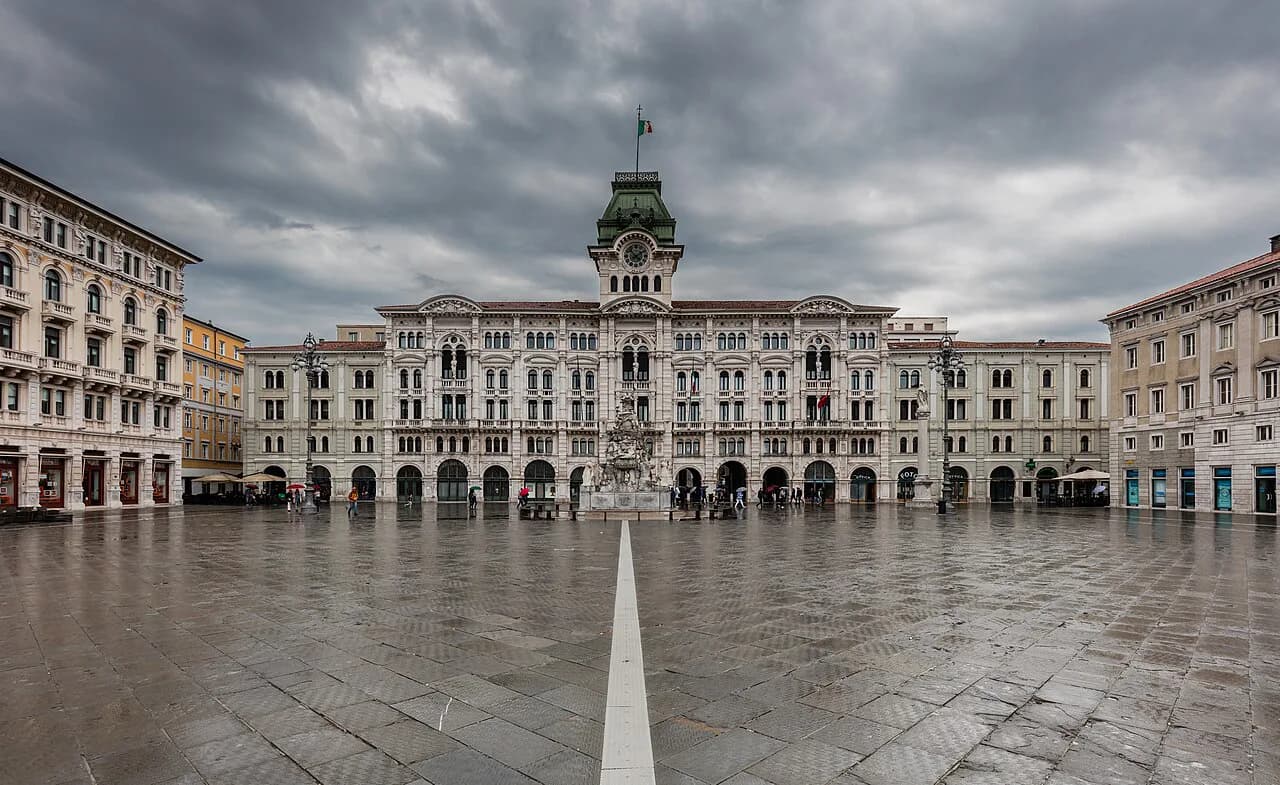
Practically, that means three kinds of lunch. A buffet spacetto suits a quick, inexpensive plate at any hour; a trattoria del mare suits a seated lunch of raw fish, risotto or grilled catch; a historic caffè suits a coffee and a pastry when you want to sit near Piazza Unità d'Italia. Decide which one you want before walking, because they sit in different parts of the centre and the rioni.
The buffet lunch: how a Trieste spacetto works and what to order
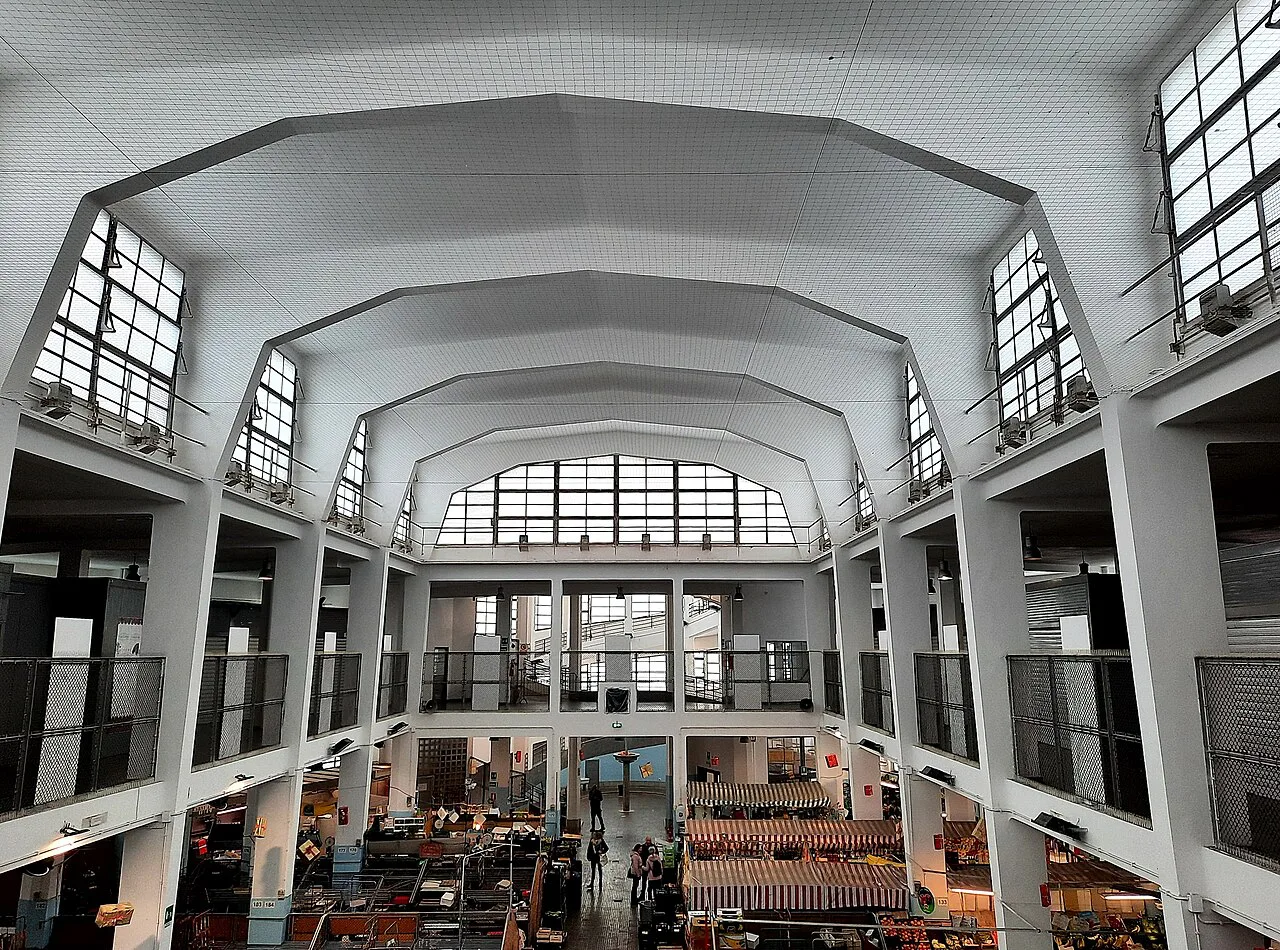
A Trieste buffet is not a hotel spread. Locals call these places spacetti, and they began as stops for port workers wanting a quick bite. They serve food through much of the day rather than at fixed meal times, which makes them a reliable lunch stop.
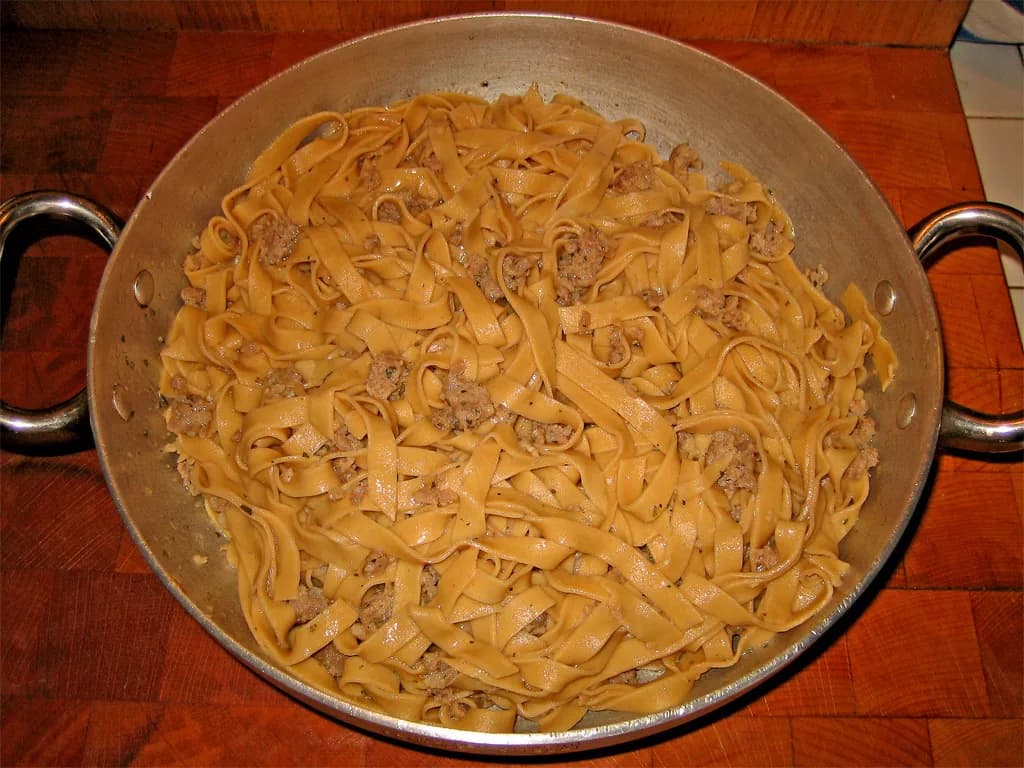
Order by the counter display. Boiled meats, cooked ham, sauerkraut, sausages with horseradish and mustard, jota (a thick soup of beans, sauerkraut and potato), gulash and porzina (pork between two slices of bread) are the staples, with typical sweets alongside. A plate of two or three of these plus bread makes a full, inexpensive lunch.
For a first visit, take jota and a porzina: one hot and soupy, one a sandwich, so you cover both the spoon and the hand-held side of the counter in a single order. Add crauti (sauerkraut) if you want the sharp, vinegary counterpoint that makes the pork taste less heavy. Keep it to one plate and a coffee if you have an afternoon of walking ahead.
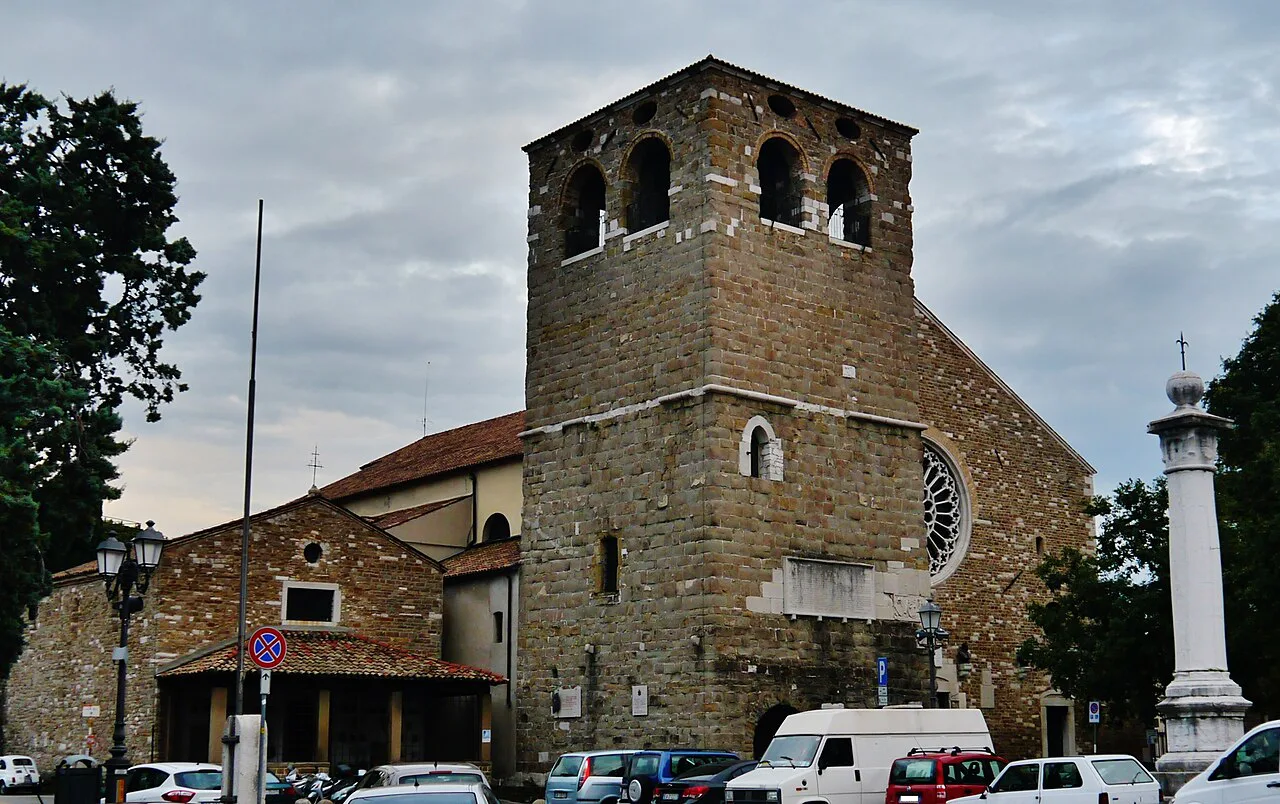
Buffets named in the city
Among the buffets worth knowing are L'Approdo, Da Pepi, Siora Rosa, Buffet Clay, Da Roby, Al Rebechin and Buffet da Roby, all named as places for the spuntino that Trieste does so well. L'Approdo carries a Slow Food 'Chiocciola' (snail) recognition. Treat the cluster as a shortlist to walk past rather than a fixed itinerary, since each is small.
Da Pepi is one of the classic buffet names for a quick plate of boiled meats and cured pork. Siora Rosa and Buffet Clay sit in the same tradition: plain, filling food served fast. Al Rebechin and the two Da Roby addresses work the same way for a quick plate and a glass of something local.
Fish trattorias for a sit-down lunch
Antica Trattoria Menarosti has served traditional Triestine and Istrian fish cooking from recipes kept by the Benussi family since 1903, and it is known both for a lavish plateau of raw fish and for granceola, crab served in its shell with the brown meat set to one side. Its risotto alla marinara is the other dish to weigh. This is a slower, more expensive lunch than a buffet, so book it for a day when the meal is the point.
Nerodiseppia cooks Triestine and Istro-Venetian dishes with a sure hand: a warm steamed-fish salad, Sicilian red tuna dressed alla triestina, and a mixed fry with polenta and vegetables. If someone at the table avoids fish, there is braised radicchio with fried polenta and cheese fondue. The room suits a long lunch better than a rushed one.
Al Bagatto began as an osteria in 1966, later turned to fish, and sits close to Piazza Unità d'Italia, which makes it a sensible seated lunch if you are spending the day around the square. Trattoria Al Sub, opposite the Barcola fountain, is a small family-run place cooking mostly fish, with a mixed oily-fish starter, a pasta with sea bream and gnocchi with scampi among the dishes named. Ai Maestri, on a quiet central street, keeps to the day's catch, with marinated anchovies or prawns to start and tagliolini with scampi or spaghetti allo scoglio to follow.
Trieste dishes to order at lunch, translated
Sardoni in savor are sardines marinated in oil, vinegar and onion, and they turn up breaded and fried too; brodeto is the Adriatic mixed fish stew; busara is Istrian-style scampi, which you can pair with spaghetti. Cren is horseradish, the sharp condiment served with boiled meats and lamb. Learn these four words and most lunch menus in the city become readable.
For pudding, presnitz is the local sweet: a spiral of puff pastry packed with dried fruit, candied peel, chocolate and rum. It is dense enough that one slice shared between two is a fair end to a fish lunch. If you want the savoury-sweet contrast, follow the fish with presnitz and an espresso rather than a second course.
Pasta shows up in many forms here, from tagliolini with scampi to spaghetti allo scoglio, and the fish trattorias treat it as a first course rather than a side. Order one pasta between two before a shared grilled fish if you want to try both without over-ordering. The gnocchi with scampi at Trattoria Al Sub is the sort of dish that works as a whole lunch on its own.
Cooking of terra and confine: Suban
Antica Trattoria Suban, in the San Giovanni quarter, has been running for a century and a half and reached its fourth generation, so it is the place to go for the land-based, border cooking rather than fish. Expect jota, a horseradish soup, cooked ham in a crust carved warm at the table, gulash and a sweet palacinka. The setting under the pergola is the reason to make this a proper sit-down lunch.
Choose Suban when you want the Habsburg side of Trieste on a plate: pork, horseradish, paprika and beans rather than the gulf's fish. It is a heavier lunch than a plate of sardines, so plan a walk afterwards. The roast veal shin and a semifreddo made for Pope John Paul II's visit are the other dishes worth knowing about.
A long lunch at the top end: Harry's Piccolo and Chimera di Bacco
Harry's, in the Grand Hotel Duchi d'Aosta on Piazza Unità d'Italia, runs as a bar, pasticceria, bistro and a smaller restaurant called Piccolo, where Matteo Metullio and Davide De Pra cook between a classic menu, a creative menu and an à la carte. The Piccolo holds two Michelin stars and the cooking is refined rather than trendy, with dishes such as orecchiette with garlic, oil, 'nduja, saffron, lobster and sea anemones. This is the long, expensive lunch of the trip.
Chimera di Bacco is Luca Morgan's refined restaurant, where the cooking is matched by a serious cellar of around seven hundred labels that leans on Friuli Venezia Giulia. The dish to seek out is house-made tortelli filled with creamed salt cod alla triestina and served with a porcini ragù. Both of these rooms suit a long, unhurried lunch rather than a quick bite.
Lunch at a historic caffè
Trieste's coffee houses are a lunch option in themselves: Caffè degli Specchi on Piazza Unità d'Italia is the famous one, and Antico Caffé San Marco, Pasticceria Caffé Pirona, Antico Ristorante Tommaseo, Caffé Urbanis, Pasticceria La Bomboniera and Antico Caffé Torinese are all worth a stop. These are places writers and poets have long used, so the draw is the room as much as the food. A pastry and a coffee makes a light lunch when you want to keep moving.
Take La Bomboniera or Pirona for something sweet with your coffee, and San Marco when you want to sit with a book for half an hour. Tommaseo doubles as a restaurant if a pastry is not enough. Order at the bar if you are standing, and take a seat if you plan to stay a while.
Coffee after lunch, Trieste style
In Trieste, espresso is simply called nero, and two local variations matter. A gocciato is an espresso with a drop of milk at the centre, while a capo in B is a macchiato with more milk foam, served in its own small glass. These are the drinks to order if you want to end lunch the way the city does.
Trieste has been a coffee port since the eighteenth century, when it became a free port for coffee imports, which is why the historic caffè culture runs so deep here. Drink your coffee standing at the bar if you want the quick version, or sit if you want the room.
How to order and pay at lunch in Trieste
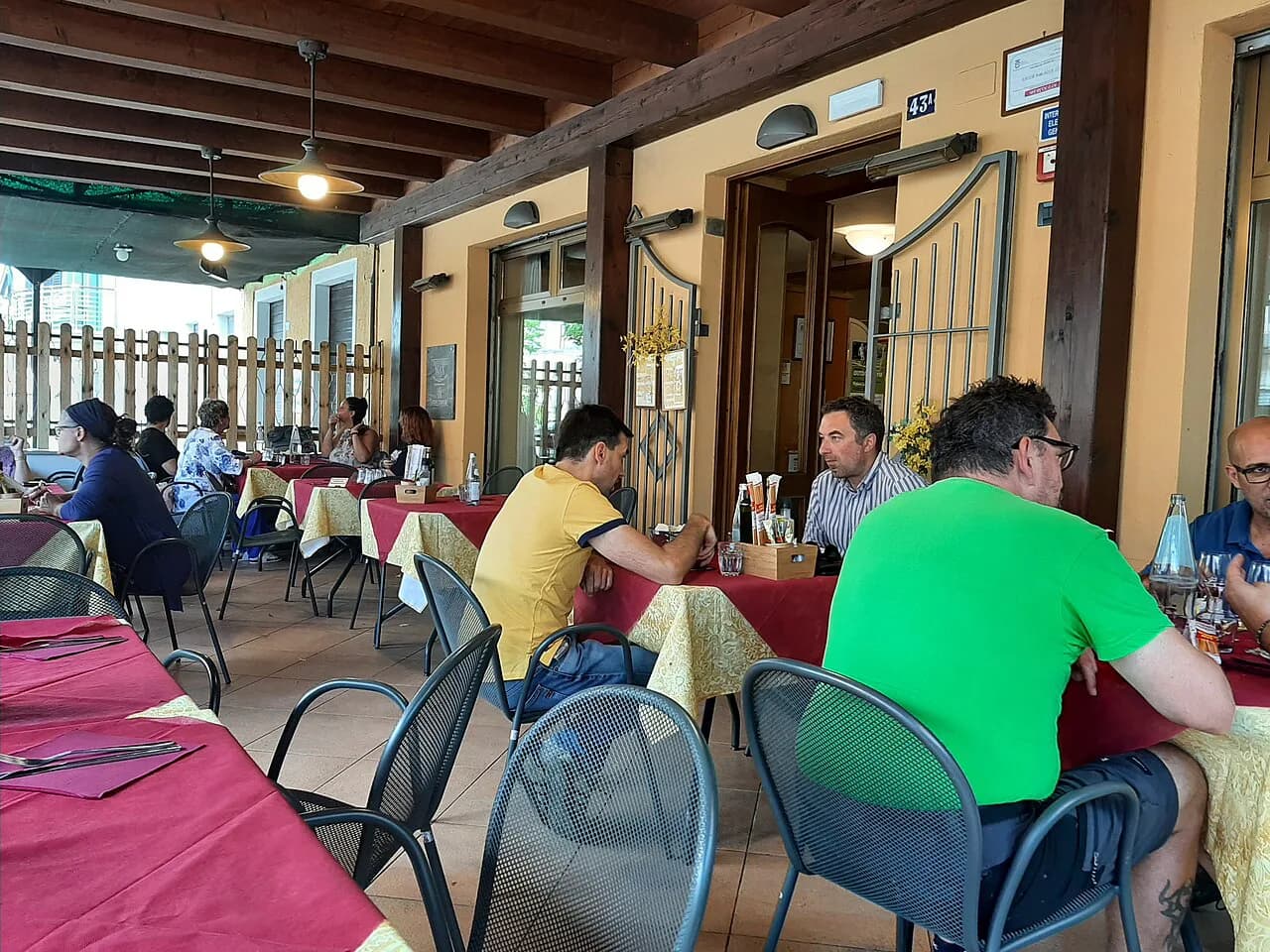
At a buffet spacetto, look at the counter and point at what you want; at a trattoria, order from the menu and expect a small coperto, the per-person cover charge, on the bill. Portions at the buffets and trattorias are generous, so a first course and a shared second is often enough for two. Cards are widely accepted in the centre, but cash still comes in handy at the smaller counters.
To choose between the city's restaurants more broadly, the best restaurants in Trieste sorts them by cooking and price level. If you are eating lightly, the Best Pizza in Trieste and the gelato options cover the cheaper end of lunch.
Which lunch in Trieste should you book?
If you want speed and local colour, pick a buffet spacetto and order jota and a porzina at the counter. If you want a seated meal, book one of the fish trattorias such as Menarosti or Nerodiseppia, or Suban for the land-based border cooking. For a lighter stop, a historic caffè with a presnitz and a capo in B does the job.
Explore more Trieste food guides
Frequently Asked Questions
Is Trieste cheap or expensive for lunch?
It depends entirely on the format. A standing plate at a buffet spacetto is the cheapest proper lunch in the city, while a fish trattoria or the top-end restaurants cost considerably more. The gap between the two is the main decision to make before you set out.
What is a typical lunch in Trieste?
At a buffet spacetto, there is no fixed menu: you choose from the counter — jota, porzina, boiled meats, sausages with horseradish — and eat fast. At a fish trattoria, a seated lunch might run from an antipasto through a pasta or risotto to a second of fish, with a cover charge added per person.
What dishes should I order for lunch in Trieste?
Sardoni in savor (marinated sardines), brodeto (Adriatic fish stew) and busara (Istrian-style scampi) are the fish dishes to know; jota, porzina and cren (horseradish) cover the land-based side. Finish with a slice of presnitz and a capo in B.
Sources
Notes for your next meal in Italy
Optional updates to our food guides.
You might also like
Continue reading
More guides you'll find useful