Street Food in Trieste: What to Eat and Where to Find It
Trieste's street food blends Austro-Hungarian, Italian and Slavic tastes. Here are the snacks to order and the kiosks and markets where you find them.
On this page
Street food in Trieste is a graze through Austro-Hungarian, Italian and Slavic influences, and the smartest way to eat it is a late-morning loop from the covered market to the waterfront. The signature bites are jota, baccalà mantecato tartine, sardoni in savor and thick hand-cut ham sandwiches, all designed to be eaten standing up. This guide explains each snack, the two neighbourhoods where the stalls concentrate and the drinks that go with them.
Most of what you want is portable and eaten in a few bites, which makes Trieste a good city for building a lunch out of three or four small things instead of committing to a table. The sections below go snack by snack, with the places the city points you towards.
What Trieste street food is: three culinary influences in one bite
Trieste sat at the meeting point of the Habsburg world and the Adriatic, and its street food shows it: sauerkraut and sausage sit alongside Venetian-style salted cod and Adriatic sprats. That mix is the reason a single morning of snacking here tastes different from anywhere else in Italy. The local street-food map runs from the Mercato Coperto to the kiosks around Porto Vecchio and Piazza Ponterosso.
For a sit-down meal after all that standing, the best restaurants in Trieste are worth booking ahead, but keep the middle of the day free for the kiosks and bakery counters. The snacks below are the ones to prioritise.
Jota: the sauerkraut, bean and sausage soup served in a paper cup
Jota is Trieste's hearty soup of sauerkraut, beans and sausage, and in its street version it comes in a paper cup from winter stalls and markets. It is the warmest thing you can eat standing up in the city, and the natural choice on a cold bora day. Order it when you see it in the colder months rather than expecting it year-round.
Treat jota as a first course rather than the whole meal: the cup is filling, and you will want room for a tartine or a slice of something baked afterwards. If soup is not what you are after, the city's best pasta is a separate, sit-down affair.
Baccalà mantecato tartine: whipped salted cod in a crusty roll
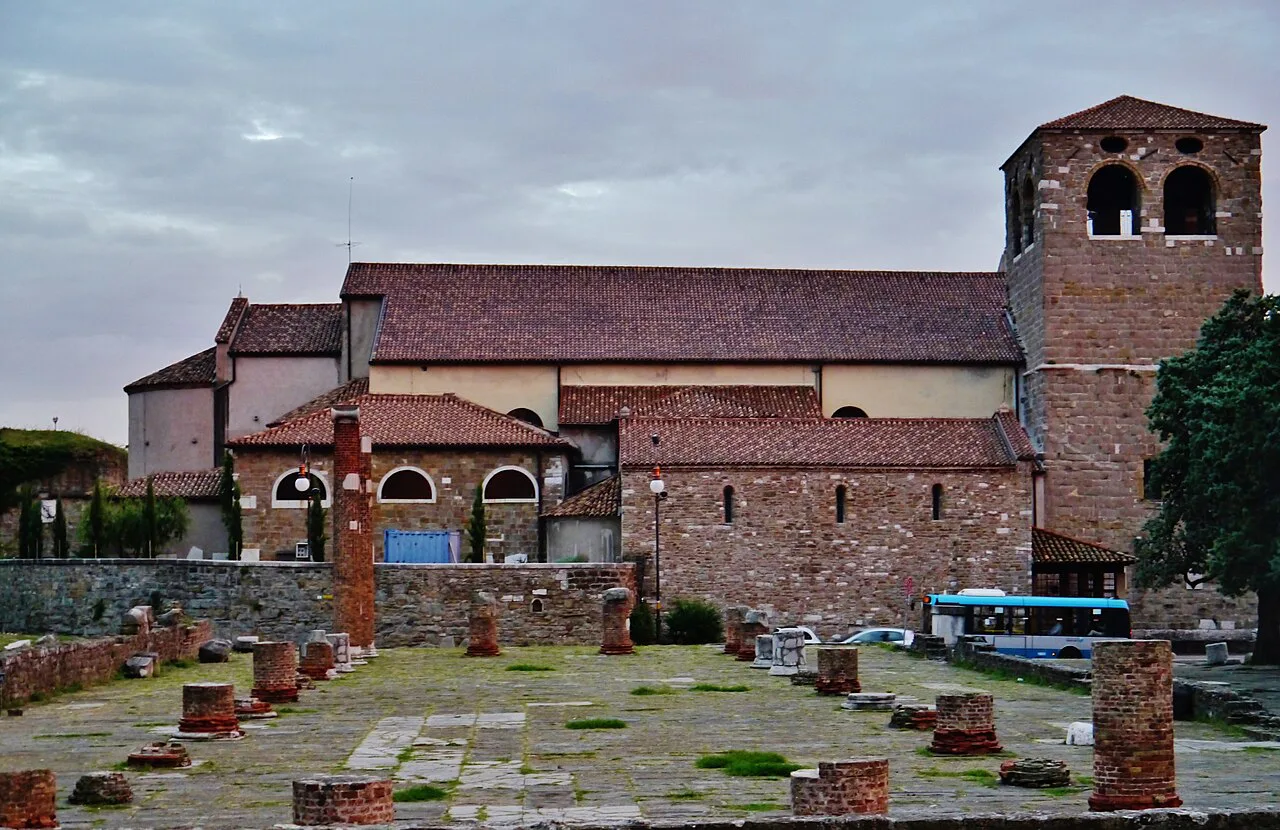
Baccalà mantecato is salted cod whipped with oil into a creamy paste, and in Trieste it is spooned into crusty rolls, sometimes with caramelised onions on top. It borrows from the Venetian tradition but has its own local character. Kiosks near Porto Vecchio and Piazza Ponterosso are where to look for it.
Eat it as soon as you buy it: the roll softens quickly, and this is not a snack to carry around for an hour. One tartine plus a coffee is a perfectly good mid-morning stop.
Sardoni in savor: marinated Adriatic sprats eaten by the sea
Sardoni in savor are small Adriatic sprats marinated in vinegar, onions and spices, served in small cups as a tangy, seaside snack. They are the most refreshing thing on this list, and the obvious thing to eat while walking along Molo Audace with the water beside you. Expect a sharp, pickled flavour rather than a fishy one.
Because they come in a cup with a little marinade, they are messier than a sandwich; take the napkin. They also pair well with a glass of local white if you are making an early lunch of it.
Hand-cut ham sandwiches and what makes them different
The ham sandwich here is a different proposition from the thin-sliced versions elsewhere in Italy: slow-cooked ham is cut thick by hand and piled into fresh bread, sometimes with horseradish and mustard. It is the most substantial snack on the list and the one to pick when you need something that actually fills you up. Look for it where the kiosks and bakery counters are busy.
If a sandwich is all you want, the cheap eats in Trieste cover the rest of the budget options for the same part of town.
Savory muffins and pastries from Trieste bakeries
Bakeries across the city sell savoury muffins filled with speck, cheese or vegetables, which makes them the easiest snack to grab near the Cathedral or Borgo Teresiano. Speck is a lightly smoked cured ham from the alpine north, and it turns up in all sorts of baking here. They are the practical answer when you want something portable and not too heavy.
For the sweet side of the same counters, the pastry shops in Trieste are where to spend the rest of your appetite. If you would rather sit down with a coffee and a brioche first thing, breakfast in Trieste covers that too.
Where to eat street food in Trieste: Mercato Coperto
The Mercato Coperto, the city's covered market, is the single best starting point: it is packed with local flavours from morning to midday. Go early, walk the stalls once to see what is on offer, then buy. This is also where you get a sense of what is in season before you commit to the waterfront.
A market breakfast is a good way to keep the morning cheap before a longer lunch. If you would rather plan the sit-down meals first, lunch in Trieste is the page to read next.
Porto Vecchio and Piazza Ponterosso for seafood snacks
The second cluster is the waterfront: Porto Vecchio and Piazza Ponterosso have sliders, seafood snacks and an outdoor feel, with kiosks doing baccalà and other bites. Ponterosso is the square with the market canal running through it, and it is a natural place to stop between the market and the sea. From there, walk down to Molo Audace for the sprats.
This is the part of the city where a slice of pizza fits neatly between snacks; the best pizza in Trieste is worth knowing about if you are staying near the centre. Otherwise, keep moving and eat standing.
When to go: morning to early afternoon, and spring or autumn market stalls
Aim to explore between 10am and 2pm, when the stalls are at their peak. Fairs and pop-up markets add extra stalls, particularly in spring and autumn, so a visit in those seasons gives you the widest spread. Build your day around that window.
The city has hosted travelling street-food circuits in the past: the International Street Food festival set up at Ponte Rosso from 1 to 4 July in 2021, with traders cooking dishes from across Italy. Treat that as history rather than a fixture of the calendar, and check the organiser's announcements if a festival is part of your plan.
What to drink with it: capo in b and local white wine
The local coffee order is a capo in b, an espresso macchiato served in a small glass, and it is the right thing to drink between snacks. Later in the day, a glass of local white wine works with the seafood bites. Neither is a heavy-drinking affair; both are short, standing-up drinks.
Coffee in Trieste is taken seriously, and a bar crawl of a different kind is possible if you stick to espresso. For the sweet end of the day, the best gelato in Trieste is a better finish than a second coffee.
How to order and eat on the go: napkins, plastic forks and standing
Order at the counter or hatch, pay, and take your food with you; most of this is eaten standing or walking, so grab a plastic fork or an extra napkin when it is offered. Portions are built for one hand, and the cups and rolls are designed to be held.
If you want a proper table and a slower meal after all that, the Michelin restaurants in Trieste are where to look. Otherwise, this is a city that rewards eating on your feet.
Trieste street food compared with the rest of Italy
Compared with the fried snacks of Rome or the arancini of Sicily, Trieste's street food is less about frying and more about preserved, marinated and slow-cooked things: sauerkraut, salted cod, pickled sprats and cured ham. It is a Central European pantry served in portions you can eat while walking. That is what makes it worth planning a morning around.
A snack-led morning pairs naturally with a bit of city wandering, and Trieste Attractions: 6 Visitor Guides covers the rest of the centre if you want context between bites. Keep it light and keep your appetite for the next cup.
Which Trieste snack should you start with?
Start with jota in cold weather or sardoni in savor when it is warm, then add a baccalà mantecato tartine and finish with a capo in b. Build the loop around the Mercato Coperto and the Ponterosso–Porto Vecchio waterfront between 10am and 2pm, and you will have eaten the city's three culinary traditions in one morning.
If you are staying longer, move on to the best restaurants in Trieste for a sit-down dinner once the stalls have packed up.
Frequently Asked Questions
What food is Trieste known for?
Trieste is known for dishes that mix Austro-Hungarian, Italian and Adriatic influences: jota, a sauerkraut, bean and sausage soup; baccalà mantecato, whipped salted cod; sardoni in savor, marinated sprats; and thick hand-cut ham sandwiches. Savoury muffins with speck and cheese are a common bakery snack.
Is Trieste in Italy or Slovenia?
Trieste is an Italian city on the Adriatic, close to the Slovenian border. That position explains the Central European threads in its food, from sauerkraut to the coffee culture, alongside Italian and Adriatic traditions.
Where do you find street food in Trieste?
The two areas that matter most are the Mercato Coperto, the covered market, and the waterfront around Porto Vecchio and Piazza Ponterosso, with Molo Audace a good spot for eating sprats by the sea. Bakeries around the Cathedral and Borgo Teresiano cover the savoury pastries.
What time of day is best for street food in Trieste?
Late morning to early afternoon is the useful window, roughly 10am to 2pm, when the market and stalls have the fullest choice. Spring and autumn bring extra pop-up and fair stalls, so those seasons give you the widest range.
Sources
Notes for your next meal in Italy
Optional updates to our food guides.
You might also like
Continue reading
More guides you'll find useful