Breakfast in Trieste: Where to Go and What to Order
Breakfast in Trieste means a bar coffee and a pastry, or a sit-down brunch on the piazza. Here are named cafés, what to order and how the coffee words work.
On this page
Breakfast in Trieste is a coffee and a pastry, and the fastest way into it is to join the locals standing at a bar counter. Order a capo in b — a small cappuccino in a glass — with a brioche, drink it in a couple of minutes and you have done the morning the Triestine way. This guide covers the historic cafés and pastry houses where you can sit down to the same thing, the coffee vocabulary you need to order it, and where a fuller brunch or a savoury start is on offer.
The city has an unusually deep café culture: its historic cafés were meeting places for writers including Italo Svevo, James Joyce and Umberto Saba, and the coffee lexicon is local rather than standard Italian. Several of the addresses below appear among 11 Trieste coffee stops selected from the Gambero Rosso Bar d'Italia 2024 guide.
What breakfast in Trieste looks like
The default is a bar breakfast: you walk in, order at the counter, drink your coffee standing and eat a brioche or a slice of cake alongside it. It is quick, cheap by café standards and entirely normal to do alone. If you want to sit, you take a table and pay more for the setting and the service, which at the historic cafés on the piazza is a good part of the point.
Pastry is the usual partner to the coffee, but it is not compulsory. Trieste's bars serve brioche in several forms, biscuits, mignon (small assorted pastries) and cakes, and a few places put savoury options such as tramezzini — small filled white-bread sandwiches — on the counter. If a pastry at eight in the morning is not your idea of breakfast, a tramezzino or a panino caldo is a legitimate order.
Trieste coffee names explained
Trieste uses its own shorthand, and knowing four words is enough to order confidently. Nero is a small black espresso, and nero in b means the same served in a glass rather than a cup. Capo in b is a small cappuccino in a glass, the city's signature morning drink, while gocciato is an espresso with just a drop of milk — the Italian name refers to the milk being dripped in. Macchiatone is a larger, milkier espresso than a macchiato but smaller than a cappuccino.
Beyond these, the cafés serve standard espressos and cappuccinos, and several go further with house specials: Illy's Ponte Rosso bar lists a viennese and a shakerato (espresso shaken with ice), and Russian serves a whitecioccoloso, an espresso with white chocolate, cream and almonds.
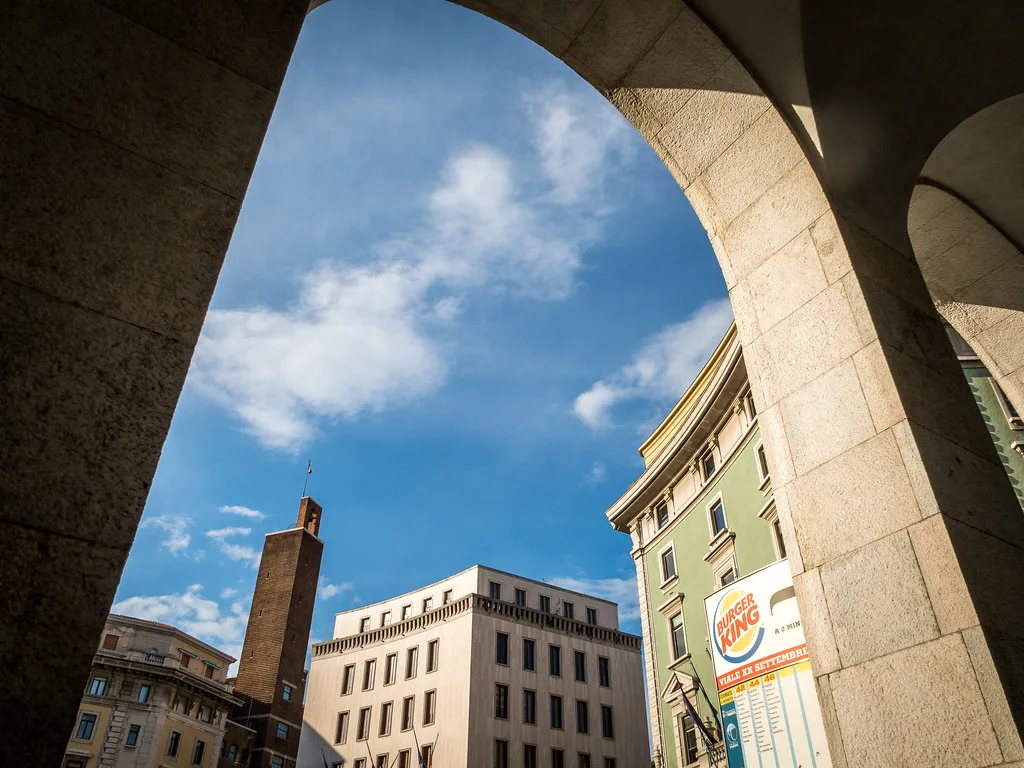
Caffè degli Specchi on Piazza Unità d'Italia
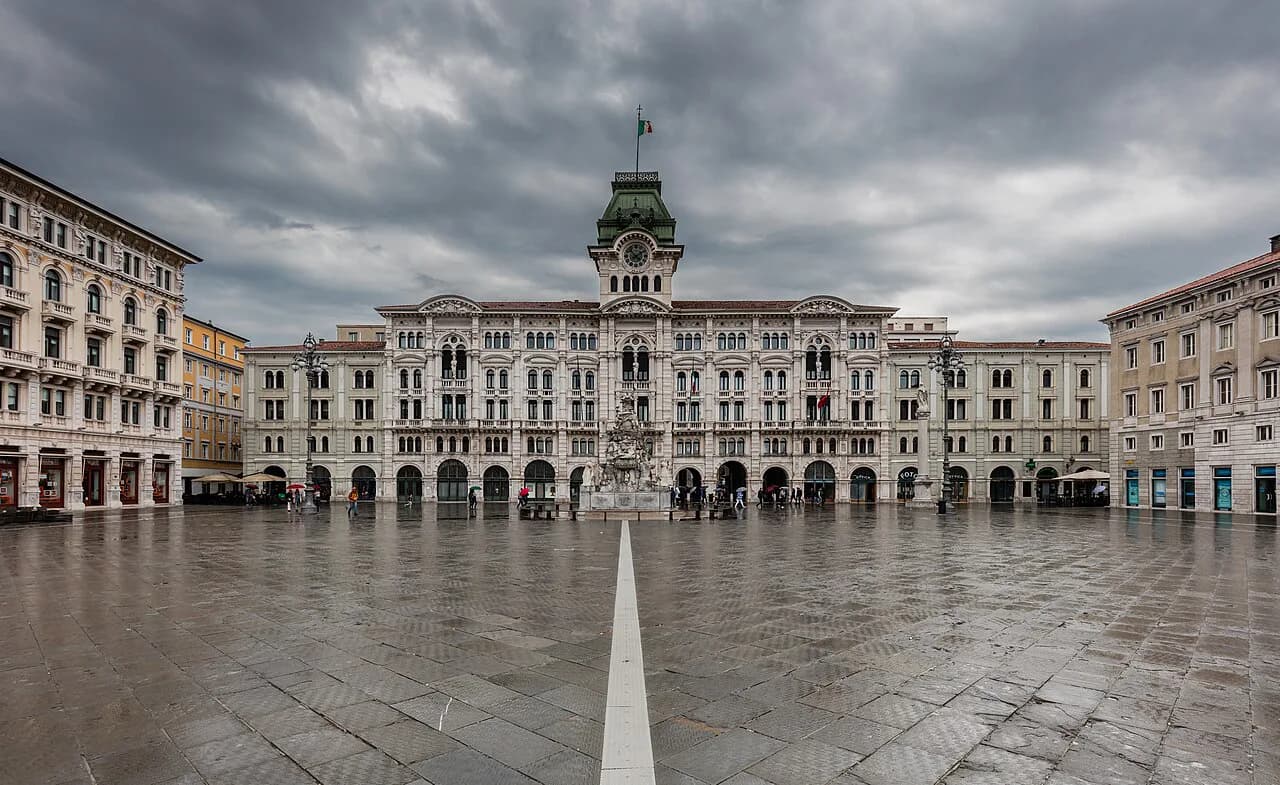
Caffè degli Specchi has been on Piazza Unità d'Italia since 1839 and is the obvious choice if you want your morning coffee with a grand set-piece square in front of you. It runs as a restaurant and pasticceria with a Mittel-European atmosphere, and its breakfast menu is built around Trieste coffee — the capo in b included — served with pastries.
The sweet side is signed Peratoner, the pastry firm behind its classic-recipe pasticceria and its chocolate work; the café also does brunch and a bistrot menu for later in the morning. Seating is spread between the interior and a large outdoor area on the piazza, and it takes table reservations by phone.
Antico Caffè San Marco
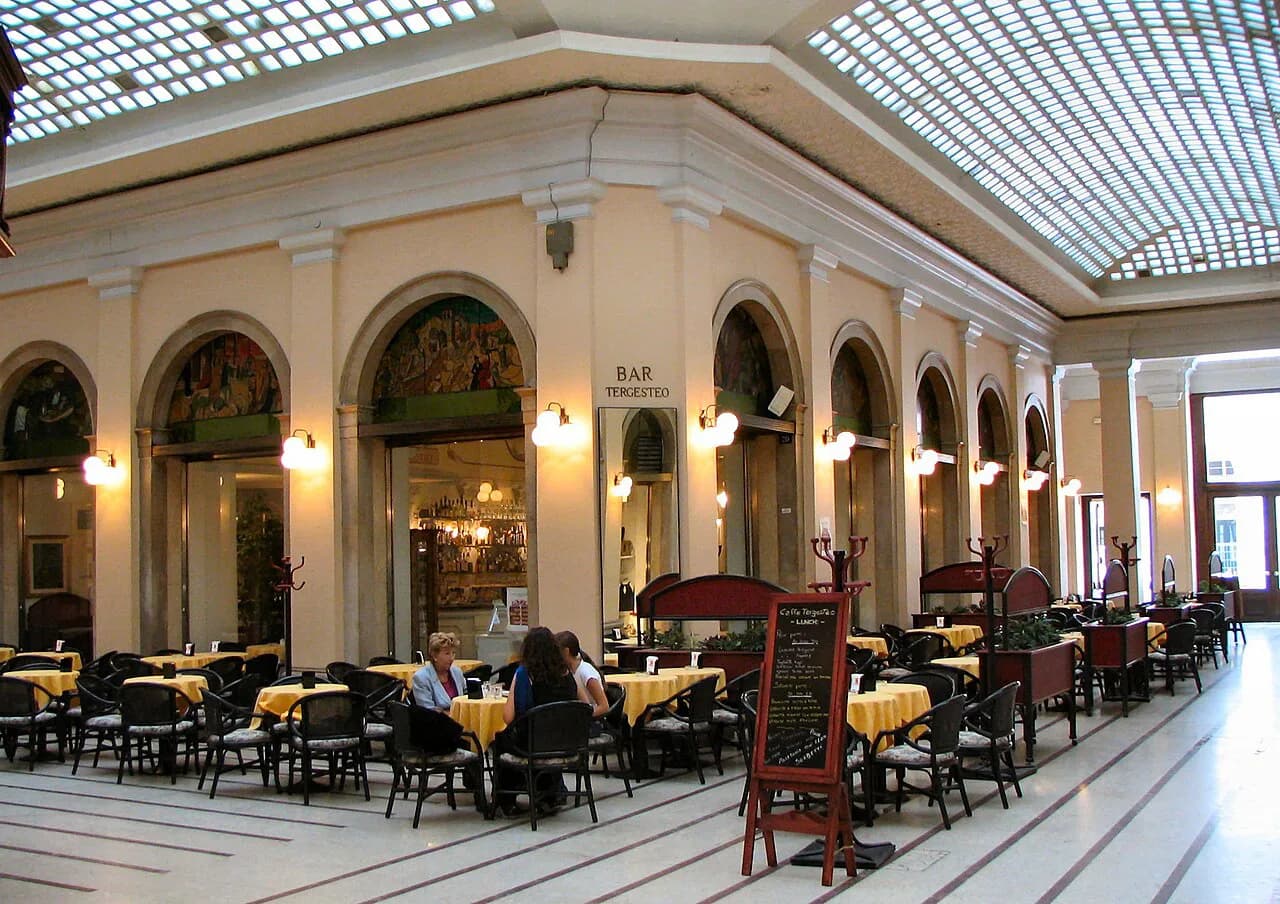
Antico Caffè San Marco sits next to the synagogue, and its appeal is the literary, bookshop-like atmosphere as much as the coffee. It is a full historic café rather than a quick bar stop, so it suits a slower start where you linger over a second coffee.
Antico Caffè Torinese on Corso Italia
On Corso Italia, Antico Caffè Torinese keeps its Liberty-era wooden interiors, display cabinets and small tables, and sets them against a modern counter dedicated to mixology. Espressos and capo in b are the morning order, and you can pair them with brioche, cakes, mignon and biscuits from a decent selection.
Eppinger Caffè on Via Dante Alighieri
Eppinger is a longstanding name in regional pastry, and its Via Dante Alighieri café draws both Triestini and visitors for a sit-down breakfast. Come for a cappuccino with a slice of cake, biscuits or leavened bakes, and expect a choice of pastries and mignon in the Triestine tradition as well as tea and herbal infusions if you are not on coffee. There is an intimate room on the first floor and a generous dehors outside, and the café also runs a Sunday brunch and serves lunch later on.
Corte Caffè at Piazza San Giovanni
Corte Caffè is a courtyard café in the centre, tucked into a Liberty-lined court off Piazza San Giovanni. It works from morning onwards with a good range of brioche and coffee done properly in all its forms, from espresso to cappuccino to the Triestine variants, and the fresh fruit juices are a sensible addition if you want something cold alongside.
Bar X on Via del Coroneo
Bar X is a modern, busy café on Via del Coroneo where the sweet counter is supplied by Pasticceria Marisa, the pastry house at San Giorgio delle Pertiche. The cappuccino is reliable and the Triestine coffee specialities are on offer, so it is a good stop if you want a contemporary bar rather than a historic room. Those who would rather not start on sugar can order from the spread of tramezzini and the light lunch plates built on local and seasonal produce.
Illy at Ponte Rosso
Illy's Ponte Rosso café occupies the ground floor of Palazzo Berlam, with Art Deco glasswork, mosaics and period furnishings, and it looks out towards the water. The coffee list stretches from espresso to hot and cold specials — the viennese and the shakerato are the ones to try — and the sweet side runs from croissants to mignon, cakes, pancakes and small tarts with cream and fresh fruit. It is the pick if you want a sea-facing café rather than a piazza one.
Lettera Viva on viale XX Settembre
Lettera Viva on viale XX Settembre is the slowest option in this list, a high-ceilinged room with a skylight and a balcony of trailing plants where people chat, study and work. Breakfast here means coffee, a macchiatone, hot chocolate or a latte chai alongside crêpes, cupcakes and cakes, including vegetarian and gluten-free bakes. Go when you want a table for an hour rather than a two-minute coffee.
Russian on Via Niccolò Paganini
Russian is a small, well-kept bar-bistrot in a very central position, open from morning to evening, with outside tables that swell the space in fine weather. Start with a nero in b and a brioche or a slice of cake, or try the whitecioccoloso if you want something sweeter; infusions, teas and fresh juices cover the rest of the table. At lunchtime the table includes boards of the local cooked ham baked in bread crust.
Harry's Bar on Via Carducci
Harry's Bar on Via Carducci makes its croissants fresh each morning, with wholemeal and gluten-free versions alongside the classic fillings of chocolate, cream or jam, which makes it a useful address if you need a gluten-free pastry with your coffee. Coffee comes in the usual forms and, if you want a stronger start, as an Irish coffee; fruit juices cover the non-coffee drinkers. The bar also does lunch, with cold first courses, meat or fish secondi, salads, hot panini caldi and tramezzini, and takeaway if you are eating on the move.
Counter or table: how the bar and seated breakfast differ
Decide first how long you want to give the morning. At the counter you order and drink standing, pay less and are out in minutes — the standard Triestine start to a working day. At a table, service and the room are what you are paying for, and at Caffè degli Specchi or Illy the view is part of the order.
The practical rule is to look at the bar before you sit. If there is a busy counter with people standing, that is the quick option; if you want to sit, ask for a table and expect to be served. Caffè degli Specchi takes reservations, so booking ahead is the safe route if you want a table.
Pasticceria, brioche and cornetto: the sweet side of breakfast
Brioche is the catch-all word for the sweet baked goods that go with morning coffee here, and the range is broader than a single croissant. Expect brioche with chocolate, cream or jam, biscuits, slices of cake, mignon and, at the pastry specialists such as Eppinger and Caffè degli Specchi, a proper pasticceria counter. If you want a savoury start, the answer is a tramezzino or a panino rather than pastry.
Which breakfast in Trieste should you choose?
For the classic version, stand at a bar counter with a capo in b and a brioche — Bar X, Corte Caffè or Harry's Bar fit an early, quick start. For the setting, book a table at Caffè degli Specchi on Piazza Unità d'Italia or take the sea-facing room at Illy on Ponte Rosso. For pastry as the main event, Eppinger and the Peratoner counter at Caffè degli Specchi are the addresses to plan around, and Lettera Viva is the one when you want to sit for an hour.
If breakfast turns into a full day of eating, the companion guides cover where to go next: the best restaurants in Trieste for a proper sit-down meal, the best pizza in Trieste for a later bite, and the best pasta in Trieste when you want a first course worth the trip.
Explore more Trieste food guides
Frequently Asked Questions
What is a typical breakfast in Italy?
In Italy the standard breakfast is a coffee — often an espresso or a cappuccino — with a sweet pastry such as a cornetto or brioche, taken quickly at a bar. It is a light, standing meal rather than a cooked one, and Trieste follows the pattern while adding its own coffee names and a strong historic-café culture.
What food should I eat in Trieste at breakfast?
Start with a capo in b, the city's small cappuccino in a glass, and a brioche, a slice of cake or a few mignon pastries. If you prefer savoury in the morning, order a tramezzino or a panino caldo instead. For a fuller morning, sit down for brunch at one of the historic cafés or pastry houses.
Sources
Notes for your next meal in Italy
Optional updates to our food guides.
You might also like
Continue reading
More guides you'll find useful