Cheap Eats in Trieste: Budget Places to Eat Well
Cheap eats in Trieste mean buffet lunches, old coffee houses and trattorias away from Piazza Unità. Here is where to eat well for less and what to order.
On this page
Cheap eating in Trieste is built around two habits: a buffet counter at lunch, where you point at hot meat and fish dishes and pay by the plate, and coffee taken standing at the bar rather than at a table on the square. Do both and you can eat well across the city without spending much, leaving room for one deliberate splurge on a historic café terrace. This guide sorts the places by meal and neighbourhood, translates the local dishes that keep the bill down and explains how a Trieste buffet actually works.
The city's cooking sits between the Adriatic and Mitteleuropa, so a single day can run from a bowl of bean and sauerkraut soup to a pastry filled with chocolate. Most of the good-value eating clusters in the streets behind Piazza Unità d'Italia and around Piazza Oberdan, where the transport hub meets a cluster of cafés and pasticcerie.
What cheap eating looks like in Trieste
A cheap day in Trieste usually means three separate stops rather than one long restaurant meal. Breakfast is a coffee and a pastry standing at a bar, lunch is a buffet or a trattoria plate, and dinner is where you choose between another modest trattoria and one bigger spend. Trieste's cuisine mixes Adriatic fish cookery of Istrian and Dalmatian character with meat dishes that echo the Danubian world, so the budget options are varied rather than a single genre.
For a broader picture of the city's tables at every price, from osterie to smarter dining rooms, The Best Restaurants in Trieste guide maps the range; use it to decide where a single bigger meal is worth the money on your trip.
The closer a table sits to Piazza Unità d'Italia, the more likely you are paying for the view rather than the cooking. Walk a street or two inland and the same money tends to buy a proper lunch. That trade-off shapes everything below.
The Trieste buffet, explained
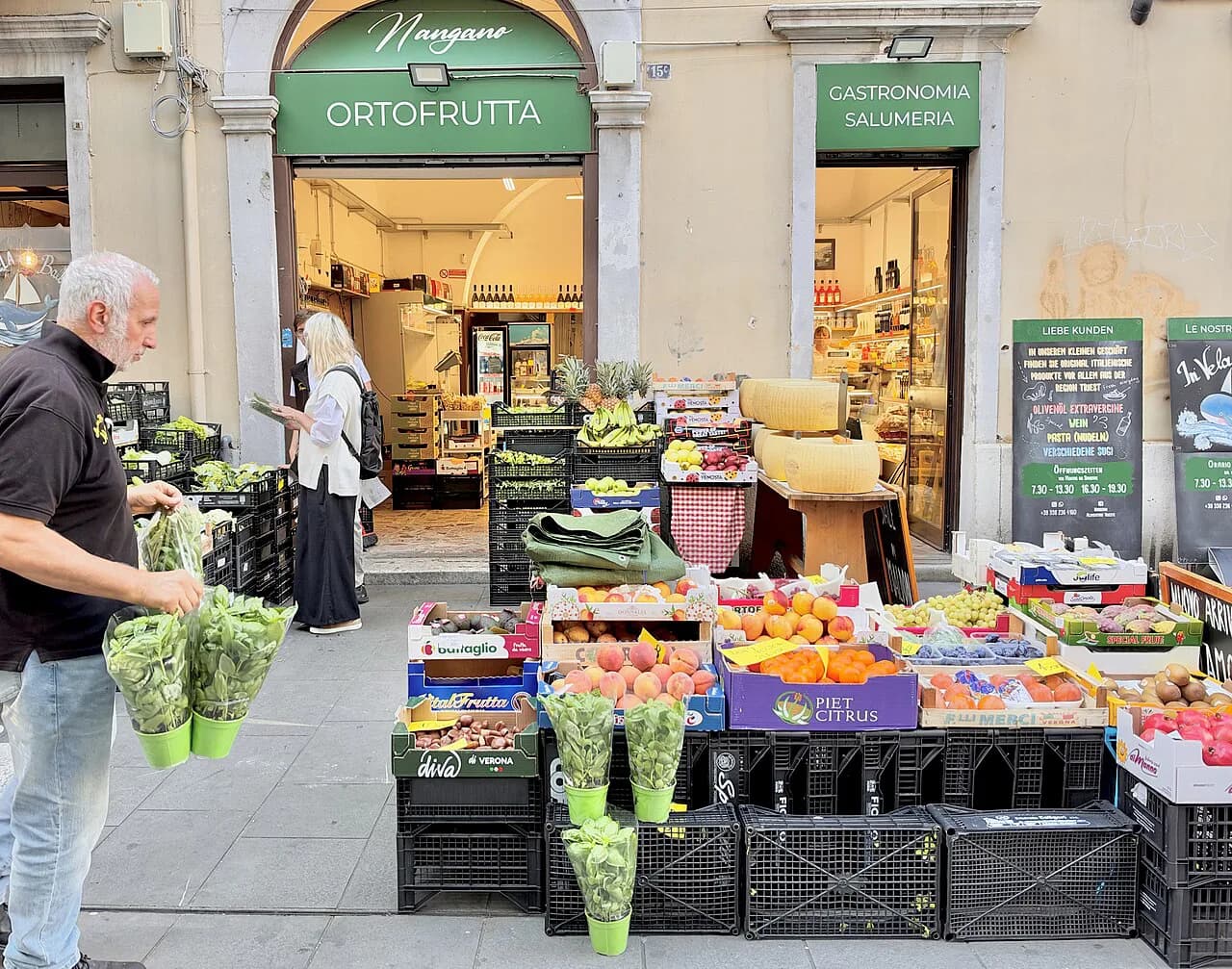
A Trieste buffet is not an all-you-can-eat spread. It is a food counter, often with a hot cauldron set into the bar, where meat and fish dishes are served up quickly and the emphasis is on a fast, simple lunch rather than a long sit-down meal. Knowing this saves first-time visitors from expecting a fixed-price feast and being surprised by a plate-by-plate bill.
Mangia e Fuggi on Via Valdirivo, run by Rapisarda Zemina, describes itself as both a buffet and an osteria, with a kitchen built around meat or fish, some vegetarian dishes, fresh pasta and traditional Trieste cooking. Its stated aim is a relaxed or quick lunch break, which is exactly the slot a buffet fills best.
Treat the buffet as a lunch strategy: arrive hungry but not ravenous, look along the counter before committing, and order one substantial plate plus a contorno rather than several small dishes. That keeps both the bill and the decision-making manageable.
Historic cafés and pasticcerie for breakfast and a snack
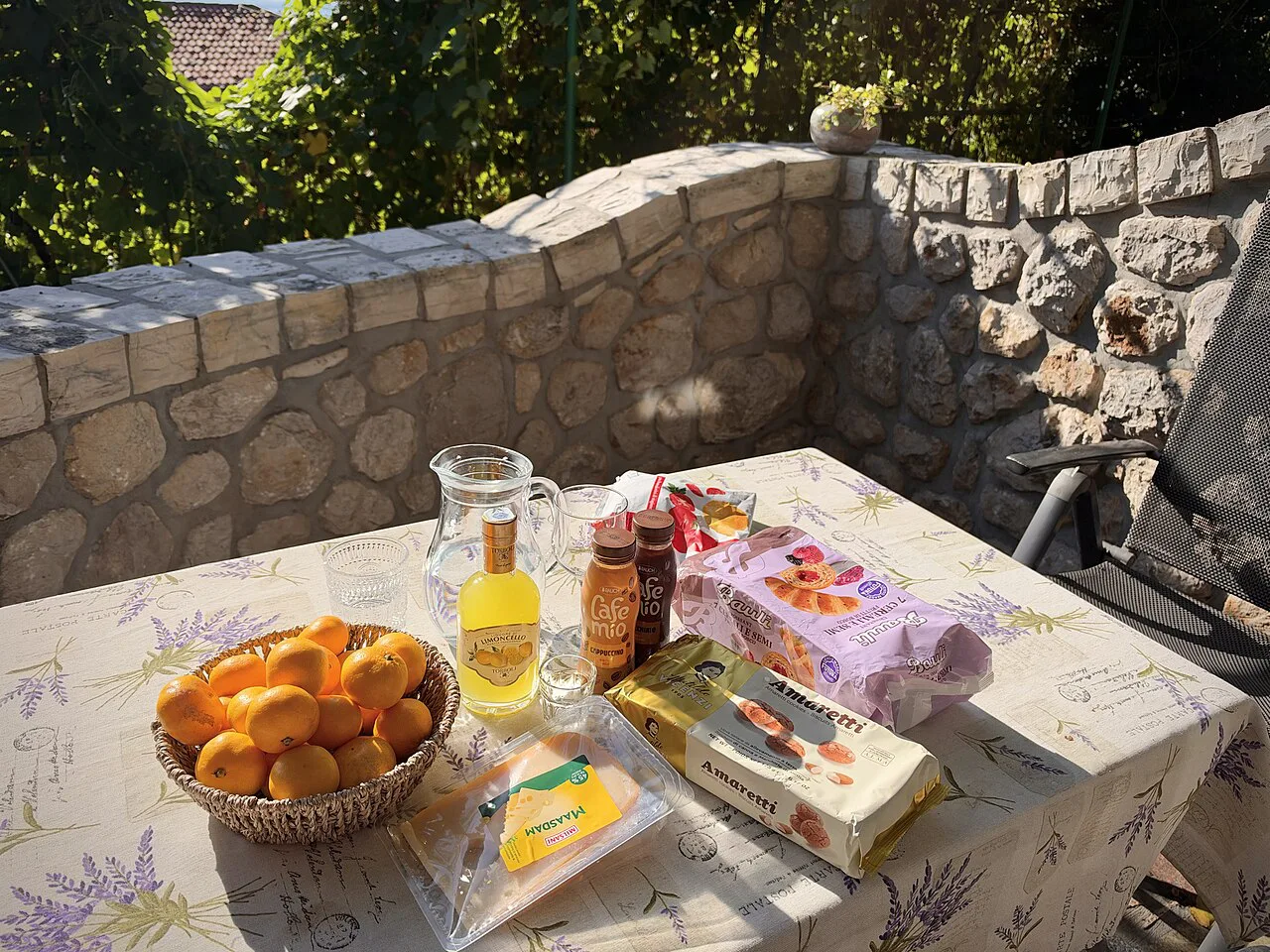
Trieste's coffee houses are the city's most atmospheric budget stop, because a coffee at the bar costs little even in the grandest rooms. Caffè Tommaseo, a few steps from Piazza Unità d'Italia and founded in 1830, is described as the oldest café in the city. Caffè degli Specchi opened in 1839 and looks straight onto the square, with red banquettes inside.
Antico Caffè San Marco, opened in 1914, has long been a meeting place for the city's writers and keeps a bookshop inside; it draws a younger crowd as well. Order a mugaccino, an espresso topped with whipped cream and chocolate, or a viennese, an espresso with chocolate, cream and cocoa, when you want the coffee to double as a mid-morning snack.
For a plain, quick breakfast rather than a historic room, Pasticceria Sanna sits beside Piazza Oberdan, the main starting point for the city's public transport, which makes it an efficient first stop of the day. A krapfen here is the regional version of a filled doughnut, and it pairs with a capo, the local name for a macchiato, at a modest cost.
If pastry is the reason you plan a morning, the wider pastry shops in Trieste round-up covers the bakeries and cafés worth building a route around. For the meal itself, breakfast in Trieste covers the same ground in more depth and helps you choose between a bar counter and a table-service café.
Cheap lunches and dinners at buffets and trattorias
The city's historic buffets are the backbone of a cheap lunch: Buffet da Pepi, Antico Buffet Benedetto and Vecio Buffet Marascutti 1914 all belong to the informal, counter-led tradition of cooked meat and quick plates, alongside Osteria da Marise. Portions and pace suit a working lunch rather than a lingering one.
Trattoria Nerodiseppia, known simply as NerodiSeppia, has been on the Trieste scene for two decades and cooks with attention to local ingredients, including an antipasto built from marinated and breaded fish and a sea version of Russian salad. It suits a sit-down dinner that still stays reasonable, especially if you order the antipasto and a pasta rather than a full three courses.
Menarosti, in the city since 1903, is the pick for plain fish cookery where the quality of the raw material does the work, so a simple plate of fish keeps the meal focused. The point here is the fish rather than a long wine list.
If you want a fuller plan for the middle of the day rather than a single address, lunch in Trieste sets out the counter, buffet and trattoria options by area so you can match the meal to wherever you are standing.
What to order to keep the bill down
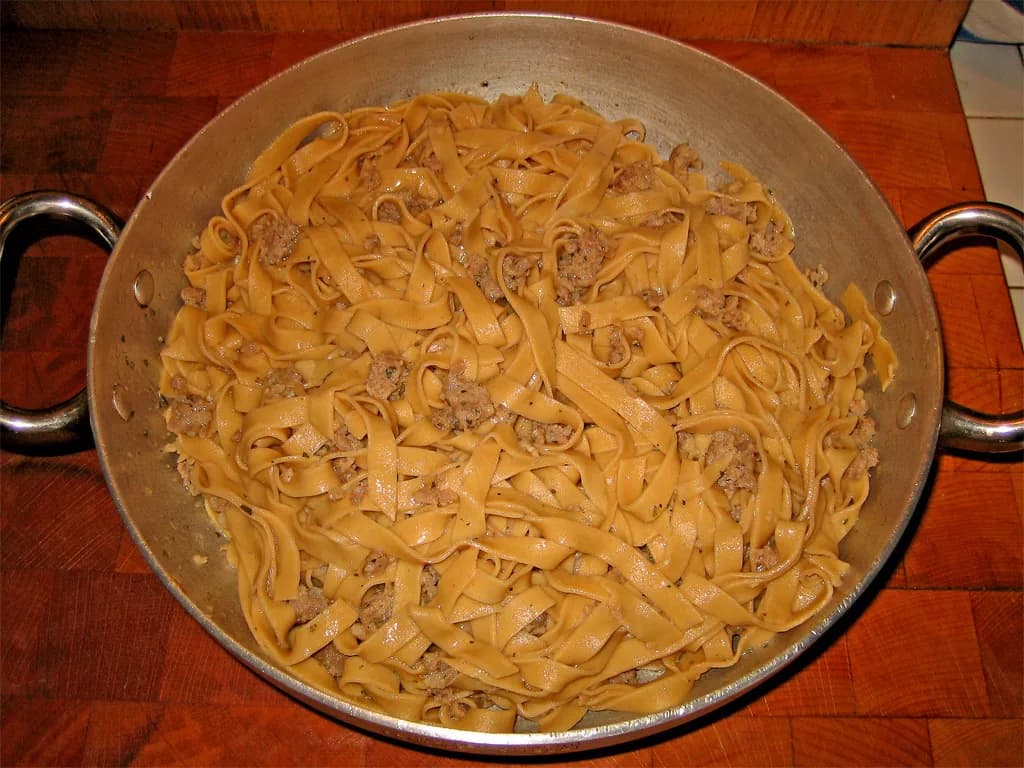
Order the local dishes and the bill tends to fall, because they are built from cheap staples and long cooking rather than expensive cuts. Jota is Trieste's bean, sauerkraut and potato soup with pork rind, a one-bowl lunch in itself. Fusi istriani are twisted Istrian pasta shapes, a little like garganelli, served with fish or meat sauce and best treated as a shared or half portion before a main.
Gnocchi, made from potato or from bread, come topped with gulasch, the paprika-heavy stew that arrived from the east and stayed; a plate of these is dinner for many locals. Hot cooked ham, sliced by hand, is the city's signature antipasto and also fills panini, so it works as a cheap sandwich or a starter. For more on the pasta side, best pasta in Trieste follows the same value logic.
From the sea, baccalà mantecato is whipped salt cod, and sardoni in savor are sardines marinated in vinegar and oil with onion; both are inexpensive ways to eat fish without ordering a whole grilled specimen. Bollito di maiale, pork boiled in the cauldron set into the counter, arrives with mustard, sauerkraut or potatoes cooked in a pan, or stuffed into a roll, and is the ultimate single-plate lunch.
Pizza is another reliable budget meal in the city, and best pizza in Trieste points to the pizzerias worth your money.
How Trieste coffee works and how to order it cheaply
Coffee vocabulary is the single most useful thing to learn before you sit down. Espresso is called nero, a macchiato is a capo, and a capo in B is a macchiato with more milk foam, served in a small glass. A gocciato is an espresso with a drop of milk at the centre. Ask for what you want by these names rather than pointing at the menu, and you sound like you have been before.
Trieste has been a coffee city since the eighteenth century, when it became a free port for imports, and its literary cafés were favoured by writers including James Joyce, Italo Svevo and Umberto Saba. That history explains the grandeur of the rooms, but not the price of a coffee taken the local way.
Drink standing at the bar to enjoy a historic room cheaply, and save the seated coffee for one occasion when the square in front of you is the point. The bar is the budget way to experience a grand café.
Desserts and pastries that cost little
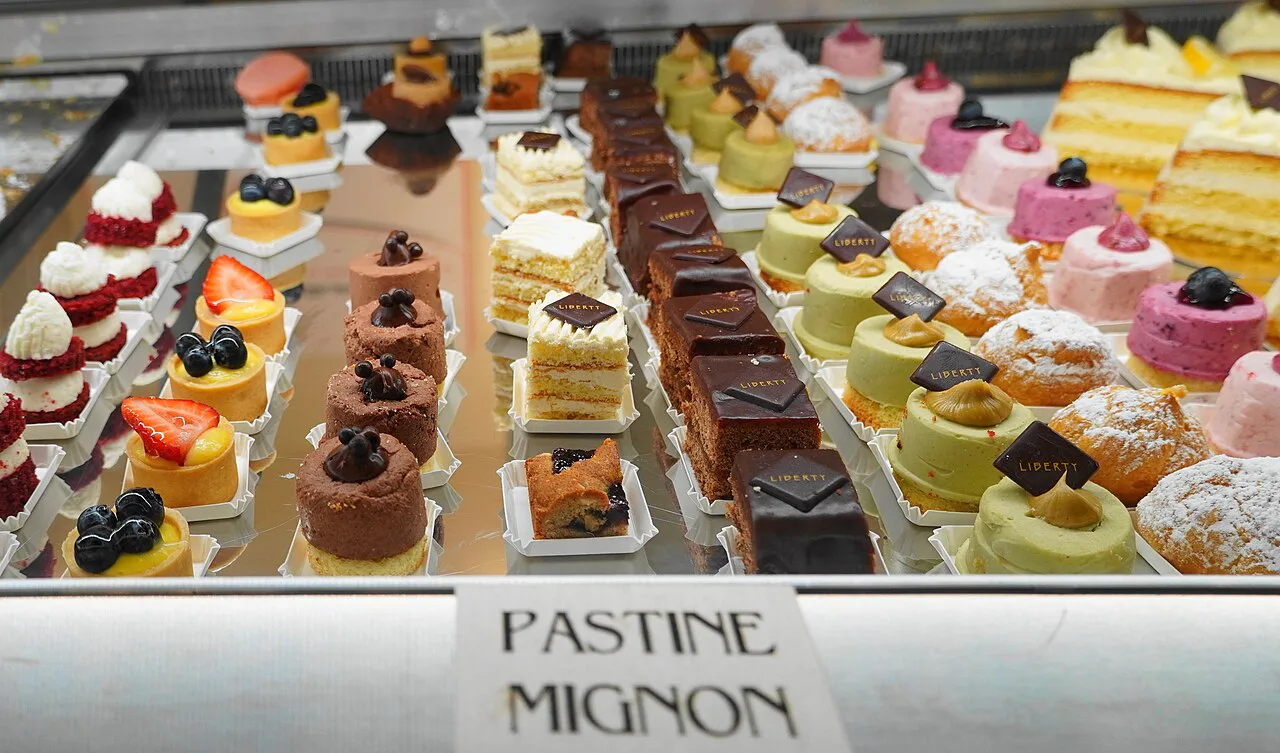
Sweet things are where Trieste's Mitteleuropean side shows most clearly. Krapfen, a filled doughnut, is a breakfast staple at bars such as Sanna. Strudel di mele is apple strudel, and torta Rigojanci is a dense chocolate cake of Hungarian origin, both of which turn a coffee stop into a proper snack for very little.
Pick one pastry with your coffee rather than a plate of several, and you keep the stop cheap while still tasting the local repertoire. If you want more choice, the best gelato in Trieste guide covers the cold side of the same budget habit.
Where the good-value eating sits in the city
Plan by neighbourhood and you walk less and pay less. Around Piazza Oberdan and Via Battisti you have breakfast covered, with Sanna beside the transport hub and Antico Caffè San Marco on Via Battisti. Behind Piazza Unità d'Italia, Via Valdirivo and the surrounding streets hold the buffet lunch rooms, including Mangia e Fuggi at Via Valdirivo 38/E.
That geography lets you build a day that moves inland for meals and back to the waterfront for atmosphere, with the grand square reserved for a single coffee. It also means you rarely need a taxi or bus to eat well.
Street food is the other low-cost option when you are moving between areas, and street food in Trieste collects the places to grab something on foot. For a wider view of what the city offers beyond eating, Trieste Attractions: 6 Visitor Guides is the companion index.
The trade-offs: square, café and counter
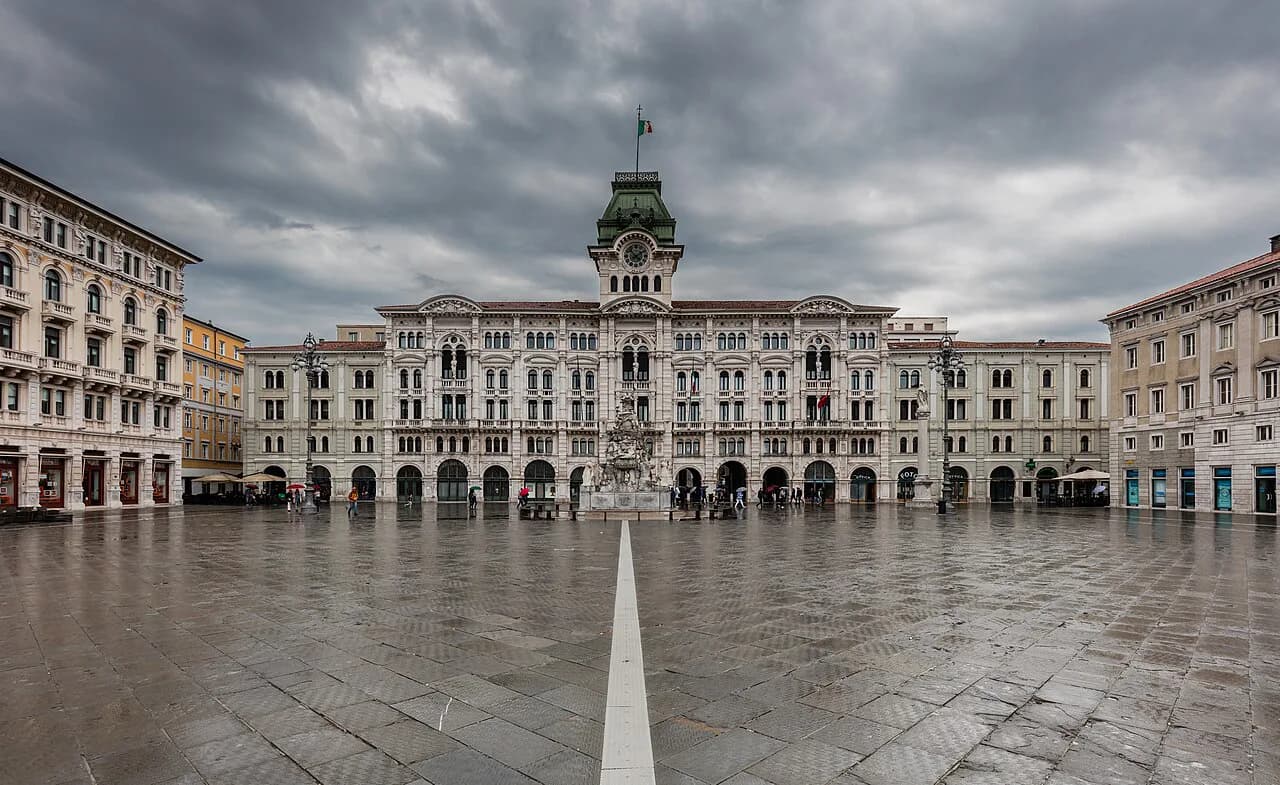
A table on Piazza Unità d'Italia costs more than a bar counter a street back, and what you buy with the difference is the view of one of Europe's largest sea-facing squares. Budget for one such coffee, ideally at Caffè degli Specchi, and take your other coffees standing.
The historic cafés are worth one splurge, not every meal; treat them as an experience rather than a canteen. For dinner, the same logic applies in reverse: a trattoria a few streets inland will feed you better for the money than a tourist menu facing the water. If you do want one high-end meal, Michelin restaurants in Trieste shows what the top end looks like.
A per-person cover charge, the coperto, is normal in sit-down restaurants, so a cheap-looking menu can cost a little more once it is added; a bar coffee is the cheaper habit. Read the menu before you sit and you avoid surprises on the bill.
Which Trieste meal should you spend on?
Spend on one seated coffee on Piazza Unità d'Italia and one proper fish dinner, and keep everything else cheap: a pastry and a capo at the bar for breakfast, a buffet plate at lunch and a plate of jota or gnocchi with gulasch when you want a full meal without the price of the waterfront. That split gives you the city's atmosphere and its cooking without paying tourist prices three times a day.
The single most useful habit is to walk one street inland from the square before choosing where to eat, then order by the local names rather than the translated menu. For the wider picture of the city's tables beyond the budget end, The Best Restaurants in Trieste is the place to start.
Frequently Asked Questions
What food should I try in Trieste on a budget?
Start with jota, a bean, sauerkraut and potato soup with pork rind, and fusi istriani, twisted Istrian pasta served with fish or meat sauce. Add gnocchi with gulasch, hand-sliced hot cooked ham in a panino, and baccalà mantecato, whipped salt cod, or sardoni in savor, marinated sardines. For breakfast, a krapfen and a coffee at the bar costs little.
Is Trieste expensive to eat in?
Eating can be cheap if you follow local habits: coffee standing at the bar, a buffet counter at lunch and a trattoria a street or two back from Piazza Unità d'Italia. The waterfront tables and the grand café terraces are where prices climb, so treat those as an occasional splurge rather than the default.
What is a Trieste buffet?
It is a food counter, often with a hot cauldron built into the bar, serving meat and fish dishes quickly for a simple lunch. It is not an all-you-can-eat spread, so expect to pay by the plate rather than a single fixed price.
How do I order coffee like a local in Trieste?
Ask for a nero for an espresso, a capo for a macchiato and a capo in B for a macchiato with more milk foam served in a glass. Drink it standing at the bar, which is the cheaper and more usual way to enjoy a historic room.
Sources
Notes for your next meal in Italy
Optional updates to our food guides.
You might also like
Continue reading
More guides you'll find useful