Best Restaurants in Trieste: Where to Eat and What to Order
Where to eat in Trieste, from buffet osterie and seafood trattorias to a historic piazza café, with the Triestine dishes to order and how to choose.
On this page
The best restaurants in Trieste split into three useful types: buffets and osterie for traditional cooking, seafood kitchens that follow the Adriatic catch, and the historic café on Piazza Unità d'Italia. Trieste's cooking joins fish from the Adriatic with Central European meat and soup dishes in the same kitchen, a legacy of its centuries as a meeting point of the Mediterranean and Mitteleuropa. This guide groups the city's tables by what each one does best, names the dish to order, and leaves the pick to your evening rather than a flat ranking. If dumplings and primi are what you are after, Best Pasta in Trieste is the companion page.
Addresses matter here. A buffet is a counter-style city institution, an osteria is a small family-run dining room, and a seafood restaurant may serve only what was landed that day. Knowing which you have booked changes everything: the portions, the pace and whether you can walk in without a plan. Use the sections below to match the room to the meal you actually want.
What Triestine Food Is
Trieste's table is a double inheritance. From the Adriatic come fish soups, fried sardines and shellfish, while Central European cooking supplies beef stew, sauerkraut soups and grilled minced-meat sausages. That means a single menu can open with a brodetto, a small-fish stew with shellfish, and close with a plate of paprika-rich beef. Knowing this stops you treating the fish dishes as the only local option, or the meat dishes as somehow foreign.
The city's history explains the mix. As a major port of the Habsburg empire, it drew cooks and ingredients from Austria, Hungary, Slovenia and the Italian peninsula, so gnocchi, gulash and cevapcici all count as local now. Order across that line rather than sticking to one tradition, and a Trieste dinner reads like a short history of the city on one table.
For a first meal, aim for one fish course and one Central European dish between two people. That pairing shows you what the kitchen does in both directions without committing your whole evening to either. It is also the fairest way to judge whether the restaurant is stronger on seafood or on slow-cooked meat.
How to Read a Trieste Restaurant Menu
Gnocchi triestini are not potato dumplings. The classic version, gnocchi di pane, is made from stale bread with milk, garlic, parsley and speck or local ham, and it usually arrives under a spoonful of gulash; there is also a sweet-leaning variant with plums, egg, potato and cinnamon that sits somewhere between first course and dessert. If you want to read more about the dumpling side of the city, the guide to the best pasta in Trieste covers it alongside other primi.
Jota is the dish to order on a cold day: a thick one-pot soup of sauerkraut, potato, pancetta, beans, pork chop and sausage, with Slovenian roots and enough body to serve as a whole meal. Sardoni in savor are small fried sardines layered with onions cooked in vinegar, bay and garlic, left to marinate and served cold; the flavour is sharp and the dish divides people, so order it to share before committing.
Gulash triestino is a beef stew built on paprika and onion, and the local version uses onion in roughly the same quantity as meat, which gives it a deep red colour and a sweet edge. Cevapcici are grilled minced sausages of pork, beef and lamb seasoned with garlic, onion and paprika, served hot from the grill. Both are the dishes to order when you want the Central European half of the menu.
Fish appears in several forms worth knowing: baccalà, salt cod, either whipped with oil into a soft cream or cooked with tomato; branzino, sea bass; and canocie in busara, mantis shrimp with breadcrumbs, tomato, pepper and wine. These are the plates that tell you whether the kitchen is buying well that morning. Ask which fish came in fresh rather than frozen, and let the answer steer the order.
Buffets and Osterie for Traditional Cooking
Buffet de Pepi on Via della Cassa di Risparmio has been running since 1897 and is the place to understand the Triestine buffet, a hybrid of bar and simple dining room. The house speciality is bollito di maiale, pork boiled in a cauldron, which is plain, rich and exactly the kind of dish a buffet exists to serve. Come here for the traditional cooking rather than a long, polished dinner.
Vecio Buffet Marascutti 1914 on Via Cesare Battisti is another long-standing institution, trading since 1914, and its signature is jota. If the soup appeals but you would rather not gamble on a menu you cannot read, order it here and let the kitchen show you the dish at its most typical. A bowl of jota and a glass of something local is a complete winter lunch.
Osteria al Tempo Perso on Via Giovanni Boccaccio is a family-run dining room near the railway station, which makes it a sensible first or last meal if you are arriving or leaving by train. Its kitchen is known for fish, so treat it as an osteria with a seafood strength rather than a pure meat-and-soup stop. Book ahead for dinner, since a small family room fills quickly.
For a short, affordable lunch, the cheap eats in Trieste round-up is a useful companion to these addresses. Buffets in particular suit a quick plate and a coffee at the counter rather than a booked table, so they fit neatly into a day of walking the centre.
Seafood Restaurants, from the Centre to Grignano
Osteria Salvagente on Via dei Burlo is the seafood-only option: the menu is built around the fresh fish available that day, which keeps it honest but means the dishes change. That makes it the right booking if you want the Adriatic catch and nothing else, and the wrong one if someone in your group wants jota or gulash. Decide as a group before you reserve.
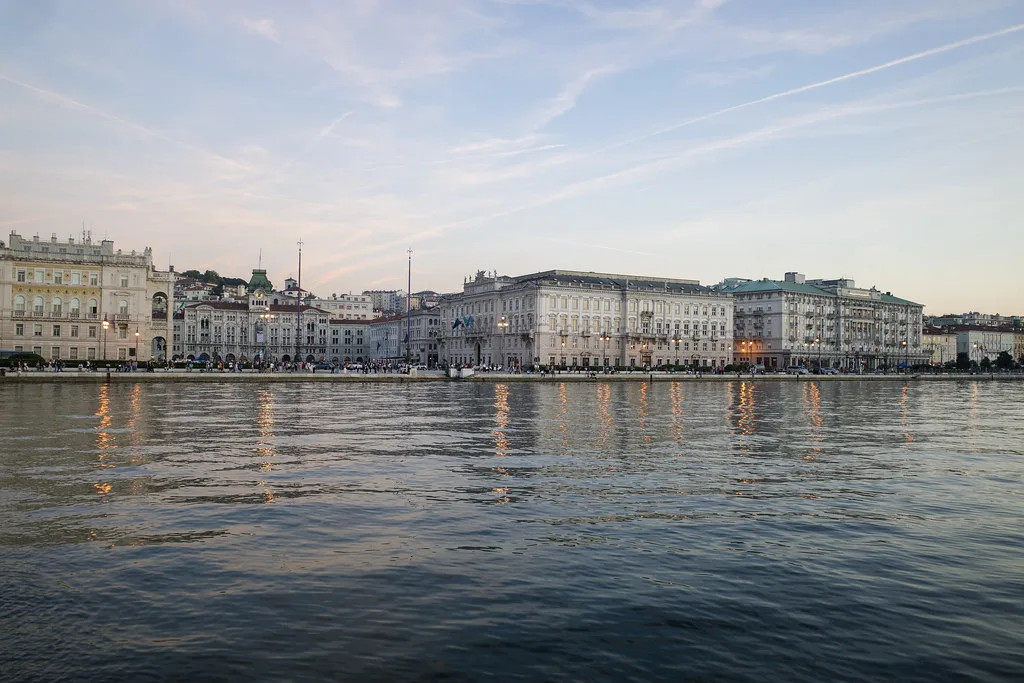
The city has no shortage of fish kitchens. Trattoria Nerodiseppia on Via Luigi Cadorna, Osteria di Mare alla Voliga on Via della Fornace and Hostaria Ai 3 Magnoni up on Via dell'Eremo are all established seafood addresses in and around the centre. Closer to the water, Tavernetta al Molo at Grignano and Trattoria al Sub on Viale Miramare put you near the coastal edge and the Castello di Miramare. Pick by where you plan to spend the evening rather than chasing a list.
Two more centre options for fish are Al Bagatto on Via Luigi Cadorna and Hostaria Malcanton on Via Malcanton, both handy if you are staying in the old town. Seafood restaurants here tend to price by the catch, so ask the weight and the price per kilo before ordering a whole fish, and confirm how it will be cooked. That one question prevents most bill surprises.
The Historic Café Stop: Caffè degli Specchi
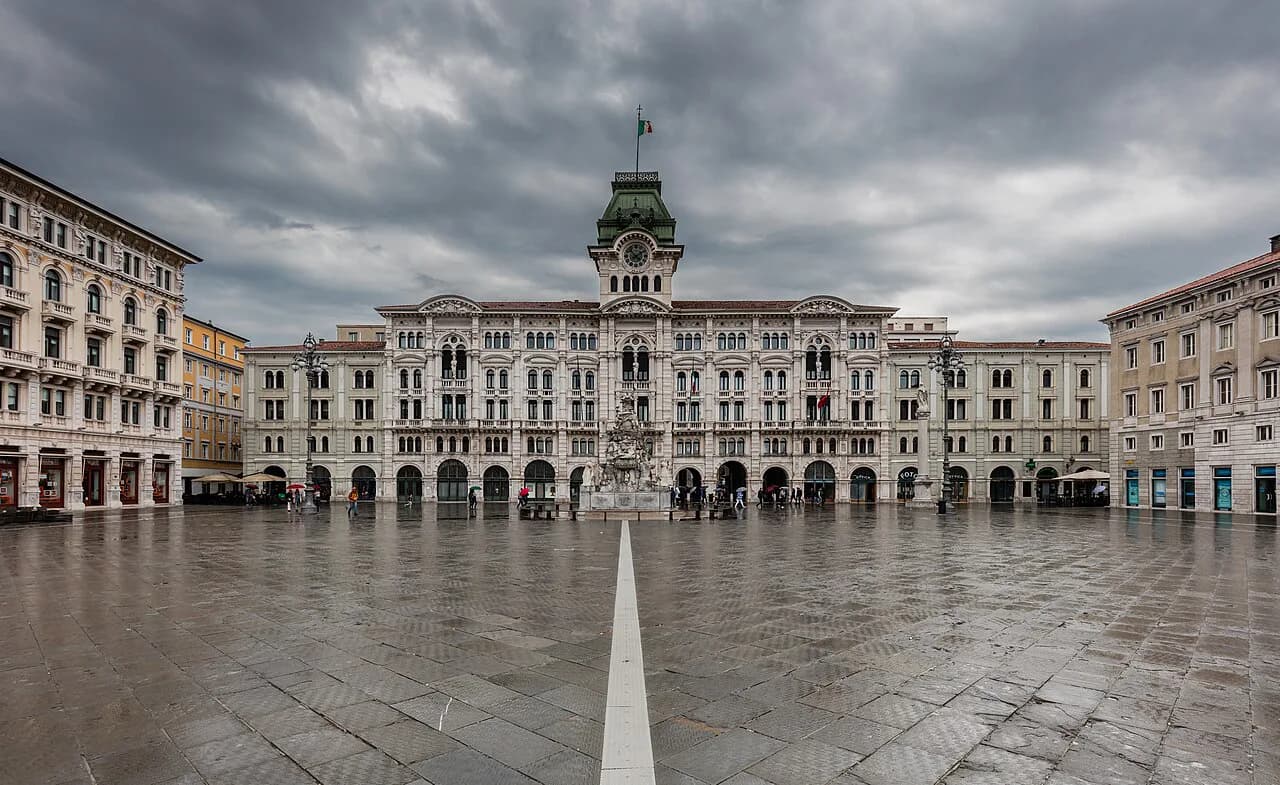
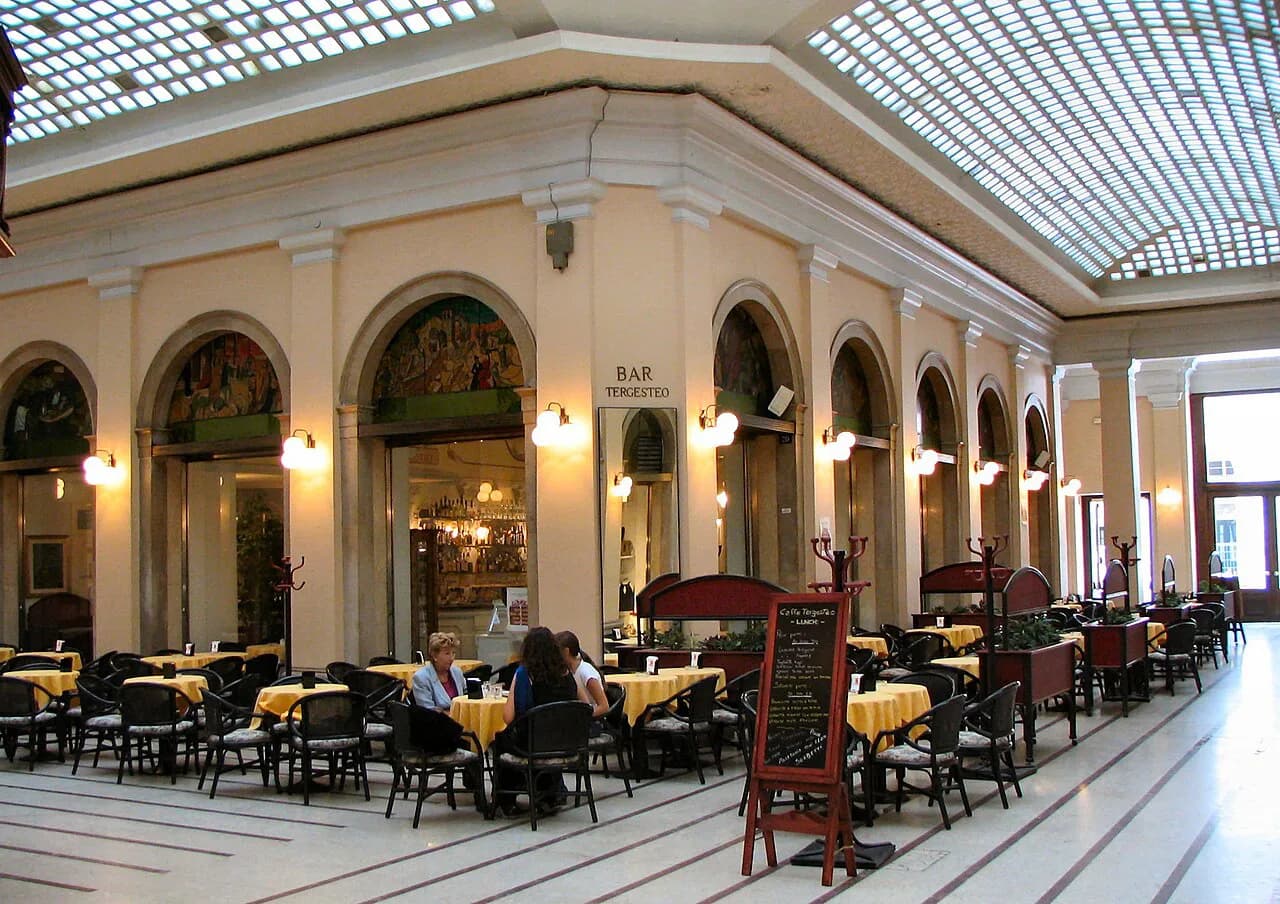
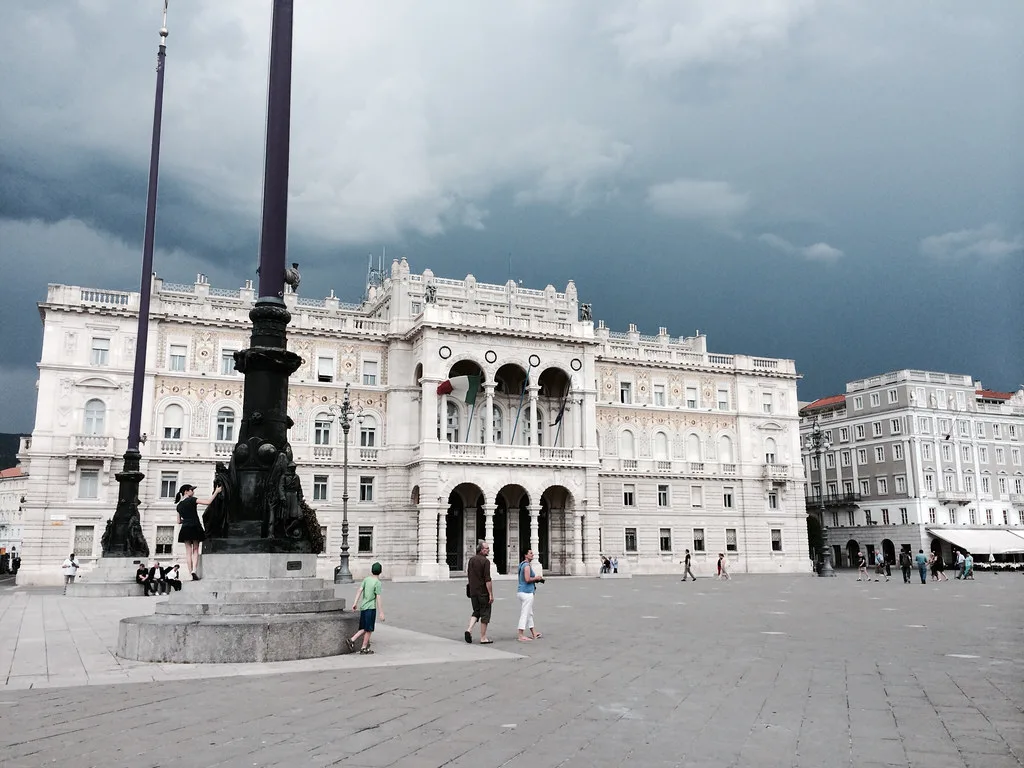
Caffè degli Specchi on Piazza Unità d'Italia is the city's grand café, opened in 1839 and set on the main square facing the sea. Order a coffee and drink it standing or seated as the room allows, and treat the visit as a pause rather than a meal; the point is the setting and the coffee culture, not a tasting menu. It is the obvious choice before or after a walk along the waterfront.
Trieste takes coffee seriously as a historic trading city for quality beans, and the café ritual is part of local life rather than a tourist extra. If you want a proper sit-down start to the day rather than a quick espresso, the breakfast in Trieste guide covers the morning side of the same habit. Coffee at the bar is the cheaper, faster move; a table on the square is the slower one.
The piazza itself is the centre of the city, which makes the café a natural anchor for a day of eating. Start here with coffee, walk the centre, and come back for an evening aperitivo when the square is at its best. The lunch in Trieste guide is the useful bridge between the two if you want to plan the middle of the day.
Trieste Sweets to Finish
Triestine pastry leans Central European. Presnitz is a rolled puff pastry packed with dried fruit, chocolate, sugar, cinnamon and rum, sliced thick like a strudel; pinza is an Easter sweet; and koch is a soft pudding of whipped butter and sugar. Order one to share at the end of a meal rather than a full dessert each, since all three are rich.
For buying sweets to take home, the pastry shops in Trieste guide is the place to start, and it pairs naturally with a walk through the old town. A slice of presnitz and a coffee is also a perfectly good mid-afternoon stop when a full lunch would be too much.
Where to Eat by Area
The old town and the streets around Piazza Unità d'Italia hold the historic café, several fish kitchens and the central buffets, so you can eat well without leaving the centre. This is the area for a first evening: everything is walkable, and you can compare a buffet lunch with a seafood dinner on foot. Book the seafood table and leave the buffet to chance.
The station end of town, around Via Giovanni Boccaccio, suits arrival and departure days, with Osteria al Tempo Perso close by. Further out, the coastal edge towards Grignano and Miramare trades convenience for sea air and a calmer evening, which is worth the trip if you have already seen the centre.
For a different kind of comparison, the best pizza in Trieste guide is the right page when the group wants a shared pie rather than a seated menu, and it sits alongside these addresses in the centre. Pizza is a separate decision from the buffet-or-seafood question, so plan it as its own meal.
Buffet, Osteria or Seafood Restaurant?
Pick a buffet when you want traditional cooking, a quick plate and no ceremony; pick an osteria when you want a small room and a slower dinner; pick a seafood restaurant when the catch is the point of the meal. That single question settles most Trieste evenings. If you are unsure, choose the osteria, which usually offers both fish and meat and suits mixed groups.
If fine dining is what you are after, the Michelin restaurants in Trieste guide is the place to look, since none of the traditional addresses above is listed with an award. Stars and ratings change with each edition of the guide, not with a city's reputation. For the wider picture of what to see between meals, Trieste Attractions covers the landmarks in brief.
Which Trieste Table to Book First
Book Osteria Salvagente if you want the day's catch and nothing else, Vecio Buffet Marascutti 1914 if jota and a slice of history are the goal, and Buffet de Pepi if you want boiled pork and a counter. Save Caffè degli Specchi for coffee on the square and finish with presnitz from a pastry shop. One seafood dinner, one buffet lunch and one café stop covers Trieste's three food identities in a single visit.
If you are comparing this city with others on the trip, the best restaurants in Alghero and the best restaurants in Arezzo follow the same logic of matching the room to the meal. In Trieste, the choice comes down to one question: fish, meat or coffee?
Explore more Trieste food guides
Frequently Asked Questions
What food is Trieste known for?
Trieste is known for Adriatic seafood such as sardoni in savor and brodetto, alongside Central European dishes including jota, gulash triestino, cevapcici and bread-based gnocchi di pane. Presnitz, pinza and koch are the local sweets, and coffee is a serious city habit.
Is there a Michelin-starred restaurant in Trieste?
Stars are awarded in the current Michelin Guide and can change each year, so check the guide's own listing for Trieste before booking. None of the traditional buffets, osterie and seafood addresses in this guide should be assumed to hold a star.
Sources
Notes for your next meal in Italy
Optional updates to our food guides.
You might also like
Continue reading
More guides you'll find useful