Best Pasta in Trieste: What to Order and Where to Eat It
Trieste's pasta is shaped by Adriatic and Central European history. Here are the local dishes to order and the osterie and trattorie known for them.
On this page
The best pasta in Trieste is usually not a plate of dried pasta at all: the city's signature first course is gnocchi di pane, bread dumplings served under a ladle of gulash, and its other great comfort dish is jota, a sour cabbage and bean soup-stew thick enough to count as a meal. Beyond those, the Adriatic supplies the rest, with shellfish sauces, brodetto and cold marinated sardines. This guide sets out what to order, which osterie and buffets serve it, and how a Trieste lunch is priced and paced.
Best pasta in Trieste: the short answer
Order gnocchi di pane alla triestina, the bread-based dumplings, and take them with gulash rather than a tomato sauce. If you want something brothy and filling, jota is a one-dish meal of sauerkraut, potatoes, beans, pancetta, sausage and pork rib, described as a single course rather than a starter. For a seafood plate, look for busara-style shellfish sauces and brodetto, a stew of small fish, molluscs and crustaceans.
The cooking here layers Adriatic fish with Central European and Slavic influences, so paprika, sauerkraut and grilled minced-meat sausages sit on the same menu as clams and scampi. That mix is what makes eating in Trieste different from the rest of Italy, and it is the reason a pasta hunt here should start with dumplings and soup.
If your trip is mainly about the wider dining scene, The Best Restaurants in Trieste guide picks up the seafood trattorie, buffets and smarter rooms in more detail, while this page stays with the starchy staples and the places that do them well.
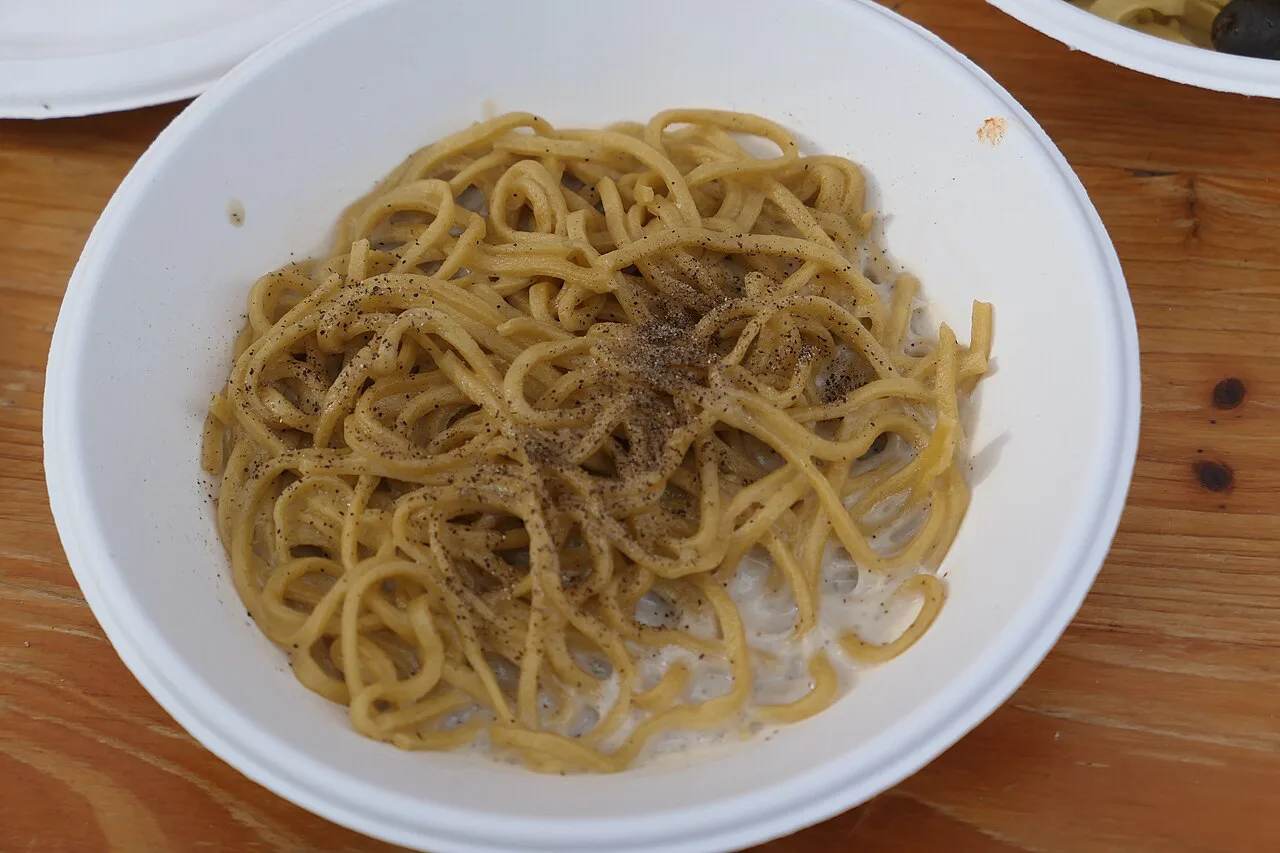
Gnocchi di pane alla triestina, the city's own dumpling, served with gulash
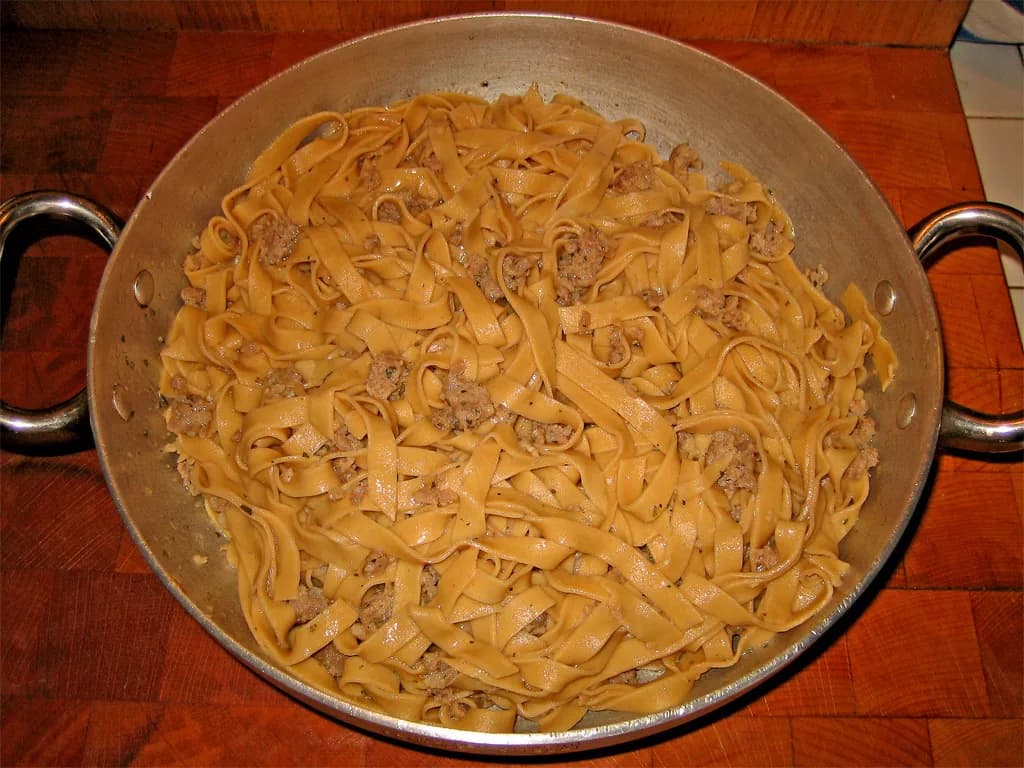
Gnocchi de pan are made from stale bread with garlic, milk, parsley and speck or Triestine prosciutto, then boiled and dressed. They are not the potato gnocchi visitors expect, and the texture is lighter and more open than a flour-heavy dumpling, which is why they soak up a meat sauce so well.
The classic pairing is gulash, a beef stew with paprika and onion inherited from Hungary but absorbed into the local repertoire. The Triestine version differs from the Hungarian original in that it is served with bread gnocchi instead of potatoes, and the paprika gives it a dark red colour and a firm, savoury bite. Order it as your main and skip a separate primo.
A second sweet-leaning variant, gnocchi con le susine, is made with pitted plums, eggs, potatoes and cinnamon, and it is genuinely ambiguous whether you are eating a first course or a dessert. Try it if you like the idea of a savoury-sweet plate, but do not order both versions at one sitting.
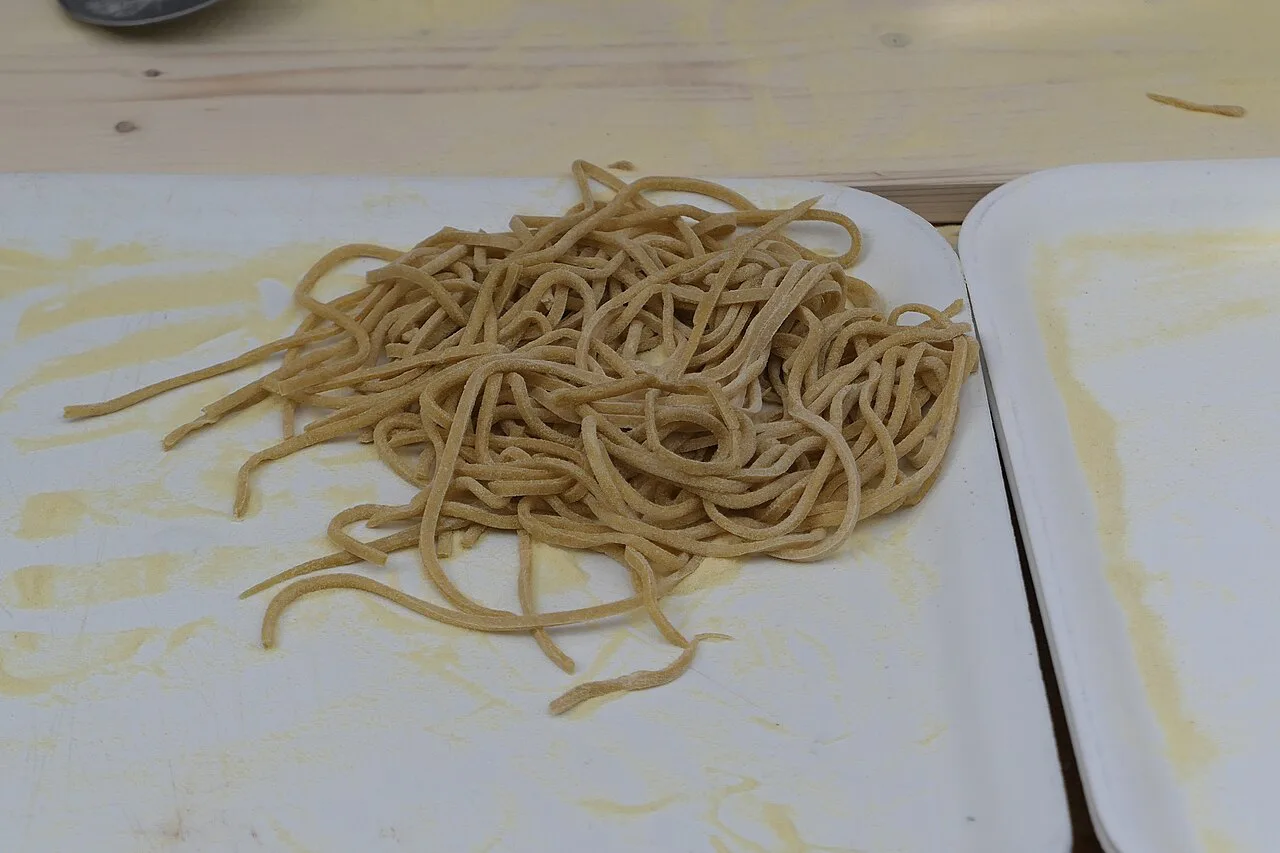
Jota, the sour cabbage and bean soup-stew with potato
Jota has Slovenian roots and behaves like a complete meal: sauerkraut, potatoes, pancetta, beans, pork rib and pieces of sausage simmered together until dense. It is the dish to order on a cold, bora-blown day, and one bowl plus bread is usually enough for lunch.
Treat jota as a solo plate rather than a first course before a secondo, because its weight will otherwise leave you staring at a second dish you cannot finish. If you want to try both, share a bowl and follow it with a lighter fish main.
The same kitchen tradition produces minestra de' bobici, a bean and corn soup with smoked ham and pepper, and a barley and bean soup, both of which follow the same thick, rib-sticking logic. They are worth knowing about if jota is off the day's board.
Sardoni in savor and what a Trieste seafood starter really tastes like
Sardoni in savor are fried sardines layered with onions cooked in vinegar, bay and garlic, then left to macerate in the fridge for a couple of days and served cold. The flavour is sharp and assertive, and the dish is traditional made with young barcolan sardines under a year old. Order it as a starter to share if your table likes vinegar and onion, and skip it if it does not.
Other openers to look for include baccalà mantecato, salt cod whipped to a paste, and canocie in busara, mantis shrimp with breadcrumbs, tomato, pepper and wine. These are the plates that show what the Adriatic side of the kitchen can do before any starch arrives.
Pasta with seafood: busara-style shellfish and brodetto
Busara is a local treatment for shellfish: a tomato-based sauce with parsley and scampi, used for gnocchi and for long pasta. On the Al Barattolo menu this shows up as gnocchi alla busara with scampi and as spaghettoni alla busara with scampi, tomato and parsley, so expect the sauce to taste of the sea rather than of chilli.
Brodetto, by contrast, is a stew of small fish, molluscs and crustaceans served in a bowl, closer to a soup than a pasta sauce. It is the right order when you want fish without a fillet on the plate.
Seafood menus change with the day's catch, so ordering by what the kitchen has rather than by a fixed list is the practical approach. A restaurant built around the morning's fish will say so.
Where to eat it: Buffet de Pepi, Vecio Buffet Marascutti 1914, Osteria al Tempo Perso and Osteria Salvagente
Buffet de Pepi on Via della Cassa di Risparmio has been open since 1897 and is known for bollito di maiale cooked in a cauldron, the kind of plain boiled pork that suits a buffet's standing-or-sitting format. Vecio Buffet Marascutti 1914 on Via Cesare Battisti is the other historic buffet and its speciality is jota, which makes it the single best stop if you want the soup-stew in a traditional setting.
Osteria al Tempo Perso near the railway station is family-run and does good fish plates, a useful option if you are arriving by train and want a proper lunch before dropping your bag. Osteria Salvagente on Via dei Burlo looks over the sea and builds its menu around whatever fresh fish is available that day, so the pasta and seafood combinations change.
These four split neatly by mood: the buffets for traditional stews and boiled meats, the two osterie for fish. Book the osterie for dinner, and treat the buffets as lunch stops where a quick plate and a glass of house wine are the point.
Pizza and pasta in the same room: Al Barattolo near the centre
Al Barattolo is a family-run pizzeria and restaurant in central Trieste, opened in 1981 by Antonio Procentese, who arrived from Naples in 1961 and is described by the family as the city's first Neapolitan pizzaiolo. The kitchen turns out Neapolitan-style pizza alongside primi, grilled meat and fish, so a table can mix a pasta course with a shared pizza.
The dough is made with sourdough starter, there is a kamut-flour variant, and a gluten-free dough is worked in an unprotected environment, which matters if you are coeliac. On the pasta side the menu lists gnocchi alla busara with scampi, spaghetti with clams, mussels and clams, and paccheri with mussels and Taggiasca olives, plus gulasch with polenta for anyone who wants the local stew without the dumplings.
If pizza is the priority rather than the pasta, the Best Pizza in Trieste guide compares the city's pizzerias on their own terms, and the lunch in Trieste page covers the midday slot more broadly.
How a Trieste pasta lunch works: portions, coperto and the pasta-to-gulash order
Build the meal around one starch, not two: either gnocchi di pane with gulash, or jota with bread, or a seafood pasta, then a shared starter such as sardoni in savor. A primo plus a secondo is a lot of food in these kitchens, and the dumplings and soup-stews are heavier than a plate of spaghetti.
Buffets work on a counter-and-tray rhythm with simple plating, while osterie and restaurants bring food to the table, and bills in Italy normally include a small per-person cover charge, the coperto, on top of what you order. Check current prices and the coperto on the menu before you order.
For dessert, presnitz is a flaky pastry filled with dried fruit, chocolate, sugar, cinnamon and rum, and pinza is an Easter sweet; koch is a whipped butter-and-sugar pudding. Any of the three closes a lunch that started with dumplings.
If you would rather graze through the day, the pastry shops in Trieste page and the breakfast in Trieste guide cover the morning and afternoon slots that surround a sit-down pasta lunch.
Caffè after the plate: Caffè degli Specchi on Piazza Unità d'Italia
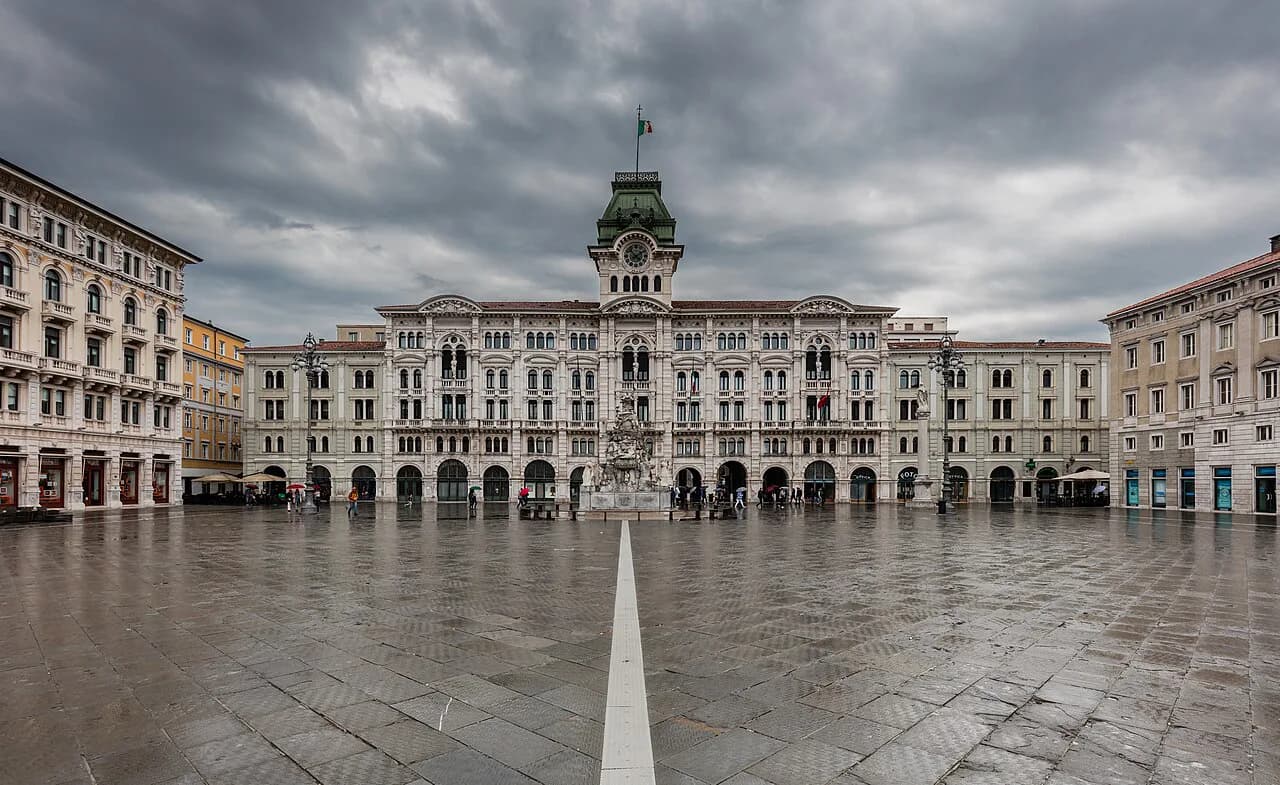
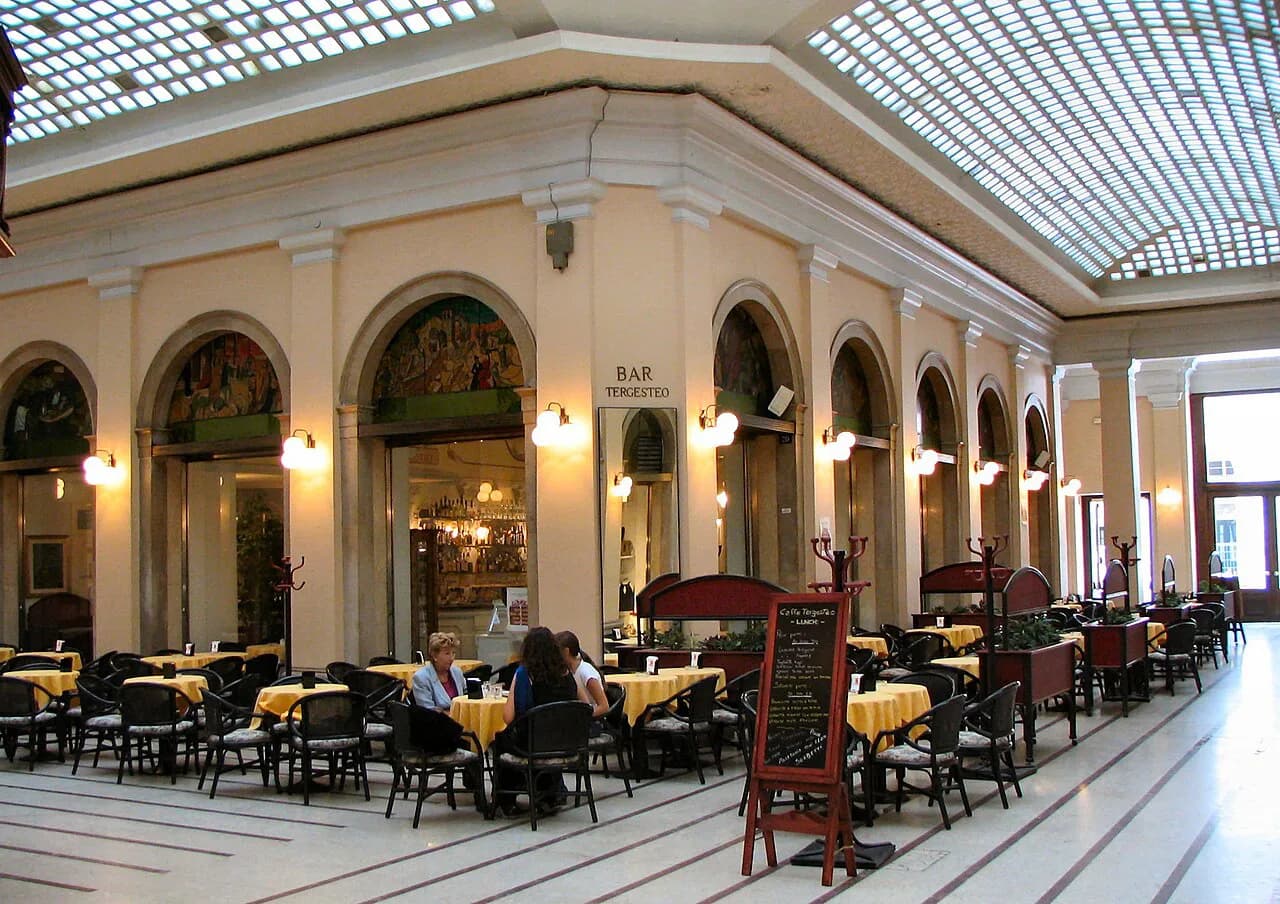
Caffè degli Specchi opened in 1839 on Piazza Unità d'Italia and is the historic room for a closing coffee, with the square and the sea straight outside the windows. Coffee is an institution in Trieste, long one of the main trading centres for quality beans, and a stand-up espresso at the bar is the local rhythm.
Sit outside if the weather is kind and you want the square; stand at the bar if you want the quicker, cheaper habit. Either way, a caffè closes a Trieste lunch more aptly than a heavy dessert. For more on the city's morning coffee culture, see breakfast in Trieste and the best gelato in Trieste for the walk afterwards.
Which Trieste plate should you order first?
Start with gnocchi di pane and gulash at a traditional buffet, because it is the dish that explains Trieste's cooking in one plate. Follow with jota on a second day if the weather is cold, and save a seafood pasta or brodetto for an osteria with a view of the water.
If you want the smartest room in town instead, the Michelin restaurants in Trieste guide covers the higher-end end of the scale. Otherwise, a buffet lunch, a coffee on the square and an early dinner of fish is a good Trieste day.
Explore more Trieste food guides
Frequently Asked Questions
Do I need to book a table for pasta in Trieste?
The buffets run on a quick, informal rhythm and are usually the easiest walk-in option for a midday plate of gnocchi or jota. The osterie and the fish-focused restaurants are smaller and fill up in the evening, so it is worth calling ahead for dinner.
Is Trieste pasta very different from pasta elsewhere in Italy?
Yes. The city's best-known first course is a bread dumpling served with a paprika beef stew, and its other signature dish is a sauerkraut and bean soup-stew, both of which come from the Central European and Slavic layer of Triestine cooking rather than from the Italian pasta canon.
What should I drink with gulash and gnocchi?
A glass of the local house wine is the normal choice, and the region's whites from the Carso and nearby Friuli work well with seafood plates. Keep it to a glass at lunch if you plan to walk the city afterwards.
Sources
Notes for your next meal in Italy
Optional updates to our food guides.
You might also like
Continue reading
More guides you'll find useful