Vegetarian Food in Italy: What to Order and How to Ask
Vegetarian food in Italy goes well beyond pasta: order the dishes that are naturally meat-free and learn how to ask about lard, anchovies and rennet.
On this page
Vegetarian food in Italy is not a compromise menu: many of the country's best-known dishes contain no meat or fish at all, from Ligurian farinata to Sicilian pasta alla Norma. The trick is knowing which plates are meat-free by tradition and which only look it. This guide maps those dishes to the regions that serve them and gives you the Italian phrases for asking what is really in a plate.
Vegetarian Food in Italy: What to Expect
Italian cooking splits into dishes built on vegetables, pulses, bread and cheese and dishes built on cured pork, and the first group is enormous. The regional repertoire includes chickpea flatbreads, bread soups, aubergine bakes and cheese-filled pasta, so you can eat well without requesting a special plate, and ordering the traditional meat-free dish gets you what the kitchen cooks well.
Menus rarely label anything as vegetarian, and a few classics hide animal fat or fish. Focaccia dough is sometimes made with strutto (lard) instead of olive oil, and some vegetable sauces are finished with anchovy, so two specific questions cover most of the risk.
Much of this cooking descends from cucina povera, the frugal peasant tradition that turned stale bread, beans and cheap vegetables into full meals. That history explains why so many vegetarian dishes are regional staples rather than modern inventions.
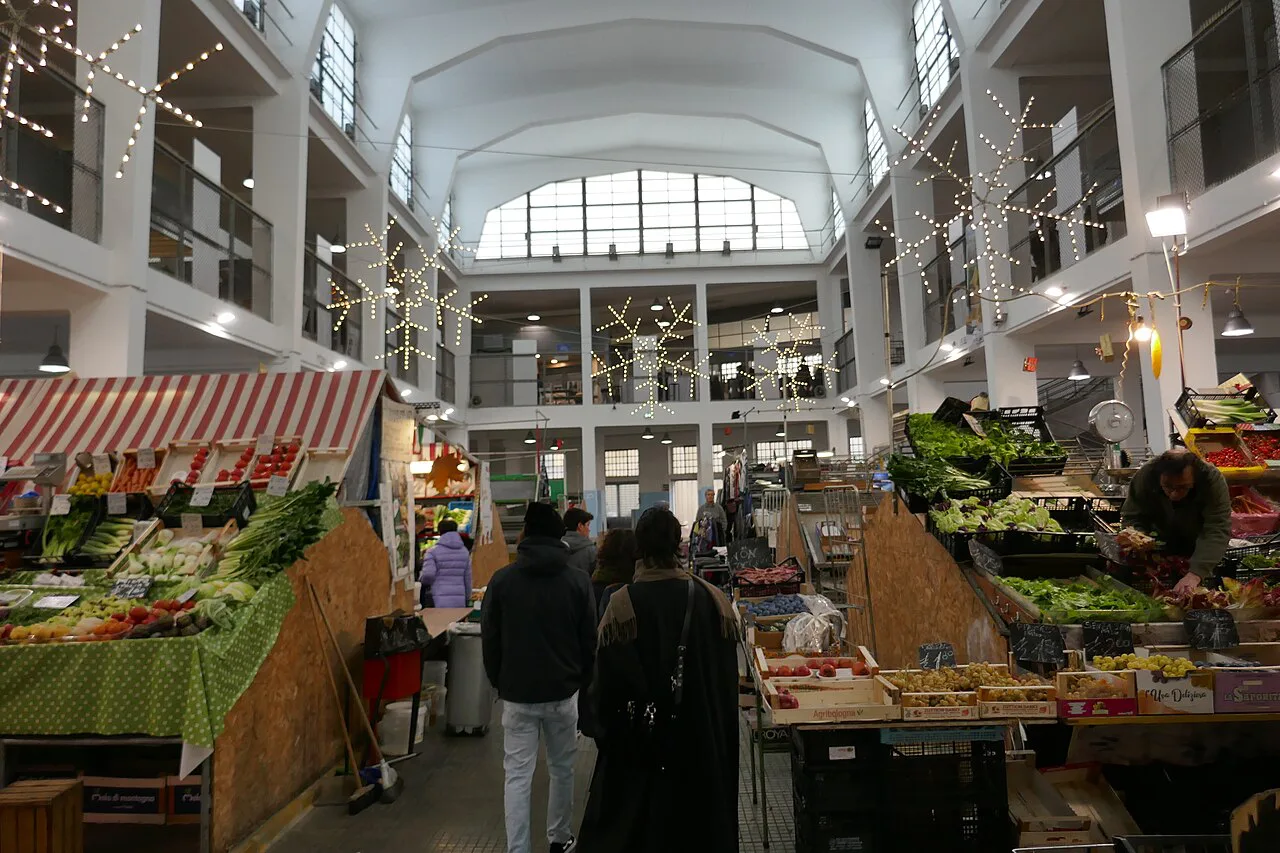
Naturally Vegetarian Dishes to Order, Region by Region
In Liguria, order farinata, a thin pancake of chickpea flour baked with rosemary and olive oil that is also gluten-free. The same region gives you focaccia seasoned with olive oil and salt, panissa, a boiled chickpea-flour dough eaten with onions and pepper or fried in pieces, and pesto, the basil sauce.
Is there vegan food in Italy? Yes. Rome, Turin, Milan and Florence have dedicated vegan restaurants, bakeries and cafés, and many traditional dishes are plant-based already.
Does Italian focaccia contain lard? Sometimes. Olive oil is standard in the traditional recipe, but some bakers use strutto (lard) instead, so ask for focaccia senza strutto if you avoid animal fat.
Tuscany is known for meat, but its meat-free dishes are just as traditional. Pappa al pomodoro is a thick soup of tomatoes, stale bread, basil and olive oil, panzanella is the summer bread-and-tomato salad, and ribollita is the winter soup of leftover bread, beans, chard, kale and onion.
In the south and Sicily, melanzane alla parmigiana is the aubergine bake to look for, and pasta alla Norma tops pasta with fried aubergines. Rome's meat-free answer to its pork-based pastas is cacio e pepe, pasta dressed with Pecorino cheese and black pepper, while tortelli di zucca are pumpkin-filled pasta served with melted butter in Lombardy and Emilia-Romagna.
The north also gives you polenta, risotto and fonduta, a melted cheese dish from the Alpine valleys. Friselle, the twice-baked bread rings from the south, are softened with tomato and oil rather than served as a dish on their own, so order these plates by name.
Pizza and Street Food That Are Meat-Free
Pizza is the easiest ground for a vegetarian in Italy. The marinara is tomato, garlic and oregano with no cheese at all; the margherita is tomato, mozzarella and basil, with a bufala version using buffalo mozzarella. Pizza ai Quattro formaggi is the four-cheese option, while pizza ortolana usually comes topped with grilled vegetables.
Read the toppings list before you assume: peperoni in Italian means peppers, not the cured sausage the word describes in English. Focaccia is another safe bet, but ask for it senza strutto (without lard) if the baker uses lard in the dough, and a slice of focaccia or pizza bianca makes a quick lunch.
Pasta and Rice Dishes That Are Vegetarian by Default
Nearly every region has its own pasta shape and sauce, and a good share are meat-free as standard. Ligurian pasta al pesto is simply pasta with basil sauce, Rome's cacio e pepe relies on cheese and pepper alone, and southern spaghetti alla puttanesca is made with tomato, olives, capers and oregano.
Two Roman classics are off the vegetarian list by tradition: carbonara contains cured pork, and amatriciana is built on it too. Choose the dish that never contained meat rather than asking the kitchen to rebuild a famous one.
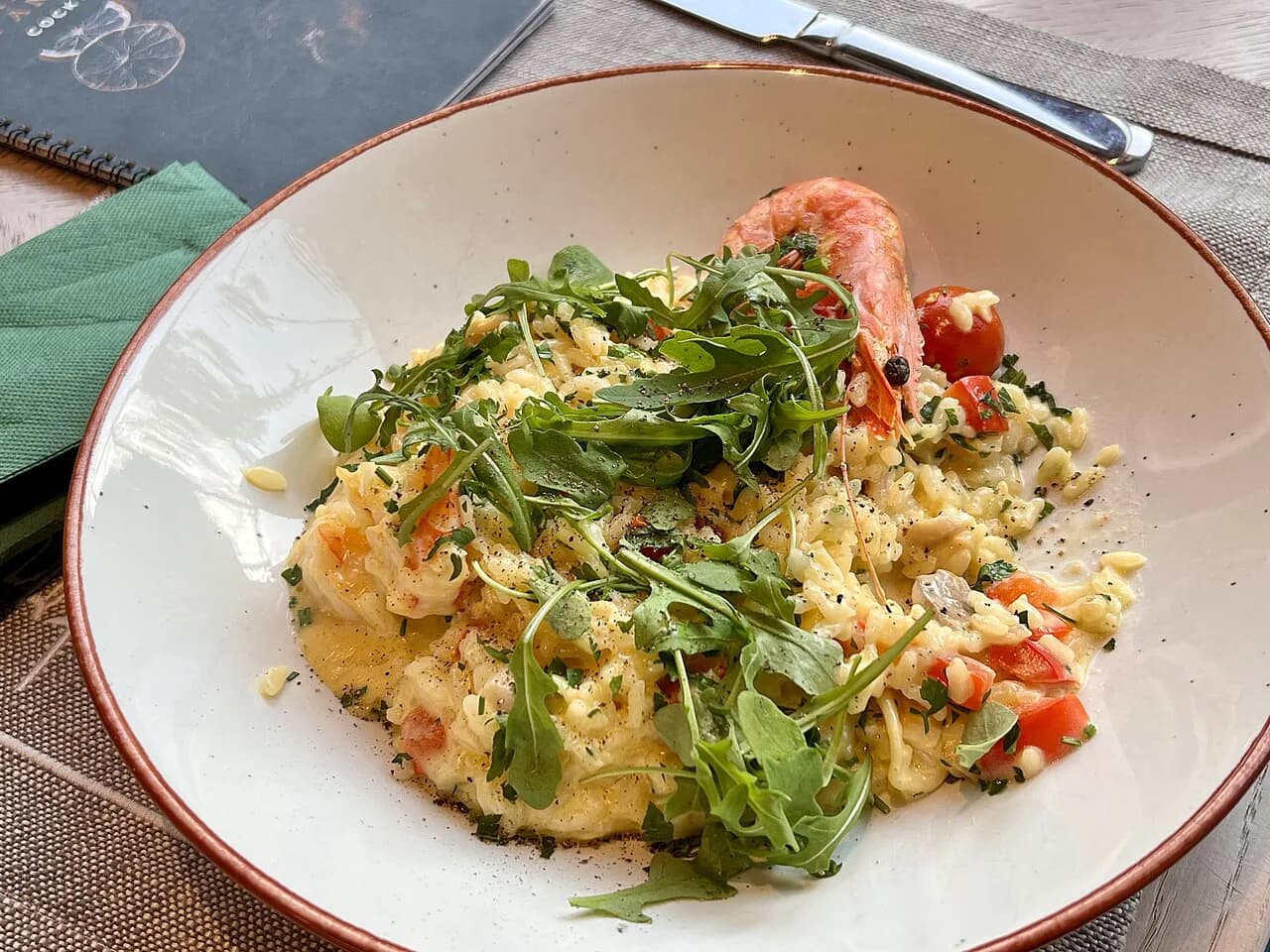
Risotto and polenta carry the same advantage in the north, served with cheese, mushrooms or vegetables. Ask whether the stock is vegetable or meat-based, because risotto is often finished with meat broth.
Vegetable, Pulse and Cheese Dishes Worth Ordering
Beyond pasta, Italy's vegetable cooking gives you substantial plates. Melanzane alla parmigiana layers aubergine with tomato and cheese and is a main rather than a side in most trattorias, and chickpea flour reappears in farinata and panissa in the northwest. Fonduta and polenta, served with mushrooms or cheese, are proper winter orders in the Alpine north.
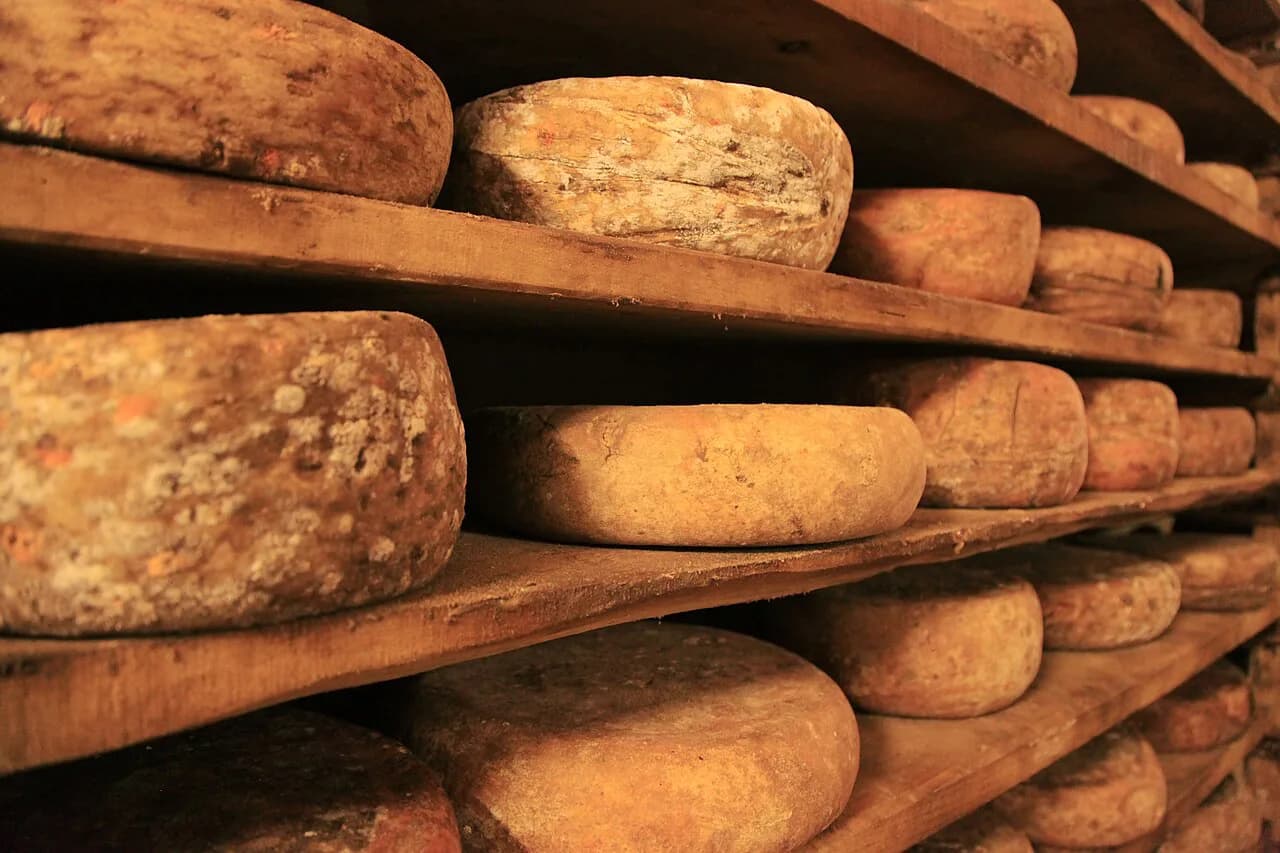
Cheese is the hidden variable for strict vegetarians, because many Italian cheeses are set with animal rennet. Parmigiano Reggiano and other protected cheeses are made this way by definition, and the same applies to most Pecorino, so ask whether the cheese uses caglio animale (animal rennet) or caglio vegetale (vegetable rennet).
How to Say Vegetarian in Italian and Ask About Ingredients
The word you need is vegetariano if you are male and vegetariana if you are female. Say sono vegetariano or sono vegetariana, then ask the follow-up that does the real work: questo piatto contiene carne o pesce? That is, does this dish contain meat or fish?
The most useful questions are about fat and stock, which is where hidden meat creeps in. Ask c'è lo strutto? (is there lard in it?) for bakery breads and focaccia, and ask whether the broth is di carne or di verdure for risotto and soups, because the waiter can answer a specific question directly.
If you eat fish but not meat, say so explicitly, because many Italians treat fish as separate from carne. Keep a list of Italian food words to hand for ingredients from guanciale to bottarga, including protected names such as Prosciutto di Parma that tell you exactly what a dish contains.
Reading a Menu: The Words That Mean Meat or Fish
A handful of menu words should stop a vegetarian immediately. Salumi and affettati mean cured meats; guanciale is cured pork cheek and pancetta is cured pork belly, both common in Roman pasta; prosciutto is ham, salsiccia is sausage, and ragù is a meat sauce.
Fish and seafood hide in plain sight too. Acciughe are anchovies, alici the same fish under another name, bottarga is cured fish roe often grated over pasta, and tonno is tuna. If a vegetable dish tastes unusually savoury, anchovy is the usual explanation.
Watch-Outs: Lard, Anchovies and Animal Rennet
The three ingredients that trip up vegetarians most often are strutto (lard), anchovies and animal rennet. Lard can replace olive oil in focaccia dough, so the traditional Ligurian bread is not automatically vegetarian, and anchovies turn up in sauces and dressings on dishes that look like plain vegetables.
Rennet is the least visible of the three, because it never appears on a menu and rarely on a label. Cheeses made with animal rennet look identical to those made with vegetable rennet, so the question goes to the cheese counter rather than the waiter.
One practical rule covers most of it: order dishes built on vegetables, pulses or bread that you can see, and ask about the fat or stock used to finish them. That beats trying to strip meat out of a dish defined by it when the restaurant is busy.
Eating Vegetarian in Rome, Turin, Milan and Florence
Rome has a fast-growing plant-based scene alongside its traditional trattorias. Rifugio Romano serves vegan versions of Roman classics such as carbonara and lasagna, Romeow Cat Bistrot is a vegan café with a cat lounge, and Julietta Pastry and Lab is the pick for Italian patisserie.
Turin has a quieter but well-established vegetarian and vegan scene. Mezzaluna serves seasonal vegan dishes with a home-cooked feel, Tauer Bakery offers vegan croissants and seeded loaves, and L'Orto Bistrò is a vegan deli with a buffet layout for trying a range of dishes.
Milan pairs its plant-based dining with design-conscious cooking. Linfa is a fully vegan restaurant with Mediterranean-inspired plates, Nepà is a 100 per cent plant-based bakery where the traditional desserts are made without animal products, and Joia is described as Europe's first Michelin-starred vegetarian restaurant.
Florence mixes the traditional and the plant-based. Konnubio serves Tuscan dishes with a plant-forward slant, Raw Vegan Firenze is the breakfast stop for cold-pressed juices and raw bowls, and Tripperia Vegana sells a vegan version of lampredotto lowered to customers in a basket from a balcony window. Naples, meanwhile, leans on its pizzerias, where the marinara and margherita need no request at all.
Vegan Food in Italy: What to Look For
Vegan eating in Italy is easiest in cities with dedicated plant-based kitchens, where the whole menu is open to you. Elsewhere, build a meal from dishes that never contained animal products: farinata, panzanella, pasta with tomato and vegetables, and grilled vegetables dressed with olive oil. Ask for senza formaggio (without cheese) and senza burro (without butter) to close the gaps.
Watch for cheese in dishes that look vegetable-led, such as melanzane alla parmigiana, and for butter in northern pasta and risotto. Egg pasta is common in the north, so ask whether the pasta is all'uovo (with egg), while olive oil rather than butter makes most southern cooking easier for vegans.
Breakfast catches people out, because a cappuccino and a cornetto is the default and the pastry usually contains butter and eggs. Look for a bakery with a plant-based range, or start the day with fruit and a coffee at the bar.
How to Order and Pay at a Trattoria as a Vegetarian
Start with the dishes that need no changes, ask your two questions about lard and stock, and you will have a clear order in under a minute. Vegetarians often take a primo piatto of pasta or risotto and a contorno of vegetables rather than a secondo, since the vegetable sides are where the meat-free cooking sits, and ordering two primi is perfectly normal.
The bill usually includes a coperto, a per-person cover charge for bread and service, so Don't mistake it for a tip. Tipping in Italy is optional and modest, and rounding up or leaving a few euros is normal in trattorias.
If you eat earlier than the locals, some kitchens will still be quiet, since Italian dinner starts late. A vegetarian lunch of pizza al taglio or a plate of pasta fits the rhythm better than a full multi-course dinner at six.
Which Vegetarian Dish Should You Order First?
Order one dish that is vegetarian by tradition on your first night, such as cacio e pepe in Rome, farinata in Liguria or pasta alla Norma in Sicily, and you will see how little you need to ask for. Keep the two questions about lard and stock ready, read the menu for guanciale and anchovies, and the rest of the trip takes care of itself.
Explore more Italy food guides
Frequently Asked Questions
Is there vegan food in Italy?
Yes. Rome, Turin, Milan and Florence have dedicated vegan restaurants, bakeries and cafés, and many traditional dishes are plant-based already. Elsewhere, build a meal from farinata, panzanella, vegetable pasta and olive-oil-dressed vegetables.
Does Italian focaccia contain lard?
Sometimes. Olive oil is standard in the traditional recipe, but some bakers use strutto (lard) instead, so ask for focaccia senza strutto if you avoid animal fat. The same question applies to pizza bianca from a bakery counter.
Sources
Notes for your next meal in Italy
Optional updates to our food guides.
You might also like
Continue reading
More guides you'll find useful