Friuli Food: What to Eat in Friuli-Venezia Giulia
A practical guide to Friuli food: frico, Montasio cheese, Prosciutto di San Daniele DOP, Trieste's Austro-Hungarian table and the seafood of the Grado lagoon.
On this page
Friuli food is the cooking of Italy's north-eastern corner, where Alpine dairy, Adriatic fishing and a century of Austro-Hungarian rule meet on the same menu. Expect frico made from Montasio cheese, San Daniele ham sliced thin, and seafood from the Grado lagoon, with a Triestine table that borrows goulash from Vienna and baccalà from Venice. This guide covers the dishes and ingredients to know, the towns worth planning a meal around and how ordering works in a Friulian trattoria.
Why Friuli-Venezia Giulia eats differently from the rest of Italy
The region borders Austria and Slovenia and sits on the Adriatic, and its cooking reflects all three. Eataly describes a local cuisine with an enormous range of dishes thanks to those neighbouring influences, from a hearty Triestine goulash to gratinated scallops, and notes that Trieste was once part of the Austro-Hungarian Empire. That layering is what separates Friuli from the Veneto next door, where you are more likely to meet rice and polenta without the Central European accent.
Geography does the rest. The Dolomites give the region its dairy herds and mountain cheeses, the plain around San Daniele gives it cured ham, and the coast gives it a lagoon almost the size of the Venetian one. Read the region as a set of separate larders rather than one cuisine, and the menus start to make sense: cheese and cured meat inland, fish on the coast, coffee houses in Trieste.
Frico: Montasio cheese, soft or crisp
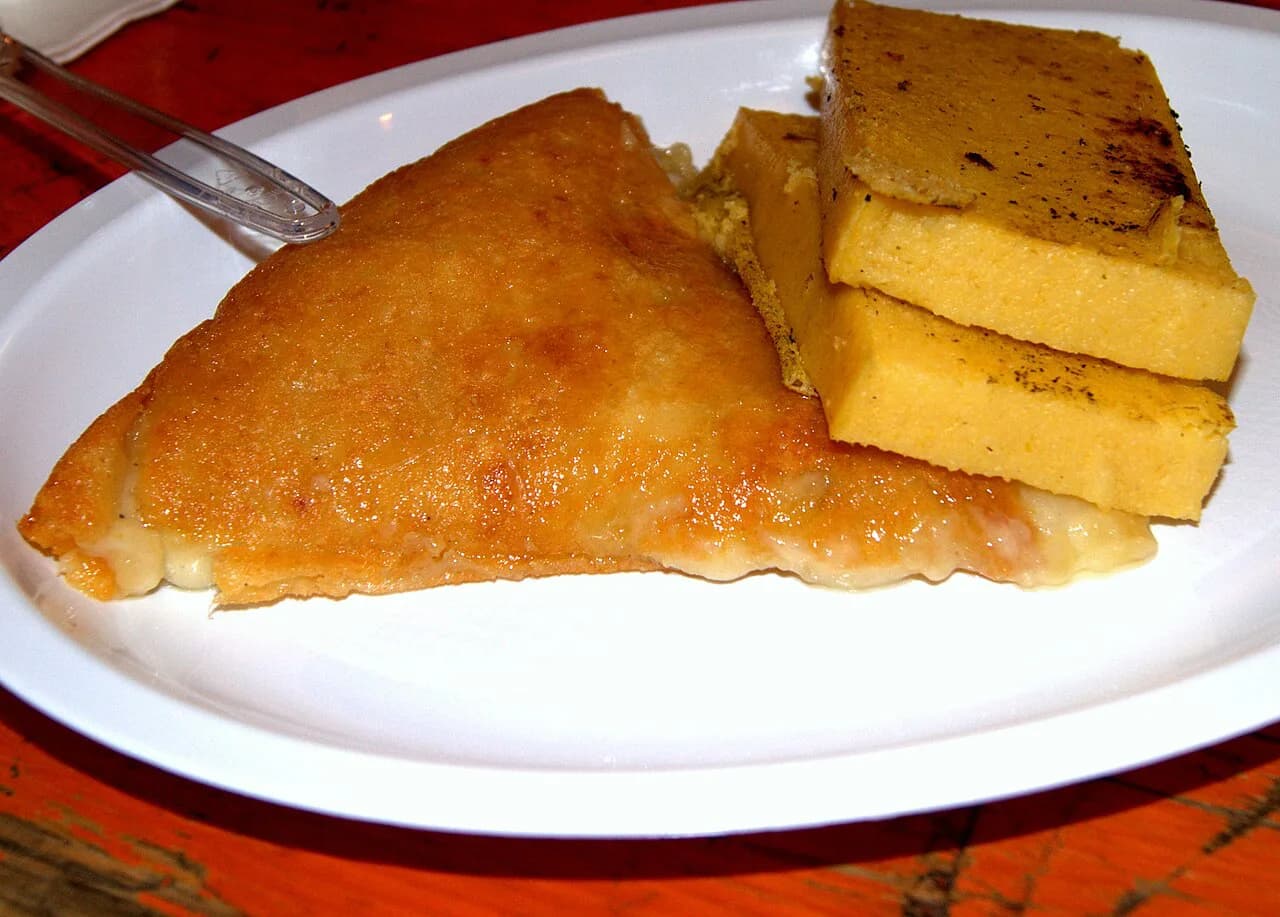
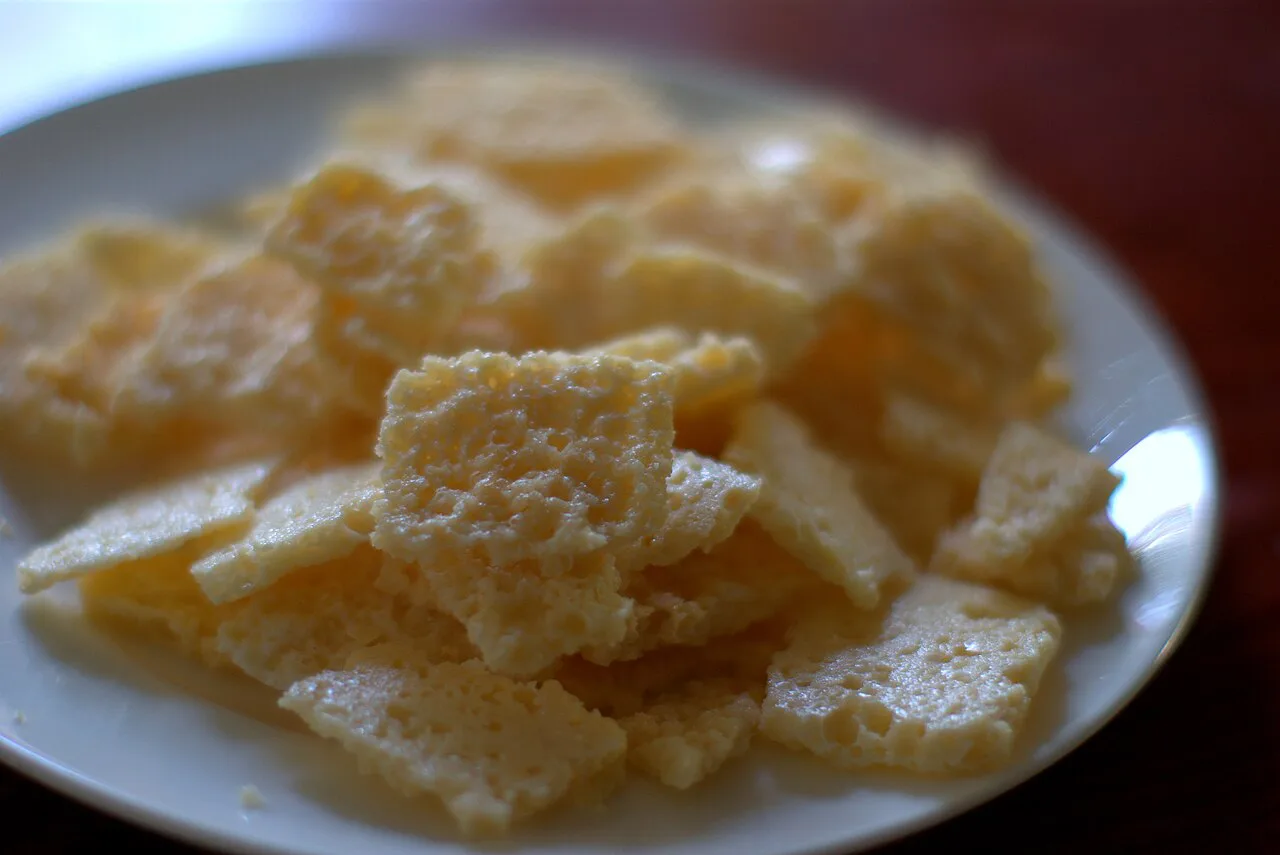
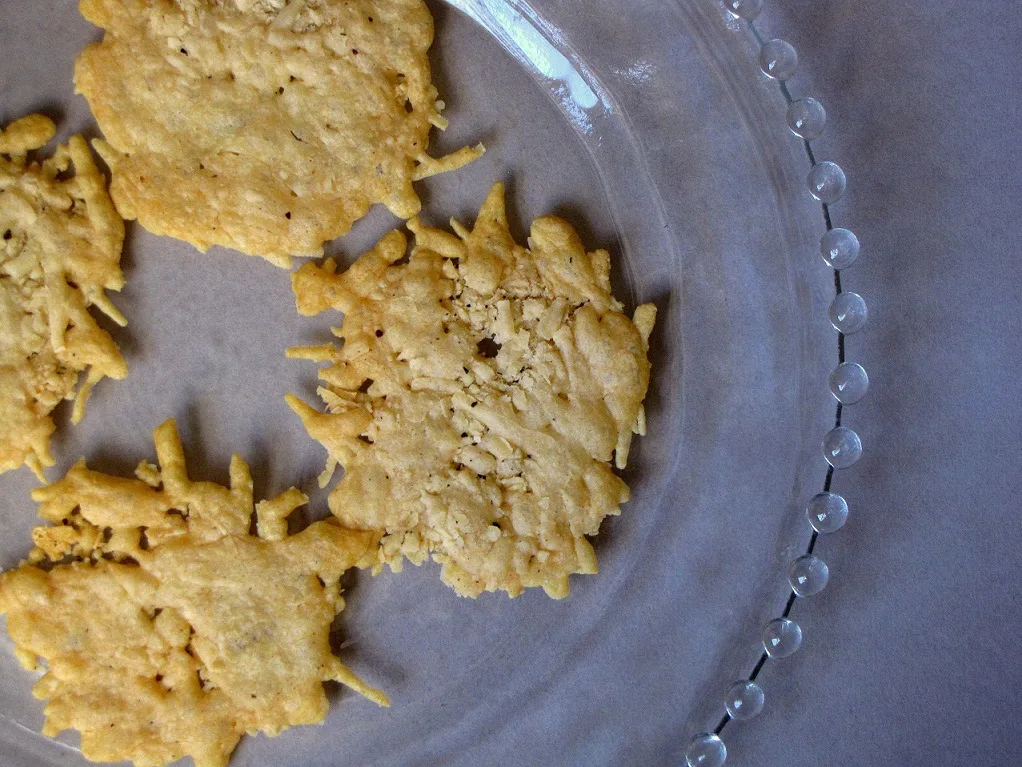
Frico is the region's signature cheese dish, made from Montasio, and it arrives in two quite different forms. Frico friabile is the crisp version, essentially melted Montasio cooled into a thin, brittle wafer, and it is the one to order with a glass of something white before a meal. Frico friulano is the softer, richer dish, where cheese is melted with potatoes and often onion into something closer to a thick omelette or a fondue you can eat with a fork.
Order the potato version as a starter to share or as a light lunch with bread and a plate of cured ham, and order the crisp one whenever it appears on an antipasti list. If a menu lists simply frico, ask which version it is: the answer tells you whether you are getting a snack or a plate. It is a good dish to seek out in the mountain towns, where the cheese is a local product rather than something trucked in.
Prosciutto di San Daniele DOP
Prosciutto di San Daniele DOP is the region's best-known cured ham, a raw ham made under a protected designation of origin and named for San Daniele del Friuli. It is the Friulian counterpart to the more famous hams of Parma and the Veneto, and the DOP mark is the useful thing to look for on a label or a menu board. Ask for it sliced thinly and served plain, with bread, rather than folded into a cooked dish that hides the cure.
In salumerie and at deli counters the ham is usually sold by weight, sliced to order, so buy a small amount and eat it the same day rather than carrying it around. It also appears on the antipasto plates of the region's trattorias alongside cheese and pickles. One sentence of warning is enough: cured ham is a fine souvenir, but check what your airline and your home country's import rules allow before you buy a whole piece.
Montasio and the mountain dairy tradition
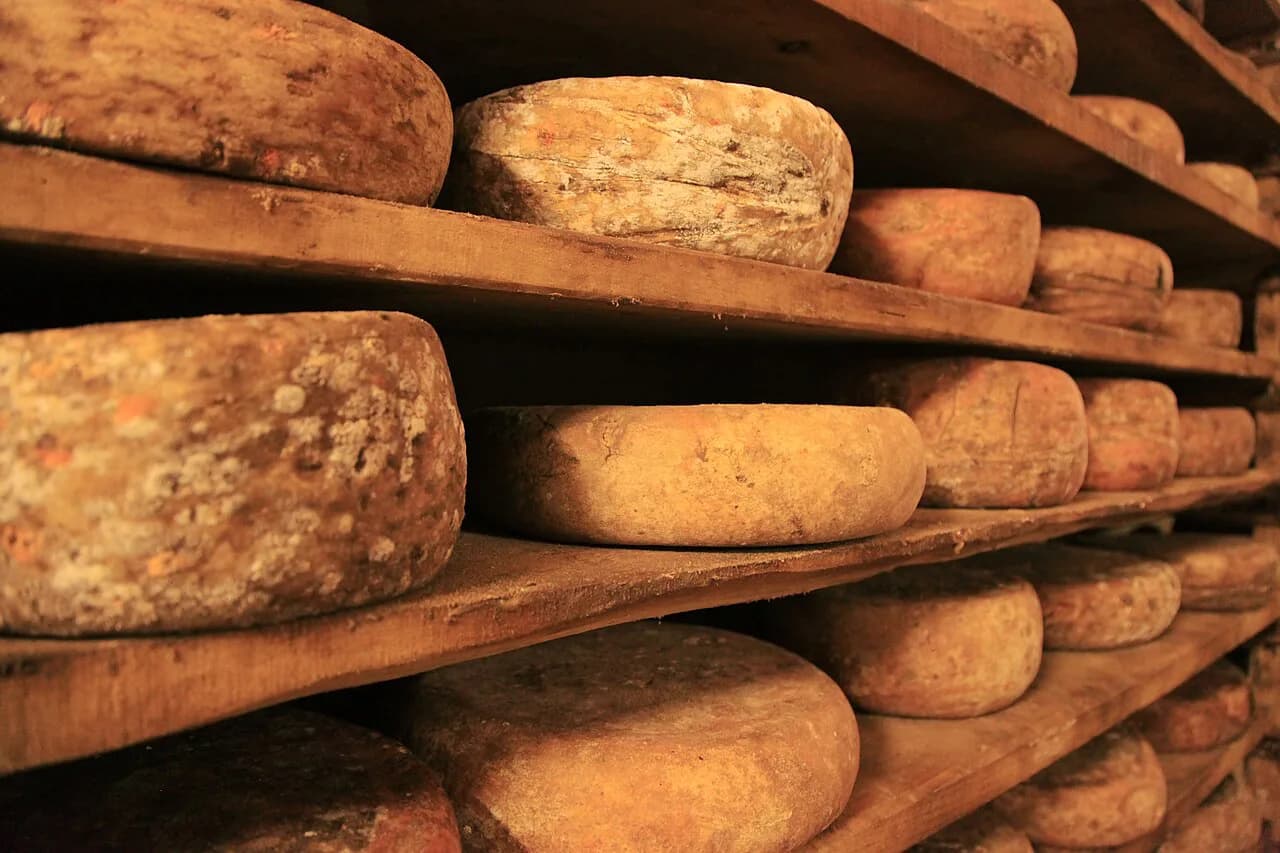
Montasio is the cheese behind frico, a cooked-curd cheese from the Alpine pastures that can be eaten young and mild or aged into something firmer and sharper. Eataly's recipe for frico friabile uses Montasio alone, which is a useful reminder that the cheese is doing all the work. On a cheese board, taste it at two ages side by side if the shop offers it, since the difference between a fresh Montasio and an aged one is the difference between cream and a savoury crumble.
The dairy tradition also shapes the rest of the mountain menu. Look for cheese served with polenta, in frico, or grated over pasta in the colder months, and pair it with the region's white wines rather than a heavy red. This is where Friuli cooking leans on dairy, cured meat and mountain herbs — the northern Italian cheese-and-cured-meat register covered more broadly in our guide to Regional Italian Food.
Trieste's table: goulash, baccalà and coffee houses
Trieste eats like a city that changed hands several times, which it did. Eataly lists gulash Triestino among the local dishes, a Central European stew of beef and paprika that has nothing to do with the rest of Italy's repertoire and everything to do with Vienna and Budapest. Order it in a trattoria in the old town, with bread or polenta rather than pasta, and you get a clear picture of how far the local cooking sits from Tuscan or Roman food.
Baccalà mantecato is the other dish to know, a whipped salt cod that is closely associated with the Veneto and especially popular in Trieste. The cod is soaked for a couple of days, then poached in milk with bay and garlic and beaten with olive oil into a soft, creamy spread, usually served with bread or polenta. It is a good measure of a kitchen: made well, it tastes of fish and olive oil, not of the salt it once was.
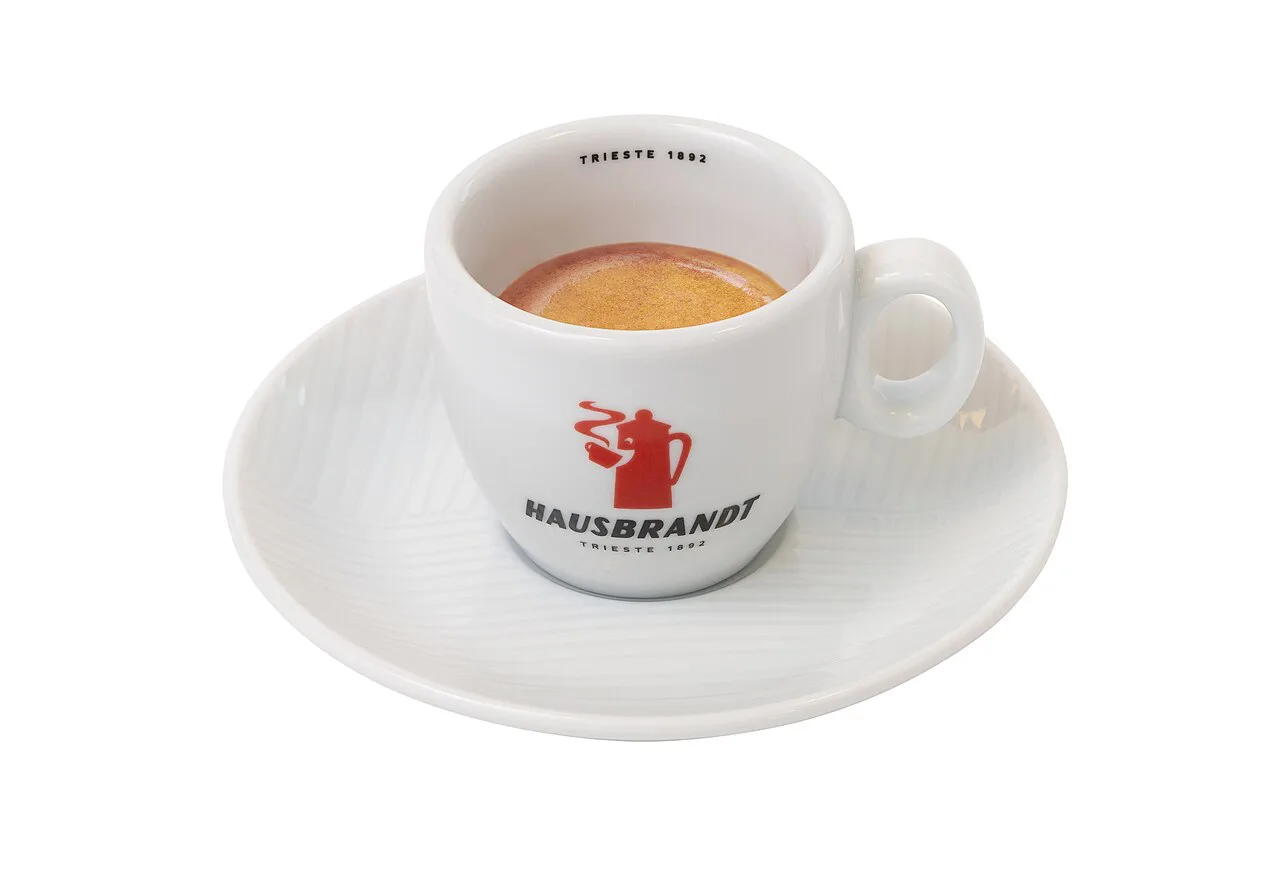
The city's coffee houses are the third leg of the Triestine table, a legacy of the Habsburg years and still the place to drink a caffè standing at the bar or sitting with a pastry. Order a coffee at the counter, pay at the till first where that is how the bar works, and treat it as a short stop rather than a long lunch. It is also a comfortable way to start the day before a day of cheese and ham shopping.
Seafood of the Grado lagoon
The Laguna di Grado is the other half of the region's table, a fishing lagoon between Lignano Sabbiadoro, Marano Lagunare and Grado. Marano Lagunare is the principal fishing town of the lagoon and a good place to plan a seafood lunch. One traveller's account describes La Barcaneta there as a busy Slow Food-endorsed restaurant with an extensive menu of local sea products, where sarde in saor, cooked orata and grilled anguilla were the highlights.
Sarde in saor is the dish to know: sardines fried and marinated with onions, vinegar and often pine nuts and raisins, a sweet-sour preparation that was originally a way of preserving fish. You will also see boreto, a Grado speciality with two versions, one of fish and one of cuttlefish, cooked slowly with onions and served with polenta. At Agli Artisti on the main strip in Grado the same account had orata salad, sarde and fritto misto, described as typical local fare done well in a resort town.
Order the marinated sardines as a starter and grilled fish as a main, and let the kitchen choose the fish if you are unsure what is good that day. For a beach day, Lignano Sabbiadoro is the resort base, but the account found the food there weaker than in Marano, so treat the fishing town as the meal stop. This is a coastal day with a long lunch in it rather than a series of snacks.
Pasta shapes and first courses
Friulian first courses are less famous than those of the south but worth knowing. One visitor's account of Allo Storione in Ghirano describes a pasta called plin brought to the table there, much larger than the Langhe version, rolled paper-thin and filled with herbs and a modest amount of ricotta, which the writer rated the dish of the trip. Order it if you see it on a menu in the region, especially in a restaurant that cooks from local sources.
Bigoli, a thick extruded pasta, also turns up with anchovy or other fish sauces, and you may meet ravioli with ricotta or scallops. The pattern is lighter and more herb-driven than the rich ragù of the south. For comparison, Sicilian food runs on sardines, pasta with sardines and street food like pani câ meusa, while Friuli keeps its fish for the lagoon and its herbs for the pasta filling.
How the region's wines sit with the food
Friuli is a powerful white-wine region, and the local whites are what to drink with frico, San Daniele and the lagoon fish. Eataly describes the region as a powerhouse of Italian white wine, with reds as well. On a Friulian table, wine is a supporting actor: order a carafe of a local white in a trattoria rather than trying to build a wine list, and let it do its job with the cheese and the seafood.
How a Friuli meal runs
A meal in a Friulian trattoria follows the Italian sequence: antipasto, primo, secondo, then fruit or a dessert and coffee, with wine and water alongside. Portions are generous, so two courses are usually plenty, and a plate of cured ham and cheese with bread can stand in for a first course at lunch. The coperto, a small per-person cover charge, is normal, and the menu will state it rather than hiding it in the bill.
Some of the best-known places in the region are small and fill quickly. Allo Storione in Ghirano gives a good idea of the type: a rustic room where the menu is recited rather than printed and where, according to one visitor's account, a reservation was essential. In a town like that you go for the restaurant and not for the sights. That is the region in miniature: a serious kitchen in an unlikely village, and a meal worth the drive.
Is Friuli Worth a Dedicated Food Trip?
Yes, if you plan around the two halves of the region: the Alpine dairy and ham country inland, and the lagoon coast from Marano Lagunare to Grado. Build a day around frico and San Daniele, another around Trieste's goulash, baccalà and coffee houses, and a third around the lagoon seafood. That is enough for a short trip and a better use of time than treating the region as a stop between Venice and Slovenia.
For the wider map of Italian cooking, start with our regional Italian food guide and use it to see where Friuli's Austrian-Slovenian-Adriatic mix sits alongside the rest of the country.
Explore more Italy food guides
Sources
Notes for your next meal in Italy
Optional updates to our food guides.
You might also like
Continue reading
More guides you'll find useful