Regional Italian Food: What to Eat, Region by Region
Italian food changes from region to region. This guide explains what defines the cooking of the north, centre, south and islands, and the dishes to order there.
On this page
Regional Italian food is the only Italian food that really exists: a country of twenty regions cooks twenty different ways, and the plate in front of you in Bologna rarely resembles the one in Palermo. The biggest single divide runs between a northern belt of rice, butter and alpine cheese and a southern belt built on durum wheat, olive oil and vegetables. This guide covers what defines each zone, the landmark dishes and the menu words that give a dish's home away.
The dishes reflect landscape and history more than any national idea of Italian cooking, which is why a region's terrain and its past rulers both turn up in the saucepan.
What regional Italian food means
Italy only celebrated its 150th anniversary in 2011, and its food loyalties are older than the state. People identify with the cooking of their region first, which is why Sicilians, Venetians and Pugliese all defend quite separate kitchens. That makes 'Italian food' a misleading label on a menu: the useful question is which region the kitchen is cooking.
For a traveller the practical consequence is that you should read a menu for its geography, not its nationality. A restaurant listing risotto and polenta is making a northern claim; one built on orecchiette, bread and olive oil is making a southern one. Choose according to the region you are actually standing in and the food gets sharper immediately. The same geography-first habit pays off before dinner too, when you work out what to order for the Italian aperitivo.
How the landscape shapes the plate
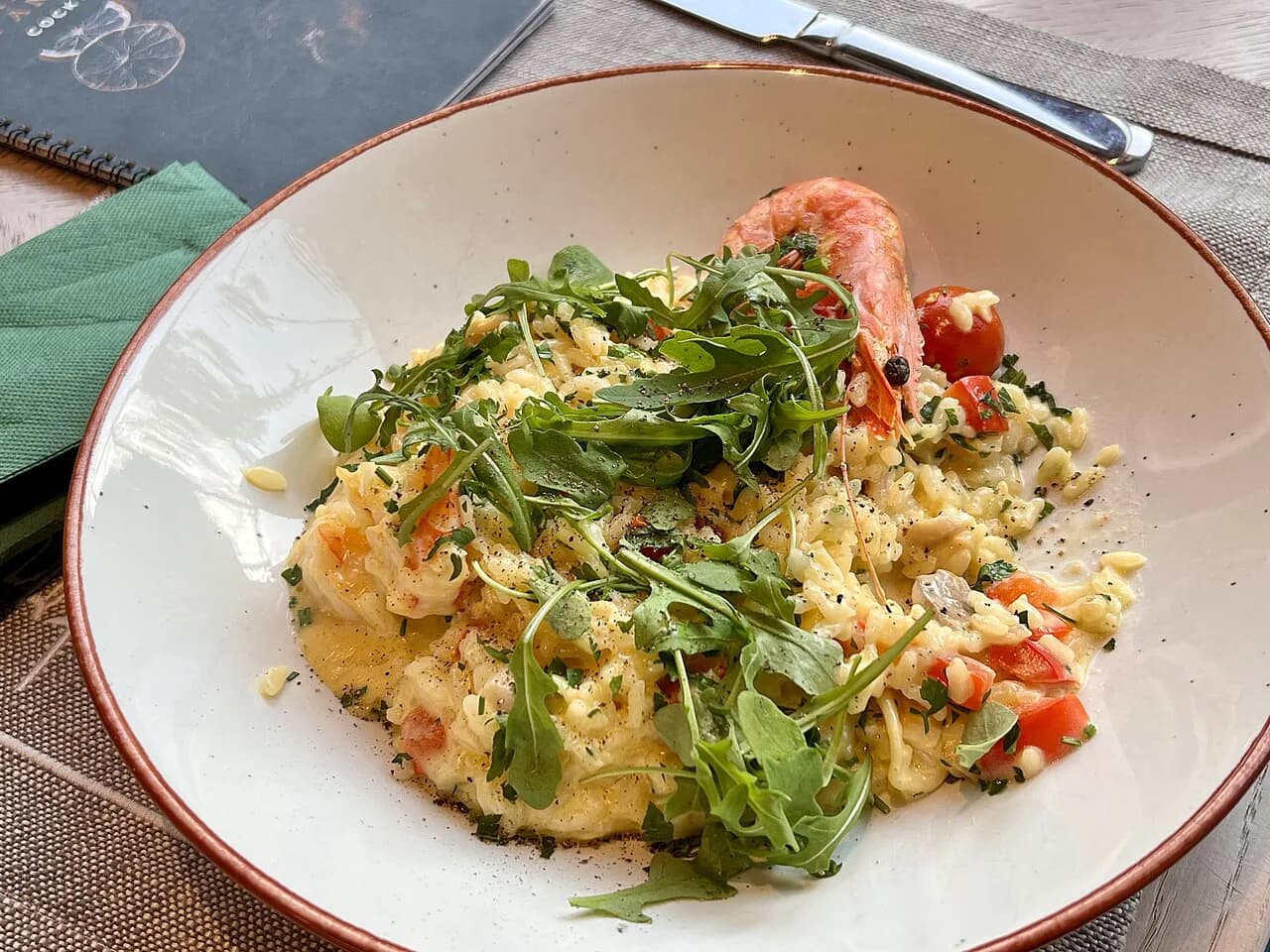
The flat plains between Turin and Milan are given over to rice paddies growing Carnaroli and Arborio, the varieties behind risotto, which is why rice rather than pasta anchors the Lombard table. Further south, Puglia is Italy's breadbasket, producing wheat and olive oil in abundance, and durum wheat flour becomes bread, pasta and the region's identity.
Beans do similar work in central Italy, where cannellini grow well and dried beans have long bulked out soups, stews and salads through the colder months. That combination of pulses, bread and olive oil is the backbone of what Italians call cucina povera, literally poor kitchen: cheap ingredients cooked with care. Expect it to appear as ribollita or panzanella rather than under that name on a menu.
Northern Italy: risotto, polenta and alpine cheese
Lombardy's signature is risotto alla Milanese, rice cooked slowly with saffron until it turns gold, and it is the clearest test of a northern kitchen. Polenta with beef braised in wine belongs to Valle d'Aosta, food built for cold mountains rather than light Mediterranean eating.
Piedmont contributes bagna caôda, which means warm dip in the local dialect: garlic, olive oil, butter and walnuts heated together and used to dunk raw and cooked vegetables. Liguria, on the coast, goes the other way with farinata, a chickpea flatbread cut into triangular slices and eaten with salt, black pepper and rosemary as street food.
Ligurian food rewards a little menu-reading: the region's olive oil is mild and fruity, which suits its vegetable and fish cooking, and its basil turns up as pesto on pasta, soup and bread. Piedmont food leans richer, with butter and nuts in the background of many dishes.
Emilia-Romagna: egg pasta, filled pasta and charcuterie
Emilia-Romagna is where egg pasta becomes the point of the meal: tagliatelle, lasagne sheets and stuffed shapes such as tortellini, all made with flour and eggs rather than the flour-and-water dough of the south. It is the region that Bologna assumes when a kitchen advertises tortellini at all.
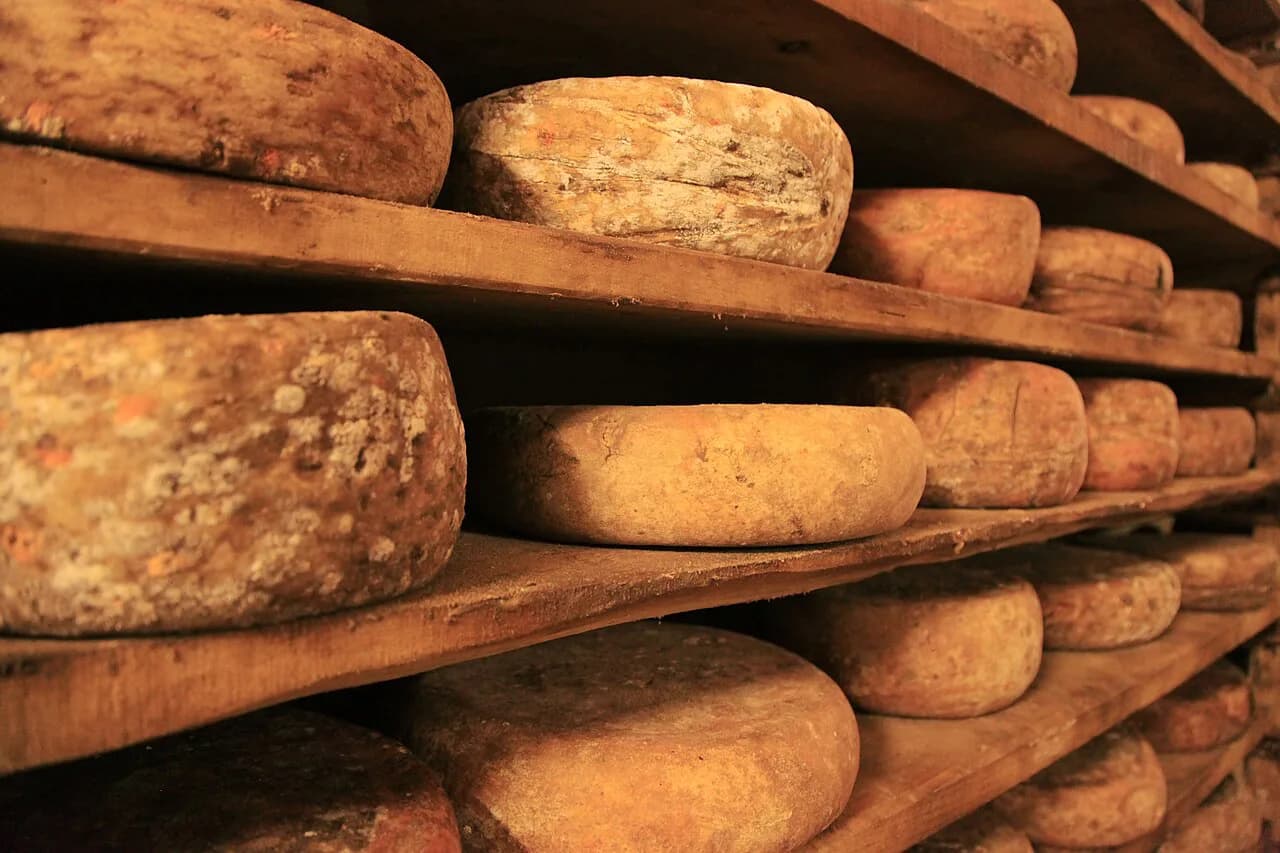
The same region is the heart of Italian charcuterie, and the names you will see sliced on a board are protected products with rules behind them. Parmigiano Reggiano and Prosciutto di Parma carry protected-origin status, which is why they command more than a generic grating cheese or ham.
Central Italy: truffles, beans, bread salads and pecorino
Umbria's reputation rests on truffles, which grow plentifully there and are treated as both everyday luxury and a serious local trade, along with porcini mushrooms and wild chestnuts. Order tagliatelle with truffles and expect pasta, butter and Parmigiano underneath, with the truffle doing most of the talking.
Umbrian food uses the chestnut in several forms, dried, milled into flour or simply roasted and eaten from a paper bag as a snack while you walk. Mushroom season turns porcini into a core ingredient across the region, adding depth to pasta and meat dishes.
Tuscany's most famous warm-weather dish is panzanella, a salad of stale crusty bread soaked with tomatoes and finished with basil and olive oil. Its winter counterpart is a bread soup thickened with the same loaf, which is why Tuscan menus so often talk about bread rather than pasta.
Lazio and Rome: spring lamb and the shepherd's kitchen
Lazio's cooking is shepherd's food: Rome takes the tourists, while the surrounding countryside supplies spring lamb, which is cooked with anchovies in a dish that balances meat, salt and acidity. If you are choosing one Roman plate to test a kitchen, that combination is the one to look for.
Sheep's-milk cheese underwrites much of this cooking, and pecorino appears grated over pasta as readily as it appears on a cheese board. It is sharper and saltier than cow's-milk cheese, so a little goes a long way.
Puglia: durum wheat bread, orecchiette and vegetables
Orecchiette means little ears, and the name describes the shape: small domed discs of pasta made from flour and water, traditionally without eggs because eggs were a luxury. Puglia's fertile soil also yields a wide range of seasonal vegetables, which is why vegetable-led pasta is standard rather than a vegetarian afterthought.
Bread is eaten fresh, dried, toasted and stale across Italy, but in Puglia it is a regional signature, and in villages and small towns loaves are still baked in communal wood-fired ovens. Order a plate of orecchiette with a local vegetable sauce and the bread basket is part of the meal, not a side note.
Campania: pizza Napoletana and the sweet-savoury balance
Campania's calling card is pizza Napoletana, and in Italy the word pizza stretches far beyond it, covering anything from an Easter bread to a small pie depending on the region. In Naples the dough, the tomato and the blistered crust are the whole argument, and a short menu is usually a better sign than a long one.
Campania food runs on the buffalo mozzarella and tomatoes of the coastal plain, and the sweet-savoury balance turns up in dishes you might not expect to be sweet at all. On the Amalfi Coast the same ingredients meet lemon and seafood.
Sicily: pasta con le sarde and layers of influence
Pasta con le sarde, pasta with sardines, is the classic Sicilian plate, and it is usually described as showing the island's Arab influence, a claim that reflects centuries of invasion and settlement by successive powers. Sicily was occupied by most of its neighbours over the centuries, and each left a trace in the kitchen.
The island's cooking mixes sweet and sour, fish and raisins, and street food with real conviction; Sicilian food deserves its own reading before you order. It is also the region where a single plate is most likely to surprise a visitor expecting tomato sauce.
Sardinia and the islands: what changes when you cross the water
Cross the water to Sardinia and the wheat-and-oil logic changes again: the island's cooking leans on sheep and its own produce, which is why you will find it eating differently from anything on the mainland. Treat Sicilian Food and Sardinian Food as separate kitchens rather than one island style: the same sea, two distinct tables, and the dishes will tell you which one you are at.
Sicily counts as an island in the same conversation but eats its own way, with the Arab-influenced use of sardines and raisins that mainland kitchens do not share. If your visit includes both islands, plan separate meals rather than expecting interchangeable menus.
Friuli Venezia Giulia and Trentino-Alto Adige: the Austro-Hungarian edge
Italy's northernmost regions have a split personality, and Trentino-Alto Adige shows it most plainly in strudel, which belongs on the Austro-Hungarian side of the border rather than the Mediterranean one. Friuli's contribution is frico, cooked cheese spiked with sugar and cinnamon, a warming balance of spice, salt and sweetness.
Trentino-Alto Adige's cooking is mountain food, closer to Austria in its use of butter, cheese and pastry than to the olive-oil south. A plate of strudel here is a regional signal, not a generic dessert.
Basilicata and Abruzzo: the rugged interior
Basilicata's cooking is defined by simplicity: làgane, a fresh pasta, tossed with olive oil, garlic and cooked chickpeas and nothing else. Abruzzo, a rugged, sparsely populated region, draws its meat and cheese from lamb and sheep, which is why lamb dishes dominate.
Both regions are worth seeking out when you want the food of a place rather than a restaurant's interpretation of it. The dishes are short on ingredients and long on care, which is the best argument for eating inland.
Reading a menu by region: words that tell you where a dish comes from
Certain words act as signposts: risotto, polenta, frico, strudel and bagna caôda point north, while orecchiette, panzanella, làgane and pasta con le sarde point south or to the islands. Farinata belongs to Liguria, and seeing it means the kitchen is cooking the coast.
The divide shows most clearly in flour and eggs: egg pasta and stuffed pasta rule Emilia-Romagna, while orecchiette in Puglia are made with flour and water alone.
Which Italian city suits which cuisine
Match the region to the city you are already visiting rather than planning a food tour across the country: Bologna gives you egg pasta and charcuterie, Palermo gives you sardines and street food, and Cagliari gives you the island's bread and sheep's cheese. Each city has its own restaurant guides on this site.
Think about what you actually want from the trip. If you want to eat in the north's butter-and-rice belt, choose a city in Lombardy, Piedmont or the Veneto; if you want the wheat, oil and vegetable cooking of the south, choose Puglia, Campania or Sicily.
Which region should you build your trip around?
Pick one region, eat it properly, and treat the rest as a reason to come back. A week moving between Bologna, Palermo and Cagliari will give you three cuisines and none of them at their best; a week in Emilia-Romagna or Sicily will give you one you actually understand.
Start with what is on the plate in the city you have booked, then read outward: the terms and dishes above are enough to tell whether a kitchen is cooking its own region or playing to visitors.
Explore more Italy food guides
Sources
Notes for your next meal in Italy
Optional updates to our food guides.
You might also like

Continue reading
More guides you'll find useful