Italian Cheese: Which Cheeses to Try and How to Order
A practical guide to Italian cheese, from Parmigiano Reggiano and pecorino to Taleggio and burrata: what each tastes like and how to eat it in Italy.
On this page
Italian cheese is easiest to learn by family rather than by top-ten list: hard aged wheels, sheep's-milk pecorino, stretched-curd cheeses, washed rinds and blues, and fresh cheeses. Once you can place a name in one of those groups, you know whether it grates, melts, or is best eaten the day you buy it. This guide covers the cheeses you will actually meet on Italian counters and menus, what each one tastes like, and how to order it.
Italy makes hundreds of cheeses from cow, sheep, goat and buffalo milk, and the milk is the first clue to flavour: sheep's milk reads sharper and saltier, buffalo milk richer and more lactic, cow's milk rounder and nuttier. Many of the most important names carry a DOP or IGP mark tying them to a defined area and method, which is a useful sorting signal at a counter. Keep the Italian names as they are; they are what you ask for.
What Italian cheese covers: the main families and the milk behind them
Italian cheeses fall into a handful of practical families. Hard aged cheeses such as Parmigiano Reggiano and Grana Padano are cooked-curd wheels built for grating and long keeping. Stretched-curd cheeses, known as pasta filata, are kneaded in hot whey and eaten young, which covers mozzarella, provolone and caciocavallo. Washed-rind and blue cheeses are the soft, aromatic end of the counter, and fresh cheeses such as ricotta are made for immediate eating.
The milk decides most of the character before ageing even starts. Cow's milk gives the nutty, buttery base of Parmigiano, Taleggio and Fontina; sheep's milk gives pecorino its salty punch; buffalo milk gives mozzarella di bufala its creamy, dripping richness; goat's milk appears in fresher, tangier cheeses. When a counter offers the same cheese at different ages, that is the same milk with more time to concentrate.
Italian dairy is not a niche export: producers sent over 93,000 tons of cheese abroad in the first half of one recent year, worth about €844 million. That matters to a traveller only as context, because the cheeses you meet in Italy are often the younger or more local versions that travel badly. Fresh stretched-curd cheeses in particular are at their best close to where they were made.
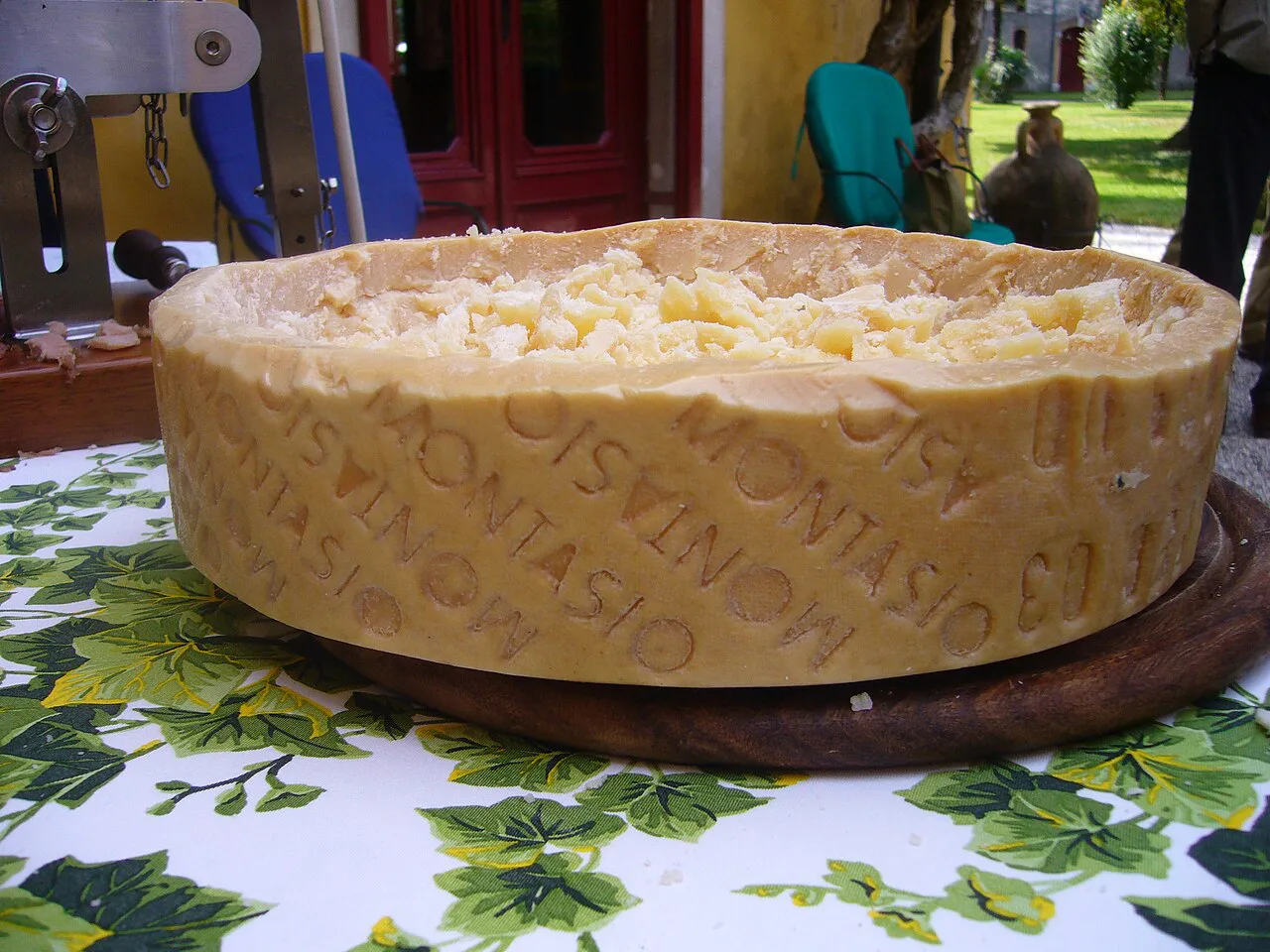
Hard aged cheeses: Parmigiano Reggiano and Grana Padano
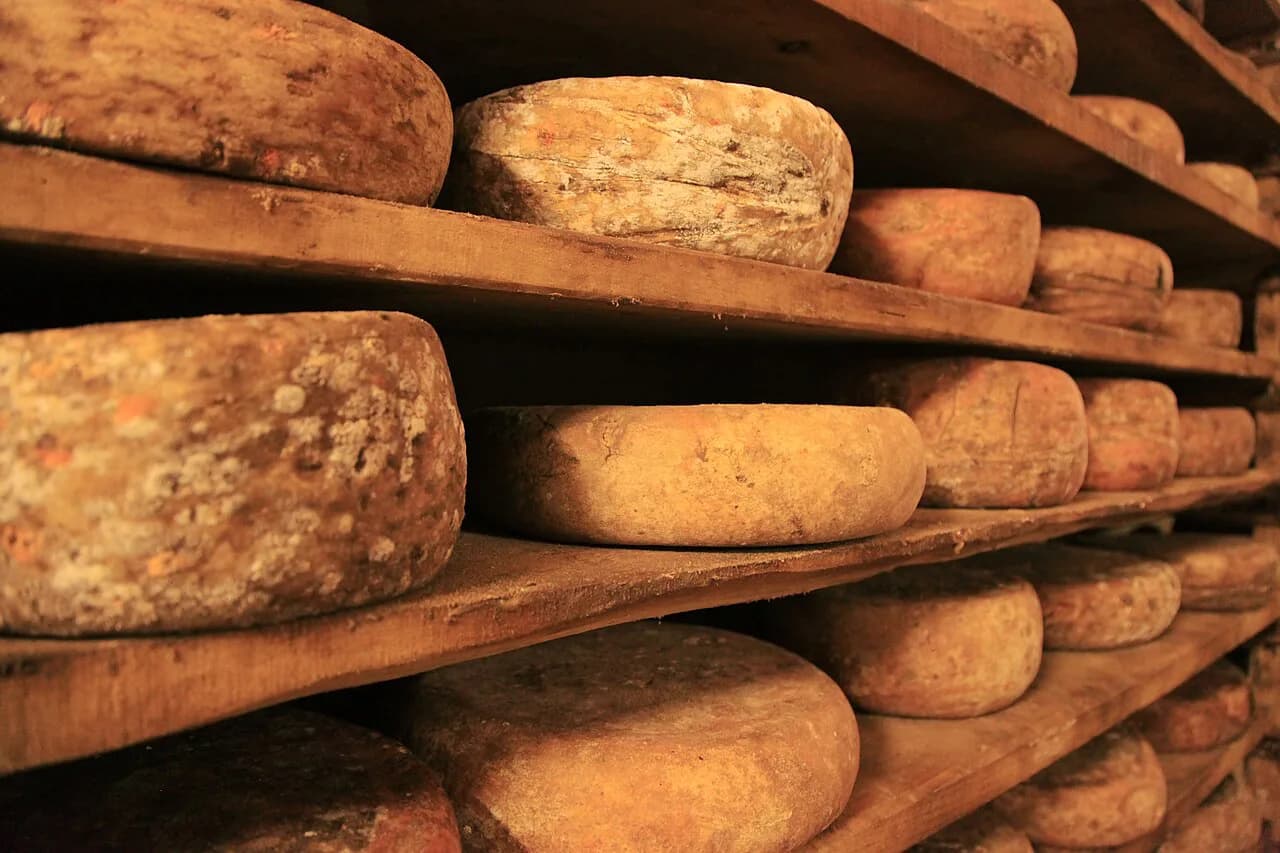
Parmigiano Reggiano is the benchmark hard cheese: cow's milk, a long slow ageing, and a nutty, savoury flavour that sharpens and crumbles as it matures. It can be aged from around 12 months up to several years, and longer ageing brings a drier, more crystalline bite. Buy a wedge to eat in chunks with honey, pears or a few drops of balsamic, and grate the rest over pasta.
What are the most famous Italian cheeses? The names you will meet most often are Parmigiano Reggiano, Grana Padano, Pecorino Romano, mozzarella and mozzarella di bufala, burrata, provolone, Taleggio, Gorgonzola and Fontina. Ricotta is just as common in Italian kitchens even though it is a whey cheese rather than a stretched or aged one.
What Italian cheese starts with the letter S? Sardo, as in Pecorino Sardo, is the obvious one, along with stracciatella, the creamy curd-and-cream filling inside burrata. Stretched-curd cheeses as a group all begin with that technique, so you will see the word on labels and menus.
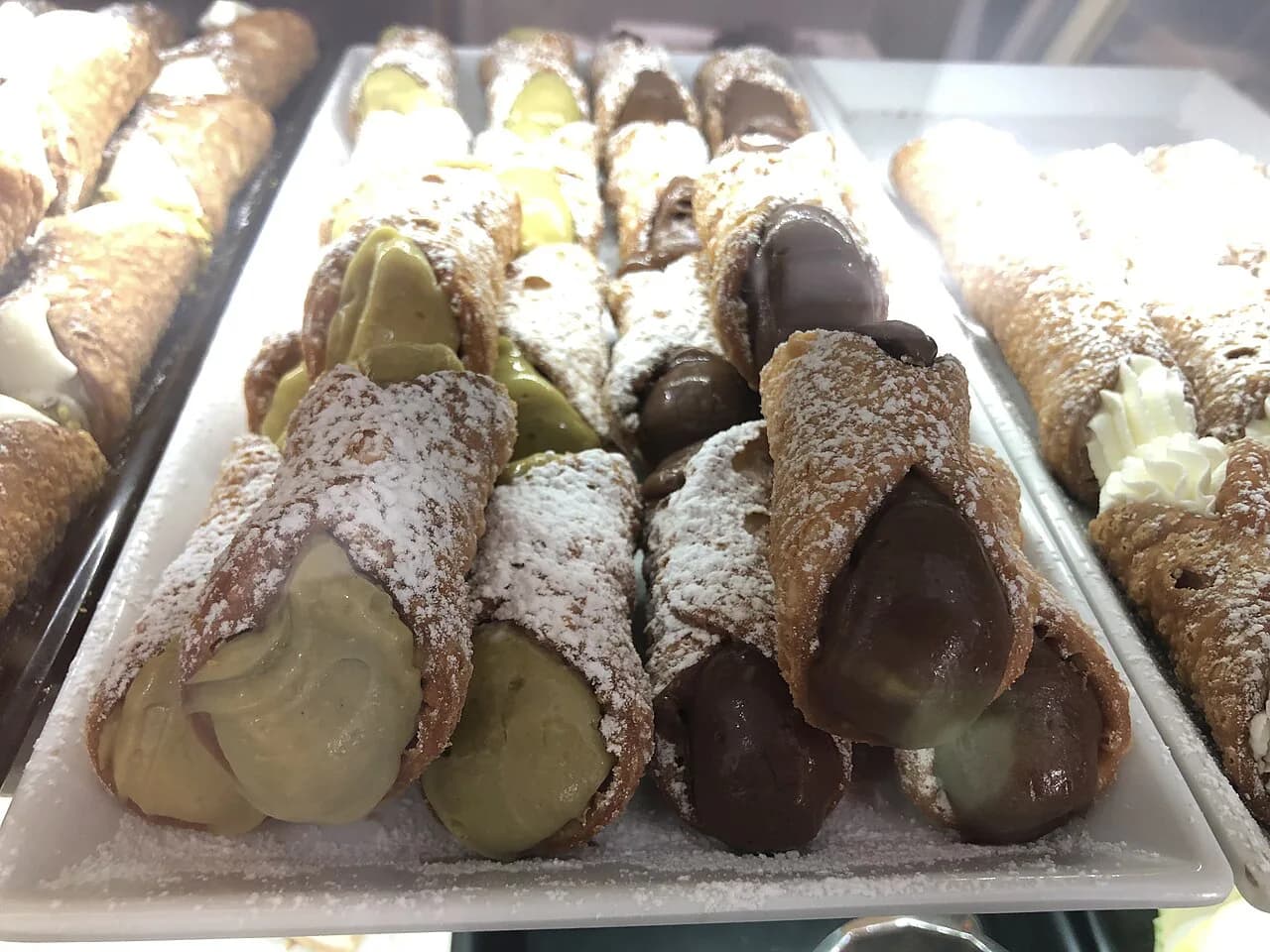
What cheese starts with the letter R? Ricotta is the main one, a fresh whey cheese used in pasta, baking and cannoli. It is not the same as a cream-enriched tub product, so look for one that crumbles.
Because of its long ageing, Parmigiano is the cheese to ask for by age at a counter: a younger wheel is milder and more pliable, an older one more intense and better eaten in small pieces. The white specks you see inside are amino-acid crystals, a normal sign of maturation rather than a fault. Buy the smallest piece that fits your trip; a vacuum-packed wedge travels home far better than a cut piece wrapped in paper.
Grana Padano is the everyday cousin: a similar nutty, savoury profile, generally milder and aged for less time, starting from around nine months. Grana Padano is the sort of grating cheese you will meet over a plate of pasta in an ordinary trattoria. For a cheese board, buy Parmigiano; for grating in quantity, Grana does the job.
Sheep's milk pecorino: Pecorino Romano and Pecorino Sardo
Pecorino is a family, not a single cheese, and it is always made from sheep's milk. Pecorino Romano is the sharp, salty one, aged for at least five months and used in Rome's pasta dishes, where its salt carries cacio e pepe and carbonara. Pecorino Sardo from Sardinia is a different animal: milder and creamier when young, harder and punchier when aged, and better for eating than for grating into a sauce.
At a counter, ask whether the pecorino is fresco (fresh, soft, milky) or stagionato (aged, firm and salty), because the same name covers both. Young pecorino is good with bread and tomatoes; aged pecorino wants honey, fruit or a glass of something to cut the salt. Regional versions from Tuscany, Lazio, Abruzzo and Sardinia all differ, so the label matters more than the word alone.
Stretched-curd cheeses: mozzarella, buffalo mozzarella, burrata and provolone
Mozzarella is the stretched-curd cheese you will eat most often, and it comes in two everyday forms. Fior di latte is made from cow's milk and is the standard pizza cheese; mozzarella di bufala is made from buffalo milk and is creamier, saltier and eaten as a cheese in its own right. Buffalo mozzarella should release milky liquid when you press it, which is the simplest freshness check.
Burrata looks like a mozzarella from the outside and is something else inside: a shell of stretched curd filled with stracciatella, a loose mixture of shredded curd and cream. Eat it as soon as you can, with good olive oil, tomatoes and bread, and do not expect it to melt well in cooking. It is a first-course cheese or a lunch, not an ingredient to simmer.
Provolone is the stretched-curd cheese that ages, and it comes in two useful versions. Provolone Dolce is mild, aged for a couple of months and melts beautifully into sandwiches and baked dishes; Provolone Piccante is aged longer for a sharper bite and is better sliced with olives. If you only know mozzarella as a fresh cheese, provolone shows you what the same technique does with time.
Soft washed-rind and blue cheeses: Taleggio, Gorgonzola and Fontina
Taleggio is a soft, washed-rind cheese from Lombardy with a strong smell and a gentler, buttery, slightly fruity taste. The rind is edible and the paste melts easily, so it works on warm bread, in risotto or on pizza when you want richness rather than sharpness. Buy it ripe but not runny, and keep it cool rather than cold.
Gorgonzola is Italy's best-known blue, and it comes in two styles worth knowing by name. Dolce is creamy and mild; piccante is firmer and more sharply savoury. Ask which you are getting, because the same label can mean quite different things on a board or in a sauce.
Fontina is an alpine cheese from the far north, semi-hard and good at melting, which is why it turns up in fonduta and baked dishes. Asiago covers a similar northern niche and ranges from mild and young to firm and aged depending on how long it has been kept. Neither is a grating cheese in the way Parmigiano is; both are for eating and melting.
Fresh cheeses: ricotta and how to tell it from tubs with added cream
Ricotta is a fresh cheese made by reheating the whey left over from other cheesemaking, which is why its name means recooked. It can come from cow, sheep, goat or buffalo milk and should taste milky and delicate rather than rich. Use it on bread, in pasta sauces, in lasagne or in cannoli; it is not a melting cheese.
The practical test at a counter is texture: true ricotta crumbles when you break it apart, while a very creamy tub version often has cream added to soften it. That does not make the tub version bad, but it is a different product and should not be judged as the same cheese. Buy fresh ricotta in small amounts and eat it within a few days.
Southern aged cheeses: caciocavallo and Canestrato Pugliese
Caciocavallo is a stretched-curd cheese from southern Italy, hand-shaped into a gourd-like form and made from cow's milk, sold plain or smoked. It can be eaten young after a couple of months, when it is sliceable and mild, or aged for up to around two years, when it becomes firm and savoury. Five southern provinces produce Caciocavallo Silano DOP, which is the version to look for if you want a protected name rather than a generic one.
Canestrato Pugliese is a sheep's-milk cheese from the Foggia area of Puglia, made in woven baskets that give it its name and its ridged rind. It is flaky and intense, aged from around two months to a year, and traditionally matured on fennel stalks, which scents the rind. Eat it in thin shavings with bread, or grate it over a southern pasta dish when you want something sharper than Parmigiano.
DOP and IGP labels: what they guarantee on a cheese counter
DOP and IGP are European quality marks, and on a cheese counter they are a shortcut to origin and method rather than a guarantee of quality you will personally love. DOP ties production, ingredients and technique to a defined area; IGP is broader but still protects a regional identity and name. Parmigiano Reggiano, Gorgonzola, Caciocavallo Silano and Mozzarella di Bufala Campana all carry protected names of this kind.
For a traveller, the marks do two jobs. They tell you that a cheese sold as Parmigiano Reggiano is not a lookalike from elsewhere, and they help you choose between a protected regional cheese and a cheaper generic one with a similar name. Look for the full name and the mark on the label rather than a shortened version on a menu.
What to order on a cheese board in an Italian trattoria
A cheese board in Italy usually mixes ages and milk types rather than serving one star cheese, and it is meant to be shared before or instead of a first course. Expect a hard grating cheese, a soft or blue one, something fresh, and often honey, mostarda or a fruit preserve to cut the salt. Order by asking what is local rather than by naming a cheese you already know. If the board is the start of an evening, the same before-dinner logic applies to the drinks that follow, so pair it with what you learn from this guide to the Italian aperitivo.
If you want to build your own, buy three cheeses with different textures and let one be sharp: a young pecorino, a Taleggio or Gorgonzola, and a wedge of Parmigiano. Add bread, a handful of nuts and something sweet, and you have a better plate than most menus will assemble for you. Olive oil and a little salt lift fresh cheeses such as ricotta and mozzarella.
Cheese by region: Emilia-Romagna, Lombardy, Campania, Sardinia and Sicily
Emilia-Romagna is Parmigiano Reggiano country, and the same region gives Italy its most famous cured meats, which is why a board there tends towards hard cheese and salume together. Lombardy contributes Taleggio, Gorgonzola and Grana Padano, and its dairy tradition runs from alpine pastures to the flat Po plain. Campania is the home of buffalo mozzarella and burrata, both best eaten close to production.
Sardinia has its own pecorino tradition, including Pecorino Sardo, and the island's sheep's-milk cheeses are central to its cooking and its economy. Sicily and the south contribute caciocavallo and the stretched-curd family, while Puglia gives Canestrato Pugliese and burrata's origins. The practical upshot is that ordering the cheese a region is known for is almost always a better bet than ordering a famous name from the other end of the country.
How Italians use cheese in cooking: grating, melting and eating fresh
Italian cooking treats cheese as an ingredient with a job, not a topping to add at will. Hard aged cheeses such as Parmigiano and Grana are for grating into pasta, risotto and soups, or shaving over salads. Stretched-curd and fresh cheeses are for eating, often with olive oil and bread, and adding them to a hot dish usually ruins the texture you paid for.
Melting cheeses are the soft and alpine ones: Taleggio, Fontina, provolone and mozzarella all melt with different results, from a creamy sauce to a stretch. Pecorino and other aged sheep's cheeses are used grated in central and southern pasta dishes, where their salt replaces some of the seasoning. A useful rule is that the sharper the cheese, the less of it a dish needs.
A few ingredients change how cheese tastes on the plate, and it is worth buying them well. Olive oil lifts fresh cheeses and shaved hard cheese; truffle, where it appears, is shaved over simple egg or pasta dishes rather than strong sauces. Coffee and aperitivo come after the cheese course, not alongside it, so finish the board before you move on.
Buying cheese in Italy: salumerie, markets and the caseificio
Buy cheese where it is cut to order. A salumeria or a market stall will let you taste before you buy, which matters most with aged pecorino and blue cheeses where the difference between one wheel and another is large. Ask for a small piece and say how you plan to eat it, so the counter can steer you to a younger or older version.
A caseificio is the dairy where the cheese is made, and buying there usually means the freshest stretched-curd cheese and ricotta rather than the aged wheels. For hard cheese, vacuum-sealed wedges survive a journey home; for soft and fresh cheeses, buy only what you will eat within a day or two. Sardinian bottarga is the other counter purchase worth knowing in the same shops, sold as a dense, salted block to grate over pasta.
Slow Food's biennial Cheese gathering in Bra, Piedmont, is the place where producers and affineurs bring raw-milk cheeses to one town, and it is the single best context for understanding what the counter is trying to sell you. It is not a market for a quick souvenir; it is a trade and tasting event. Outside the event, the Bra area remains the reference point for the northern Italian cheese trade.
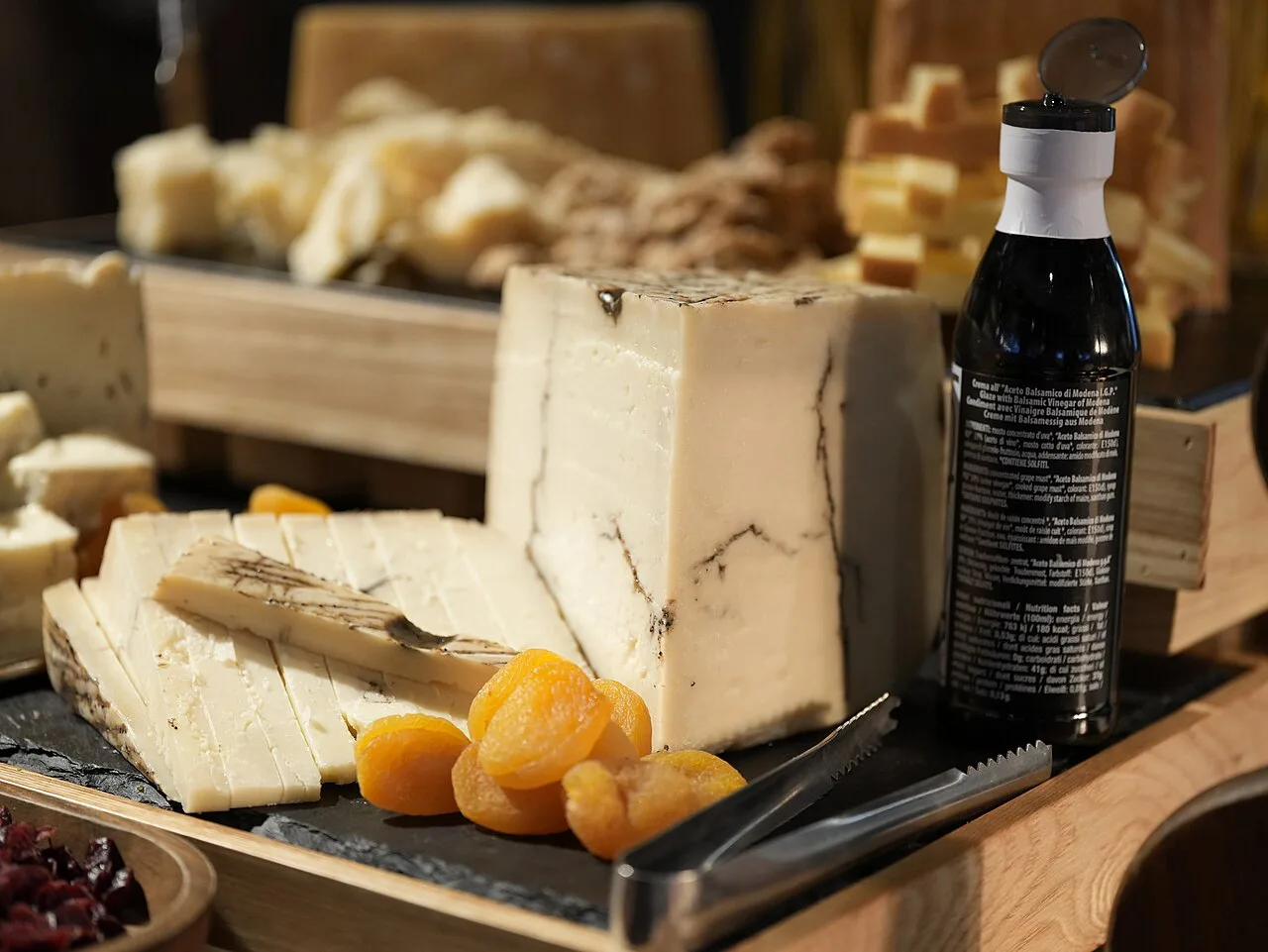
Which Italian cheese should you buy first?
Start with a wedge of Parmigiano Reggiano and a piece of aged pecorino, because between them they cover gratina and eating, cow's milk and sheep's milk, mild and sharp. Add a fresh stretched-curd cheese such as mozzarella di bufala or burrata only if you will eat it the same day. That handful teaches you more about Italian cheese than a long list of names.
At the counter, name the family and the age rather than just the cheese: young or aged pecorino, 24-month or younger Parmigiano, mild or sharp provolone. That is the vocabulary that gets you the piece you actually want, and it is how the people behind the counter talk about their own stock. Then buy small, taste, and go back for more of what you liked.
Explore more Italy food guides
Frequently Asked Questions
What are the most famous Italian cheeses?
The names you will meet most often are Parmigiano Reggiano, Grana Padano, Pecorino Romano, mozzarella and mozzarella di bufala, burrata, provolone, Taleggio, Gorgonzola and Fontina. Ricotta is just as common in Italian kitchens even though it is a whey cheese rather than a stretched or aged one.
What Italian cheese starts with the letter S?
Sardo, as in Pecorino Sardo, is the obvious one, along with stracciatella, the creamy curd-and-cream filling inside burrata. Stretched-curd cheeses as a group all begin with that technique, so you will see the word on labels and menus. Scamorza, a southern stretched-curd cheese, is another S name you may meet.
What cheese starts with the letter R?
Ricotta is the main one, a fresh whey cheese used in pasta, baking and cannoli. It is not the same as a cream-enriched tub product, so look for one that crumbles. Romano, as in Pecorino Romano, also begins with R and is the sharp sheep's cheese used in Roman pasta.
Should I buy fresh or aged Italian cheese to take home?
Buy aged and vacuum-packed if you are travelling: Parmigiano, pecorino and provolone survive a journey far better than soft or fresh cheeses. Fresh stretched-curd cheeses and ricotta are for eating within a day or two of buying. Ask the counter to vacuum-seal a cut wedge if you plan to carry it.
Sources
Notes for your next meal in Italy
Optional updates to our food guides.
You might also like

Continue reading
More guides you'll find useful