Italian Coffee: The Bar, the Drinks and How to Order
Italian coffee means espresso ordered at the bar. Here is what each drink is, when Italians have a cappuccino, and how to order and pay.
On this page
Italian coffee means espresso: order a caffè and you get a single shot in a small cup, drunk at the bar counter or standing nearby. The espresso is the base for nearly every other drink on a menu, from a short ristretto to a foamy cappuccino. This guide covers what each drink is, how the bar routine works, when milky coffees fit, and which ground coffee to pack for home.
What Italian coffee actually means: caffè is a shot of espresso
Ask for un caffè and you will be handed an espresso, not a mug of filter coffee. Coffee reached Italy through Mediterranean trade from Yemen in the sixteenth century, and Venice was among the ports where the drink took hold, as Lavazza's history of Italian coffee sets out. The habit hardened into a daily ritual: a milky coffee at breakfast, espresso as a mid-afternoon lift or right after dinner.
The default serving is small, strong and quick, which is the whole point of the format. Menus price and describe coffee by the cup size and the milk or spirit added, so a doppio is simply a double shot and a macchiato is the same espresso marked with a spot of milk. Once you recognise the base drink, the rest of the board reads easily.
How an Italian bar works: pay first, then order
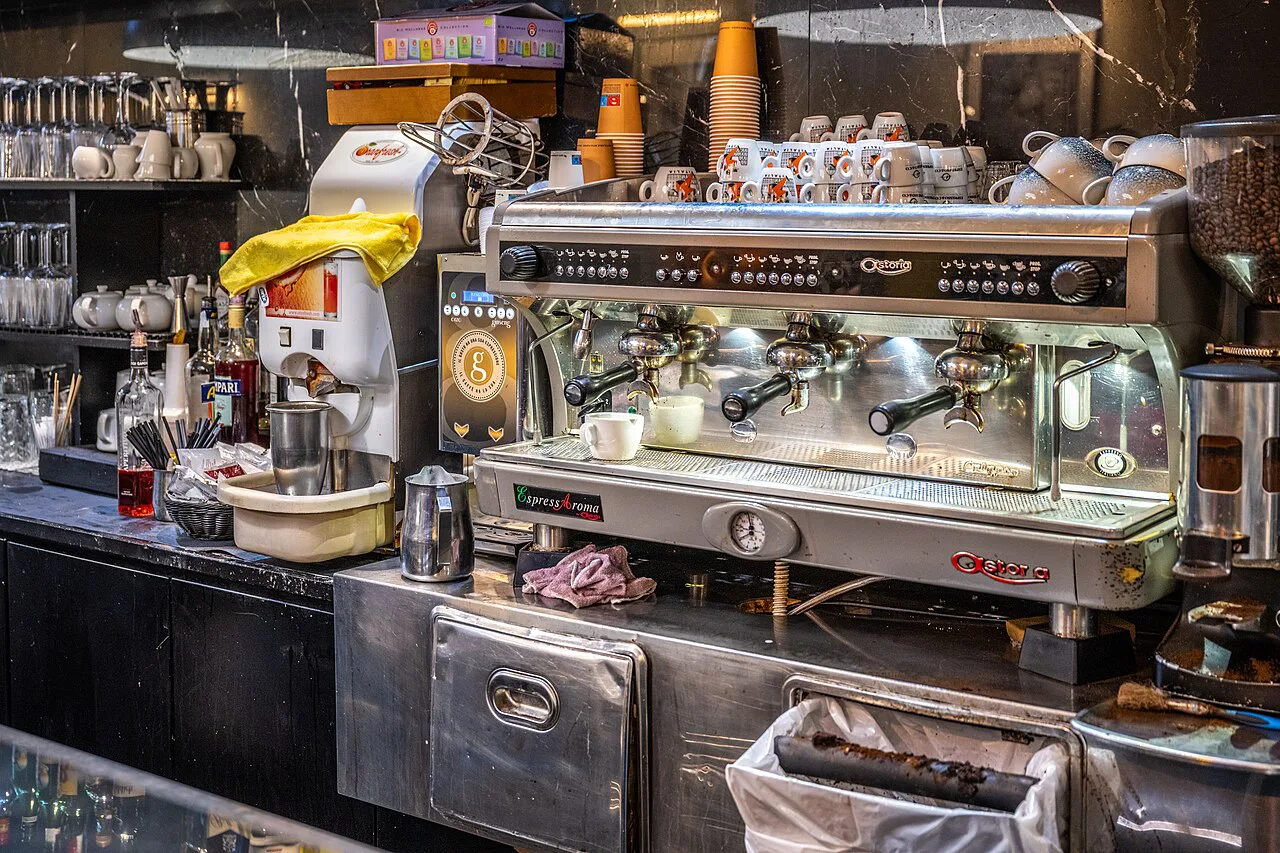
In many Italian bars you pay at the till first, take the receipt to the counter and order there, then hand the receipt over or place it on the saucer. Some bars run the other way round and charge you at the end, so watch what the people ahead of you do. Standing at the counter is the normal way to take an espresso; sitting at a table outside can cost more and is often a separate service.
What Italian coffee actually means: caffè is a shot of espresso: Ask for un caffè and you will be handed an espresso, not a mug of filter coffee.
How an Italian bar works: pay first, then order: In many Italian bars you pay at the till first, take the receipt to the counter and order there, then hand the receipt over or place it on the saucer.
What to order: espresso, ristretto, lungo, doppio and macchiato: The espresso family differs mainly in length and strength.
Coffee is drunk fast, so the bar is a pit stop rather than a place to linger over a laptop. The rhythm explains the price structure too: the quick counter espresso and the slower table service are effectively two different products. If you want the full set of phrases for ordering and paying, read this guide to how to order coffee in Italy before you go.
Breakfast is when the bar is busiest, with pastries and milky coffees going out together. Pair your coffee with a cornetto, the Italian croissant, or a slice of something sweeter from the counter.
What to order: espresso, ristretto, lungo, doppio and macchiato
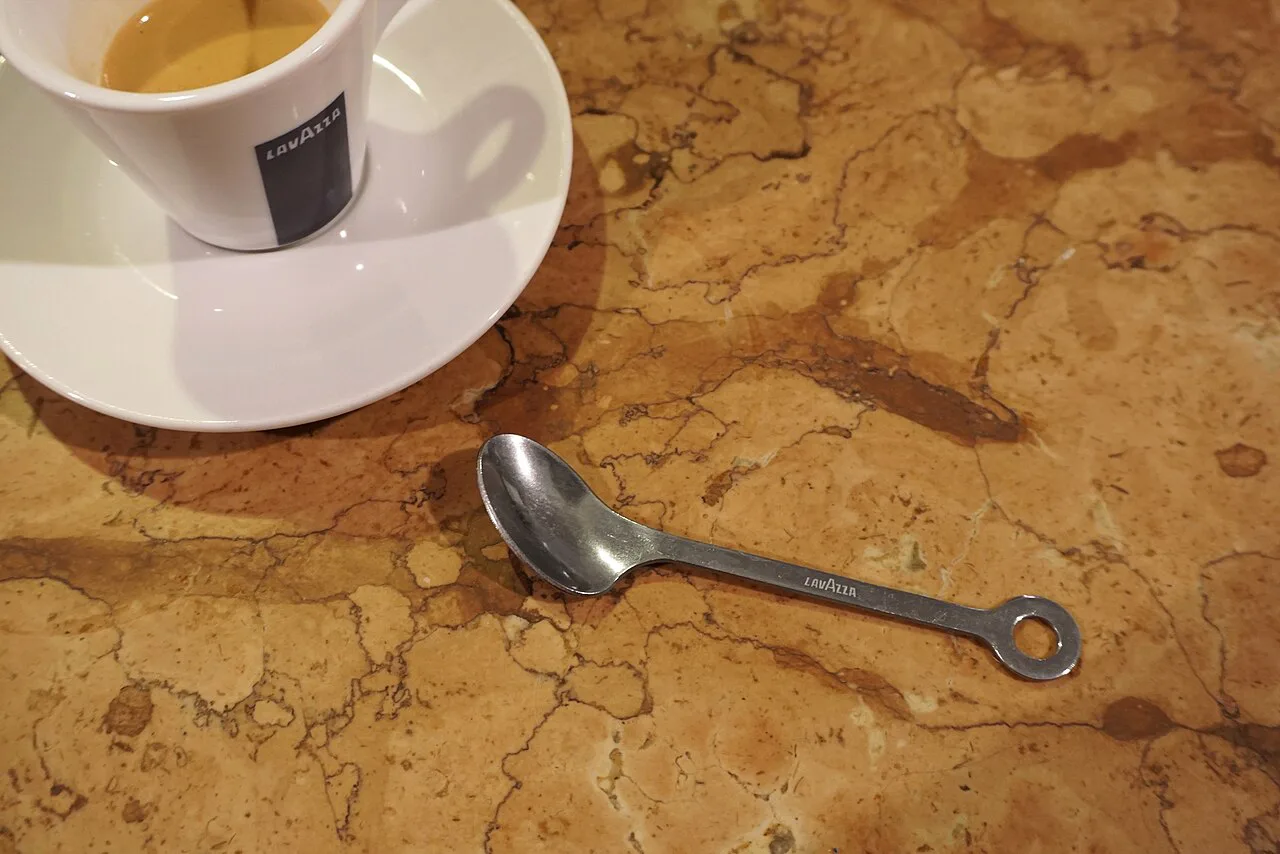
The espresso family differs mainly in length and strength. A ristretto is a restricted, shorter and more intense shot; a lungo is a long espresso with more water through the same dose; a doppio is double. A macchiato is an espresso stained with a small amount of milk, which makes it a good middle ground if a plain shot feels too austere.
Order a macchiato when you want the caffeine hit of an espresso but not a full milky drink. It is not a latte with a splash of coffee, so do not expect a large cup. If you plan to work through the menu across a trip, this overview of Types of Italian Coffee breaks down each one in plain terms.
Cappuccino, caffè latte and latte macchiato: what each one is
A cappuccino is espresso with steamed milk and a thick cap of foam, and it is customarily a morning drink in Italy. Italians tend to take it at breakfast and leave it alone later in the day, so ordering one after lunch will not be refused but will mark you as a visitor. The milky-coffee question is a matter of habit rather than law.
Caffè latte is a milky drink where hot milk dominates and the coffee sits underneath; asking for a latte on its own in Italy gets you a glass of milk. Latte macchiato is the reverse of a macchiato in emphasis: lots of steamed milk stained with espresso, served in a tall glass. Both suit a sit-down breakfast better than a quick counter stop.
If you want a milky coffee with a pastry, the Italian breakfast is built around exactly that combination, usually taken standing at the bar before the day starts. Keep the order simple: a cappuccino and a cornetto is the standard shape of it.
Marocchino, affogato, shakerato and caffè corretto: dessert and iced coffees
The marocchino is a dessert-like coffee made with espresso, cocoa powder and milk foam in a small glass. It sits between a coffee and a pudding, and it is the drink to choose when you want something sweeter than an espresso without committing to a full dessert. A good marocchino is judged on the dusting of cocoa powder and the texture of the foam.
An affogato drowns a scoop of gelato in hot espresso, and a shakerato is espresso shaken with ice until frothy and served cold. Both are summer orders and both are worth knowing on a hot afternoon. For a warm chocolate alternative on a cold day, Italian hot chocolate is thick enough to be a dessert in its own right.
A caffè corretto is espresso corrected with a small measure of grappa or another spirit, and it is a cold-weather, after-meal drink rather than a morning one. Treat it as a digestivo with coffee attached and keep it to one. If you enjoy that late-afternoon or after-dinner ritual, the Italian aperitivo covers the other drinks Italians order at the same hour.
Caffè d'orzo and ginseng coffee when you want no caffeine
Caffè d'orzo is roasted barley brewed like coffee: dark, nutty and completely caffeine-free, and it is what many Italians order after dinner when they want the ritual without the stimulant. Ginseng coffee is a sweet, creamy alternative to espresso offered at many bars. Both are useful if you are cutting caffeine or drinking coffee late.
Order orzo at the bar if you want something warm and dark that will not keep you up. It is also a good choice for children, since it contains no coffee at all. Expect a milder, grainier taste than espresso rather than a decaf imitation.
Regional notes: the bicerin in Turin and Neapolitan roasts
The bicerin is a Turin regional drink combining coffee, drinking chocolate and milk, a café speciality of the city. It is a regional curiosity rather than a national staple, so look for it in Piedmont.
Naples has its own coffee identity, built on dark, robust blends that include robusta beans for body and crema. You will see Neapolitan-style blends sold across Italy and in the UK, from Kimbo to the espresso-ground coffees on supermarket shelves. That is the taste to look for if you like your espresso punchy and thick.
How coffee arrives: the cup, the temperature and the crema
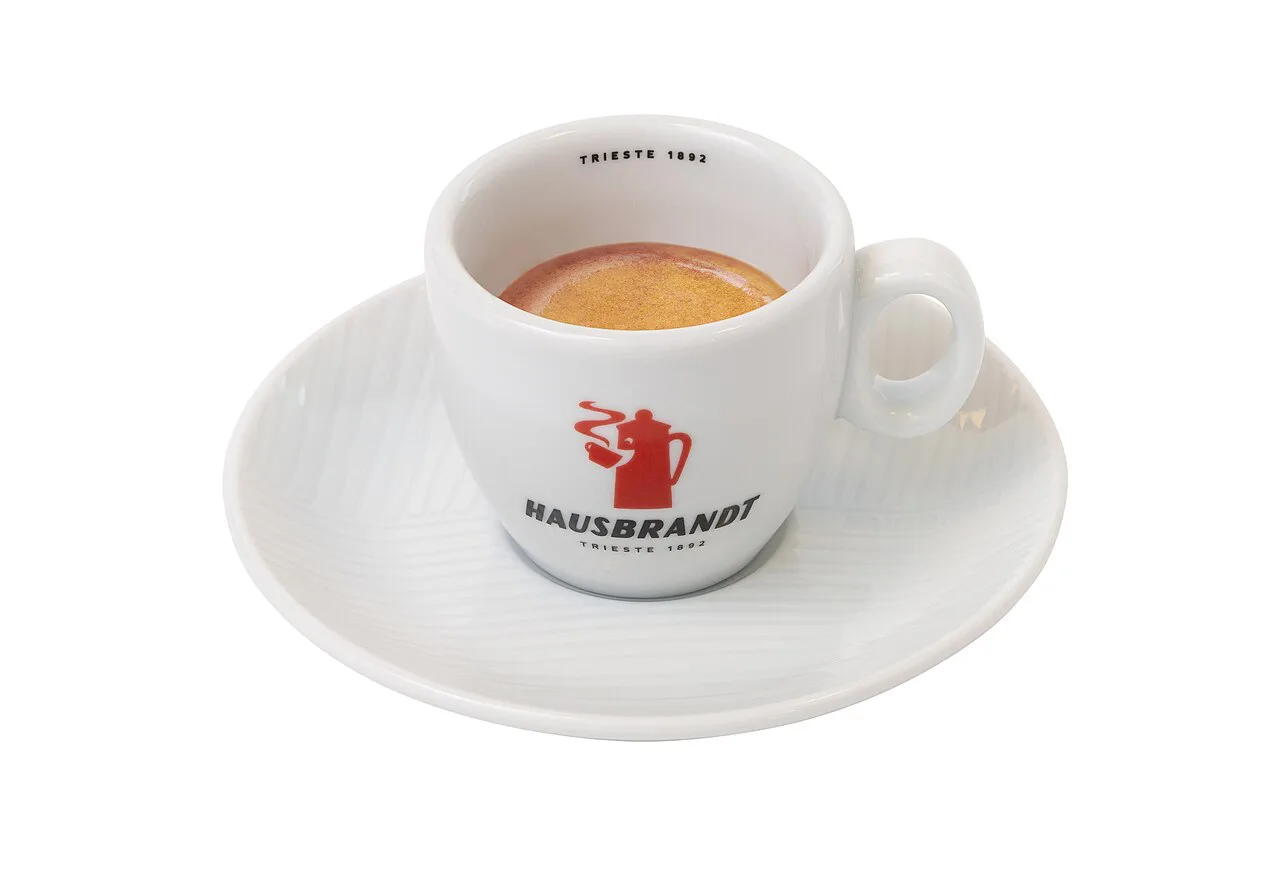
Espresso arrives in a small, thick-walled cup that holds the heat, with a hazelnut-brown layer of crema on top. The crema sits on the surface of a well-pulled shot and softens the first sip rather than adding a flavour of its own. Drink it soon: the cup is small because the coffee is meant to be consumed in a couple of mouthfuls while it is still hot.
If the coffee tastes thin or bitter, the problem is usually the machine or the grind rather than the drink you chose. Bars with a steady turnover of cups tend to pull fresher shots than a quiet one whose machine has been idle. That is one reason the counter is worth standing at: you can see how the shots are pulling.
Buying Italian ground coffee to take home: blends and brands
Italian coffee is sold as blends of arabica and robusta, and the ratio tells you a lot about the cup. Arabica brings fruit and acidity, while robusta adds body, crema and a nuttier edge, which is why southern espresso blends lean on it. Ground coffee is also sold in different grinds, so match the bag to your moka pot or filter machine.
For a souvenir, look for Italian brands sold in UK shops such as Caffè Vergnano or Kimbo, and take note of the grind on the packet before buying. If you use a moka pot at home, an espresso grind is what you want; filter machines need a coarser ground.
Ordering in Italian: the phrases you actually need
The useful phrases are short. Un caffè means an espresso, un caffè macchiato means an espresso with a drop of milk, and un cappuccino is self-explanatory. Al banco means at the counter, while al tavolo means at a table.
For payment, the phrases you'll hear are quanto costa for how much, and posso pagare alla cassa for can I pay at the till. You will rarely need more than that. Italian bar staff are used to visitors, and pointing at the menu alongside the phrase works fine.
Which coffee to order first
Order a plain caffè on your first morning to calibrate your taste against the bar's blend, then work outwards: a marocchino when you want a dessert, orzo when you want no caffeine, a shakerato when it's hot. Keep the milky coffees for breakfast and let the counter espresso carry the rest of the day. Buy a bag of espresso-ground coffee to take home and the routine will follow you back.
Explore more Italy food guides
Sources
Notes for your next meal in Italy
Optional updates to our food guides.
You might also like
Continue reading
More guides you'll find useful