Italian Chocolate: Brands, Regional Styles and What to Buy
Italian chocolate runs from Turin's gianduiotto to Sicily's grainy Modica bars. See the main brands, regional styles and how to buy and taste them.
On this page
Italian chocolate is best understood as a set of regional traditions rather than a single national style. Turin is the home of soft gianduja, Sicily makes grainy cold-worked bars in Modica, and Perugia is associated with filled chocolates wrapped in silver foil. This guide explains each tradition, names the brands worth looking for and shows how to buy Italian chocolate in the UK and Ireland without overpaying for packaging.
The practical difference between them is texture. Gianduiotto melts almost immediately because ground hazelnut is worked into the cocoa, while Modica chocolate stays slightly sandy on the tongue because it is never conched. Knowing which style you are buying prevents disappointment: neither is a lesser chocolate, they are simply made for different pleasures. For the wider picture, our guide to Italian desserts sets chocolate alongside the country's other sweet traditions.
What Italian chocolate is known for
Two things set Italian chocolate apart: hazelnut and restraint. Piedmont grows the prized Tonda Gentile hazelnut, and the region's chocolate makers built their reputation on blending it with cocoa rather than letting sugar dominate. The result is a softer, nuttier style of chocolate than the dark bars most British and Irish shoppers are used to.
The second tradition is Sicilian. Modica's chocolate makers work cocoa paste with sugar at low temperature, so the sugar never fully dissolves and the bar keeps a crystalline crunch. Italian chocolate therefore covers everything from silky praline fillings to rough, intense bars that snap rather than melt.
The main chocolate cities: Turin, Perugia, Modica and beyond
Turin is closely associated with gianduiotto, the city's signature hazelnut chocolate. The origin story is usually told as a nineteenth-century response to scarce cocoa, but treat it as tradition rather than documented fact.
What is the difference between gianduja and gianduiotto? Gianduja is the hazelnut-and-chocolate paste, while gianduiotto is the small ingot-shaped sweet made from it. The paste is also used as a filling and flavouring in other chocolates and pralines, so you may see the word gianduja on a box of mixed sweets rather than a bar.
Are Baci and gianduiotto the same thing? No. Baci is a filled praline with a whole hazelnut at the centre and a love note in the wrapper, while gianduiotto is a solid piece of hazelnut chocolate with no filling.
Modica, in south-eastern Sicily, represents a different approach: bars made with cocoa and sugar in a style that stays grainy rather than smooth. The two traditions, hazelnut-rich Turin and austere Sicilian, sit at opposite ends of Italian chocolate.
Naples has its own chocolate tradition in the form of filled pastries and small chocolate-covered treats, which sit closer to the city's confectionery than to its famous pastries. If you are eating your way around southern Italy, the chocolate is often encountered inside cakes and pastries rather than as a bar on its own.
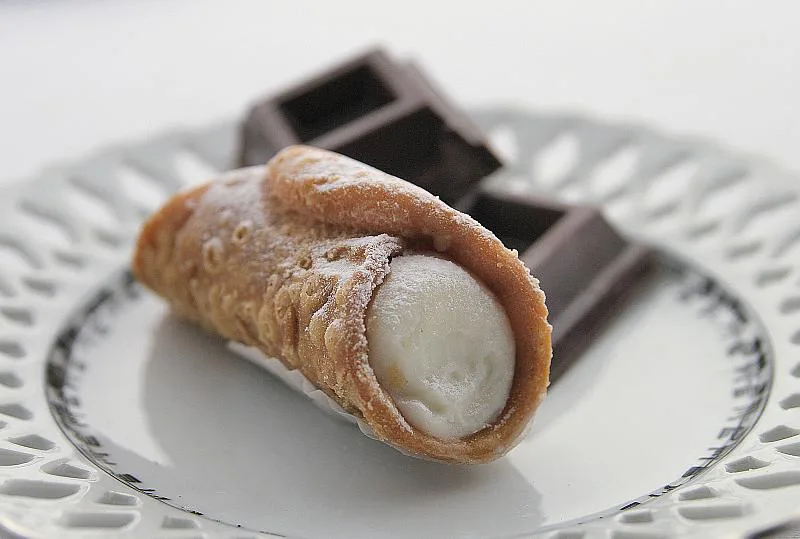
Gianduiotto and gianduja: what they are and how to eat them
Gianduja is a paste of chocolate and finely ground hazelnuts; gianduiotto is the individual ingot-shaped piece made from it. The texture is the point: it is soft enough to squash between finger and thumb and melts quickly, so it is best eaten cool but not cold. In Turin it is traditionally served with a dusting of cocoa or alongside a coffee rather than as an after-dinner chocolate.
When you buy gianduiotto outside Italy, check that the ingredients list hazelnuts near the top and that the packet has not been stored warm. A gianduiotto that has melted and re-set in transit will taste fine but lose the smoothness that makes it worth buying. Small boxes travel better than large slabs for exactly this reason.
Modica chocolate: cold-worked bars and their grainy texture
Modica chocolate is made by grinding cocoa with sugar without the conching step that gives most commercial chocolate its smoothness. The sugar crystals stay intact, so the bar has a slightly crunchy, grainy texture and a sharper, more direct cocoa flavour. Expect it to look matte and to break with a clean snap rather than a soft melt.
This is the style to buy if you prefer intense dark chocolate to creamy confectionery. Modica makers also produce flavoured versions, with chilli, citrus or vanilla commonly added; the plain version is the best introduction. Avoid storing the bar anywhere humid, because the undissolved sugar absorbs moisture and goes sticky.
The big Italian chocolate brands and what each is known for
Ferrero and Perugina are the best-known Italian chocolate names, and their products turn up in supermarkets across the UK and Ireland. These are the brands most people meet first, and they set the baseline for what many think of as Italian chocolate.
Alongside the large companies, Italy has a layer of artisan producers, often small regional firms making gianduiotto, pralines and nougat. The Le Eccellenze di P&V range sold by the Italian deli Prezzemolo & Vitale is an example: mixed chocolate truffles, pistachio truffles and gianduja truffles in small boxes. Buying these from an Italian deli gives you a route into the artisan end of the market without ordering from Italy.
Baci and other filled chocolates: what is inside
Baci are the best-known Italian filled chocolate: a whole hazelnut sits at the centre, surrounded by a hazelnut and chocolate filling and then a dark chocolate shell. Each sweet is wrapped in silver and white foil with a short romantic message in Italian and other languages inside, which is why they are a common small gift. They are sweeter and softer than a plain dark bar, so serve them with coffee rather than after a heavy meal. Baci come from Perugia, so our Perugia chocolate guide follows the same chocolates from factory to shop counter.
The filled praline is the form Italian chocolate most often takes for gifting, and boxes are usually organised by type so you can tell the plain from the nut-filled without opening the packaging. If you are buying a mixed box for someone who has not tried Italian chocolate before, choose one that includes a gianduja piece so they can taste the region's defining style.
Nougat and chocolate-covered specialities from the south
Torrone, Italian nougat, is made from egg white, honey, sugar and toasted nuts, and the southern regions produce some of the best-known versions, with almonds and pistachios rather than hazelnuts. It is sold in soft and crunchy styles, and the softer type is easier to eat in small quantities. Prezzemolo & Vitale sells soft and crunchy hazelnut nougat in 150g and 200g boxes as part of the same delicatessen range.
Chocolate also turns up in the pastry case of southern Italy, often as a filling for almond pastes and cakes, which is where the line between chocolate and confectionery blurs. The Sicilian tradition of pasta reale, a marzipan sweet often shaped and coloured like fruit, is a good example of the region's sweet-making skill that runs alongside its chocolate, and our guide to Sicilian desserts covers the rest of the island's pastry case.
How to read an Italian chocolate label: cocoa percentages, single origins
Italian labels follow the same conventions as elsewhere: the cocoa percentage tells you how much of the bar is cocoa solids and butter combined, so a higher number means a darker, more bitter chocolate. For gianduiotto the percentage matters less than the hazelnut content, because the nuts dilute the cocoa. Look for the proportion of hazelnuts stated on the front of the pack.
Single-origin bars name the country or region where the cocoa was grown, and the difference is real: beans from a single area tend to have a more consistent flavour profile than a blend. Modica bars often state the cocoa origin, which is worth checking if you want to compare one producer with another. Keep the label for the producer's name if you want to reorder the same bar.
Buying Italian chocolate in the UK and Ireland: delis and online shops
Prezzemolo & Vitale, an Italian food shop with a UK-facing site, lists a chocolate and confectionery aisle including truffles and hazelnut nougat. Check delivery terms and whether the shop ships to your address before you build an order, and buy small boxes rather than large slabs in warm months.
Larger supermarket Italian food sections and specialist confectionery shops tend to stock the big names, while regional artisan products are more usually found through delis. If you want a specific Modica-style bar or a gianduiotto, ordering from an Italian deli is the more dependable route.
How to taste and store Italian chocolate
Taste chocolate at room temperature, in small pieces, and let each piece melt rather than chewing it. Gianduja and filled pralines show their quality in the first few seconds; Modica bars reward slower eating because the sugar crystals crunch before the cocoa flavour arrives. Avoid tasting straight from the fridge, which dulls the aroma and makes the texture seem hard.
Store chocolate in a cool, dry cupboard away from strong smells, because cocoa butter absorbs odours from coffee, spices and onions. Wrap opened bars tightly, and keep gianduja cool enough to hold its shape but not so cold that it sweats when brought out. In a warm kitchen, a sealed tin in the coolest cupboard is more reliable than the fridge.
Which Italian chocolate should you buy first?
Start with a gianduiotto if you want the style that defines Italian chocolate: soft, nutty and unlike anything made with hazelnut flavouring. Choose a Modica bar if you prefer dark, intense chocolate with texture, and a small box of Baci if you are buying a gift. One bar or box from each tradition gives you the full range of what Italy does with cocoa.
Buy from an Italian deli or online grocer where the range is photographed and described, so you know whether you are getting gianduja, a filled praline or a cold-worked Sicilian bar. Store whatever you buy cool and dry, and eat it within a few weeks of opening.
Explore more Italy food guides
Frequently Asked Questions
What is the difference between gianduja and gianduiotto?
Gianduja is the hazelnut-and-chocolate paste, while gianduiotto is the small ingot-shaped sweet made from it. The paste is also used as a filling and flavouring in other chocolates and pralines, so you may see the word gianduja on a box of mixed sweets rather than a bar.
Are Baci and gianduiotto the same thing?
No. Baci is a filled praline with a whole hazelnut at the centre and a love note in the wrapper, while gianduiotto is a solid piece of hazelnut chocolate with no filling. Both share the Piedmontese hazelnut-and-chocolate idea, which is why they are often mentioned together.
Sources
Notes for your next meal in Italy
Optional updates to our food guides.
You might also like


Continue reading
More guides you'll find useful