Italian Food Souvenirs: What to Buy and What Travels Well
Italian food souvenirs worth the suitcase space: coffee, risotto rice, panettone, chocolate and supermarket snacks, plus what to skip and how to pack it.
On this page
The best Italian food souvenirs are the ones you cannot easily buy at home and that survive the trip: coffee, risotto rice, a panettone, a bar of chocolate, and a bag of supermarket biscuits for the train. Anything heavy, chilled or fragile needs a reason before it goes in the case, and plenty of tempting items are cheaper or simpler to buy as exports once you are back. This guide sorts the worthwhile from the regrettable and tells you which kind of shop to walk into for each.
What makes a good Italian food souvenir
Judge every potential purchase on four things: weight, fragility, heat and whether you can buy it at home. A kilogram of rice or a tin of coffee pulls its weight in the bag because it is dense and unbreakable; a glass bottle of olive oil is heavy, leaks if it shifts, and often appears on British and American shelves anyway. If a product is exported widely, the souvenir value drops and the luggage space is better spent elsewhere.
Heat is the quiet killer. Cheese and cured meats need cool conditions, so a wedge of grana or a vacuum-packed salume is a poor choice if you are out all day in summer before a late flight. Baked goods from a bakery are at their best on the day you buy them, which makes them journey snacks rather than gifts.
Coffee from a torrefazione
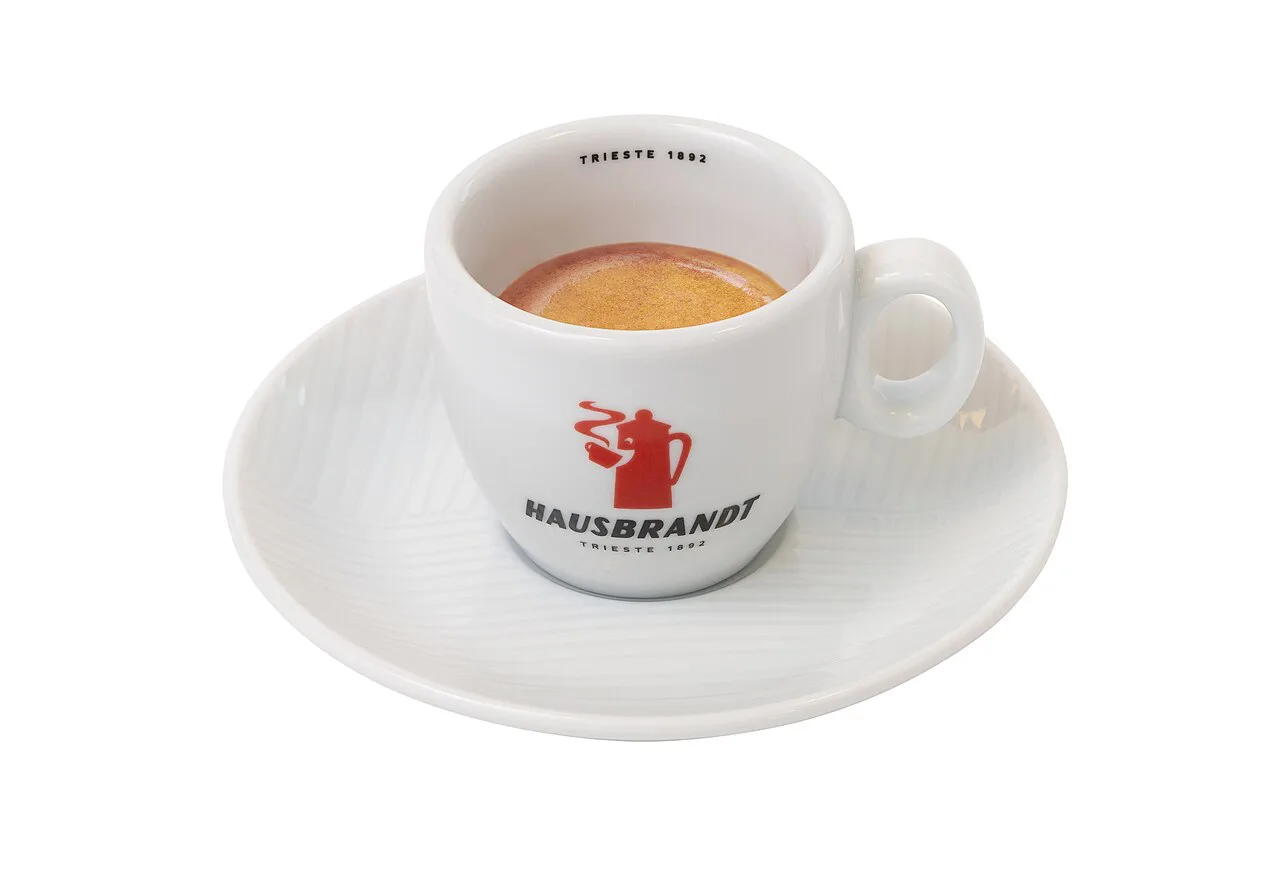
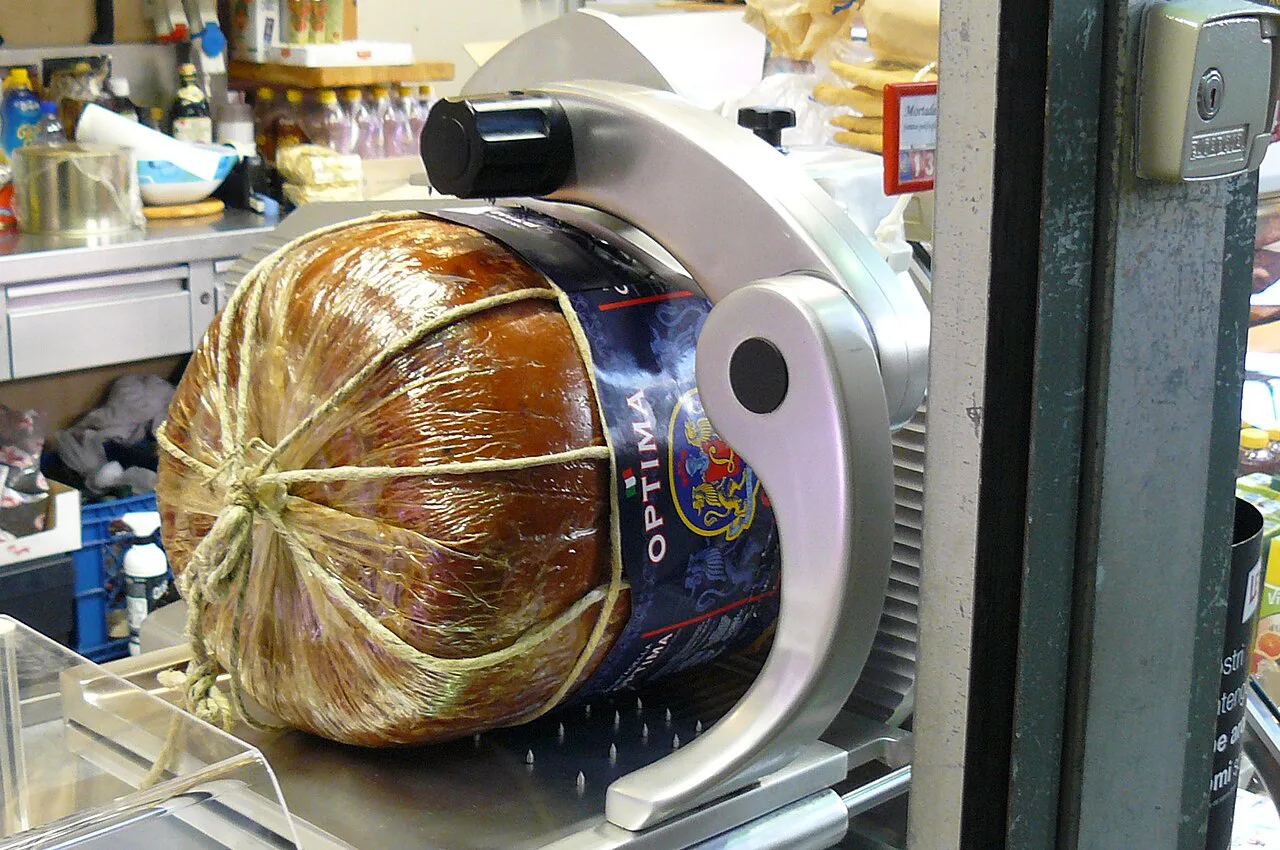
Coffee is the souvenir with the best effort-to-reward ratio: light, robust, and genuinely different from what most of us brew at home. Buy beans or ground coffee from a torrefazione, the Italian term for a coffee roaster and shop, and ask for the roast to be ground for your machine if you do not own a grinder. Milan's Torrefazione Moka Hodeidah on Via Piero della Francesca is a historic coffee shop selling roasted craft coffees, sweets and liqueurs.
What makes a good Italian food souvenir: Judge every potential purchase on four things: weight, fragility, heat and whether you can buy it at home.
Coffee from a torrefazione: Coffee is the souvenir with the best effort-to-reward ratio: light, robust, and genuinely different from what most of us brew at home.
Risotto rice for risotto alla Milanese: Milan's signature dish, risotto alla Milanese, is a creamy saffron rice cooked with wine, butter and cheese, and the rice itself makes a practical souvenir.
Department store food halls are a reliable fallback when you are short of time, and the top floor of La Rinascente by the Duomo in Milan is a well-stocked example with a curated food section. Buy whole beans if you can and keep the bag sealed; ground coffee stales faster once opened. A vacuum-sealed brick of coffee travels better than a paper bag and takes up almost no room.
Risotto rice for risotto alla Milanese
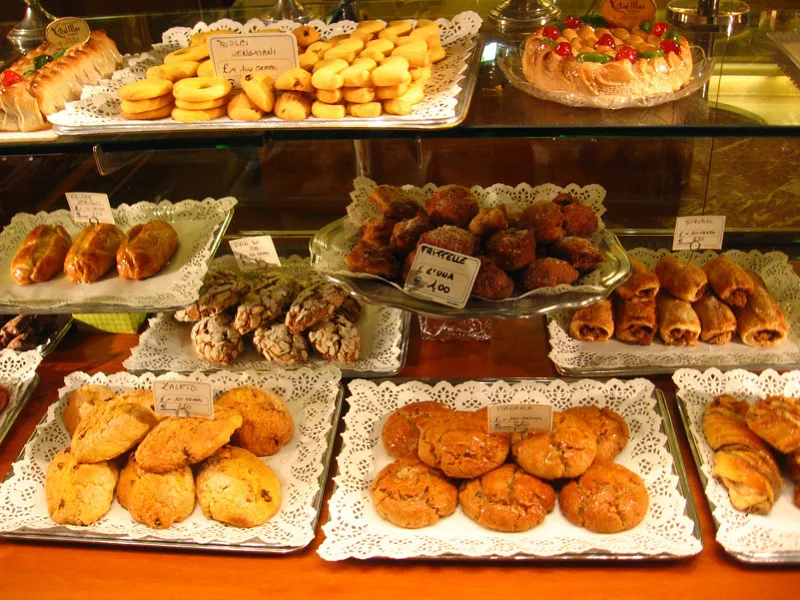
Milan's signature dish, risotto alla Milanese, is a creamy saffron rice cooked with wine, butter and cheese, and the rice itself makes a practical souvenir. Look for Vialone Nano, Carnaroli or Arborio on the shelf; a 500g or 1kg bag is heavy but flat and unbreakable, which makes it easy to wedge between clothes.
Pair the rice with a risotto spoon, a wooden spoon with a hole in the middle that helps the grains release starch and mix evenly. It costs little, weighs nothing and is the sort of small, genuinely Italian object that gets used rather than shelved. If you want to understand where risotto sits in a menu, our guide to Italian meal courses explains how a primo piatto fits into a full Italian lunch or dinner.
Panettone and colomba: the Milanese cakes
Panettone and colomba are the boxed cakes most associated with Milanese baking, and both are built for travel: tall, sealed and shelf-stable for weeks. Colomba is the dove-shaped Easter version, which makes it a better fit for a spring trip than a winter one. Iginio Massari's pastry shop near Piazza Armando Diaz is known for its panettone as well as its other cakes, and you can buy to take away or sit down with coffee and a slice.
The box is bulky but light, so it steals space rather than weight allowance. Carry it flat rather than upright so the dome does not crush, and keep it out of a hot car boot. Smaller single-portion panettone exist for hand luggage, which is the sensible option if you are flying with only a cabin bag.
Chocolate bars and confectionery
Chocolate is another low-risk buy: light, sealed and indifferent to a few hours in a bag. Department store food halls carry artisan bars from Lombardy and beyond, including Santomiele bars imprinted with the Duomo di Milano at La Rinascente in Milan. Venchi, an Italian chain with shops across the country including at Milan's train station, is the convenient option when you are buying on the move.
Avoid chocolate in July and August unless it stays cool; a melted bar is a sad gift. If you are travelling in high summer, buy it at the airport on the way out or choose a filled wafer or biscuit instead. Anything with a soft centre is a gamble in a warm suitcase.
Grana Padano and other cheese
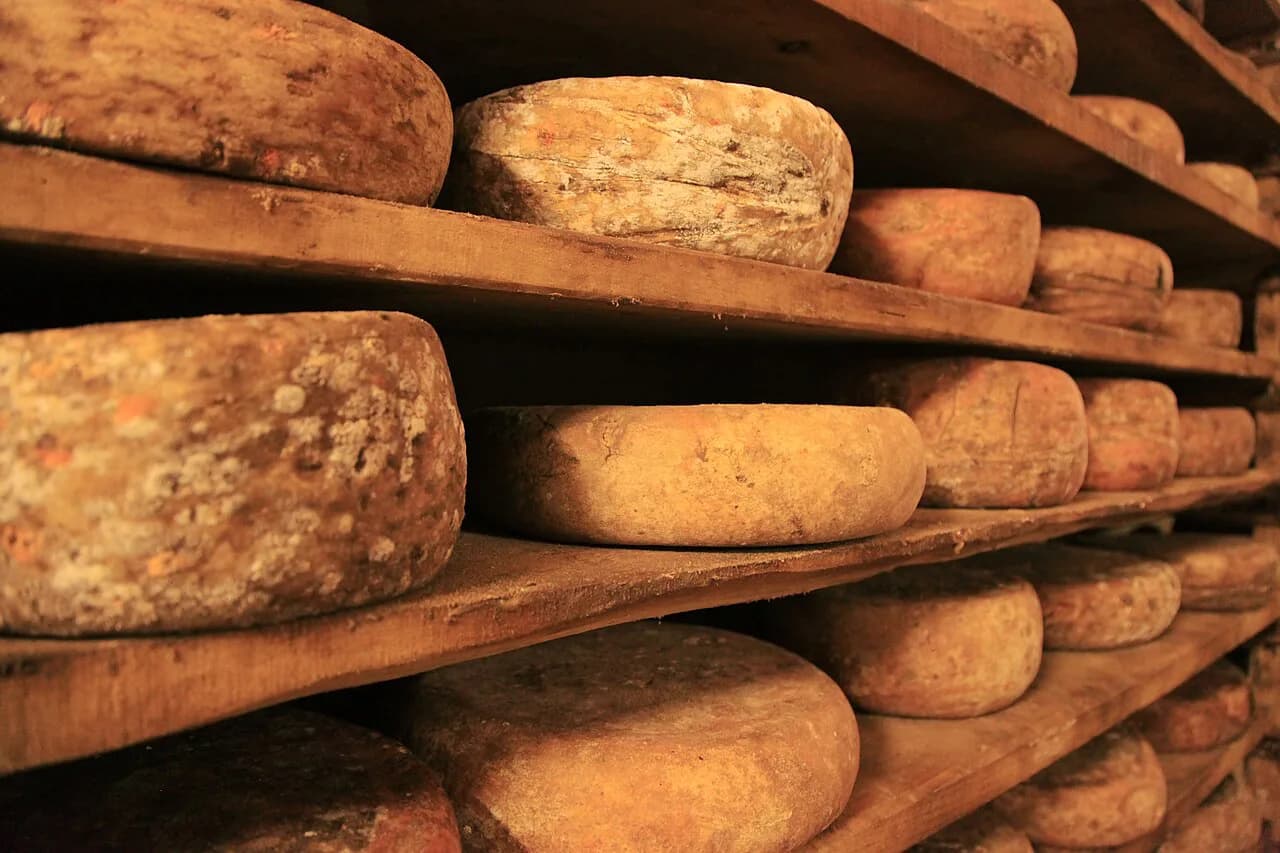
Cheese is the souvenir that most often disappoints. A wedge of grana or a piece of Parmigiano is heavy, smells once it warms, and needs refrigeration you will not have on a sightseeing day. If you want a cheese souvenir anyway, buy it vacuum-sealed at the end of the trip, keep it in the coolest part of your bag, and accept that it is a gift to eat within days of getting home.
Smaller formats work better: individually portioned cured meats and snack-sized cheese portions from a supermarket deli counter are designed for picnics and lunch on the go. A pizzicheria, the Italian deli that sells cured meats and cheese by weight, will slice to order but expect a queue at lunchtime.
Supermarket snacks worth buying for the journey
Italian supermarkets are a genuine souvenir stop, not a compromise. The largest ipermercati and supermercati stock the widest range, with Coop and Conad among the chains you will see most often in city centres. Breakfast biscuits are the classic buy: Pan di Stelle and Mulino Bianco are the names to look for, eaten four or five at a time with coffee in the morning rather than as a dessert.
For a train or a flight, pick individually wrapped things: brioche, plumcake (a soft, plain tea cake despite the name), crackers, nuts and dried fruit. These are the items that survive a rucksack and do not need a spoon or a fridge. Whole-milk yogurt, labelled intero, is excellent but a poor travel buy unless you are eating it immediately.
From the deli counter, a tramezzino is a soft white-bread sandwich that makes a decent station lunch, and a slice of pizzette or schiacciata from the bakery section is the Italian answer to a quick bite. For more on the bread-and-counter culture behind these, our guide to Italian food culture covers how everyday eating works.
What to skip
Skip anything you can easily buy at home for a similar price, especially olive oil, balsamic vinegar and dried pasta that Italian producers export widely and that specialist food shops in the UK and US stock. If you do want oil or vinegar, buy it from a producer you have visited and treat it as a gift rather than a bulk purchase.
Also resist fragile ceramics, glass and anything that needs protecting from the rest of your bag. A wrapped jar of sauce or a glass bottle of limoncello looks appealing until it leaks over your clothes. Buy food you can eat or drink, and leave the ornament for another trip.
Where to shop: the Italian shop types
Knowing the words for shop types gets you to the right counter faster. An alimentari is a small family-run grocery, a pasticceria is a pastry shop, a torrefazione is a coffee roaster, an enoteca is a wine shop, and a pizzicheria is a deli selling cured meats and cheese by weight. Not every supermarket snack appears in a small alimentari, which tends to carry artisan versions alongside the staples.
Open-air markets and department store food halls are the other two reliable stops. Peck on Via Spadari in Milan is a gourmet deli and small grocery with a reputation as a place to find canned goods, chocolate and prepared food, while La Rinascente's top floor covers high-end food gifting in one place. If you plan to sit down for lunch between shops, our guide to Italian restaurant types explains what to expect from a trattoria, osteria or pizzeria.
How to pack food souvenirs
Weigh your bag before you buy, not after: coffee, rice and chocolate are dense, and a few thoughtful purchases can tip you over an airline allowance. Check your airline's cabin and hold limits in advance and leave a little slack for gifts you pick up at the airport. Anything liquid, such as a bottle of olive oil or vinegar, belongs in checked baggage wrapped in clothing and sealed in a bag.
Declare food and drink when you are asked to; customs rules differ by country and it is not worth guessing. Keep receipts for anything valuable and pack chocolate and cakes in your hand luggage if you are travelling in summer. In Italy, paying at the counter first is normal in cafés and bars, so settle up before you queue for the train, and note that tipping in Italy rarely means leaving a percentage on the table.
Which souvenirs go in the case?
Build your haul around coffee, risotto rice, a panettone and a bar or two of chocolate, then top it up with supermarket biscuits and brioche for the journey. Leave cheese, oil and anything glass for a trip when you have hold luggage and a cool bag. If your purchases are for eating rather than gifting, spend the money on a good meal instead: our guide to coperto explains the cover charge you will see on the bill.
Explore more Italy food guides
Sources
Notes for your next meal in Italy
Optional updates to our food guides.
You might also like

Continue reading
More guides you'll find useful