Gluten-Free Food in Italy: How to Eat Well and Safely
Gluten-free food in Italy is easier than you expect: learn the safe dishes, the phrases to use, the AIC app and where to find dedicated bakeries and restaurants.
On this page
Gluten-free food in Italy is genuinely easy, and that is the short answer. Coeliac disease is widely understood, restaurant staff routinely handle it, and there are dedicated gluten-free bakeries and shops in cities across the country. This guide covers the phrases that do the work, the accreditation scheme behind the AIC app, the dishes you can order without much discussion, and the ones a kitchen has to adapt for you.
The practical point is that most Italian menus are built on ingredients rather than thickeners, so a plate of grilled fish, a bowl of beans or a plate of cured meat needs no special version. The work goes into the dishes that carry wheat by design: bread, pizza, fresh pasta, breaded cutlets and anything dropped into a shared fryer. Split your ordering along that line and the trip stops feeling like a negotiation.
Why Italy is one of the easiest countries for coeliac travellers
Awareness here runs deeper than tourist convenience. Italian children are screened for coeliac disease once symptoms appear, and roughly one per cent of Italians are coeliac, so a restaurant in a small town is likely to have dealt with the request many times before you arrive.
The result is a restaurant culture where gluten-free pasta is treated as an ordinary request rather than an exception. One Rome server, seeing a note on a booking, had a separate pot of water boiling before the table ordered, which is the standard you can reasonably hope for in an Italian food culture that takes the disease seriously.
That confidence should not turn into carelessness. Kitchens that also bake and fry with wheat still need to hear the request clearly, and a shared fryer or a floured worktop is where problems start. Say it at the start of the meal, not when the plate arrives.
The Italian phrases that do the work: senza glutine, sono celiaca, sono celiaco
Senza glutine (without gluten) is the phrase you will use most, pronounced sen-zah glue-tin-eh, and it is what you point at on a menu or say to a server. The other essential is the sentence that frames the whole request: sono celiaca if you are a woman, sono celiaco if you are a man, both meaning I am coeliac.
What does senza glutine mean? Senza glutine means gluten free in Italian, and it is the phrase to use on a menu or with a server. Pair it with sono celiaca or sono celiaco, meaning I am coeliac, so the kitchen understands this is a medical requirement rather than a preference.
Do I need to speak Italian to eat gluten-free in Italy? No, but a few phrases help, and English is widely spoken in the big cities. A written Italian card explaining cross-contamination is a practical backup, and you hand it to staff before ordering rather than after the food arrives.
Is the AIC app free? The AIC app is sold to tourists rather than given away, and it lists hundreds of accredited restaurants that have demonstrated procedures to prevent cross-contamination. Many travellers treat it as the one paid tool worth buying before a gluten-free trip to Italy.
English is widely spoken in the big cities, but the Italian sentence matters more than it looks. It signals a medical requirement rather than a preference, which changes how the kitchen responds. If you would rather not rely on pronunciation, carry a written card in Italian that explains cross-contamination, and hand it over before ordering.
Italian food words on a menu do a lot of quiet work here, and learning a dozen of them makes ordering faster. Grilled, boiled, roasted and cured dishes are usually plain; anything described as impanato (breaded), fritto (fried) or in a pastry shell is where the wheat lives.
The AIC and what accredited restaurants and the AIC app give you
The Associazione Italiana Celiachia (AIC) is the Italian coeliac society, and its accreditation is the practical backbone of a gluten-free trip. Accredited restaurants have shown strict procedures to prevent cross-contamination before they can join the list, which is a different promise from a menu that simply prints a gluten-free symbol.
Tourists can buy the AIC app, which lists hundreds of accredited restaurants plus accredited hotels and fully gluten-free bed and breakfasts. Treat it as the reference you check before choosing a neighbourhood for dinner, rather than something you open at the table.
Accreditation is not the only route. Plenty of ordinary trattorias with no certification handle gluten-free pasta properly, and many dedicated gluten-free bakeries and restaurants exist outside the scheme. Use the app where you want certainty, and your own conversation where you want a particular restaurant.
Naturally gluten-free Italian dishes to order with confidence
Italian cooking leans on ingredients that never contained wheat. Grilled fish and meat, stewed beans, vegetable sides, cured meats and most cheese plates are safe as served, and Roman cooking in particular is rich in seasonal vegetable dishes and protein-led secondi that need no adaptation.
Understanding the structure of a menu helps you build a meal without leaning on pasta. The primo piatto (first course, usually pasta or soup) is the wheat-heavy slot; the secondo piatto (second course, usually meat or fish) with a contorno (side dish) of greens or beans is where naturally gluten-free eating gets easy.
Some classics are naturally safe and worth seeking out: baccalà baked with tomato and potatoes, frittata in tomato sauce, and wood-roasted veal. At Piatto Romano in Rome, the kitchen turns foraged greens into a deep-green side perfumed with olive oil, garlic and chilli, which is the kind of plate that needs no substitution at all.
Where you eat matters as much as what you order. A short, seasonal menu is easier for a kitchen to talk through honestly than a long printed list, so ask direct questions about how a dish is made and take the answer at face value.
Dishes to treat with care: pizza, fresh pasta, fried food and breaded cutlets
Pizza, fresh pasta, breaded cutlets and anything from a shared fryer are the four places to slow down. A wood oven dusted with flour, a pot of boiling water used for everyone's spaghetti and a fryer basket shared with breaded food are all cross-contamination points, and a gluten-free menu symbol does not tell you which of them applies.
Fried artichokes are a good example of a dish that is often wheat-free in theory but risky in practice. Carciofi alla giudia, Rome's twice-fried artichokes, cannot be prepared without gluten in the way the classic recipe is made, which is why some coeliac diners skip them and eat artichokes in other forms instead.
Fresh pasta is the dish most often wrongly assumed to be adaptable. Dried shapes are easier for a kitchen to swap because a gluten-free version cooks in its own pot; stuffed and hand-rolled pasta usually cannot be converted without a dedicated preparation area, so ask rather than assume.
How restaurants handle gluten-free pasta and cross-contamination
Rome's four canonical pasta dishes are a useful test case, because cacio e pepe, amatriciana, carbonara and gricia are typically made with dried shapes rather than fresh. Many restaurants can therefore serve them with a good gluten-free pasta, though not all do.
At Trattoria da Cesare al Casaletto, any pasta dish can be made with gluten-free mezze maniche, a short ridged tube about half the size of rigatoni, and the kitchen also serves gluten-free supplì, the Roman fried rice balls with a molten mozzarella centre. The server confirmed the supplì are fried separately from other food, which is exactly the detail to ask about.
Other trattorias work the same way without making a feature of it. Armando al Pantheon, a busy trattoria in the historic centre, served a gluten-free table through a menu of seasonal Roman cooking, from frittata in tomato sauce to spring lamb, without anyone being handed a separate, lesser meal.
A kitchen that can make a whole menu work without wheat removes the guesswork. Ristoro degli Angeli in Rome is singled out for its gricia, alongside the dedicated gluten-free bakeries and restaurants scattered across the country that need no conversation about shared equipment.
Dedicated gluten-free bakeries, shops and restaurants
Dedicated gluten-free bakeries and shops are scattered across the country, and they are worth building a morning around. Perugia has a fully gluten-free shop with an unusually wide range of fresh gluten-free pasta, the sort of place where you buy more than you planned and eat lunch from the bag.
City guides are the fastest way to find dedicated bakeries and restaurants before you travel. Coeliac-friendly city and regional guides cover Rome, Florence, Naples, Turin, Venice, Siena, Lucca, Perugia, Sorrento, the Amalfi Coast, the Cinque Terre, Sardinia, Puglia, Tuscany and Umbria, which covers most of the classic itineraries.
A gluten-free bakery changes what a breakfast looks like. Instead of a bar counter negotiation over a cornetto, you buy a warm gluten-free pastry and a coffee, and the meal stops being a compromise.
Ordering gluten-free at a café, bar or gelateria
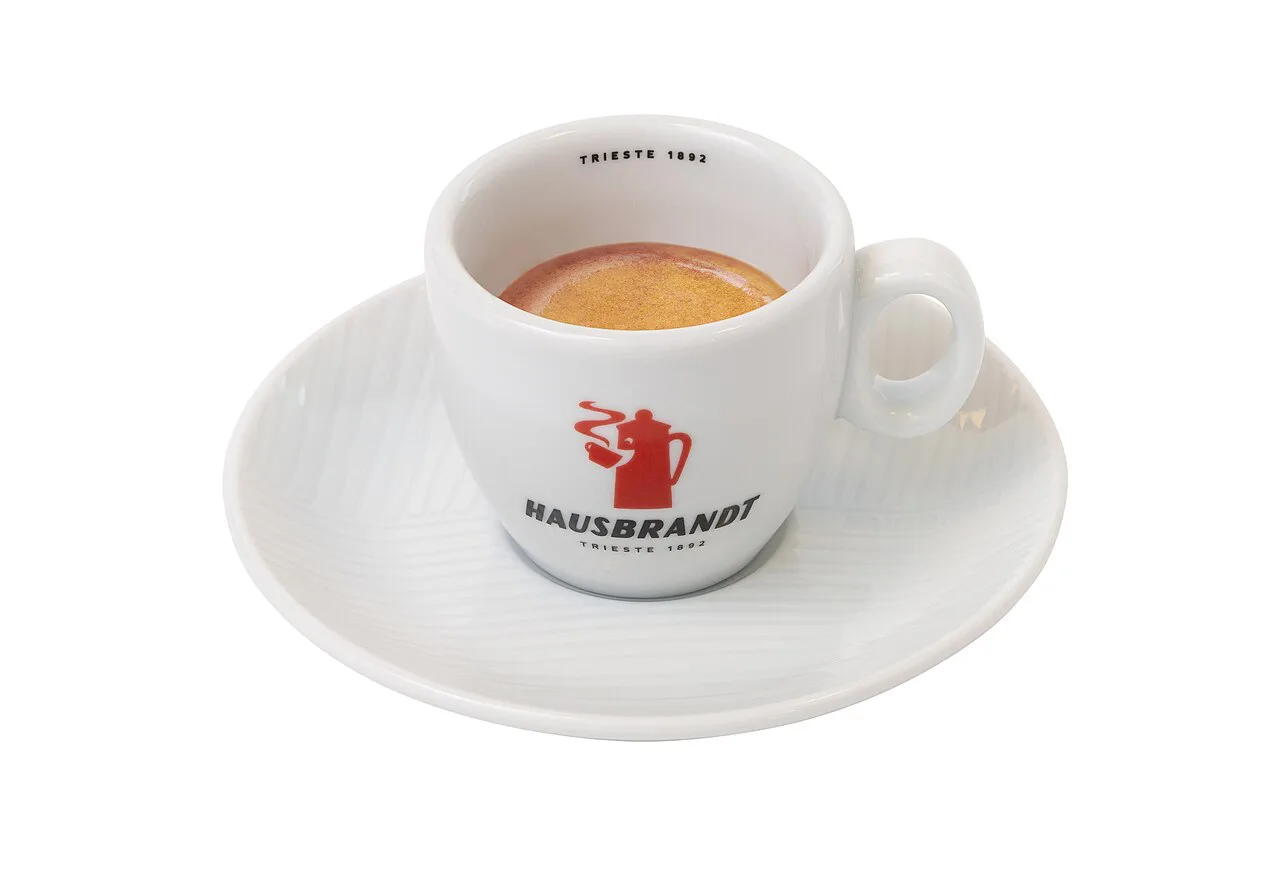
At a café or bar, the risk sits in the pastry case rather than the coffee. Biscuits, croissants and filled pastries share tongs, trays and crumbs, so ask for anything pre-wrapped or choose something that never contained wheat, such as a coffee taken on its own.
Gelato is the easy win. The main wheat risk is cones and crumbled biscuit toppings, so order a cup and skip the cone if you want to keep it simple. Sorbets and cream-based flavours are usually free of wheat, but ask the gelateria staff about a specific flavour.
Coffee and aperitivo carry their own small risks: some syrups, biscuit garnishes and savoury bar snacks contain wheat. Drinking is a modest pleasure in Italy, and a spritz or a glass of wine with a plate of gluten-free snacks is an ordinary evening rather than a special arrangement; the practical step is to ask what comes with the drink.
Eating gluten-free on a self-catering trip: supermarkets and shops
Self-catering in Italy is well supplied. Supermarkets stock a broad gluten-free range, and the big chains to look for include Conad, Coop, Pam, Carrefour, Auchan and Iper, all of which carry dedicated gluten-free pasta, bread and biscuits.
Buying in a supermarket is generally cheaper than buying in a specialist shop, which makes it the sensible base for a week's breakfasts and picnic lunches. Use the AIC app to find fully gluten-free shops and bakeries near where you are staying, then top up from the supermarket for everyday items.
An agriturismo stay can work well here, because a farmhouse kitchen with its own fridge and a short, ingredient-led menu is easier to navigate than a restaurant that does everything. Mention the requirement when you book rather than on arrival, and ask what breakfast involves.
A day of gluten-free eating in Rome, from supplì to gelato
Start with coffee and a gluten-free pastry from a dedicated bakery rather than a bar counter, then walk to the Pantheon for lunch at Armando al Pantheon, where the seasonal Roman menu carries plenty that is naturally safe. Order the frittata in tomato sauce or the lamb rather than leading with pasta.
For an afternoon snack, a gluten-free supplì fried in its own oil is the Roman street-food moment worth hunting down, and Trattoria da Cesare al Casaletto serves one alongside pasta made with gluten-free mezze maniche. Book ahead for dinner, because these places fill with Romans as well as visitors.
Finish with gelato in a cup rather than a cone. If you are moving on to another city, the best coeliac strategy is to check the dedicated restaurants and bakeries before you arrive, so that the first meal in a new place is not the one where you are still working out the ground rules.
Reading the bill after a gluten-free meal
Italian bills sometimes include a coperto, a per-person cover charge for bread and service, which you will see on the bill rather than on the menu. Gluten-free diners should not expect the bread basket to be safe, and it is fine to wave it away and say senza glutine when it arrives.
Tipping in Italy is not the American-style obligation it is elsewhere; rounding up or leaving a few euros is the usual gesture in a trattoria. Paying by card is standard in cities, though small family places may prefer cash, and the amount on the bill is what you settle.
Where to base yourself for an easy gluten-free trip
Rome is the strongest first stop, with dedicated restaurants, gluten-free versions of the canonical pasta dishes and a kitchen culture that treats the request as routine. Florence, Naples, Turin, Venice and the smaller cities with coeliac-friendly guides are all workable for a second trip. If a Tuscan itinerary is on your list, the Lucca guide is a useful next step for planning where to eat.
Before you fly, buy the AIC app, save the phrase sono celiaca or sono celiaco to your phone, and note two or three accredited or dedicated places near where you are staying. That short preparation is what turns Italy from a country you worry about into the easiest place in Europe to eat well without gluten.
Explore more Italy food guides
Frequently Asked Questions
What does senza glutine mean?
Senza glutine means gluten free in Italian, and it is the phrase to use on a menu or with a server. Pair it with sono celiaca or sono celiaco, meaning I am coeliac, so the kitchen understands this is a medical requirement rather than a preference.
Do I need to speak Italian to eat gluten-free in Italy?
No, but a few phrases help, and English is widely spoken in the big cities. A written Italian card explaining cross-contamination is a practical backup, and you hand it to staff before ordering rather than after the food arrives.
Is the AIC app free?
The AIC app is sold to tourists rather than given away, and it lists hundreds of accredited restaurants that have demonstrated procedures to prevent cross-contamination. Many travellers treat it as the one paid tool worth buying before a gluten-free trip to Italy.
Are Italian supermarkets good for gluten-free food?
Yes. Large chains such as Conad, Coop, Pam, Carrefour, Auchan and Iper stock dedicated gluten-free pasta, bread and biscuits, and supermarket buying is generally cheaper than specialist shops for everyday items on a self-catering trip.
Sources
Notes for your next meal in Italy
Optional updates to our food guides.
You might also like
Continue reading
More guides you'll find useful