Tipping in Italy: What to Leave, When, and What to Skip
Tipping in Italy is small and optional: round up the bill or leave a few euros in cash, and check whether servizio or coperto is already on the bill.
On this page
Tipping in Italy is modest and optional. The usual gesture is rounding up the bill or leaving a few euros in cash for service that genuinely pleased you, not a fixed percentage added as a matter of course. This guide walks through what that looks like at a restaurant table, at a café counter, in a taxi, on a guided walk and in a hotel, and when the bill already includes something that works like a tip.
The practical difference for visitors from the UK, Ireland and the US is the percentage habit. Italian staff are not dependent on gratuities in the way American servers are, so a 20% addition reads as unusual rather than generous. Think in coins and small notes: a euro or two per person, or a bill rounded to the next five or ten.
What tipping in Italy actually means
In Italy a tip is a sign of appreciation rather than part of anyone's pay packet. Service jobs come with benefits such as paid leave and healthcare contributions, which is why the culture never developed the American expectation of a percentage on every bill. Treat the tip as a small, voluntary extra and you will be reading the room correctly.
The trickiest part of the Italian bill is working out what is food, what is a charge and what is already a gratuity. Get that straight and you will recognise when nothing further is needed, and you will know what the coperto on the menu is doing there.

How much to leave at a restaurant
At a sit-down meal, the local habit is to round up: a bill of €67 becomes €70, or you leave a few euros per person on the table. If service was attentive and you want to say so, up to about 10% is a generous ceiling rather than a starting point. Average service warrants nothing at all, and that is not rude.
What tipping in Italy actually means: In Italy a tip is a sign of appreciation rather than part of anyone's pay packet.
How much to leave at a restaurant: At a sit-down meal, the local habit is to round up: a bill of €67 becomes €70, or you leave a few euros per person on the table.
Coperto and servizio: when the tip is already covered: Two charges confuse visitors, and neither is a tip in the ordinary sense.
A straightforward rule for a typical trattoria is roughly one euro per diner, or simply letting the waiter keep the change from a note. Neither is compulsory. What matters more is that the amount stays proportionate to the meal, so a large percentage on a long lunch looks like a misunderstanding of the local custom.
Length of meal does not change the logic. A three-course lunch with a primo piatto and a secondo piatto is still rounded up the same way as a quick plate of pasta, and the tip follows the quality of service rather than the size of the bill.
Coperto and servizio: when the tip is already covered
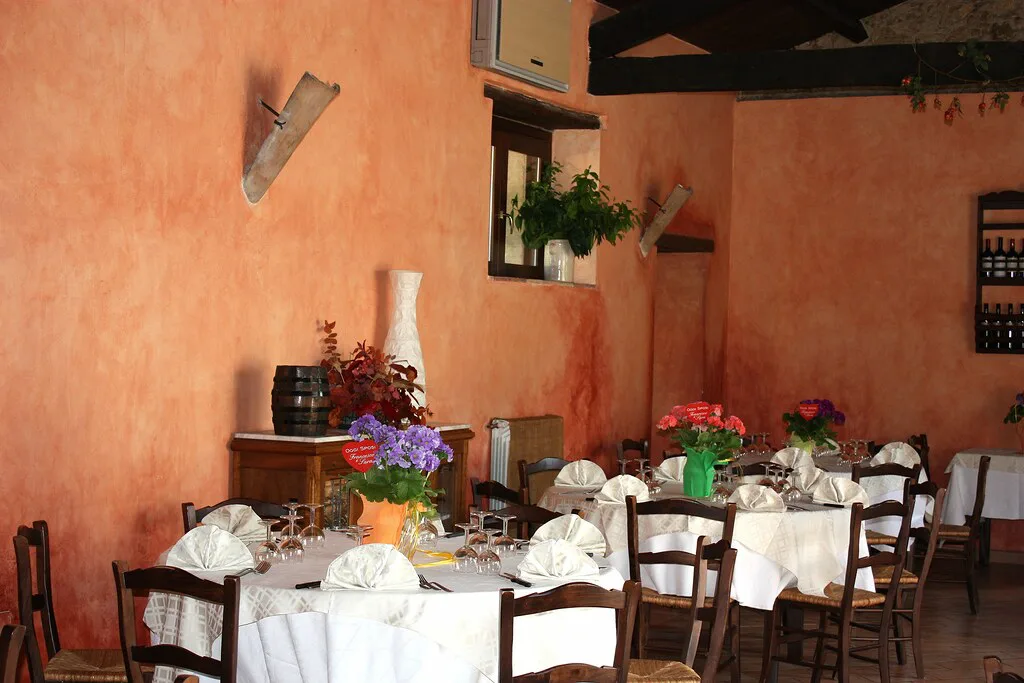
Two charges confuse visitors, and neither is a tip in the ordinary sense. The coperto is a per-person cover charge for bread, linen and table setting, typically a couple of euros, and it goes to the restaurant rather than to the staff. The servizio is a service charge, usually a percentage, and where it appears it functions as the gratuity, so you need not add more.
Both must be printed on the menu before you sit down and itemised on the bill, which means you can check them while you are deciding whether to stay. They are not discretionary and cannot be removed by asking. Coperto: what the cover charge on your Italian restaurant bill means walks through how the cover charge works in different kinds of restaurant, from a neighbourhood osteria to a smarter dining room.
Some restaurants replace the coperto with a small bread charge listed as pane. If you see pane on the bill, you are paying for the basket rather than for a cover, and the same logic applies: it is a charge, not a tip, so it does not oblige you to leave anything extra.
Cash or card
Tips are a cash habit. Card terminals in Italy frequently run straight to payment with no gratuity screen, so there is simply no moment to add anything, and staff often prefer notes in hand anyway. Carry a few €1 and €2 coins and a couple of €5 notes and you will never be caught short.
The order of events matters. Pay the bill first, whether by card or cash, then leave the notes on the table as you go, or hand them to the person who served you. Handing over a large note and asking for change back as a tip is awkward for everyone; small denominations avoid the conversation entirely.
Cafés, bars and gelato
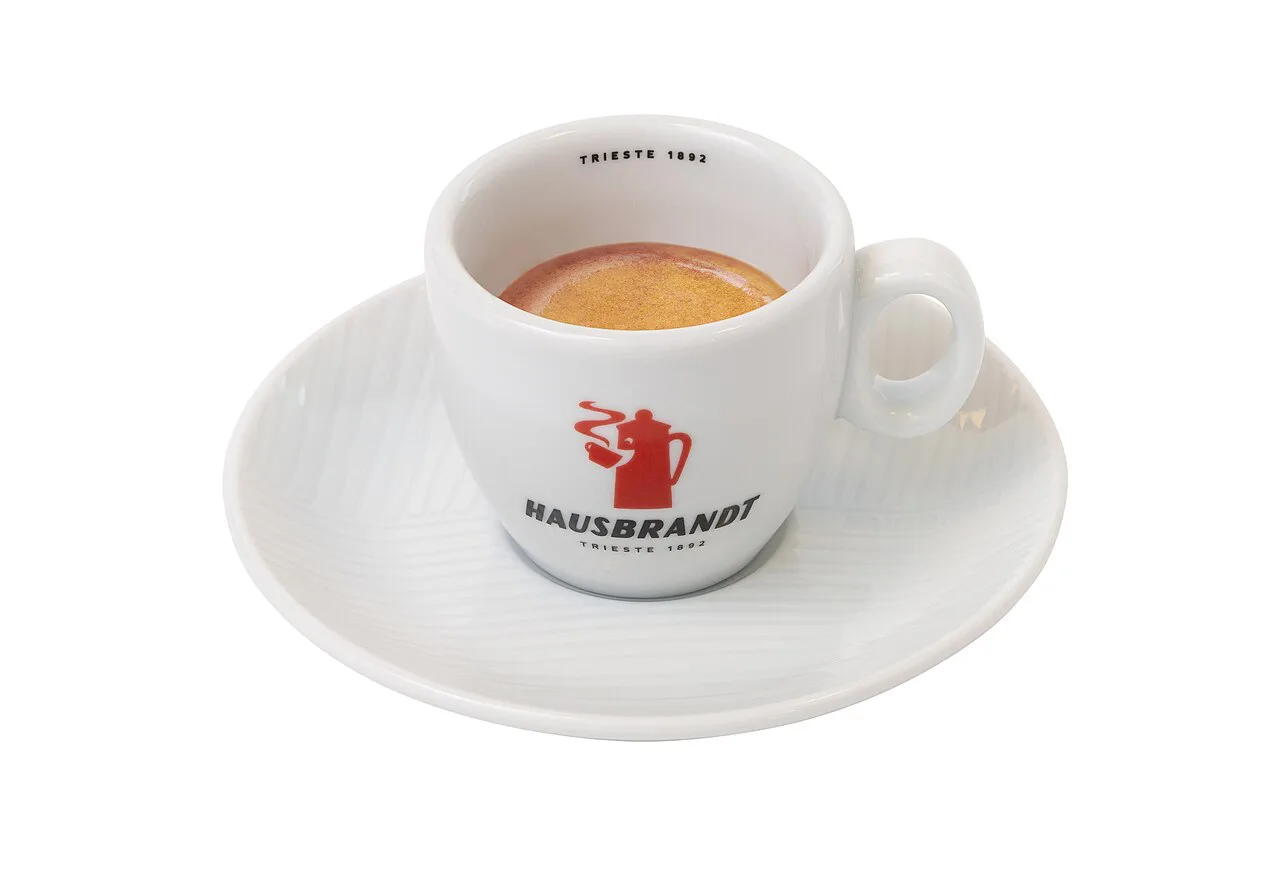
At a café counter there is no tip to speak of. You order, pay at the till, then hand the receipt to the barista, and prompt service is often acknowledged with the small change already in your pocket. A coin is plenty; a percentage is not expected for an espresso.
Sitting down changes the price rather than the tipping question. A table outside on a piazza can carry a higher menu price than standing at the bar, and where a servizio or higher seated price applies that is the charge for service, not a cue to add a gratuity on top. The same goes for a slice of pizza al taglio eaten on the street: pay, say grazie, and move on.
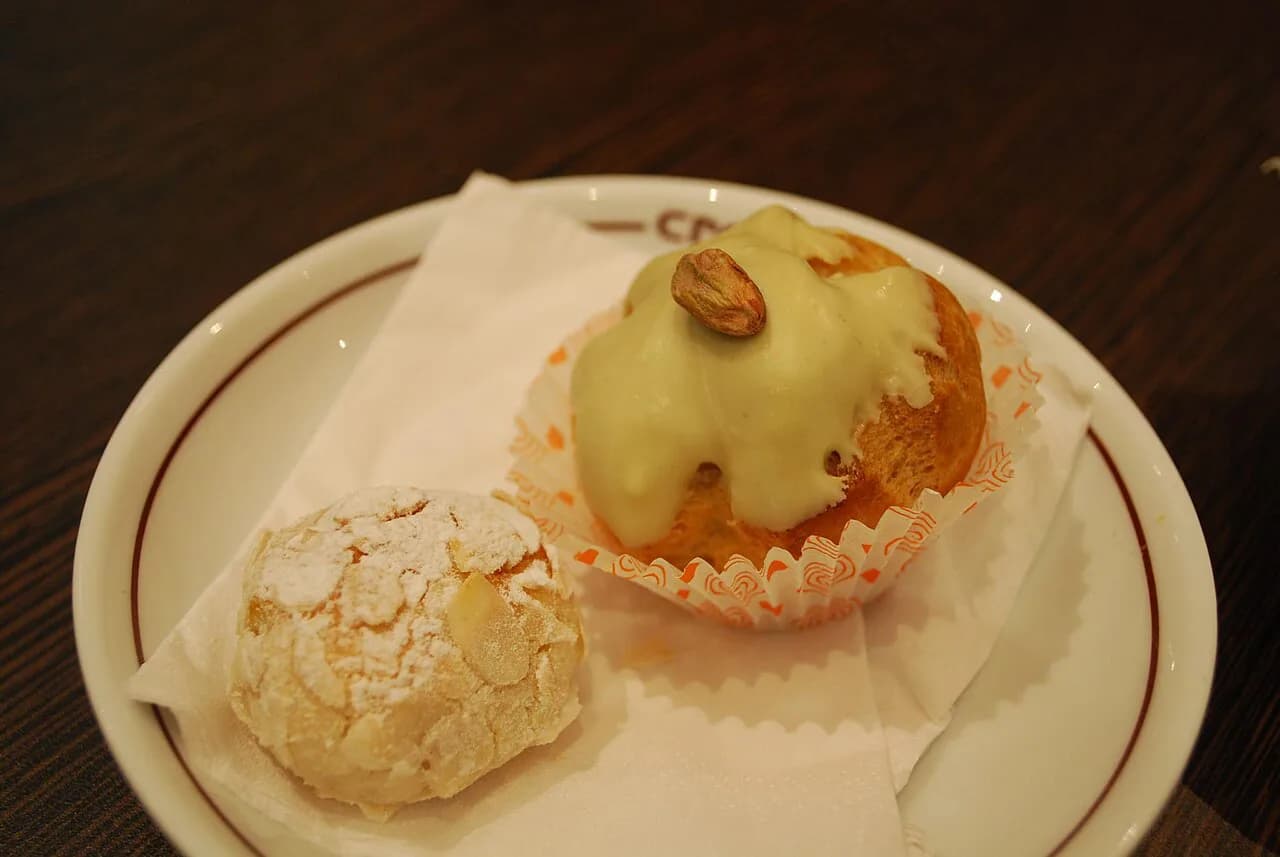
For gelato, a pastry or a quick aperitivo, a simple thank-you is the normal close to the transaction. Leaving coins for a €2 cone is not offensive, just unnecessary, and it can make the person behind the counter feel you have misread the exchange.
Taxis and transfers
Taxi drivers do not expect a tip, and there is no convention of adding 10% to the meter. Rounding up to the next euro or to a convenient note is the usual gesture, and many locals pay by card and leave nothing extra. If the driver helps with heavy cases, a euro or two is a friendly acknowledgement.
Tour guides and drivers
Guided visits are the one area where a tip is clearly normal. For a good half-day tour, a €10 note per person is a sensible thank-you, and something more for a full day if the guiding was excellent. It stays optional: you are rewarding a job well done, not settling an invoice.
The same applies to a driver on a transfer or a day out, particularly where they have handled luggage, waited patiently or added something to the day. Cash again, handed over at the end. Tipping the owner of a small family business is less customary than tipping an employee, though nobody will be offended.
Hotels: porters, room service and housekeeping
Hotels are modest territory. A euro or two for a porter who carries bags to the room, the same for room service, and around €1 per day for housekeeping left at the end of the stay is a reasonable pattern. None of it is required, and many Italian guests leave nothing.
Leave housekeeping money in cash, ideally with a short note so it is clearly not forgotten change on the bedside table. If you would rather keep it simple, a single note at the end of a longer stay works just as well as daily coins.
When not to tip
Skip the tip when service was indifferent, when you ordered at a counter, or when the purchase was small. A ten-cent coin left on a table reads as a token rather than a thank-you, so if the change is that small it is better kept in your pocket. A clear grazie does the job.
Nor is there an obligation to tip for spa treatments or a haircut. If you were genuinely pleased with a cut or a colour, roughly €5 is a generous gesture, but the norm among Italian clients is simply to pay and leave.
Book well ahead for dinner and the tipping question largely disappears from your evening. When do Italians eat dinner is worth knowing before you choose a slot, since a table at the local hour tends to come with calmer service and no rush.
If someone asks you for a tip
In the most heavily visited parts of Italy, being asked directly for a tip has become more common, and it can feel awkward when it happens at the end of a meal or a ride. You are free to decline. A polite non, grazie, delivered with a smile, closes the matter.
If a request arrives at a counter where you have already paid, point to the receipt and leave it there. The charge on the bill is the charge; anything else is your choice, and choosing nothing is entirely within the local custom.
The short version for your next bill
Read the bill before you reach for your wallet. If servizio appears, the gratuity is already there; if a coperto or pane charge is listed, that is a cover or bread charge and no tip is owed on top. Where neither appears, round up or leave a euro or two per person in cash and you will be doing what locals do.
Keep a few small notes in your pocket for guides, porters and the occasional excellent dinner, and leave the percentage calculator at home. Italian food culture runs on goodwill rather than gratuity arithmetic, and a genuine thank-you carries further than an oversized note.
Explore more Italy food guides
Sources
Notes for your next meal in Italy
Optional updates to our food guides.
You might also like

Continue reading
More guides you'll find useful