Coperto: Italy's Restaurant Cover Charge Explained
Coperto is the flat per-person charge on an Italian restaurant bill for bread, cutlery and table service. Here is what it pays for and when you pay it.
On this page
Coperto is a fixed charge per person for sitting down at a table in an Italian restaurant, printed on the menu and added to every diner's bill whether or not they eat the bread. It usually runs to a euro or two per person in an ordinary trattoria and rather more in smarter places or on a famous piazza. This guide unpacks what the charge covers, how it differs from servizio and from a tip, and the one Italian region where bread is billed in its place.
The line confuses visitors because it looks like a mistake, but it is an ordinary, legal entry that most kitchens itemise on the menu. Reading it correctly takes thirty seconds and saves a needless argument at the till.
What coperto means on an Italian bill
On the bill, coperto is a cover charge: a set amount multiplied by the number of people at the table, not by the number of dishes ordered. It is not a percentage and does not change with the size of the meal, so a table of four pays four times the figure printed on the menu.
The word literally means "covered", and the charge is the price of your place at the table: the cloth, the setting, the washing-up and the bread that arrives unasked. Treat it as part of the cost of eating in, and the final bill stops being a surprise. For how courses are structured and billed, the guide to Italian food culture is a useful companion.
What the coperto pays for: bread, cutlery, napkins and table service
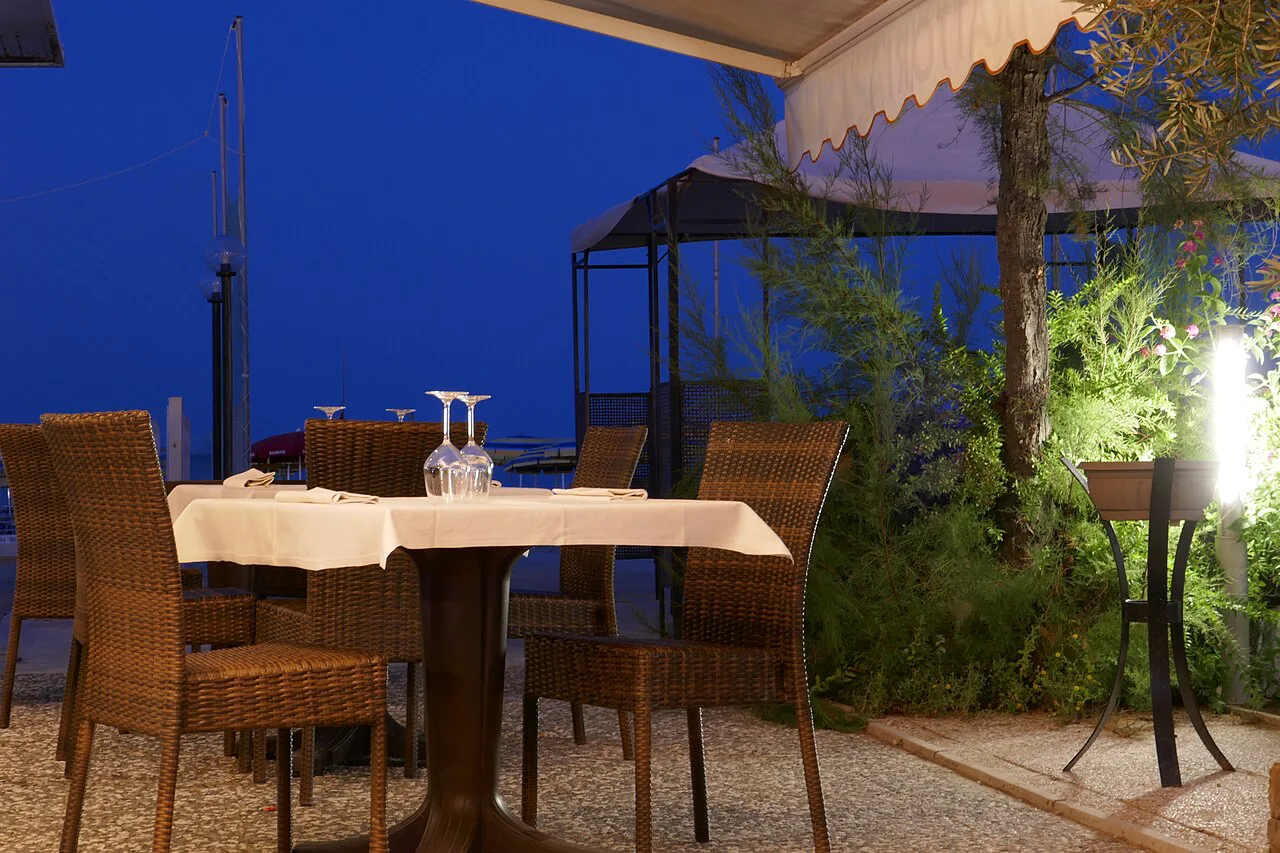
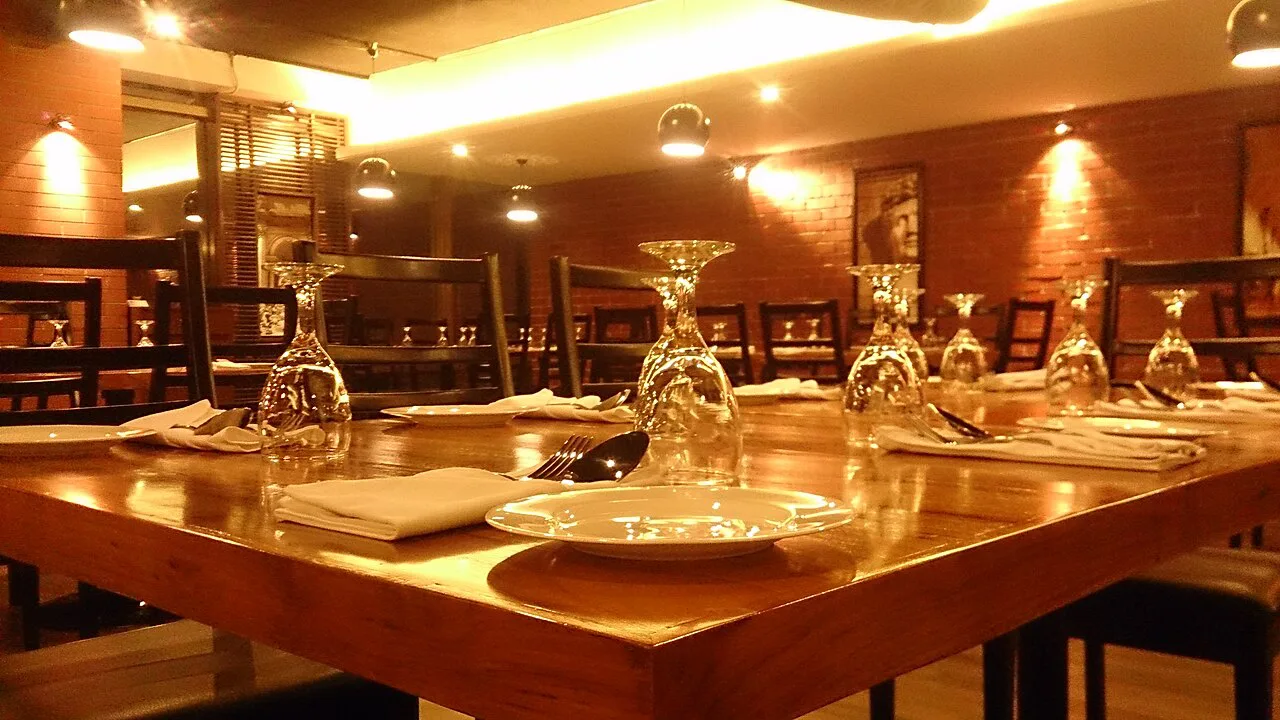
The charge bundles what appears on your table without being ordered: the tablecloth and napkins, cutlery, plates and glasses, and the basket of bread. Some menus name it pane e coperto, bread and cover, which tells you plainly that the bread is part of what you pay for.
Do you have to pay coperto in Italy? Yes, where it is printed on the menu you are expected to pay it, and it is a legal entry on the bill. It is charged per person rather than per table and goes to the restaurant, not the waiter.
Is coperto a tip? No. The coperto is a fixed charge for the setting, linen, cutlery and bread, and it goes to the restaurant.
What is the difference between coperto and servizio? Coperto is a flat per-person charge for the table setting and bread. Servizio is a percentage service charge, common with larger groups and sometimes applied to every bill, and it already covers the tip.
The bread itself varies by region and kitchen. You might get thin grissini breadsticks, small crisp gallette, a basket of focaccia, or the saltless Tuscan loaf that puzzles first-timers until they taste it with salty cured meat. All of it is covered by the charge you agreed to when you sat down.
Why the charge exists: the medieval inn origin
The custom goes back to medieval inns, where travellers arriving with their own provisions paid a small fee for the use of the innkeeper's table, benches and dishes. They were buying the covered space, not the food, and the word stuck.
Today the charge smooths the cost of laundering linen, replacing breakages and putting bread on every table, which is why even humble osterie apply it. It is not a signal of quality: a simple family-run trattoria may charge a modest coperto and cook better than a grand dining room charging several times as much.
Coperto, pane e coperto and servizio: how the three differ
Keep three separate lines straight. Coperto is a flat per-person charge for the table setting and bread; servizio is a percentage service charge, common on larger groups and sometimes applied to every bill; a tip is money you choose to leave on top, and nobody is owed one.
Pane e coperto is simply a version of the cover charge that names the bread in the label, not a second charge. If you would rather not pay for bread you will not eat, say so when the basket arrives and it usually goes back to the kitchen.
Servizio is the line that catches people out, because it is already a tip in all but name. Where it appears, you have paid for service and can leave without adding more; where it does not, rounding up is a kindness rather than an obligation, as the full guide to tipping in Italy sets out.
Coperto and tipping: why the charge is not a tip
The coperto goes to the restaurant rather than the waiter who looked after you, and it lands in the till rather than a pocket. Waiting tables in Italy is a career with a wage attached, not a job topped up by customer generosity.
If you want to reward good service, leave a few coins or round up the total, and do it in cash on the table so it reaches the person serving you. Upmarket places sometimes expect a little more, but a percentage as a matter of course is not the custom.
When a coperto appears on the bill without being on the menu
The rule that matters is transparency: the coperto has to be printed on the menu, and that requirement is framed by article 18 of Regio Decreto 635/1940. If the figure is on the menu, you owe it, even if you barely touched the bread. If it appears only on the bill, you are within your rights to query it before paying.
Rome and Lazio: pane instead of coperto
Lazio, the region around Rome, is the great exception. A 2006 regional law, Law 21/2006, bans a separate cover charge there, and restaurants responded by billing pane, the bread, as a chargeable item instead. It is legal because you are paying for food you can decline, and a basket nobody ordered can be turned away.
Not every kitchen follows the spirit of the law, and some Rome addresses still add a coperto. If you see a cover charge where it was not on the menu, raise it politely with your server before paying.
Bar counters and standing coffee: when coperto does not apply
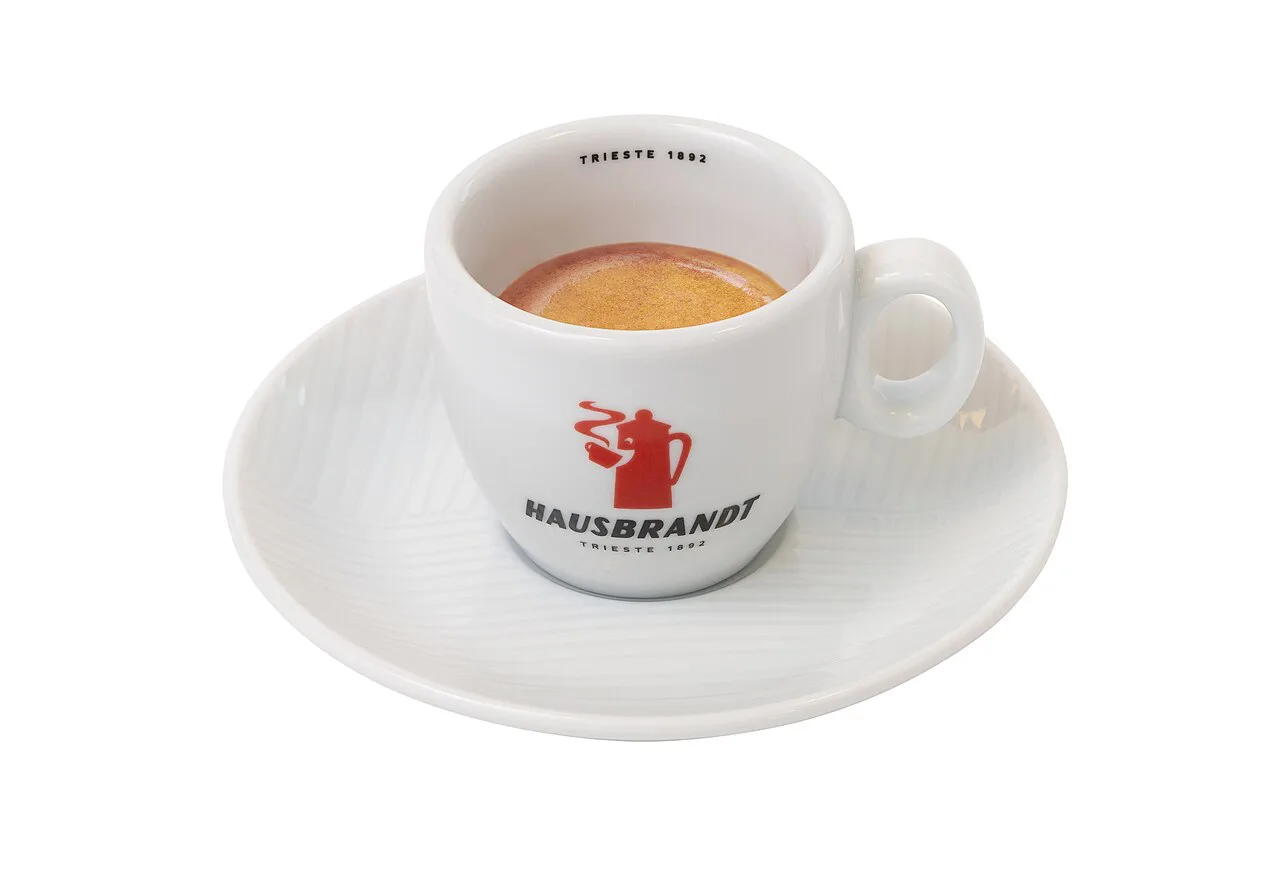
Order your espresso standing at the bar and the cover charge does not apply, which is why locals drink their coffee upright on the way to work. The same coffee taken at a table costs more, because the table and its setting are what the coperto pays for. Once you know the format, a slice of pizza al taglio or a panino at a counter is the simplest way to eat cheaply at lunch.
That logic is a handy way to think about meal choices in general. A counter lunch costs whatever is on the board, with no seating surcharge, whereas a table with courses served one after another and a cover charge printed at the foot of the menu rewards settling in.
Bottled water, still or sparkling, and what it adds to the bill
Water usually arrives in a bottle, either still (naturale) or sparkling (frizzante), and it is charged on top of the food. You can ask for tap water (acqua del rubinetto) if you would rather not pay for a bottle; some kitchens pour it, some will not. Ask before the bottle is opened rather than after it has been emptied.
A meal out in Italy holds few surprises once you know the three small lines: the bread or cover charge, the water, and the service percentage where it applies. Together they add a few euros rather than transforming the total. The guide to Italian restaurant types makes sense of each kind of address before you sit down.
How much coperto adds to a meal
In ordinary trattorias across most of Italy the coperto is typically a euro or two per person in 2026, and mid-range restaurants and pizzerias tend to sit around two euros. Smarter dining rooms and places on famous piazzas push higher, and some reach five euros or more per head. Tourist-heavy cities such as Rome, Florence and Venice sit at the upper end of that range.
On a budget, the arithmetic favours casual counters and simple osterie, where the charge is modest and the cooking often better for it. A family of four at a trattoria with a two-euro cover pays eight euros before the first plate lands, which is worth factoring into your daily spend. Use the menu, not a reputation, to predict it.
How to read your next bill without a fuss
The coperto is a flat per-person cover charge for the table and its bread, servizio is a service percentage that already counts as a tip, and anything else you leave is your own choice. Read the menu before ordering, keep the Rome pane rule in mind in Lazio, and stand at the bar if you only want a coffee.
Add the water, the cover and any service line together, budget for them alongside the food, and the bill at the end of a good Italian meal reads exactly as it should.
Explore more Italy food guides
Frequently Asked Questions
Do you have to pay coperto in Italy?
Yes, where it is printed on the menu you are expected to pay it, and it is a legal entry on the bill. It is charged per person rather than per table and goes to the restaurant, not the waiter. If a cover charge appears only on the bill and never on the menu, you can query it before paying.
Is coperto a tip?
No. The coperto is a fixed charge for the setting, linen, cutlery and bread, and it goes to the restaurant. A tip is separate, voluntary and left on the table in cash for good service. Where a servizio percentage is added, you have already tipped.
What is the difference between coperto and servizio?
Coperto is a flat per-person charge for the table setting and bread. Servizio is a percentage service charge, common with larger groups and sometimes applied to every bill, and it already covers the tip. The two can appear together, so read the menu before you order.
Why do restaurants in Rome charge for pane instead of coperto?
A 2006 Lazio regional law bans the separate cover charge in the region around Rome, so many restaurants bill pane, the bread, as a chargeable item instead. You are paying for food you can decline, and a basket you did not want can be sent back. Some places still add a coperto anyway.
Sources
Notes for your next meal in Italy
Optional updates to our food guides.
You might also like

Continue reading
More guides you'll find useful