Italian Sandwiches: Regional Types and What to Order
Italian sandwiches range from Turin's tramezzino to Florence's lampredotto and Naples' panuozzo. Learn the regional types, fillings and breads to order.
On this page
An Italian sandwich is usually a single regional speciality, not a build-your-own list: the city or province dictates the bread, the filling and even the way it is cut and soaked. Knowing a handful of these by name is the fastest way to order well, because a counter in Florence and a counter in Palermo are selling entirely different things under the same word, panino.
This guide groups the main types by region and city, explains the bread that carries each one, and covers the cured meats and cheeses that do most of the work when you assemble one yourself.
What makes an Italian sandwich an Italian sandwich
The defining feature is bread baked for the job and a filling that belongs to the place, rather than a fixed recipe. Roasting and stuffing bread is old practice in Italy, and the Roman street name Via Panisperna is said to come from panis ac perna, bread and ham, a snack of grape-must bread with ham and dried figs. The modern sandwich arrived later through England, but Italy absorbed it and pushed it back out as dozens of local forms, each tied to a city's market, bakery or tripe stall.
That makes provenance a practical cue rather than trivia: the bread tells you what you are eating. A soft white square means a tramezzino, a round roll soaked in broth points to lampredotto, and a piece of flatbread folded around a chickpea fritter can only be the Livornese 5 e 5.
The bread: ciabatta, focaccia, pancarrè and semellino rolls
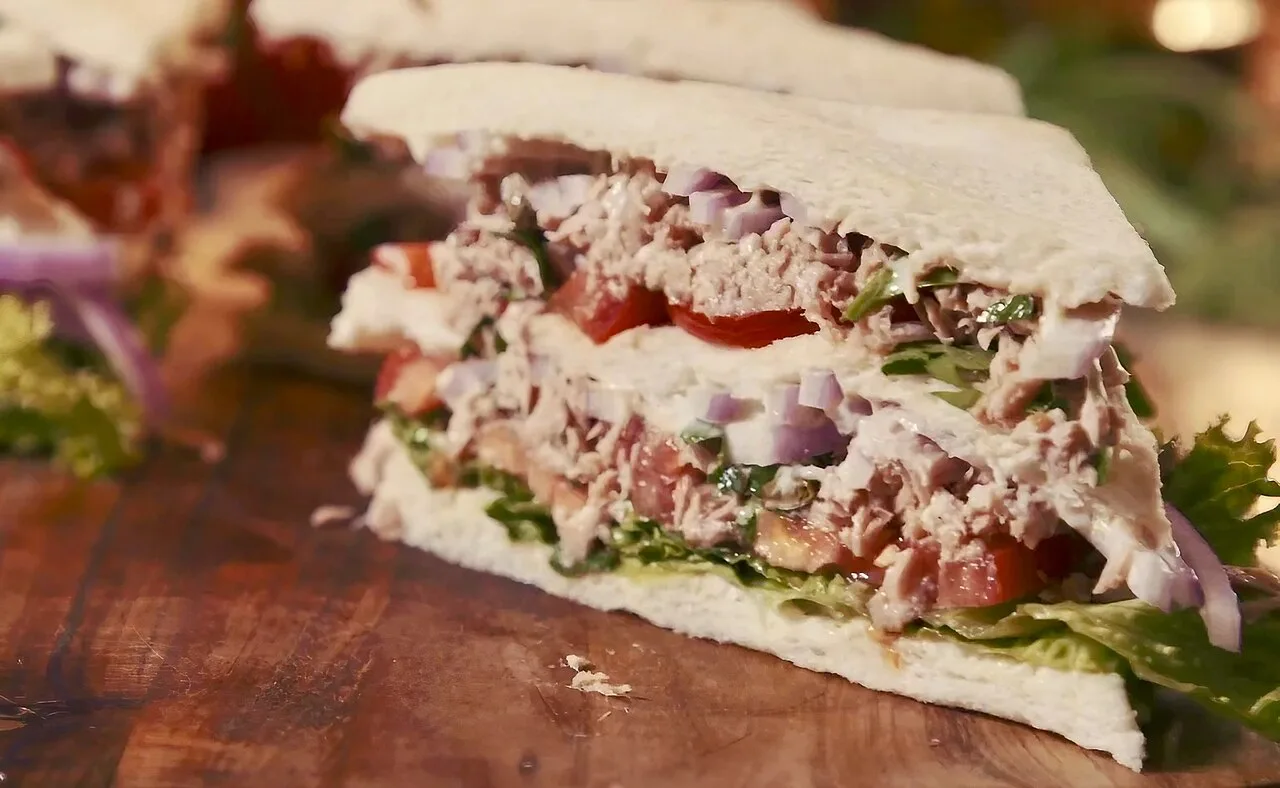
Bread choice is the first decision and the one that goes wrong most often. Ciabatta is sturdy enough to hold generous fillings and takes well to toasting, while focaccia gives a softer, oilier base that suits vegetable-led sandwiches. For a tramezzino the correct bread is pancarrè, a soft, moist sliced white loaf, and using anything crustier changes the sandwich entirely.
What usually goes on an Italian sandwich? It depends on the region. Prosciutto, coppa, salami, mortadella, mozzarella and provolone are common cured meats and cheeses, and vegetables such as marinated artichokes and roasted red peppers are typical additions.
What is the difference between a panino and a tramezzino? A panino is the general Italian word for a bread roll sandwich. A tramezzino is a specific type made with soft, moist sliced white bread called pancarrè, cut into crustless triangles and filled lightly, and it is associated with Turin.
Which bread should I use for a home-made Italian sandwich? Ciabatta holds generous fillings and toasts well, while focaccia gives a softer, oilier base that suits vegetables. For a tramezzino, use soft sliced white bread; for porchetta, a simple split roll is the usual choice.
Two breads are tied to specific fillings. Florence's lampredotto is traditionally served in a semellino, a round roll that has become harder to find, and the Livornese 5 e 5 uses flatbread to sandwich a chickpea fritter. If you are buying bread to make sandwiches at home, plain focaccia and ciabatta rolls cover most of the fillings below.
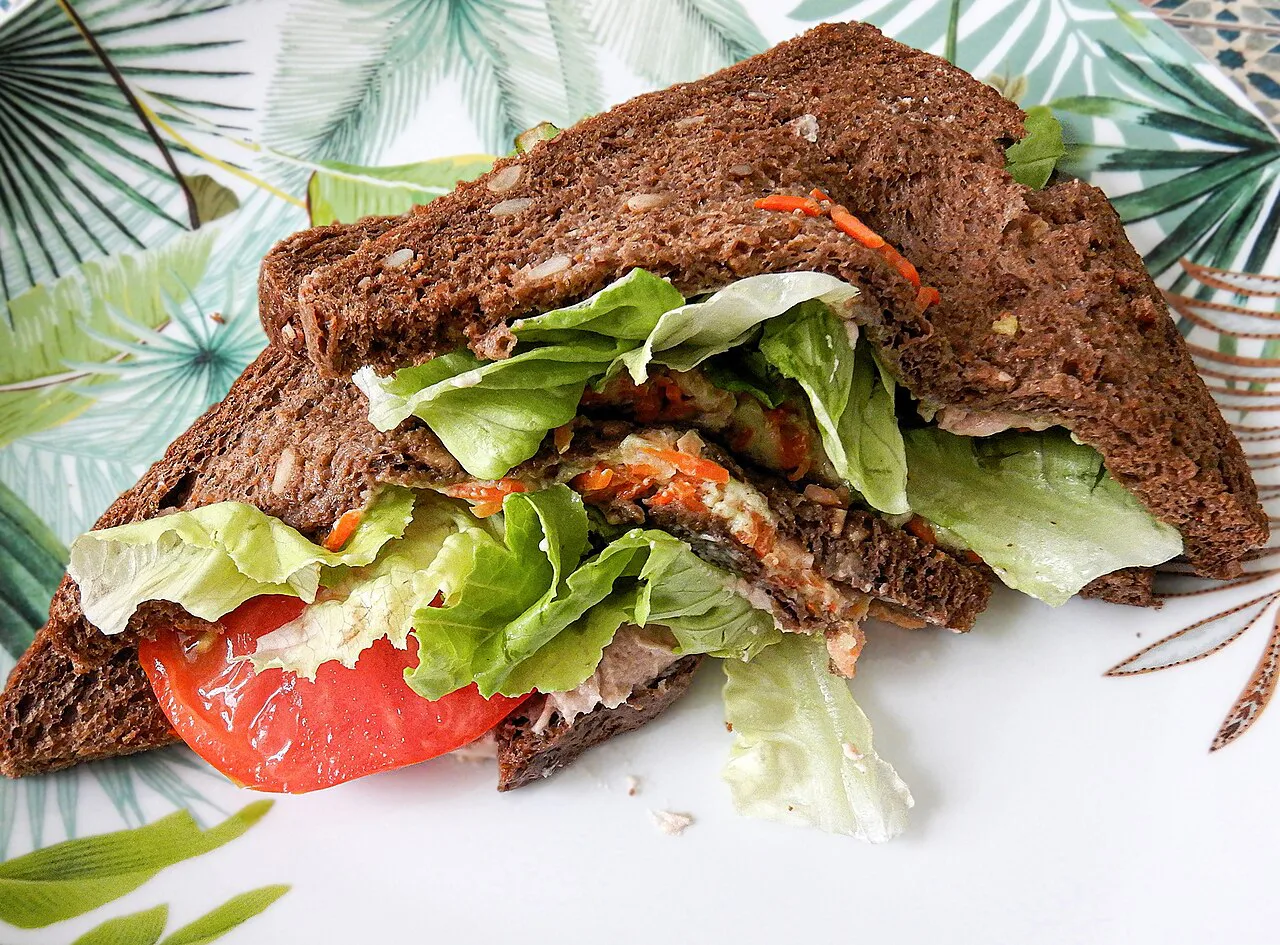
The cured meats and cheeses that do the work
Prosciutto di Parma is the benchmark ham for a sandwich: dry-cured, sliced thin, and salty-sweet enough to carry a whole roll with nothing but mozzarella and a handful of rocket. Coppa, also called capicola, is cured pork shoulder spiced with herbs, garlic and chilli, so it brings heat and smoke rather than delicacy. Genoa salami is mild with garlic and wine, while soppressata is the spicier option, and either works against a mild cheese.
Fresh mozzarella is creamy and mild, which is why it pairs with cured meat instead of competing with it; provolone is the sharper choice for coppa or salami. Mortadella, the finely ground pork sausage flecked with fat, turns up as a sandwich filling in its own right in Lazio.
Tramezzino: the soft Turin finger sandwich
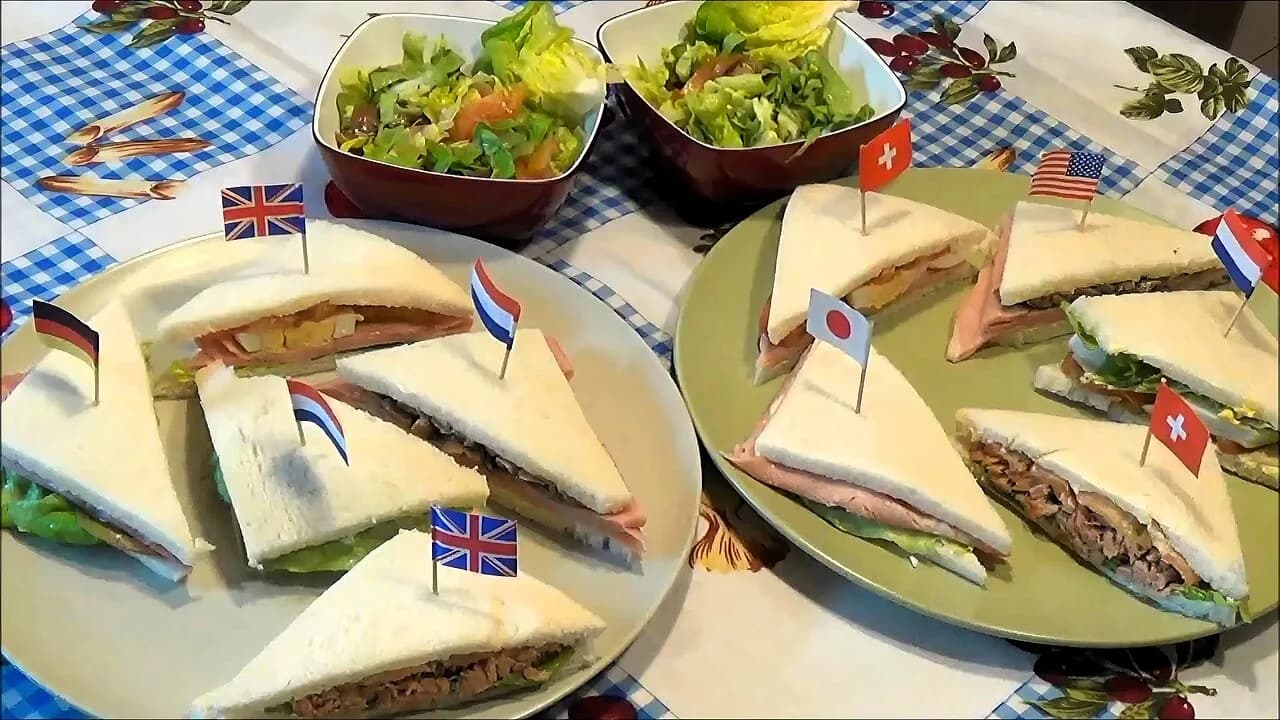
The tramezzino is a crustless triangle of soft white bread with a creamy filling, closer to a tea sandwich than to a crusty roll. Turin claims its invention: a plaque at the historic Caffè Mulassano, under the arcades of Piazza Castello, states that Angela Demichelis Nebiolo created it there in 1926, and the name is credited to Gabriele D'Annunzio, who imagined something eaten between meals. Treat the date and the plaque as the café's own account rather than settled history.
Order one as a snack with a coffee or an aperitivo rather than as lunch, and expect the fillings to be light: the earliest versions were simply butter and anchovies.
Lampredotto: Florence's boiled tripe roll
Lampredotto is the abomasum, one of the four stomachs of a bovine, boiled for a long time with the fattier spannocchia and sliced to order at the stall. The meat goes into a roll dipped in the cooking broth, which is why the bread arrives sodden and intensely savoury rather than crisp. It is the most divisive sandwich in Italy and the most rewarding if you like offal.
Florentine tripe sellers are long-standing institutions, and the good ones work the leanest, most ridged part of the stomach. Ask for it dressed with salsa verde, the green herb sauce, or with chilli oil if the vendor offers it.
5 e 5: Livorno's chickpea fritter sandwich
In Livorno, farinata made from chickpea flour is called torta di ceci, and a sandwich of it is the 5 e 5, named for the old price of five cents for the bread and five for the fritter. It is sold by specialist tortai as well as at pizza-by-the-slice shops and street food counters, and it is one of the cheapest, simplest sandwiches in Italy. The result is soft, savoury and filling, with none of the richness of a cured-meat roll.
Eat it hot, straight from the counter, because the fritter firms up as it cools.
Panino porchetta: the central Italian pork roll
Porchetta is a whole boned pig rolled with herbs and roasted until the skin crackles, then carved into a split roll with nothing else but perhaps some of the juices. It is the standard sandwich of central Italy, especially Lazio and Umbria, and Ariccia in the Castelli Romani is its heartland. In 1950 the porchetta makers of the Castelli, led by Ariccia's mayor, organised the first porchetta festival, which is history rather than a date to plan around.
Order it by weight at a market or from a dedicated porchetta van, and judge the stall by the crackling: it should be glassy and audible when cut.
Mortadella in a roll
Mortadella is a large cooked pork sausage, ground fine and studded with cubes of fat, and in Lazio it is treated as a sandwich filling in its own right rather than a garnish. A mortadella roll is a practical packed lunch and a good choice when you want something mild and not too salty. The flavour is delicate, so keep the additions simple: good bread, perhaps a little cheese, and nothing that overwhelms it.
At a deli counter, ask for it sliced thinly and eat it soon, since it loses its softness quickly once cut.
Cuzzetiello and panuozzo: the Neapolitan traditions
Naples contributes two distinct sandwiches. The cuzzetiello is made by hollowing out the end of a loaf of bread and stuffing the cavity, traditionally with ragù that has been simmering for hours, so the bread soaks up the sauce from the inside. The panuozzo starts as pizza dough, is baked, then split and filled and returned to the oven, giving a chewy, blistered crust around the filling.
Both are substantial meals, not snacks, and the panuozzo is best eaten immediately while the crust still has bite.
Puccia from Puglia
The puccia is Puglia's round, dimpled bread roll, split and filled with whatever the counter offers, from cured meat and cheese to vegetables. It is a bakery and street-food staple across the region, and its denser crumb stands up better than soft white bread to oily fillings such as roasted peppers or marinated artichokes.
Pair one with a tray of pizza al taglio if the bakery sells both, and you have a decent picnic.
Pane e panelle and pani ca' meusa in Palermo
Palermo has two sandwiches worth seeking out. Pane e panelle is a roll filled with panelle, thin fritters of chickpea flour, which are crisp at the edge and soft within; it is a cheap, quick, meat-free option sold at street stands. Pani ca' meusa is the city's famous offal sandwich, made with spleen and lungs, and it is a considerable step further into local cooking than the average traveller expects.
For a similar fried snack eaten alongside a sandwich, look at what Sicily does with rice: our guide to arancini explains the balls sold beside these rolls, and why the rice variety matters.
How to build one at home
Assemble in an order that keeps the bread from collapsing. Oil one side of the split loaf first so the fat sits against the crumb, then spread something dense and moist on the other, layer the cured meats and cheese, add vegetables such as marinated artichokes or roasted red peppers, and finish with basil and a final drizzle of olive oil. Marinated artichokes are tangy enough to cut the richness of salami or coppa, and roasted peppers bring sweetness to counter the salt.
A home-made version works with capicola, thinly sliced mortadella, Genoa salami and provolone packed into a split loaf, which is a useful template for feeding several people from one large loaf. Make it an hour or two ahead so the bread absorbs the oil and juices, but add leafy herbs at the end.
What to order and how to eat it in Italy
Order by the sandwich's local name and you will get the right thing. At a stall, ask how it is dressed, since lampredotto and similar fillings are usually offered plain or with salsa verde. At a bakery, point at what you want and specify the amount if the filling is sold by weight, which is normal for porchetta.
Eat it standing at the counter or walking, as most Italians do, and keep it simple: a sandwich here is a meal, not a starter, and adding several fillings to a delicate one like mortadella or mozzarella usually obscures it.
Which Italian sandwich should you try first?
Match the sandwich to the city you are in: tramezzino in Turin, lampredotto in Florence, 5 e 5 in Livorno, porchetta through Lazio and Umbria, puccia in Puglia and panelle or pani ca' meusa in Palermo. That way you eat what the place is actually good at rather than a generic panino that could have been made anywhere.
If you are starting from scratch, learn one bread and two fillings well: a sturdy ciabatta or focaccia, a thin-sliced prosciutto or coppa, and fresh mozzarella. Everything else is a variation, and the local versions are what make the trip worthwhile.
Explore more Italy food guides
Frequently Asked Questions
What usually goes on an Italian sandwich?
It depends on the region. Prosciutto, coppa, salami, mortadella, mozzarella and provolone are common cured meats and cheeses, and vegetables such as marinated artichokes and roasted red peppers are typical additions. Florence uses boiled tripe, Livorno uses a chickpea fritter, and Palermo uses chickpea fritters or spleen.
What is the difference between a panino and a tramezzino?
A panino is the general Italian word for a bread roll sandwich. A tramezzino is a specific type made with soft, moist sliced white bread called pancarrè, cut into crustless triangles and filled lightly, and it is associated with Turin.
Which bread should I use for a home-made Italian sandwich?
Ciabatta holds generous fillings and toasts well, while focaccia gives a softer, oilier base that suits vegetables. For a tramezzino, use soft sliced white bread; for porchetta, a simple split roll is the usual choice.
Is lampredotto suitable for everyone?
No. It is boiled bovine stomach served in a broth-soaked roll, so it is rich and strongly flavoured. If you dislike offal, choose a porchetta roll or pane e panelle instead.
Sources
Notes for your next meal in Italy
Optional updates to our food guides.
You might also like

Continue reading
More guides you'll find useful