Arancini: What They Are, What's Inside and How to Eat Them
Arancini are Sicily's fried rice balls, breadcrumbed and filled with mozzarella, ragù or peas. Here's what's inside and how they're made and eaten.
On this page
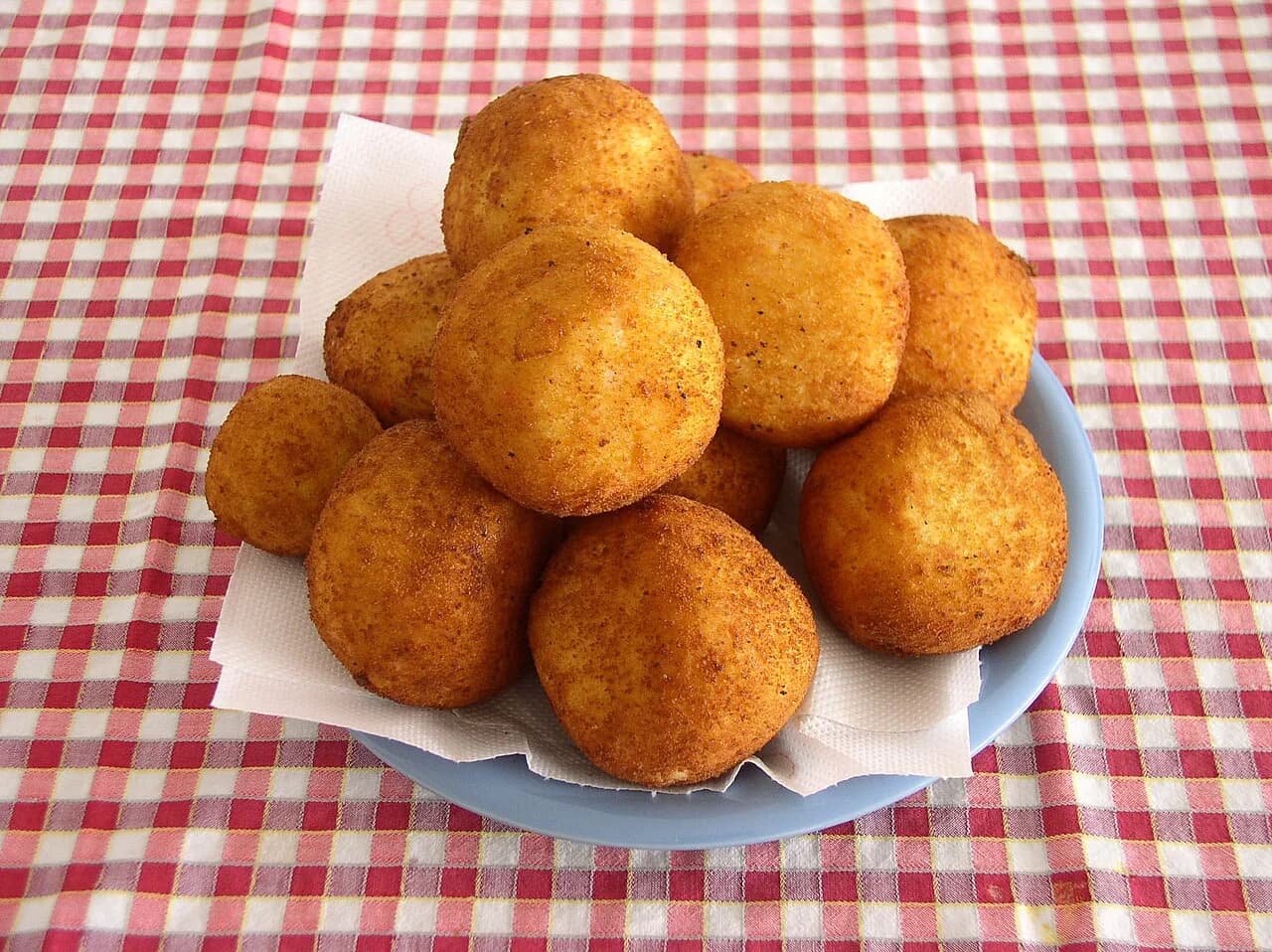
Arancini are balls of cooked short-grain rice, filled, coated in breadcrumbs and deep-fried until the outside turns crisp and golden. They are a staple of Italian street food and, in Sicily, closer to a sandwich lunch than a restaurant starter: robust, portable and eaten on the spot. This guide covers what goes inside, where the name comes from, how the shaping and frying actually work, and the fillings worth trying.
What arancini are
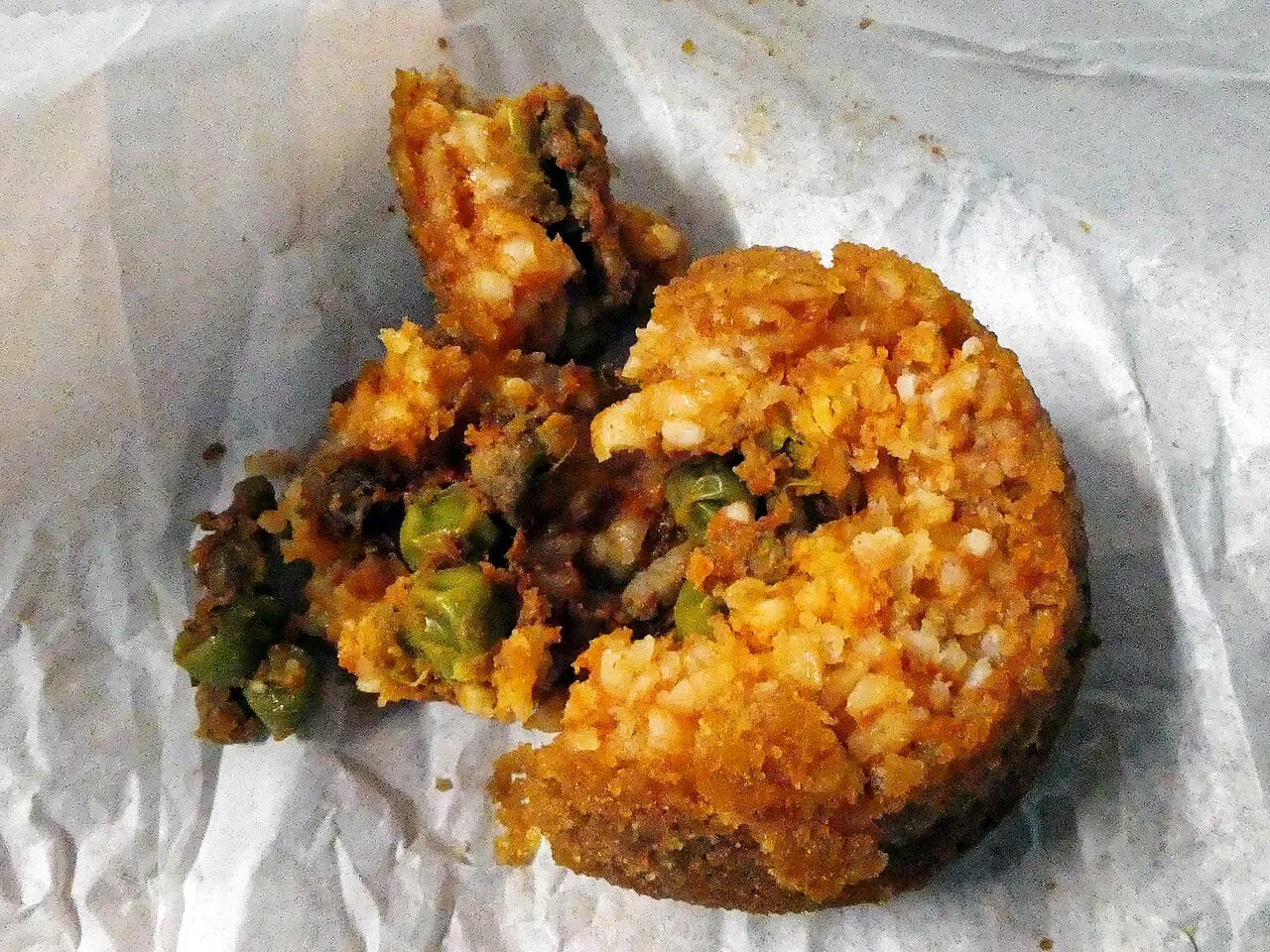
The base is risotto-style rice, cooked until creamy but still firm at the core, then cooled so it can be handled. It is flattened in the hand, filled, closed into a ball, rolled in crumbs and fried. The result is a thin, crunchy shell around soft, savoury rice and a molten centre.
Because the rice is cooked first, arancini are a way of turning a loose, creamy risotto into something you can carry. Home recipes often start from leftover risotto for exactly this reason, adjusting the fillings and coating to whatever rice is in the fridge.
Why the name means 'little oranges'
Arancini means little oranges, and the name fits the shape: plump, round and golden after frying. The colour comes from the breadcrumb shell and, in some recipes, from a pinch of saffron in the rice, which tints the balls a deeper orange.
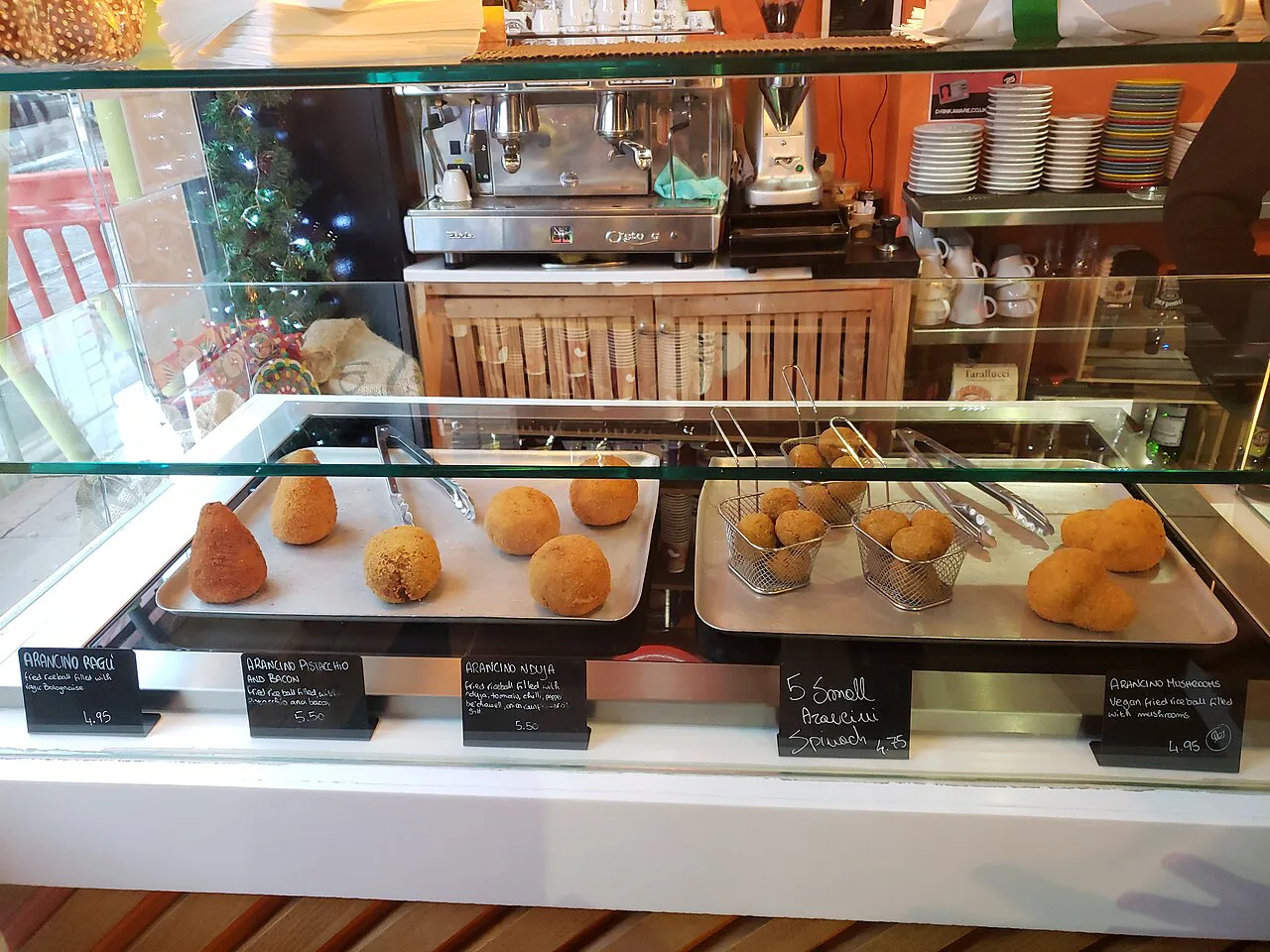
In Sicily the two everyday fillings are ragù, arancini con carne, and butter with cheese, arancini al burro. The meat version is darker and richer; the butter version is softer and paler. Both are finished the same way: crumbed and fried.
Sicilian origins: a story told, not documented history
Arancini are said to have come to Sicily with Arab rule in the tenth century, an origin story that is widely repeated but not documented. Read it as a claim about the island's layered food history rather than a fixed fact. What the recipes do agree on is the finished thing: seasoned rice, a cheese centre, a crisp fried shell.
What goes inside
Mozzarella is the constant: a chunk in the middle that melts into strings when the ball is cut or bitten. Around it you find ragù, peas, mushrooms, wilted greens, pesto or small amounts of cooked meat and fish. A plain rice ball with nothing but cheese is the simplest version and the easiest to get right at home.
Home recipes vary. Some add bacon, peas and parmesan to the rice itself, and others stir basil through the filling. None of this is a canon, so treat the additions as home-cook choices.
Arancini con carne and al burro
In Sicily the two everyday fillings are ragù, arancini con carne, and butter with cheese, arancini al burro. The meat version is darker and richer, the butter version softer and paler, often with a little ham. Both are finished the same way: crumbed and fried. Order one of each if you are sharing, because the contrast is the point.
Is arancini a sandwich lunch?
The comparison is fair. The late Antonio Carluccio called these rice balls the Sicilian equivalent of a sandwich lunch: bought hot, eaten standing up or walking, and enough on their own for a midday meal. They sit alongside pizza al taglio and focaccia as food designed to be eaten with your hands between other things. Two is a lunch; one is a snack.
Making arancini at home: cook the rice, then chill it
Cook the rice as you would a risotto, adding stock gradually and stirring until the grains are creamy but still have a firm core. Stir in grated parmesan and a little butter off the heat, season, then spread the rice on a tray and refrigerate until completely cold. Warm rice will not hold its shape, and this cooling step is where most home attempts fail.
Use a high-starch short-grain rice such as arborio or carnaroli. Toasting the grains before adding liquid helps them stay separate, and letting the rice cool completely firms it enough to roll.
The coating: flour, egg and breadcrumbs, or a batter
Beat an egg into the cold rice to bind it, then divide into portions and flatten each in your palm. Put a piece of drained mozzarella and any other filling in the centre, then wrap the rice around it and roll until smooth. Wet hands help; the mix is sticky. Chill the shaped balls again before coating so they hold together in the oil.
The coating decision: flour, egg and breadcrumbs, or a batter
There are two routes and they produce different shells. The first is flour, then beaten egg, then breadcrumbs, which gives a dense, even crust. The second is a thick batter of egg, flour and water dipped in breadcrumbs, which puffs slightly and stays lighter.
Fine dried crumbs are the safer choice here: the Guardian's recipe specifically prefers them to panko, which absorbs more oil and browns unevenly. Press the crumbs on rather than rolling, and shake off the excess before frying so the oil stays clean.
Frying: steady oil, small batches
Heat neutral oil to about 170–180°C and fry only a few at a time, turning them so they colour evenly. If the oil cools when the food goes in, the crust drinks fat and turns greasy; if it is too hot, the outside darkens before the middle is hot. Drain on kitchen paper and eat while the centre is still molten.
Ahead of time, and freezing
You can shape arancini hours before frying and keep them covered in the fridge. They also freeze well, either before coating or after frying: freeze them separately on a tray, then bag them, and fry from frozen or reheat in a hot oven until crisp. Cooked arancini keep for a few days in a sealed container in the fridge, though the crust softens.
Fillings beyond the classic
Leftover ragù is the most useful filling, but pesto, sautéed mushrooms, wilted spinach or defrosted greens all work if they are fairly dry. Anything wet will steam through the rice and split the ball, so drain mozzarella and squeeze greens before wrapping.
Are arancini healthy?
Plainly, no: they are deep-fried rice with a cheese centre. That is not a reason to avoid them, but it is a reason to treat them as a proper meal rather than a nibble alongside everything else. One or two with a salad or a plate of vegetables makes a balanced lunch; a bag of six is a treat.
How to eat arancini
Eat them hot, in your hand, with no cutlery. Bite in carefully: the filling holds heat and melted cheese can spill. In Sicily they are sold from fryers and eaten standing up, often as lunch on the move. If you are buying several, ask which are the meat and which the butter ones, because they can look identical.
Arancini and other rice balls
The nearest relative is the supplì, Rome's rice croquette: usually with a ragù centre and a stretch of mozzarella. Sicilian arancini are larger, rounder and carry a wider range of fillings. Both are worth ordering when you see them, but they are not the same thing.
Arancini or supplì: which to order first
Order the arancini if you want a fuller lunch in one hand: the ball is bigger, the fillings range from meat sauce to butter and cheese, and it suits a midday stop. Order a supplì instead when you want something smaller and rumoured for its molten centre, the Roman snack with the cheese pull. If both are in front of you, start with a butter-and-cheese arancino to taste the rice, then a meat one.
Explore more Italy food guides
Sources
Notes for your next meal in Italy
Optional updates to our food guides.
You might also like

Continue reading
More guides you'll find useful