Cooking Classes in Italy: How to Choose the Right One
Compare cooking classes in Italy by length, region, gluten-free options and class size. Choose between a half-day class, a week-long course or a master.
On this page
The right cooking class in Italy depends on how much time you have and what you want to make. A half-day class suits a single morning of rolling fresh pasta, a five-day course covers bread, gelato and market shopping, and a professional master is for people who want a career in Italian kitchens.
This guide compares the formats on offer: where they run, what a week of cooking actually includes, how gluten-free courses work, and how class size and language change the experience. Pick by your own appetite and schedule rather than a generic ranking.
Half-day classes, one-week courses and professional masters
Italian cooking instruction comes in three broad shapes. A short class of a few hours is a taster for travellers who want to make pasta once and eat it; a week-long course assumes you will spend several half-days in the kitchen and build a repertoire; a professional master is a full-time route for people who intend to cook for work.
The Accademia Italiana Chef runs professional courses and a Master of Italian Pasta at its Bologna and Florence schools. Its own figures put annual students at more than 1,500 and annual lesson hours at 450,000, which suggests a large teaching operation rather than a single kitchen.
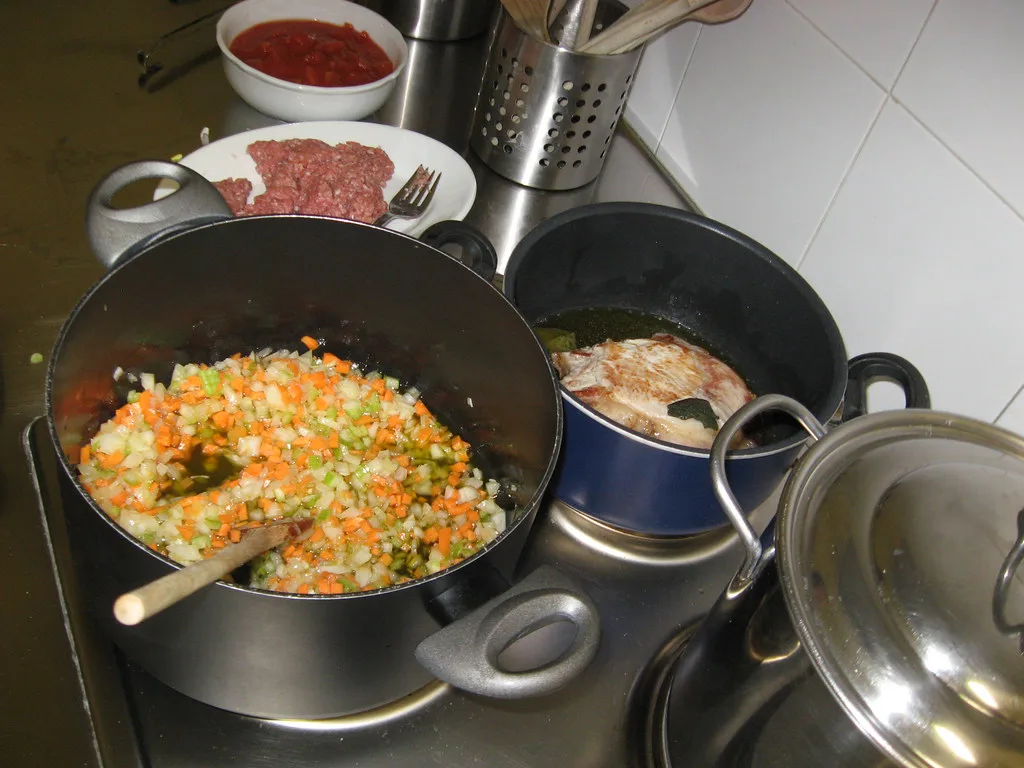
Rolling Pin Cooking School in Padova takes a different approach. Its gluten-free week combines five half-days of cooking with a market visit, and the rest of the day is left for exploring the Veneto region.
How long do you need to learn pasta properly?
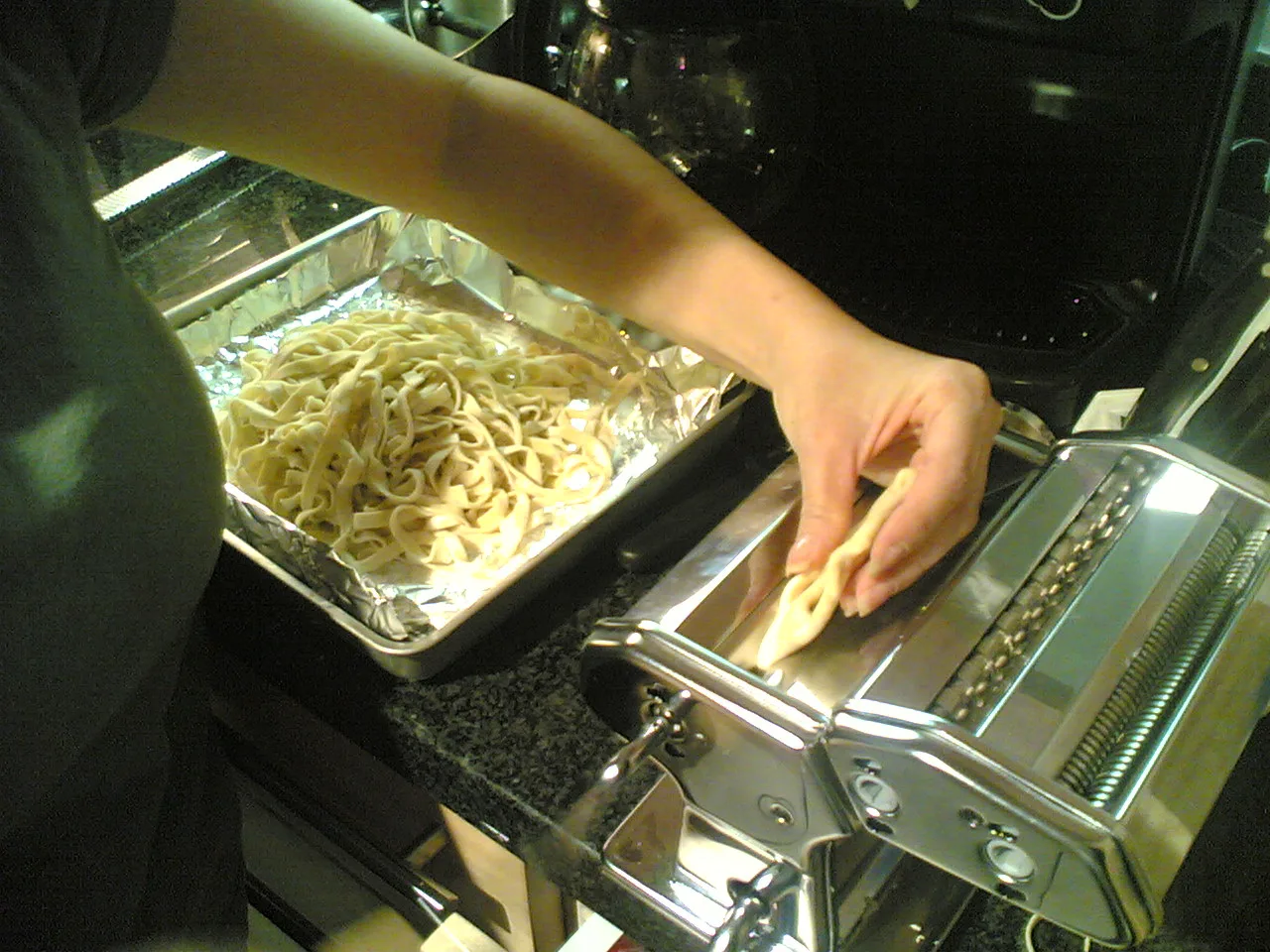
A few hours gives you the feel of flour and egg and one finished shape. If you want to leave able to make fettuccine, ravioli and gnocchi without following a recipe line by line, a five-day format gives you repetition and correction. The Padova gluten-free week, for example, covers fresh fettuccine from scratch, ravioli, potato gnocchi and baked pasta al forno.
Half-day classes, one-week courses and professional masters: Italian cooking instruction comes in three broad shapes.
How long do you need to learn pasta properly?: A few hours gives you the feel of flour and egg and one finished shape.
Where to cook: Bologna, Florence, Padova or the countryside: City schools suit travellers who want to walk to class and spend the afternoon in the same place.
A professional master is different in intent rather than just length: it prepares you for work in a kitchen, with theory, practice and assessment. The Accademia Italiana Chef describes its masters as a mix of knowledge, skill and competence, aimed at people who want more than a single lesson.
For a shorter commitment, our guide to pasta-making classes in Italy covers the introductory formats that fit around a city break.
Where to cook: Bologna, Florence, Padova or the countryside
City schools suit travellers who want to walk to class and spend the afternoon in the same place. The Accademia Italiana Chef reserves its Bologna and Florence academies for its cooking courses for foreign students, and both cities give you markets and trattorias to explore after the lesson.
Padova works well for a week-long course because the Veneto region is compact: you can cook in the morning and take a train to a nearby town in the afternoon. The Rolling Pin course is held in Padova and is taught in English.
Longer residential courses are sometimes held on countryside estates, where the kitchen is on site and meals are part of the programme. Montalero runs an eight-day Italian cooking course in this format.
If you are choosing between cities, our guide to the best food cities in Italy sets out what each place is known for on the plate, which helps you match a class to the food you actually want to eat.
Gluten-free and coeliac options on a cooking course
Gluten-free cooking weeks exist in Italy for people who want to learn the technique rather than simply avoid the food. The Rolling Pin course teaches focaccia, bread or pizza with gluten-free ingredients, alongside fresh pasta, risotto and desserts such as tiramisù and crema pasticcera, the Italian custard used in many pastries.
Class size is limited to between one and four students in the gluten-free group course, which means close attention while you work. The school sets these small numbers precisely so the instructor can watch and correct as you go.
Treat a cooking course as tuition, not a medical guarantee. If you are coeliac, ask the school directly about flour handling, surfaces and separate equipment; a course description is not a substitute for a kitchen's own procedures.
Professional training and the Master of Italian Pasta
The Master of Italian Pasta is a dedicated professional format for people who want to specialise in fresh pasta rather than general cooking. The Accademia Italiana Chef runs this master at its Bologna and Florence academies, and describes its teaching as based on Italian methods and original recipes.
The school's certifications, ISO 9001 and ISO 21001, are part of its pitch to foreign students seeking a qualification that travels. Check what the certificate states and whether it matches what you need at home; a professional certificate is not the same as a university degree.
If your goal is a restaurant kitchen, our guide to Michelin star restaurants in Italy shows the kind of cooking that professional training can lead towards.
What a week-long course actually covers
A five-day course usually runs as half-days so students can build skills without exhaustion. The Rolling Pin gluten-free week includes a market visit and daily bread or focaccia baking alongside pasta, sauces, fish or meat dishes and desserts.
Dessert coverage can be broader than expected: the same course lists tiramisù, chocolate mousse, biscotti, crostata tart, pastries, crema pasticcera and gelato made from scratch. That is useful if you want to take home recipes for more than a single pasta shape.
The itinerary also includes a wine and cheese tasting, which is part of the programme rather than a separate excursion. If you want to line a trip up with Italy's festive eating, our guide to Italian Christmas food explains traditions around La Vigilia and Santo Stefano.
Class size, language and who teaches it
Class size changes what you get out of the hours. A group of one to four means the instructor can adjust to your pace; a large demonstration class is more of a show. Ask Rolling Pin Cooking School before you book how many students share a station and whether you work alone or in pairs.
Language matters more than many people expect, because cooking terms are often explained by touch. Courses taught in English remove that barrier. For travellers from the UK, that can be the difference between following the technique and nodding along.
The teacher's background should tell you what kind of course it is. A school that trains working chefs will teach technique and speed; a small kitchen school will teach the home cook's version. Read the course outline for the dishes and methods rather than the marketing adjectives.
How to pick between two courses that look identical
Compare the dish list first. Two pasta classes may both promise fettuccine, but one may stop there while another adds ravioli, gnocchi and a sauce. The longer, more detailed list is usually the better value if you are travelling to learn.
Then compare the non-cooking time. A market visit or a wine and cheese tasting is either a bonus or filler, depending on what you want. If you would rather spend every hour at the counter, choose a course that puts the cooking first.
Finally, confirm the practical details directly with the school: dates, availability, what is included in the fee and how payment works. A course page is the right place to start, but the school's reply is what you book against. For help choosing the city itself, our guide to the best food cities in Italy is the place to begin.
Which cooking course fits your trip?
Choose a half-day class if you are in Italy for a city break and want one morning of pasta. Choose a five-day course if you want to leave able to make bread, pasta and dessert at home, and a professional master if you plan to cook for a living.
Gluten-free travellers should look for a course that builds the week around the technique and keeps the group small, then ask the school directly about kitchen practice. Wherever you end up, match the course to the region's food and to the time you can honestly give it.
Explore more Italy food guides
Sources
Notes for your next meal in Italy
Optional updates to our food guides.
You might also like
Continue reading
More guides you'll find useful