Slow Food in Italy: What It Is and How to Eat by It
Slow Food in Italy explained: where the movement began, what the snail logo and presidia signal on a menu, and how to use both to choose where to eat.
On this page
Slow Food in Italy is a movement founded in 1986 to defend local ingredients and traditional producers against fast food and industrial agriculture, and its snail logo now appears on menus and shop doors across the country. For a traveller, the logo is a practical clue to kitchens that cook seasonally and source deliberately. This guide covers where the movement began, what a presidio actually means when you see it beside a dish, and how to use both when you are choosing between a trattoria near the sights and one a few streets back.
What Slow Food is, in plain English
Slow Food is a worldwide organisation built around a simple idea: eating should be pleasurable, ingredients should come from nearby producers, and local culinary traditions are worth protecting. It began as a reaction to fast food and has since grown into a network of members, producers and events rather than a restaurant rating scheme. Think of it as a campaign for better sourcing, not a guarantee that any particular plate will be good.
For a visitor, the useful part is what the movement does at ground level: it champions small family producers whose cheeses, cured meats and vegetables would otherwise be squeezed out by larger suppliers. A menu that leans on these products usually reads differently from a tourist menu built around the same four pasta dishes, because the kitchen is buying from named, often regional sources. That is the practical signal to watch for.
Where the movement began: Arcigola, Rome and the snail
The forerunner of Slow Food, Arcigola, was founded in 1986, and its launch was bound up with a protest against the opening of a McDonald's near the Spanish Steps in Rome. The movement that grew from that campaign took the snail as its emblem, a symbol of the pace at which a meal should be eaten. Whether you find the symbolism charming or a little self-conscious, it explains why the logo appears on menus rather than on packaging.
Where did the Slow Food movement start? In Italy. The movement grew out of the founding of its forerunner organisation, Arcigola, in 1986, which was bound up with a protest against a McDonald's opening near the Spanish Steps in Rome.
How many countries have Slow Food chapters? Slow Food is reported to operate in more than 122 countries with around 450 chapters, and it holds a biennial conference in Turin that draws delegates from around the world. Treat those figures as reported rather than fixed.
Does a Slow Food logo mean the restaurant is good? No. The logo signals a commitment to local sourcing and traditional cooking, not a quality rating.
The origin story matters to travellers because it sets expectations. This is a movement born in opposition to homogenised food, which is why its members emphasise the pleasures of the table and local produce rather than speed or consistency. When you see the snail outside a door in an Italian city, you are looking at a political and cultural tradition as much as an ingredient claim.
What a presidio is and why you see it on menus
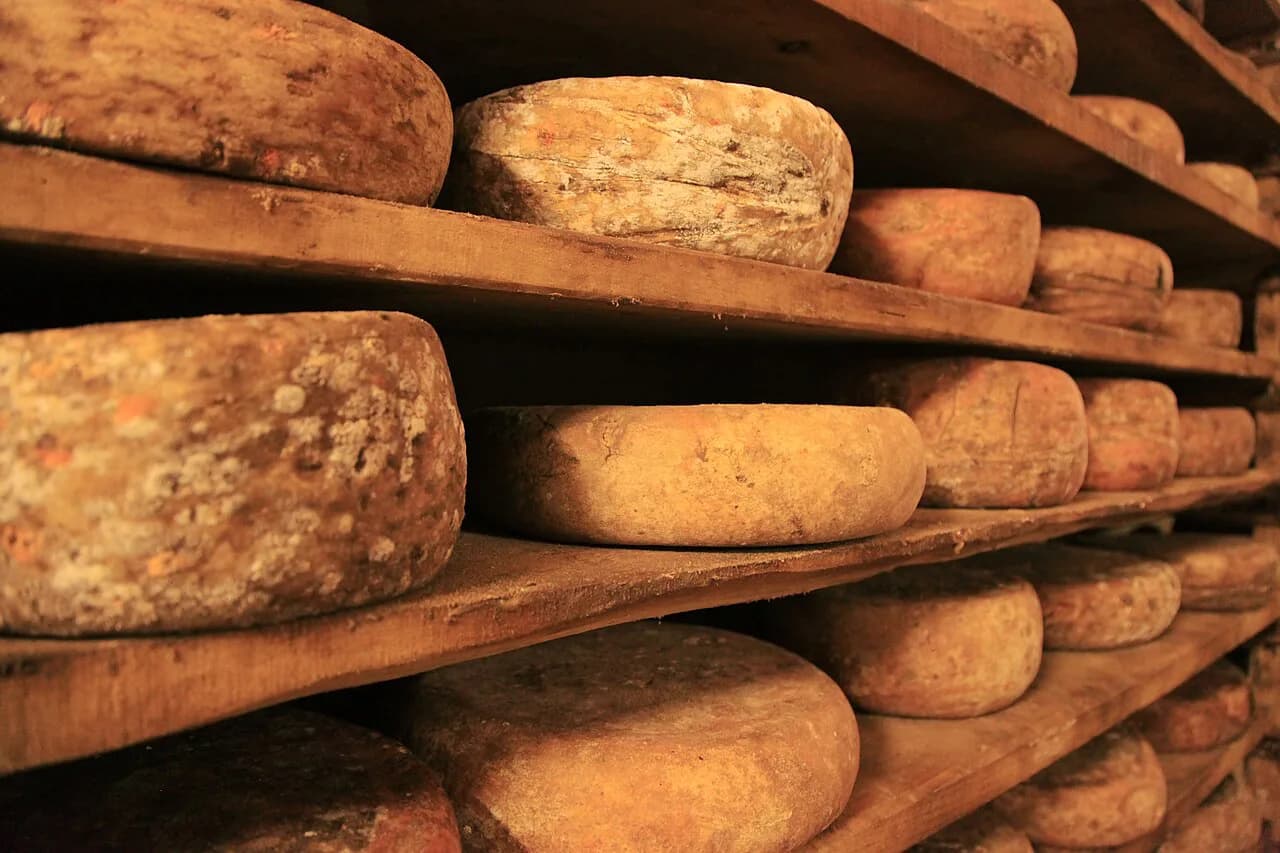
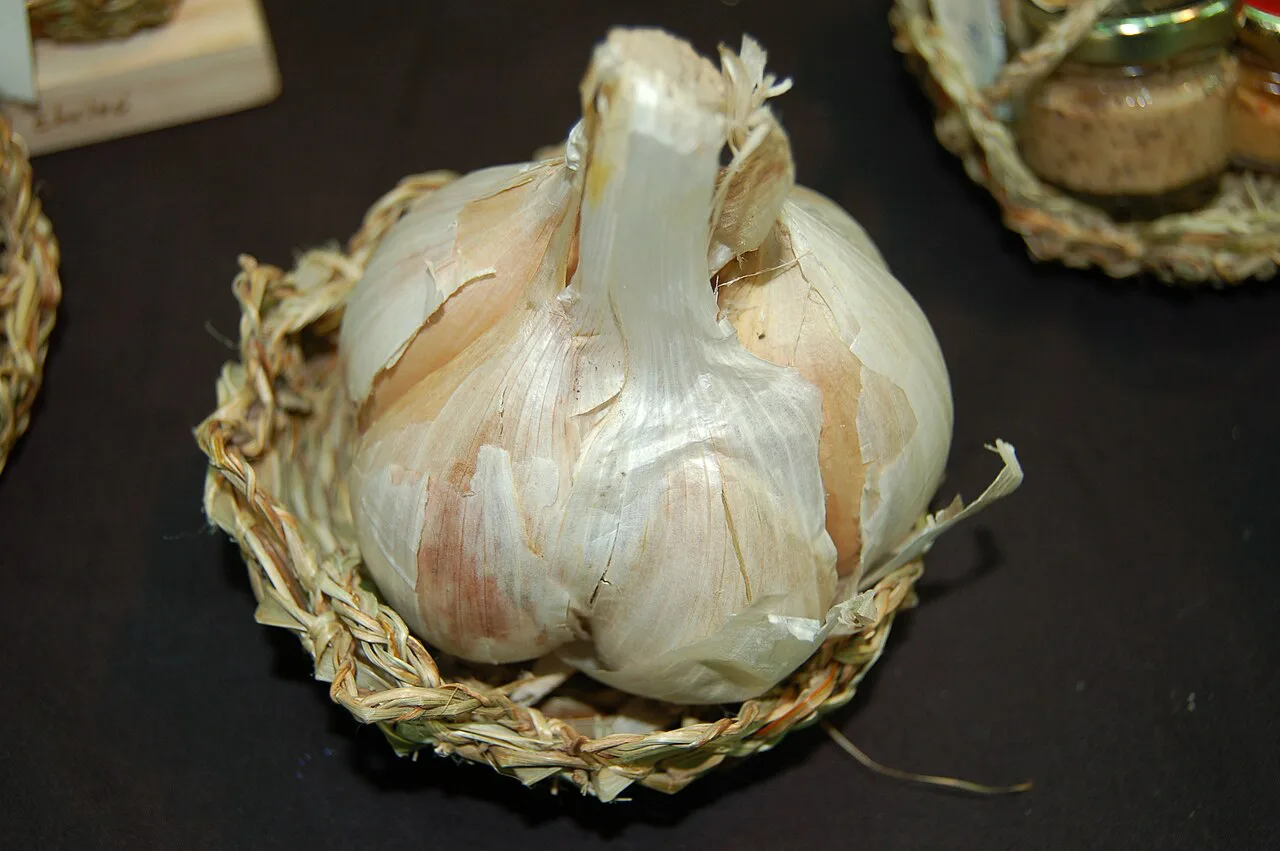
A presidio, the Italian word for a garrison, is a Slow Food project protecting a specific traditional product or method at risk of disappearing. On a menu, the word marks a dish built on one of these protected ingredients, which is why it tends to appear beside cheese, cured meat or vegetable starters rather than mains. The presidio label describes the ingredient, not the restaurant.
This distinction is the one worth carrying into your ordering. A kitchen can serve a presidio cheese on a board with honey and be doing nothing more than buying well, which is still a good sign, or it can use the label as decoration while the rest of the menu comes from a wholesaler. Read the whole menu, not just the flagged lines.
Slow Food in Piedmont: Pollenzo and the university
Piedmont is the heart of the movement in Italy, and the village of Pollenzo hosts the University of Gastronomic Sciences, which offers undergraduate degrees in gastronomic science and related subjects. Students come from around the world to study sustainability and how food is produced, so the surrounding area has a concentration of producers who fit the Slow Food profile. If you are travelling through the region, Pollenzo gives the philosophy a physical address.
Piedmont is also where the ingredients the movement champions are easiest to encounter on a menu: the area around Bra is known for its cheeses, and Alba for its white truffles in season. Build a Piedmont day around a long lunch with a single presidio ingredient at its centre rather than a tick-list of towns. Pasta and cheese both reward the same approach, and the best food cities in Italy reward travellers who plan around one proper meal a day; it also pays to know the Italian meal courses before you sit down.
How the snail helps you choose where to eat
A Slow Food membership sign tells you a kitchen has chosen to align itself with local sourcing and traditional cooking, and it is a reasonable tiebreaker when two trattorias look identical from the street. It is not a rating, and it does not promise polished service; the movement's own early supporters complained that member restaurants were sometimes slow to the point of tedium. Use the logo as a nudge, then judge the menu and the room yourself.
The strongest signal is a short menu that names its suppliers or regions, with presidio ingredients woven into ordinary dishes rather than announced in a separate section. Look for a kitchen that charges modest prices for a few things done well, and treat a snail logo on a long, picture-heavy tourist menu as decoration. The Michelin Guide and Slow Food are separate systems, so a starred restaurant is not automatically a Slow Food one, and the reverse holds too; the Michelin star restaurants in Italy follow their own logic.
Reading a menu for Slow Food ingredients
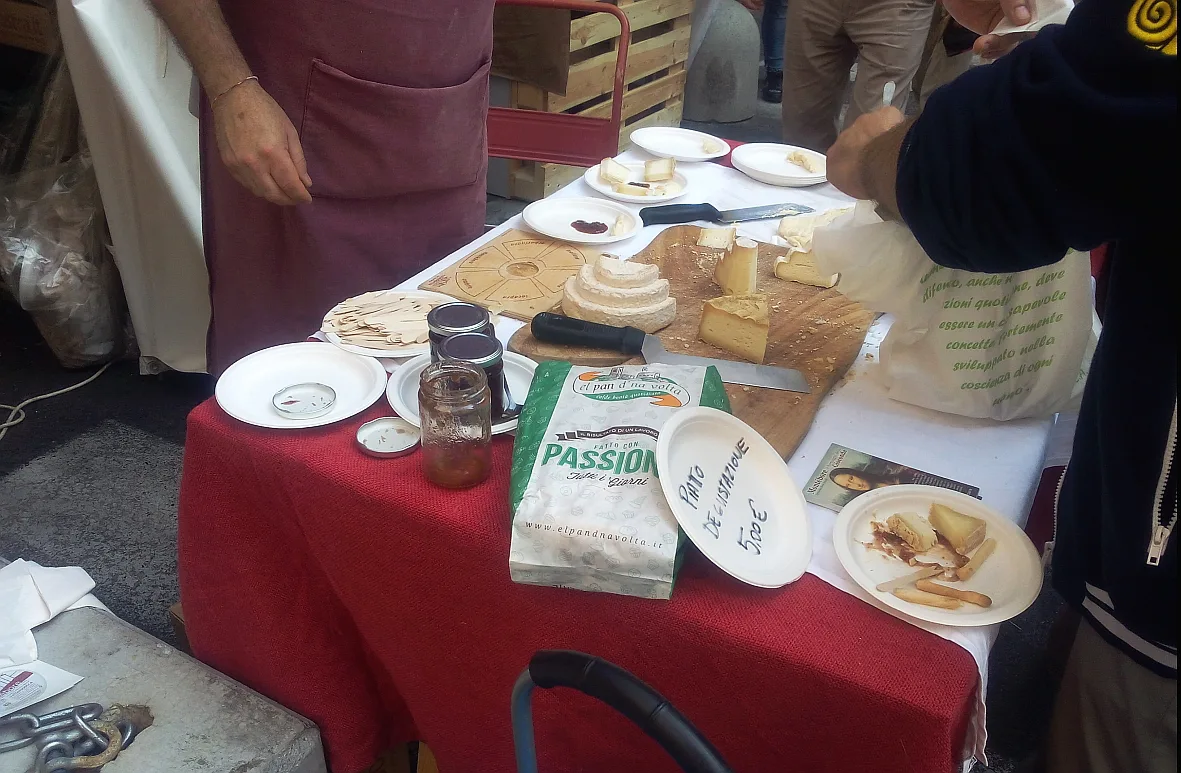
What the label looks like in practice: Slow Food presidia are listed on menus as protected local ingredients, often cheeses, cured meats and regional specialities served simply rather than as part of a long composite dish. Expect the word presidio or the product's own name to sit beside a short description of where it comes from. That is the pattern to recognise wherever you are eating in Italy.
That pattern translates well across the country. In Sicily it might mean a mountain cheese or a cured meat made by one family; further north it might mean a presidio vegetable or a cheese from a named valley. If a menu flags one or two such ingredients and builds simple dishes around them, order those and let the rest of the table follow. Coastal kitchens can apply the same test to fish, which is worth remembering if you are weighing up Italian seafood against a meat-heavy inland menu.
How this changes the way you order in an Italian restaurant
Ordering with Slow Food in mind mostly means asking less of the kitchen. Pick the presidio ingredient on the menu, take it in its simplest form, and skip the dish that tries to combine six regional specialities in one plate. A cheese board or a plate of cured meat is where a protected ingredient shows best, because there is nothing to hide behind. It helps to know the order of an Italian meal, so you know which course a presidio cheese or salume belongs to.
The other practical shift is towards the table d'hôte logic of a trattoria: fewer choices, seasonal cooking, and a menu that changes. That sits comfortably with the way Italians eat in the middle of the day, and it makes lunch the meal to spend on.
Slow Food's reach today: countries, chapters and Turin
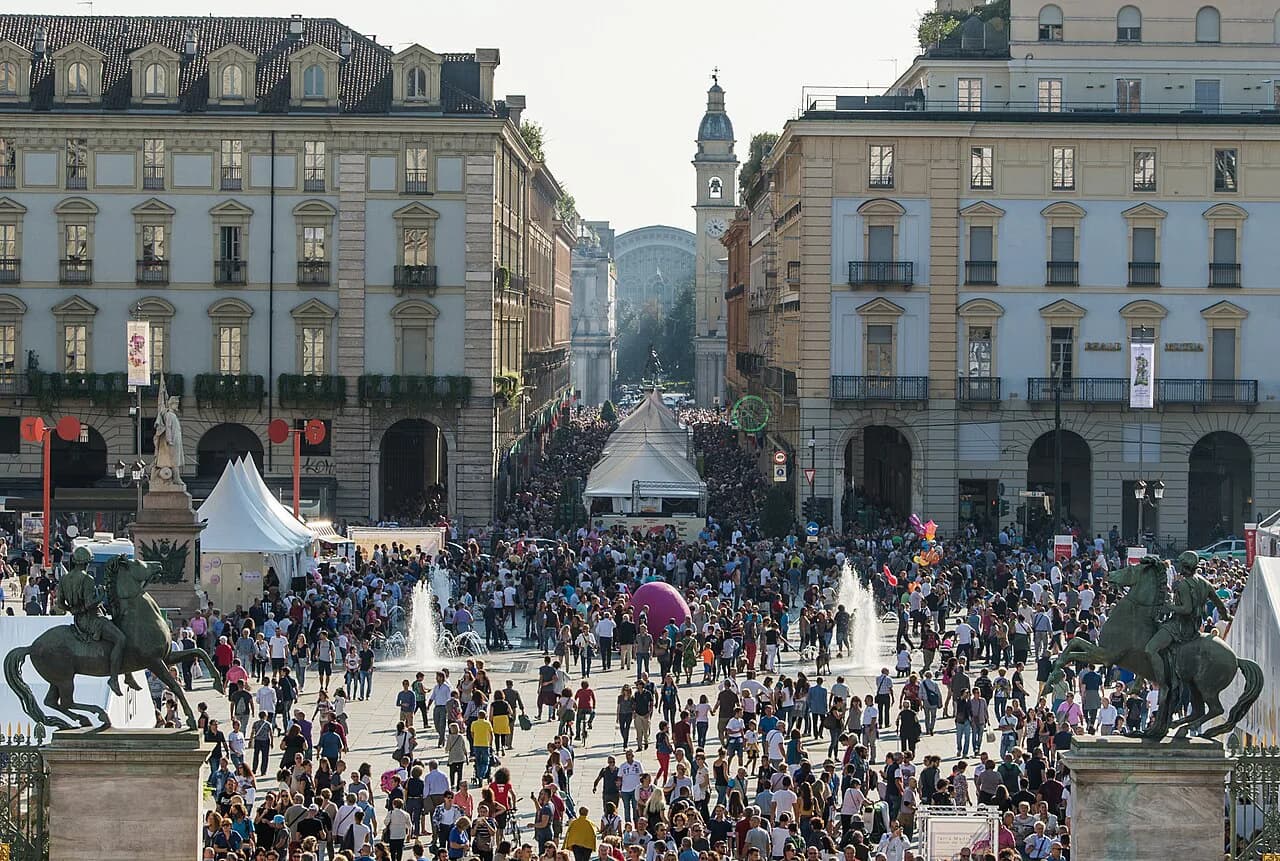
Slow Food now operates in more than 122 countries with around 450 chapters, and it holds a biennial conference in Turin that brings together thousands of delegates from around the world to eat and discuss regional foods. That reach means the snail turns up well beyond Italy, so a logo on a menu in another country is a reasonable prompt to ask where the ingredients come from.
Treat the movement as a lens rather than a badge. A restaurant with the logo can be excellent or merely earnest, and plenty of superb Italian kitchens have never joined. If you are building a food itinerary, the best food cities in Italy make a sensible starting frame, then use the snail to narrow the choice within each one.
Should the snail change your booking?
Yes, as a tiebreaker, not as a destination. Use the logo to pick between two similar trattorias, then order the presidio ingredient in its plainest form and judge the kitchen on that one plate. A protected local cheese or a slice of Nebrodi pork tells you more about a kitchen than any sign on the door.
If the philosophy appeals, the next step is practical rather than philosophical: find one producer or market near where you are staying, buy the ingredient, and eat it simply. In Piedmont that might mean cheese from around Bra; in Sicily, a cheese or cured meat from the mountains. The movement is at its most useful when it puts something specific on your plate.
Explore more Italy food guides
Frequently Asked Questions
Where did the Slow Food movement start?
In Italy. The movement grew out of the founding of its forerunner organisation, Arcigola, in 1986, which was bound up with a protest against a McDonald's opening near the Spanish Steps in Rome. From that campaign it expanded into an international organisation.
How many countries have Slow Food chapters?
Slow Food is reported to operate in more than 122 countries with around 450 chapters, and it holds a biennial conference in Turin that draws delegates from around the world. Treat those figures as reported rather than fixed.
Does a Slow Food logo mean the restaurant is good?
No. The logo signals a commitment to local sourcing and traditional cooking, not a quality rating. Use it to narrow your choice, then judge the menu and the cooking for yourself.
Sources
Notes for your next meal in Italy
Optional updates to our food guides.
You might also like

Continue reading
More guides you'll find useful