Italian Christmas Food: What Italy Eats on 24, 25 & 26 Dec
Italian Christmas food runs from a meat-free Christmas Eve of fish and vegetables to a long Christmas Day lunch of antipasto, pasta and panettone, then leftovers.
On this page
Italian Christmas food runs across three days, and each one eats differently. Christmas Eve is traditionally meat-free and leans on fish, vegetables and legumes, Christmas Day is the long lunch in courses, and Santo Stefano on 26 December is the easy day built on what remains. This guide walks the three meals in order and explains the logic behind each.
The festive period starts on 24 December with La Vigilia, peaks on Natale, and closes with Santo Stefano, the Italian name for 26 December. Menus shift sharply between regions and even between neighbouring towns, so treat any single dish as one example rather than the national standard.
The three days of the Italian Christmas table
La Vigilia on 24 December opens the celebrations, and many families gather for a festive meal whether or not they are religious. Natale on 25 December is the main event, a long and abundant lunch, and Santo Stefano on 26 December is the relaxed closing act. Planning around those three separate meals makes far more sense than trying to build one generic Christmas dinner.
The structure matters if you want to cook or order it properly. Christmas Eve is a lighter, meatless spread, Christmas Day carries the full course sequence, and Boxing Day is deliberately low-effort. Each day has its own job, and 25 December is not the only meal worth preparing.
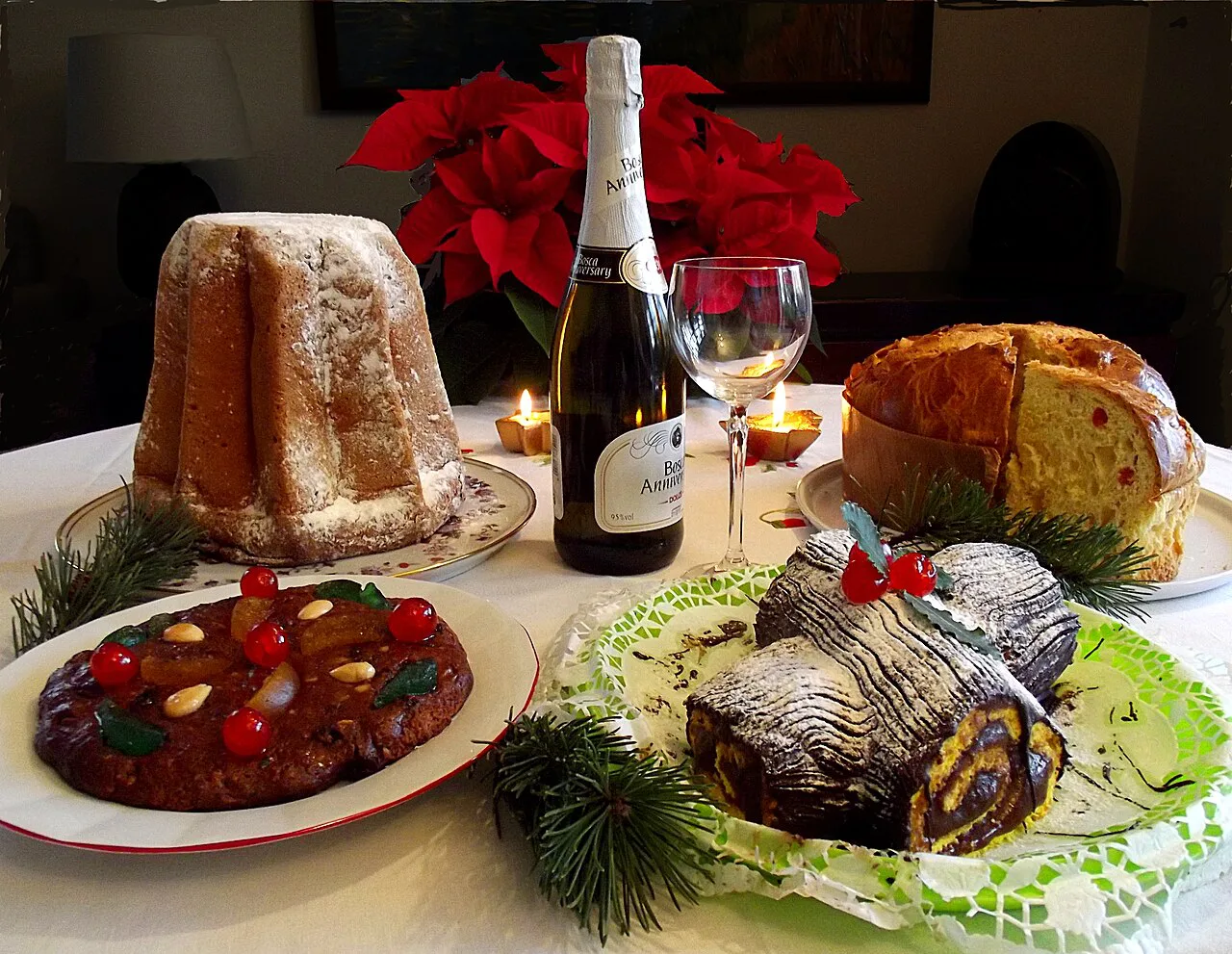
Why Christmas Eve is meat-free
Traditionally Italians abstain from meat on Christmas Eve, opting instead for fish, vegetables and legumes. The day is tied to Mass and to staying up until midnight, which shapes how people eat: many enjoy the main food at lunch and keep the evening meal short and light before attending Mass.
What is a traditional Italian Christmas dish? There is no single national one. Spaghetti alle vongole, assorted fried fish, bean soups and vegetable stews are common on Christmas Eve, while Christmas Day brings the course lunch of antipasto, primo, secondo e contorno and dolce.
What are three traditional Italian Christmas traditions? A meat-free Christmas Eve, a long Christmas Day lunch served in courses, and a relaxed Santo Stefano on 26 December built on the food left from before.
What dessert is traditionally eaten in Italy during Christmas? Panettone is the festive sweet that ends the Christmas Day lunch, alongside other festive sweets.
That is a tradition rather than a rule every household follows, so do not assume a meat-free table if you are a guest or booking a festive menu. What it does mean is that the meatless dishes are the heart of the day, not an afterthought. Comforting bean soups, vegetable stews and seafood salads carry the meal.
If you want to recreate the spirit at home, build the menu around vegetables and pulses before you think about fish. A bean soup or a vegetable stew gives the table its bulk, and the seafood becomes the treat on top. The result is a lighter meal than a British Christmas spread, which is the point.
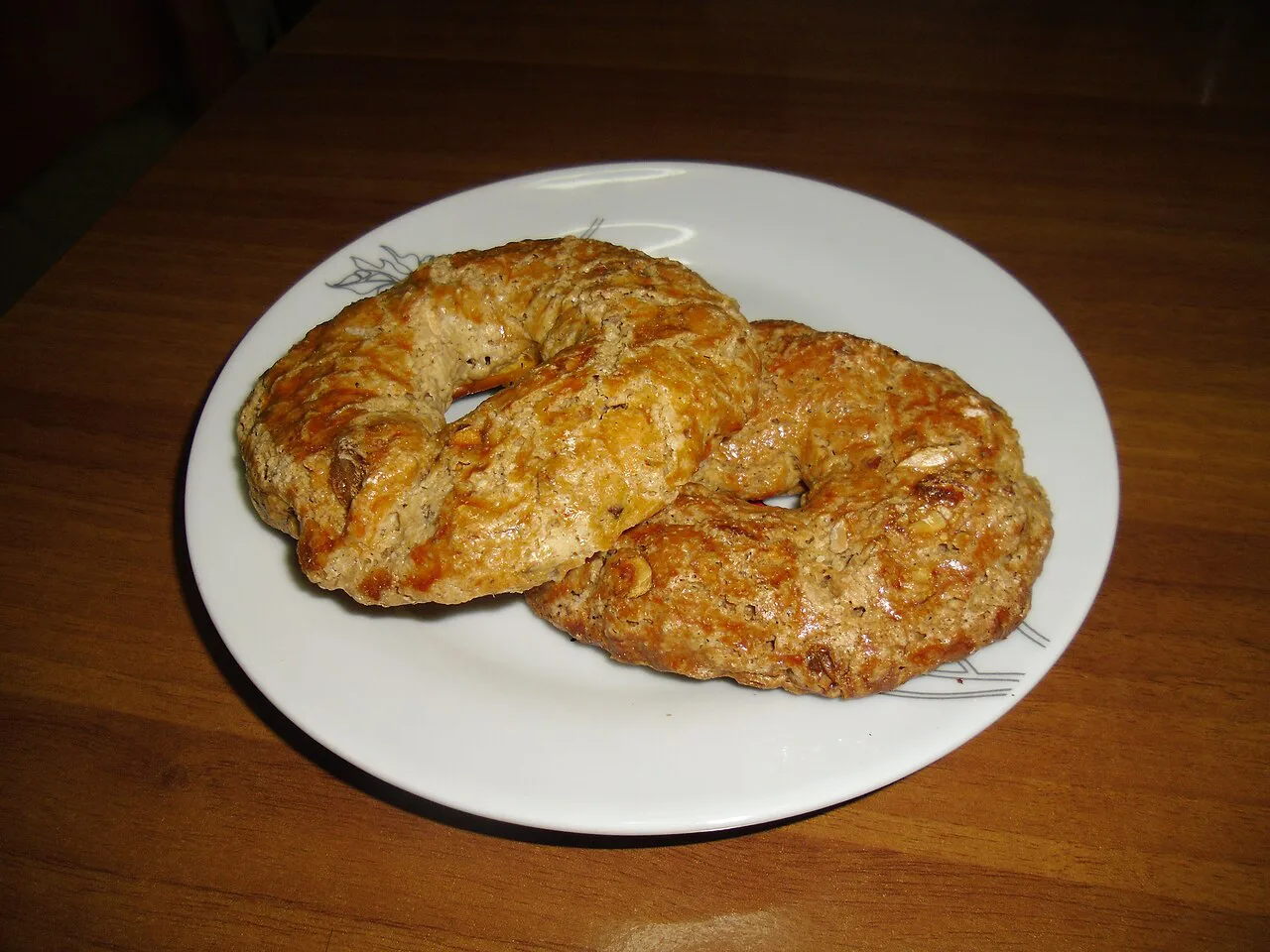
Spaghetti alle vongole and fried fish: the Christmas Eve courses
Popular Christmas Eve dishes include spaghetti alle vongole (spaghetti with clams), assorted fried fish, seafood salads, vegetable stews and comforting bean soups. In some areas pizza also makes an appearance, which surprises visitors expecting an all-fish affair.
A workable Christmas Eve menu takes that shape: something fried to start, a seafood pasta or soup in the middle, then a baked fish. Starters might be fried calamari, stuffed clams or toasted bread with cream cheese and smoked salmon, and the main course often includes baked fish such as baccalà (salt cod) or salmon.
Pasta filled with lobster or crab, or a clam chowder, can sit between the starters and the main. Frying and baking rather than roasting keeps the meal feeling light, which matters when Christmas Day is still to come. If you are ordering in a restaurant, look for the seafood section rather than the roast.
The Feast of the Seven Fishes and its claimed Sicilian roots
The Feast of the Seven Fishes is an Italian-American tradition rather than an Italian one. It appears to have been brought to the US by Sicilian immigrants in the 1900s, and Sicily's strong fish and seafood culture may have shaped it, though these are claims rather than settled history. The number seven is said to have been chosen for its biblical symbolism.
There is no fixed list of fish, and the selection varies by location and family. Some tables serve several courses, others a handful. If you are planning one, pick what looks best on the day rather than chasing a canonical set of seven species.
Christmas Day lunch, course by course: antipasto
Christmas Day follows the Italian course order, and antipasto is where the lunch opens. These are small, salty, shared plates designed to wake up the appetite rather than fill it. Keep the portions modest, because three more courses are coming.
Think cured meats, cheeses, pickles and bread rather than a heavy first plate. The antipasto is also the point where a festive table stretches to include everyone, since people can take what they like while the kitchen finishes the pasta. If you are hosting, prepare it in advance so you are not stuck in the kitchen.
Primo: the pasta that opens the meal
Primo, the first course, is where stuffed and filled pastas come into their own at Christmas. Comforting stuffed pastas are one of the defining ideas of the Italian festive table, and the primo is their moment.
Keep the portion small and the sauce restrained. The primo is a stepping stone to the roast, not a meal in itself, and a large plate of pasta will end the lunch before it has properly begun. That is the most common mistake a visitor makes when building an Italian menu.
Secondo e contorno: the roast and its sides
Secondo e contorno means the main course and its side dishes, and this is the heartiest part of Christmas Day. The roast anchors the plate, with vegetables alongside, and the meal is long and abundant by design.
Because the main course is substantial, it rewards a simple approach: good meat, carefully cooked vegetables, and no need to pile on extra starch. If you are cooking at home, choose one side and do it well. The lunch already runs to four courses without adding more.
Dolce: panettone and the Christmas sweets
Dolce is the sweet close to the lunch, and in Italy that means panettone alongside other festive sweets. The dessert course is expected even after three savoury ones, though the slices are usually small and the cake is shared.
Panettone is a light, airy sweet bread rather than a rich pudding, which is precisely why it works at the end of a long lunch. Buy it from a pasticceria or a good bakery and serve it in thin slices so people can keep going. There is no need for anything heavier on top.
Santo Stefano: the relaxed day on leftovers
Santo Stefano on 26 December is the closing act of the three days, and it is built on the food left from before. After the effort of Christmas Day, the point is a relaxed leftover feast rather than another production.
For a visitor or a host, that means planning Christmas Day with the next day in mind. Cook slightly more roast and keep the panettone, then let people help themselves. It is also the day when a simple table of leftovers feels entirely correct.
Why the menu changes from region to region
Across Italy every region has its own traditional festive foods, and within a single region recipes often change from town to town. Some dishes are similar and many traditions are shared, but there is no single national Christmas dish.
That explains why two Italian colleagues can describe completely different Christmas tables. If you want to taste the real thing, ask which town a dish comes from before you ask for the recipe. The answer is usually the most interesting part.
Tasting the Christmas table outside the family home
If you want a taste of the Italian Christmas table without a family invite, aim for a bakery or pasticceria with panettone on the counter, and order the seafood courses in a restaurant that cooks them plainly. Fried fish, spaghetti alle vongole and baccalà are good signals.
If you are building a wider Italian eating plan, our guide to the best food cities in Italy is the natural next stop. For the higher end of the festive table, the Michelin star restaurants in Italy are where a long Christmas-style lunch gets its most polished treatment.
Which of the three days should you plan around?
Food is the thread to plan around: a light Christmas Eve, the full course lunch on Christmas Day, and a deliberate leftovers day on 26 December. Build your menu in the Italian order, with a modest antipasto, a small primo, a solid secondo and a slice of panettone, and the lunch will behave like a real one.
If you are travelling rather than cooking, look for seafood on the Eve and a bakery with panettone on the day. Our guide to Italian seafood explains the fried and baked fish to look for on the Christmas Eve table.
Explore more Italy food guides
Frequently Asked Questions
What is a traditional Italian Christmas dish?
There is no single national one. Spaghetti alle vongole, assorted fried fish, bean soups and vegetable stews are common on Christmas Eve, while Christmas Day brings the course lunch of antipasto, primo, secondo e contorno and dolce. Recipes change from region to region and even from town to town.
What are three traditional Italian Christmas traditions?
A meat-free Christmas Eve, a long Christmas Day lunch served in courses, and a relaxed Santo Stefano on 26 December built on the food left from before.
What dessert is traditionally eaten in Italy during Christmas?
Panettone is the festive sweet that ends the Christmas Day lunch, alongside other festive sweets.
What are some traditional Italian side dishes for Christmas?
The contorno sits alongside the roast and usually means simply cooked vegetables, since the main course is already substantial and the lunch runs to several courses.
Sources
Notes for your next meal in Italy
Optional updates to our food guides.
You might also like
Continue reading
More guides you'll find useful