Modica Chocolate: What It Is and What to Buy
Modica chocolate is a coarse, crumbly bar from south-eastern Sicily, ground rough and barely processed. Here is what gives it that texture and what to buy.
On this page
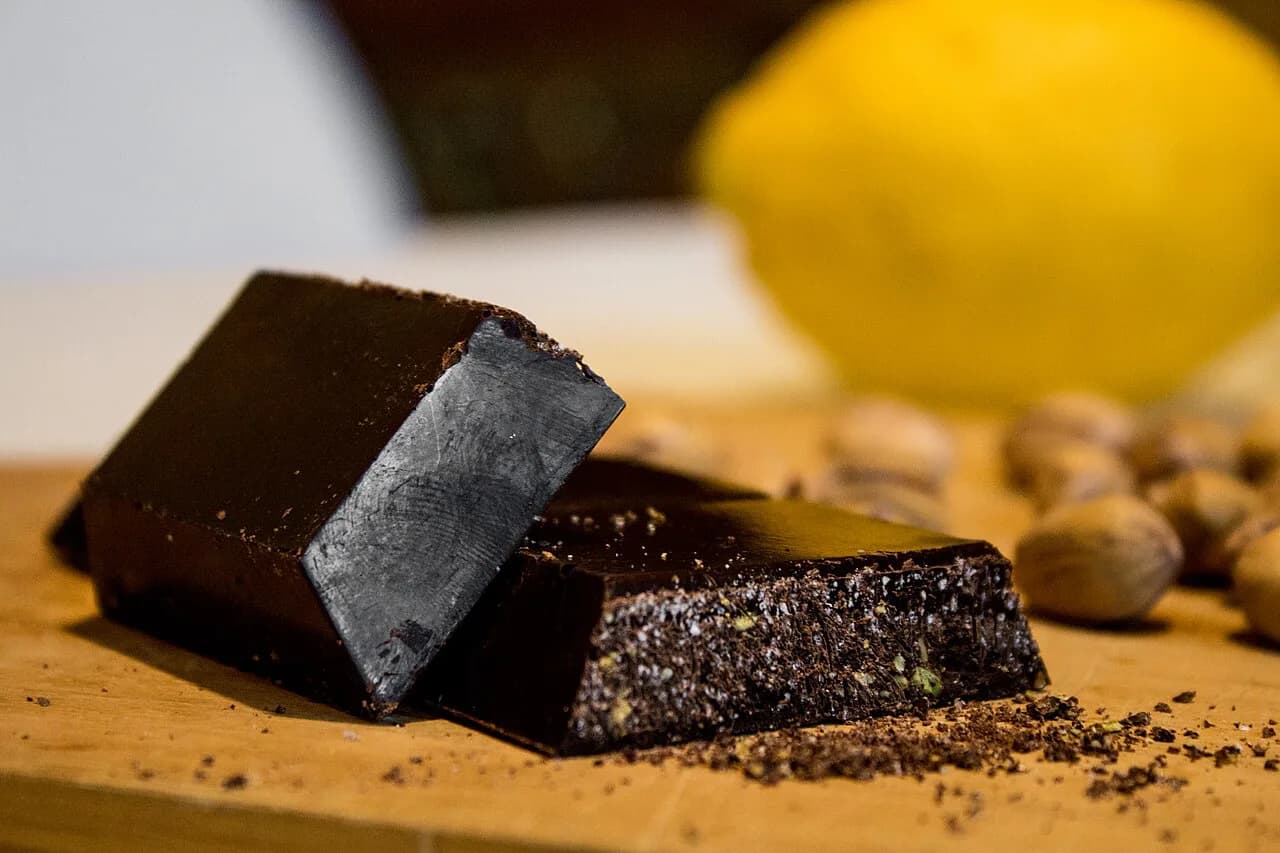
Modica chocolate is a coarse, crumbly bar from south-eastern Sicily, ground rough and hardly processed rather than refined into a smooth, glossy chocolate. That rough grind is the reason it snaps into shards and crunches between your teeth instead of melting on the tongue. This guide explains the method as producers describe it, the flavour, the story behind the recipe and how to choose a bar without being misled by the packaging.
Modica sits in the province of Ragusa, and chocolate has been made there since the sixteenth century, according to a producer interview published by the chocolate brand VIVANI. The city's chocolate identity is inseparable from its baroque centre, rebuilt after a devastating earthquake in 1693, which makes a bar an easy and portable thing to seek out while you walk the old streets.
What Modica chocolate is
Cioccolato Modicano (chocolate from Modica) is a form of chocolate that producers describe as hardly processed and original in taste, ground rough rather than refined smooth. Alberto Vicari of the organic Modica maker Il Modicano describes it in those terms. The result is a bar with a coarse, uneven texture rather than the smooth snap of a mass-market bar.
Modica is known for the crumbly specialty, and the town has many chocolatiers producing it on a non-industrial scale, which means small variations in grind and sweetness from one workshop to the next. Treat the style, not a single brand, as the thing you are buying.
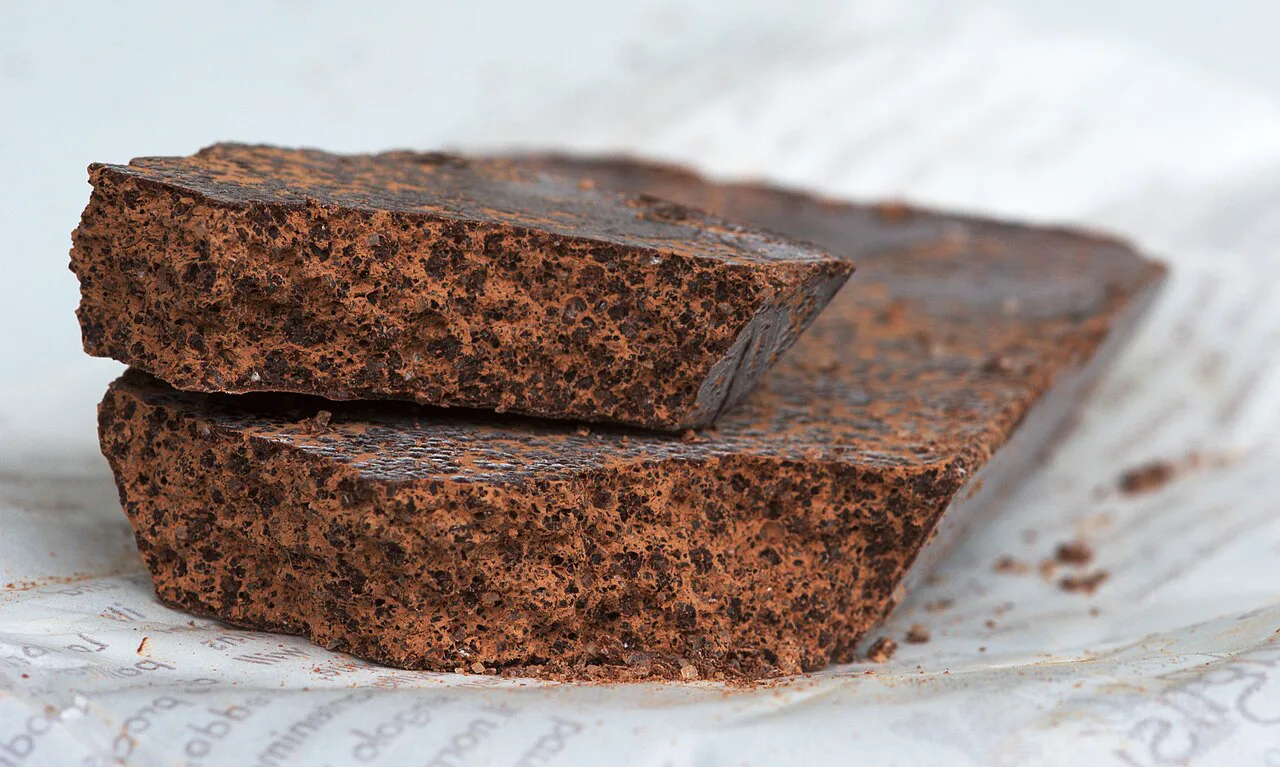
Why the texture is grainy and coarse
A bar can look slightly dull or uneven in colour and surface and still be perfectly good; that is a feature of this style of chocolate rather than a fault. Judge it by taste and aroma, not by whether it has the glossy sheen of a mass-market bar.
Because the bar is coarse and firm rather than soft and melting, it holds its shape better than a truffle or a milk chocolate bar would in a warm bag on a Sicilian afternoon. That makes it a practical souvenir to carry home.
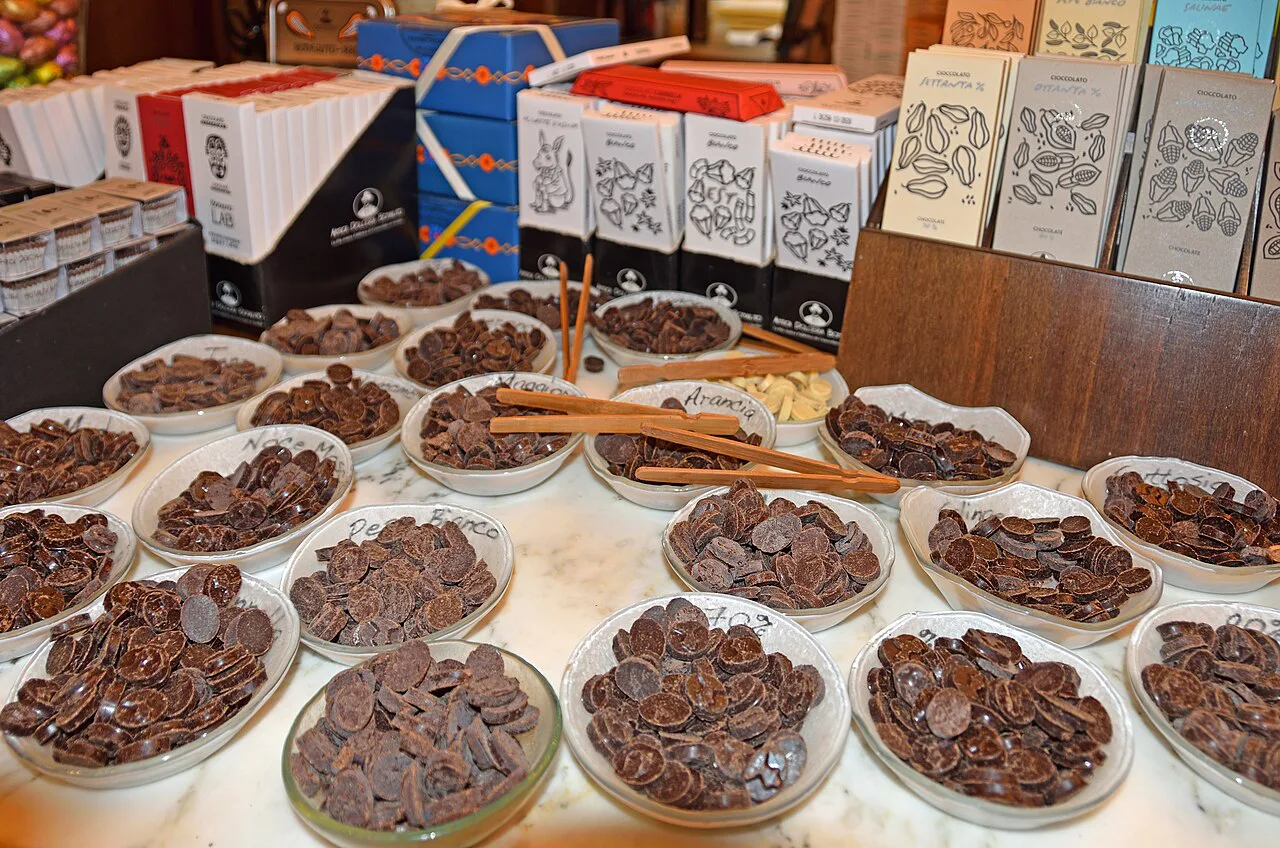
The flavour: bitter, aromatic cocoa rather than sweet and milky
Expect a direct, bitter cocoa taste with less sweetness than a mass-market bar, and an aroma that arrives before the sweetness does. Vicari calls the taste original and aromatic, and the coarse grind leaves visible grain in the bar. Eat a small piece first rather than a whole square; the intensity builds.
Because the base is simple, the difference between a good bar and a dull one is mostly the cocoa and the care taken with it. Dark versions push the bitterness further; sweeter interpretations soften it. If you normally take milk chocolate, buy one small plain bar before committing to a box.
Where the recipe came from and how it reached Modica
The recipe most likely reached Modica from Spain, carried by the occupying powers that moved through this part of Sicily over the centuries, and producers describe it as essentially unchanged since. That origin story is a claim repeated by local producers rather than a documented certainty, so treat it as the tradition behind the bar rather than a proven line of descent. What is not in doubt is how long the method has persisted locally.
Producers date traditional chocolate making in Modica to the sixteenth century, though the product only became widely known across Italy in the last twenty years, following a 1999 television chat-show interview with Franco Ruta of Antica Dolceria Bonajuto, the town's best-known chocolatier. That television moment is a useful reminder that Modica's reputation is recent as a national story, even though the craft is old.
The 1693 earthquake and Modica's baroque rebuild
An earthquake destroyed Modica in 1693, and the town was rebuilt quickly in the ornate baroque style that now defines its streets; the centre is a UNESCO World Heritage Site. The workshops today sit within that rebuilt fabric, which is why buying a bar here feels tied to the city rather than to a factory visit. Set aside time to walk between shops rather than treating it as a single stop.
The old town climbs steeply, so plan your chocolate buying around a route up or down rather than doubling back. Modica has around 55,000 inhabitants and is a tourist draw largely on the strength of this setting and its chocolate. A morning start keeps the walking cooler and the shops calmer.
What to look for on the label when buying a bar
Read the ingredient list before the front of the pack. The traditional product is ground rough and hardly processed, so a short, plain list is a better sign of the classic style than a long one padded with fillers. If the label leads with sugar or lists a lot besides cocoa and sugar, you are looking at a different kind of confection.
Check where it was made, not just where it was designed. Modica's reputation rests on chocolate produced in the town, and Vicari notes that newer makers have introduced organic, vegan and fair-trade chocolates and promoted Modica chocolate abroad. A bar that names a Modica workshop is a more meaningful purchase than one that simply uses the town's name as a flavour cue.
Plain versus flavoured bars: what chocolate makers in Modica produce
The plain bar is the benchmark: cocoa and sugar, ground rough and hardly processed. Around it, Il Modicano sells a wider range, including extra-dark bars sweetened with coconut sugar, soya-based alternatives to milk chocolate, sweet creams made with hazelnut, pistachio or almond, and drinking chocolate. Sweet creams, Vicari says, are the maker's bestsellers, so expect the spreads and creams to be pushed at you as much as the bars.
The trade-off is straightforward. A plain bar shows you why Modica is known for chocolate; a pistachio or hazelnut cream is easier to like and makes a safer gift, but the nuts and extra sugar mask the cocoa. Buy one of each rather than choosing, and keep the plain bar for yourself.
How to eat it: with coffee, grated over desserts, or on its own
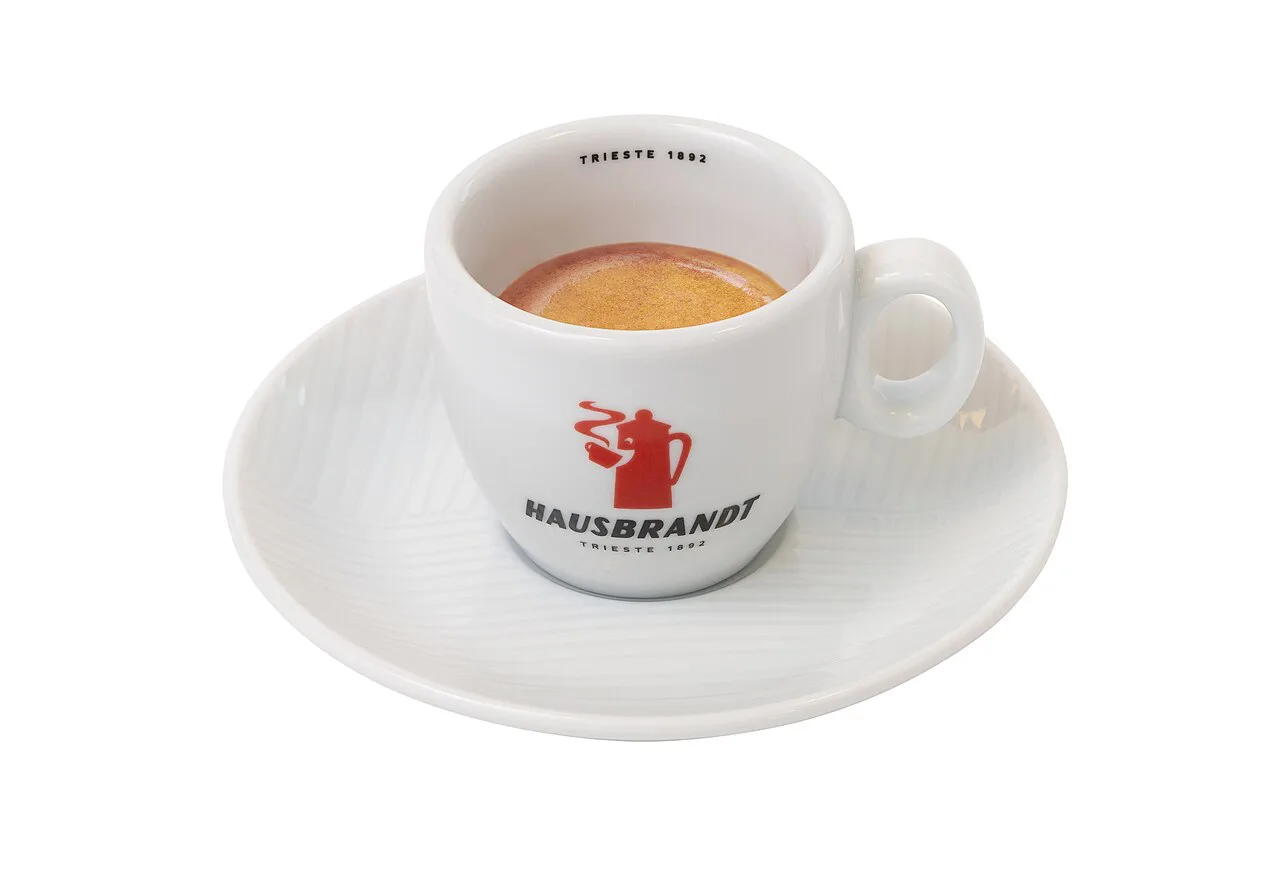
The simplest way is a square alongside an espresso, where the bitterness of the coffee and the bite of the chocolate balance each other. Because the bar is coarse, it does not dissolve into the cup; eat it rather than stirring it in. Drinking chocolate from Modica is a separate product and is worth trying warm.
In the kitchen, grate or shave it over ice cream, ricotta creams or a plain cake where you want texture and a bitter edge rather than a sweet glaze. It also works chopped into biscuits and Sicilian desserts that already lean on almonds and citrus. Think of it as a seasoning as much as a snack, and look at the wider world of Italian desserts for the puddings and pastries it sits beside.
Buying Modica chocolate in the UK and online
Outside Sicily, the reliable route is a specialist Italian deli or a shop that names the producing workshop on the label, rather than a general sweet shop selling an unbranded block. Online, buy from a retailer that states the maker and the ingredients. If the ingredient list is not shown, ask before ordering.
For a wider sweep of Italian chocolate styles before you commit, compare what you find with bars from other regions. The Modica bar is the outlier in texture, not in quality, and knowing that stops you judging it against a smooth Piedmont or Tuscan bar.
Why Modica is called Sicily's chocolate city
Modica earns the name because the chocolate is made there, in quantity, by many small workshops using a method that belongs to the town. The combination of a baroque UNESCO World Heritage centre and a chocolate tradition reaching back to the sixteenth century is what gives the town its pull. It is a working food town, not a theme park.
For a food-focused trip in Sicily, Modica slots naturally into a day built around eating rather than sightseeing: arrive, walk the old town, buy a plain bar and a cream, and stop for coffee. If you are planning a broader sweet-tooth itinerary, our guide to Sicilian desserts covers the island's pastries and iced sweets alongside the chocolate.
Which bar should you buy first?
Start with a plain bar from a workshop that names Modica on the label, taste it against a flavoured or cream version, and let the texture tell you whether the style is for you. If you only have room for one purchase, take the plain bar; it is the version that explains the town.
Buy in Modica if you can, from a maker whose workshop is named on the pack, and choose a specialist deli or an online retailer that names the producer if you are shopping from the UK. Keep the bar cool and eat it while it is still fresh.
Explore more Italy food guides
Sources
Notes for your next meal in Italy
Optional updates to our food guides.
You might also like
Continue reading
More guides you'll find useful