Italian Cookies: Biscuits to Know and How They're Eaten
A plain guide to Italian cookies, from amaretti and cantucci to breakfast biscuits dunked in caffè latte, with what each one is and where to buy them.
On this page
Italian cookies are biscuits rather than the soft, chewy cookies sold in Britain and the US: small, often dry, frequently almond-based and designed to be dunked. The single most useful thing to understand is that many of them belong to breakfast, eaten with a caffè latte (a milky coffee) at the start of the day. This guide covers the biscuit families worth knowing, how they are bought by weight in a pasticceria (pastry shop), and where they sit in an Italian eating day.
A pasticceria sells some of them loose, weighed out and boxed, while supermarkets stock national brands in packets. The trade-off between the two runs through the whole purchase, so it is worth deciding before you walk in what you want them for.
What Italians mean by cookies: biscotti and the pasticceria counter
The Italian word biscotto literally means twice-cooked, which describes the original method of baking a dough, slicing it and drying the slices in the oven so they keep for weeks. That hard, dry texture is a feature, not a fault: it is what makes a biscuit sturdy enough to be plunged into hot coffee without collapsing. In a pasticceria, biscuits sit alongside cakes, pastries and sometimes a tray of pasta frolla tartlets, usually sold by weight.
Buying by weight lets you take a mixed quarter-kilo of four or five kinds, the most practical approach if you want to compare styles. Point at what you want and say how much; counter staff will pick and box the biscuits for you. A box of good biscuits is also one of the few Italian food gifts that travels well.
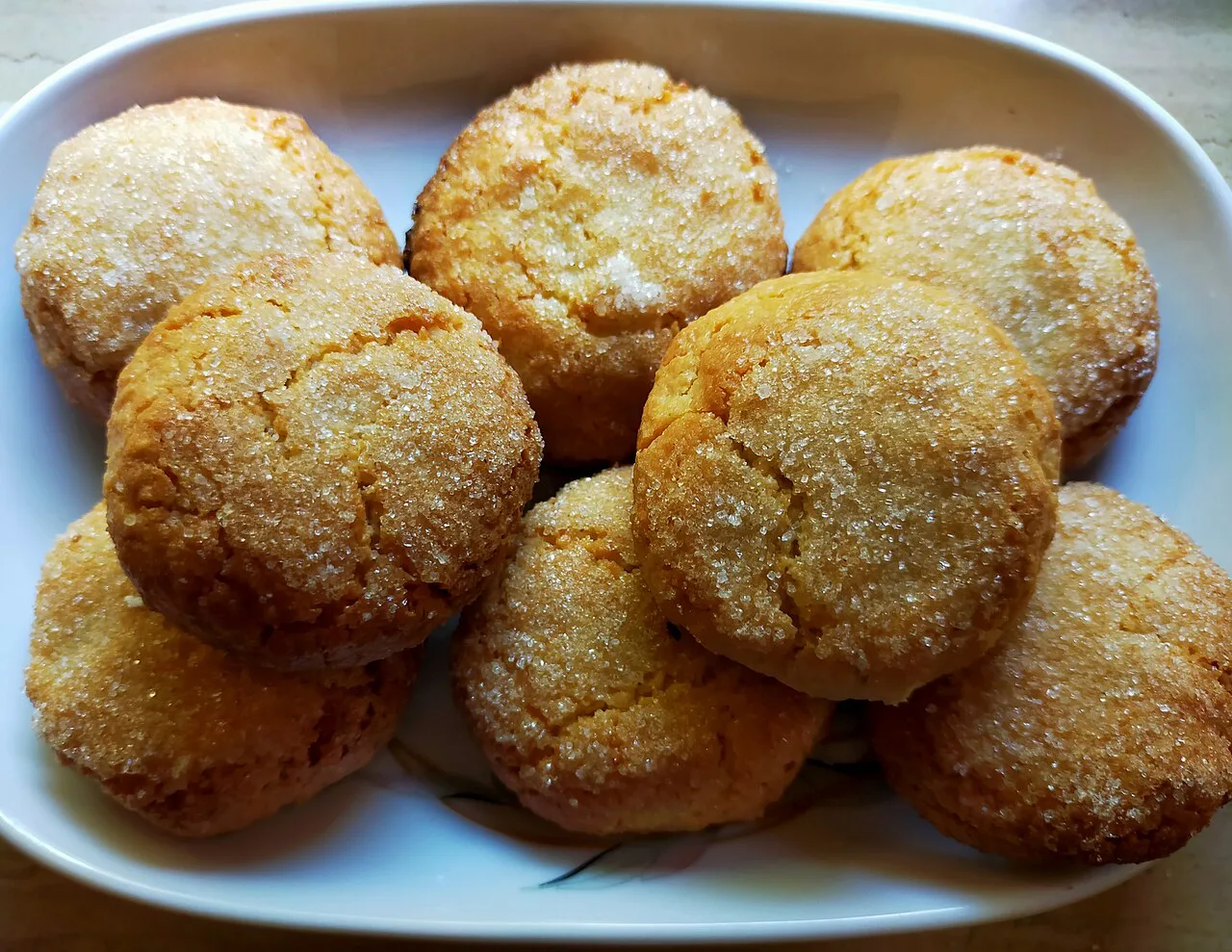
Breakfast biscuits and the morning caffè latte dunk
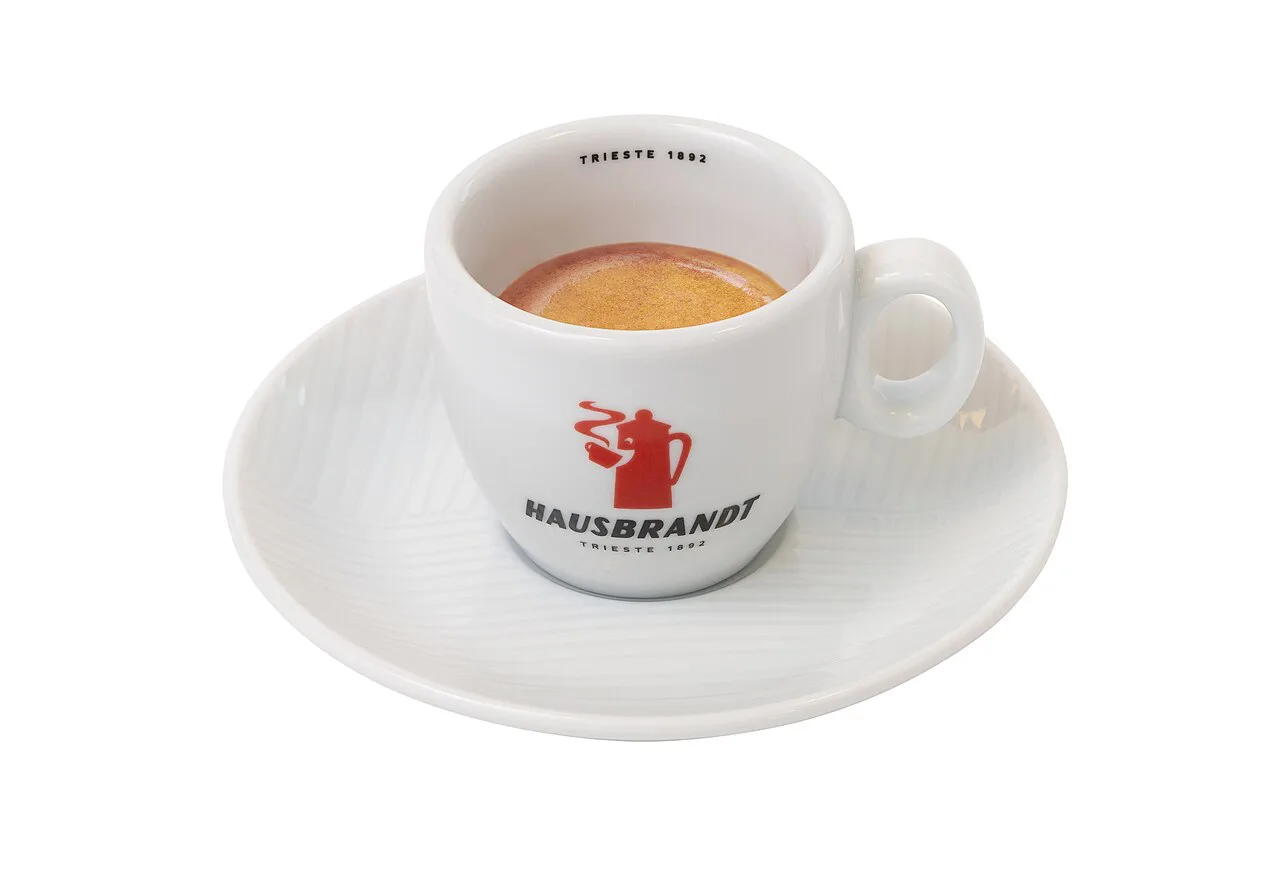
The Italian breakfast is famously light: a coffee, often a caffè latte or cappuccino, and something small to go with it. Biscuits are central to that habit because they are made to be dunked, softening just enough in the hot milk without disintegrating. If you want the drink side of the ritual explained properly, our guide to Italian Coffee: The Bar, the Drinks and How to Order covers the bar counter in detail. Watch a bar counter in the morning and you will see the motion repeated: biscuit in, quick lift, bite, sip.
What is the difference between biscotti and cantucci? Biscotti is the general Italian word for biscuits or cookies, covering everything from plain breakfast biscuits to almond specialities. Cantucci are a specific type of twice-baked almond biscuit, so all cantucci are biscotti but not all biscotti are cantucci.
Why do Italians dunk biscuits in coffee? The breakfast biscuits sold for the morning are deliberately dry and crisp, which makes them soften quickly when plunged into hot caffè latte without falling apart. It is a practical pairing rather than a ceremony: a light sweet bite with the coffee.
Do Italian biscuits contain butter? It depends on the kind: plain breakfast biscuits are commonly made with oil and milk rather than butter, while some sandwich and shortcrust biscuits are richer. Almond biscuits like amaretti and cantucci get their character from nuts rather than butter.
The biscuits made for this job are plain and not too sweet, usually bound with egg, milk and oil rather than butter and raised with baking powder, then rolled in granulated sugar before baking so the outside crisps while the middle stays slightly soft. Home bakers shape them into small oblongs, roughly the length of a finger, which fits neatly into a mug. The biscuits keep for days in an airtight tin.
To try it, order a caffè latte at the bar in the morning and pair it with a plain breakfast biscuit for dunking. Do not expect butter-rich shortbread flavours here, because the point is a dry, lightly sweet vehicle for coffee. It is also the cheapest and quickest introduction to the whole repertoire.
Amaretti: what they are and where they sit among Italian biscuits
Amaretti are the almond biscuits most visitors already know by name, and they come in two broad styles: soft, chewy ones and hard, dry ones that are closer to a macaroon than a cookie. Both are intensely almondy, and the soft sort is often wrapped individually and sold in brightly coloured boxes. They are sweet rather than bitter despite the name.
Sardinian bakers make their own almond biscuits, and the tradition runs deep across the island's sweet repertoire. If you are building a picture of how biscuits change from region to region, it is worth looking at Sicilian Desserts as a group, where almond and myrtle flavourings recur.
Amaretti are eaten with coffee, crumbled over desserts, or alongside a glass of sweet wine, and the soft ones often end a meal. Buy them from a pasticceria for freshness and loose choice, or in a supermarket if you want a sealed box for the journey home. The dry style travels better, so it is the safer suitcase choice.
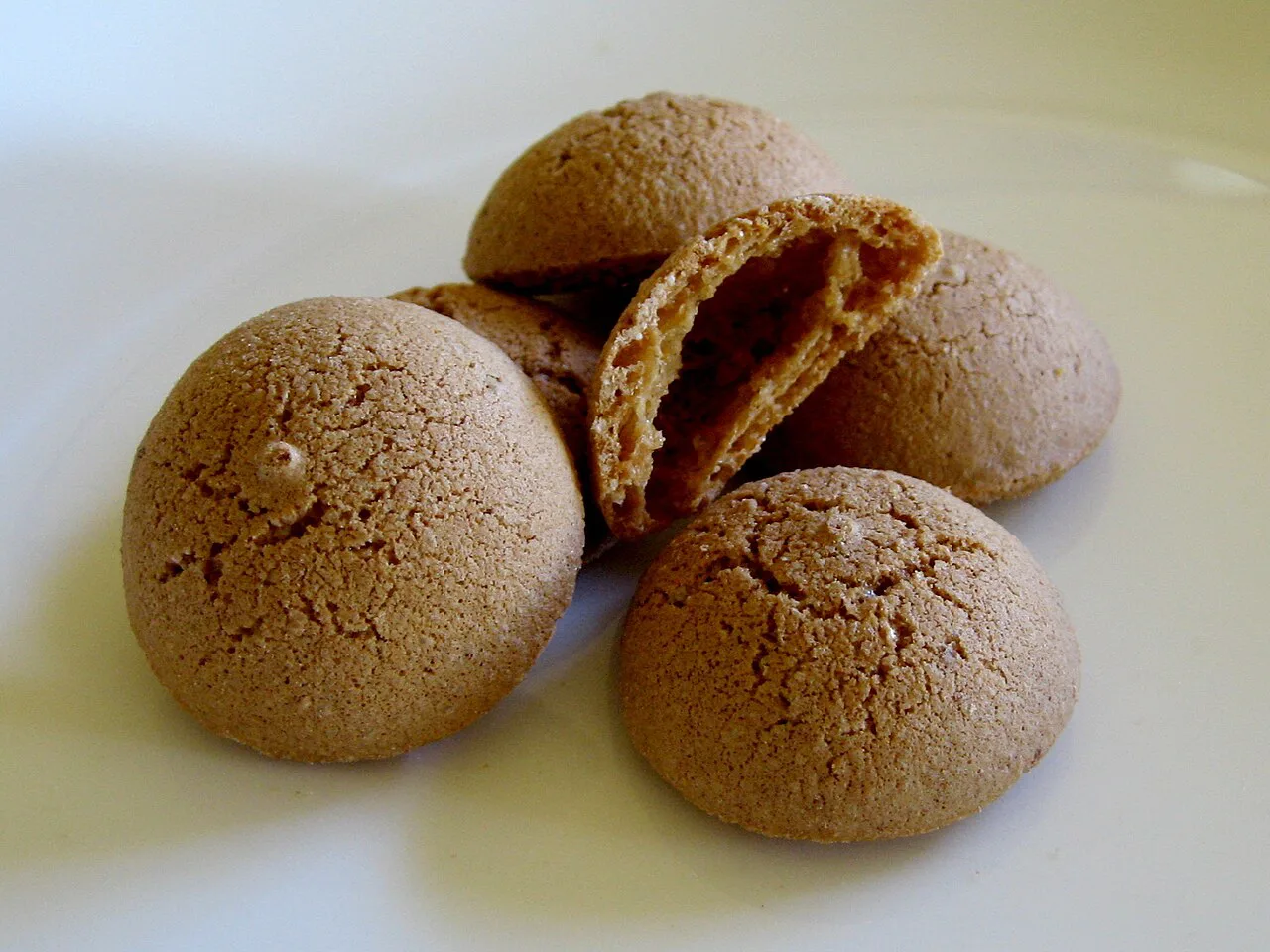
Cantucci and other twice-baked biscuits
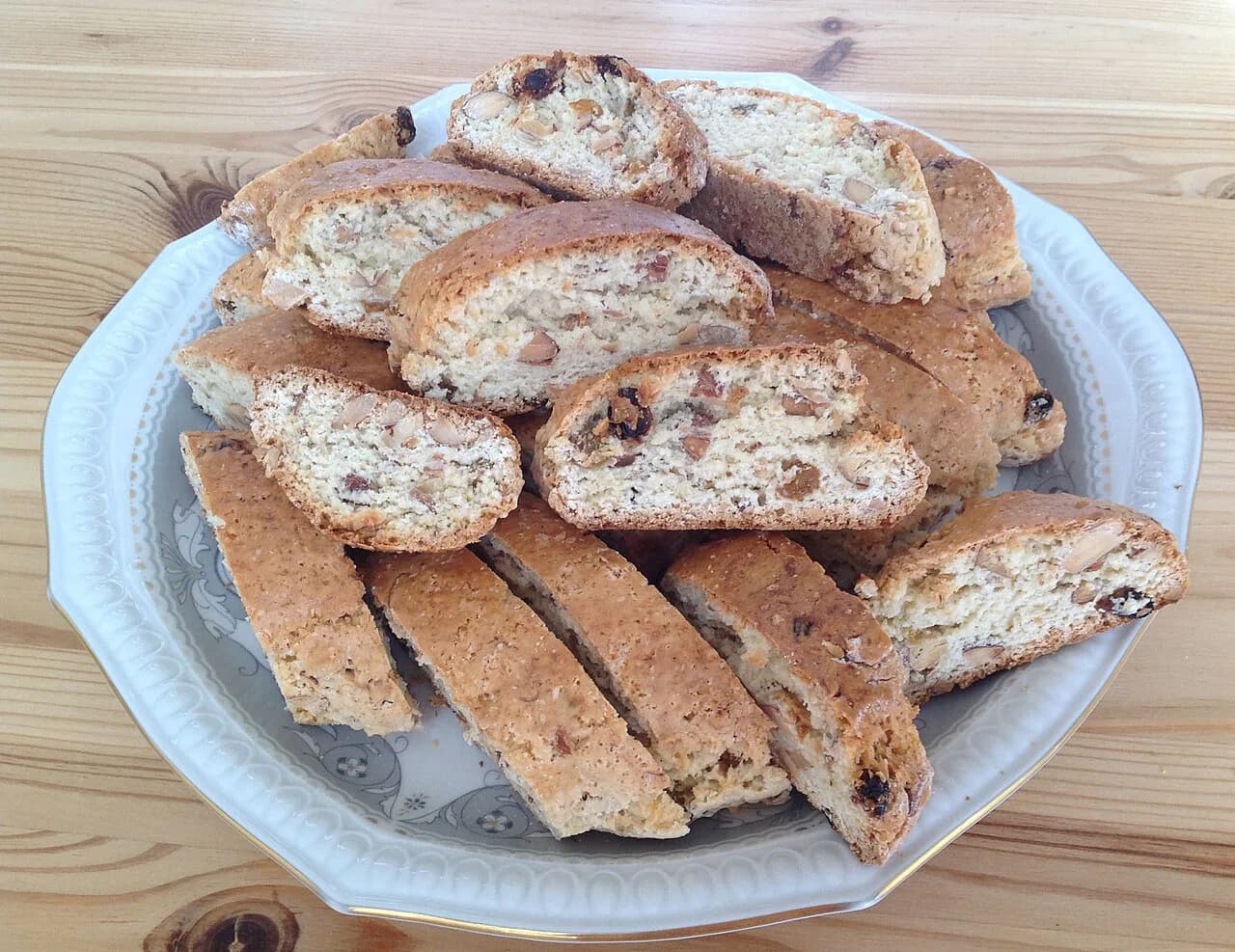
Cantucci are the most famous member of the twice-baked family: a dough studded with whole almonds, baked in a log, sliced, and returned to the oven to dry. The result is a hard, nutty biscuit traditionally dunked in a small glass of sweet wine, though coffee works just as well. Because they are dry by design, they keep for a long time and tolerate being carried around.
Twice-baking is a preservation technique as much as a flavour choice, and the names in this family are variations on the same idea: a lean dough, a long shelf life, and a texture that demands a drink. You will find sliced almond biscuits in most pasticcerie, sometimes plain and sometimes with dried fruit or spices. They are the biscuits most likely to be sold in a paper bag and taken straight to a bench.
When buying cantucci, look for whole almonds visible on the cut face, which tells you the dough was not padded out with flour. A very pale, crumbly slice with few nuts is the cheaper end of the range, and the trade-off shows at the till.
Baci di dama and small sandwiched biscuits from the north
Baci di dama, literally ladies' kisses, are small northern biscuits made of two domed halves sandwiched with a filling, traditionally chocolate. They are hazelnut-based, crisp rather than chewy, and eaten in a bite or two, which makes them the sort of thing that disappears from the box faster than you expect. On a counter, look for a tiny ball with a visible seam of filling around its middle.
The north has a strong habit of pairing nuts with chocolate in small biscuits, and baci di dama sit in that tradition alongside other sandwich biscuits filled with jam or cream. They are a pasticceria biscuit rather than a breakfast staple, typically served with an afternoon coffee or at the end of a meal. Buy them loose by weight if you can, because the chocolate filling suffers in a warm car or a hot suitcase.
Sicilian biscuits and the southern sweet tradition in brief
Sicily treats sweet things with an intensity that shows up in its biscuits as much as in its cakes: almonds, citrus and vivid colours recur, and many shapes are tied to particular towns or feast days. The pastry tradition here borrows heavily from Arab and Norman influences, which is why Sicilian sweets taste unlike anything further north. A box of mixed Sicilian biscuits is a compact way to sample that range.
Among the Sicilian specialities worth knowing is pasta reale, a marzipan-like almond paste mixture, as well as fragola, a tiny marzipan sweet.
For a sense of how far southern pastry extends, it helps to know that the repertoire around Naples developed separately, with its own laminated pastries, and the sfogliatella is a good example. Understanding these pastry families makes a biscuit counter easier to read.
How cookies are bought: by weight in a pasticceria, boxed elsewhere
There are four practical routes to buying Italian biscuits: a pasticceria selling loose by weight, a supermarket selling national brands, a café or bar with packaged biscuits at the counter, and a salumeria (delicatessen) with a shelf of regional boxes. The first gives you variety and freshness but demands a conversation and a box that will not survive a hot afternoon. The other three give you shelf life and a sealed packet, at the cost of freshness and choice.
Buying by weight works like this: choose your kinds, say how much in etti (a hundred grams at a time), and the staff will weigh and bag them. A quarter of a kilo is a sensible amount for two people to eat within a few days. Loose biscuits are at their best quickly, so plan to eat them rather than carry them.
If you want a sealed box for gifts or luggage, look for the region name on the packaging: many brands specialise in one city or area, and a cantucci from Tuscany or an almond biscuit from Sicily is a clearer souvenir than a generic mixed box. A department-store food hall helps here, because it groups regional producers in one place.
What to look for on an Italian biscuit counter
A good counter tells you most of what you need at a glance: almonds should be visible on the cut face of a cantucci, the filling of a sandwich biscuit should be evenly centred and not squeezing out, and a plain breakfast biscuit should look dry and lightly cracked from its sugar coating. Anything soft and cake-like in a biscuit tray is probably a different pastry.
The choice between a pasticceria box and a supermarket packet comes down to what you are doing with them. For eating over the next few days, loose biscuits win on choice and fresh texture, and you can buy exactly as much as you need. For a gift, a long journey home, or a large group, a sealed packet is more practical and keeps its texture far longer.
Ask the counter staff what the biscuits are called and what is in them; most will happily explain, and a name written down is the best way to remember what you liked. Note whether the filling is chocolate or jam, since that determines how quickly they need eating. These simple questions turn a random bag of biscuits into something you can find again.
How cookies fit into the rest of an Italian eating day
Biscuits and pastries bracket the Italian day rather than filling its middle: a light sweet breakfast, then an afternoon coffee or an end-of-meal sweet after lunch or dinner. Lunch and dinner themselves rarely finish with anything heavy during the week, and biscuits are a plausible choice at either end. The dessert culture as a whole is broader than biscuits, so think of these as one chapter of a larger story.
After lunch, a restaurant may bring a small tray of biscotti with the coffee, a way of giving you something to dip rather than a proper dessert. If you order pudding, it will usually be a cake, a tart, or something made with pasta frolla. Sweets get their own dedicated attention in the wider picture of Italian Desserts, and that contrast is worth knowing.
If you are choosing what to buy before the trip, keep two thoughts in mind: dry, nutty biscuits survive the journey home and soft, filled ones do not. Dense almond biscuits packed in a tin are the safest suitcase purchase.
Which biscuits to buy first
If you only buy one thing, buy a mixed quarter-kilo from a pasticceria: a few dry almond cantucci, a handful of soft amaretti and a plain breakfast biscuit to dunk the next morning. That selection covers the three families that matter and tells you within a day which style suits you. Supermarket packets make sense for gifts and for anything that has to survive a long trip.
Explore more Italy food guides
Frequently Asked Questions
What is the difference between biscotti and cantucci?
Biscotti is the general Italian word for biscuits or cookies, covering everything from plain breakfast biscuits to almond specialities. Cantucci are a specific type of twice-baked almond biscuit, so all cantucci are biscotti but not all biscotti are cantucci. If you want the almond ones, ask for cantucci by name.
Why do Italians dunk biscuits in coffee?
The breakfast biscuits sold for the morning are deliberately dry and crisp, which makes them soften quickly when plunged into hot caffè latte without falling apart. It is a practical pairing rather than a ceremony: a light sweet bite with the coffee. The same dry texture makes these biscuits keep well.
Do Italian biscuits contain butter?
It depends on the kind: plain breakfast biscuits are commonly made with oil and milk rather than butter, while some sandwich and shortcrust biscuits are richer. Almond biscuits like amaretti and cantucci get their character from nuts rather than butter. Ask at the counter if you specifically want to know what is in a particular biscuit.
How much should I buy at a pasticceria counter?
Biscuits are sold by weight, usually in hundreds of grams, so ask for etti as you go and stop when you have enough. A quarter of a kilo makes a generous selection for two people to eat over a few days. Loose biscuits are best eaten soon, so buy for the next few days rather than the whole trip.
Sources
Notes for your next meal in Italy
Optional updates to our food guides.
You might also like

Continue reading
More guides you'll find useful