Caffè Corretto: What It Is and How to Order One in Italy
Caffè corretto is espresso dosed with a small measure of grappa, brandy or sambuca. Here is what the name means, which spirits bars use and how to order one.
On this page
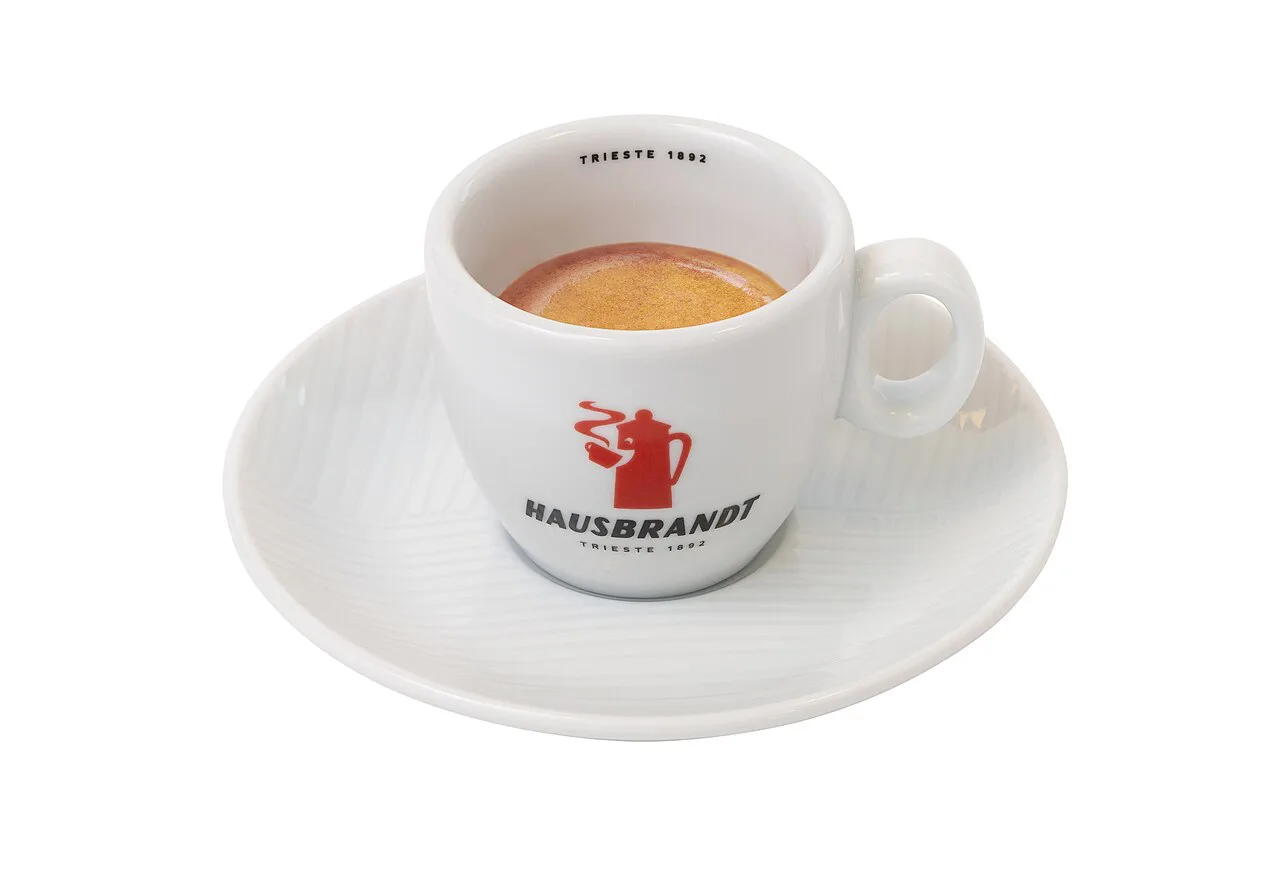
A caffè corretto is a normal espresso with a small measure of spirit added to the cup, usually grappa, brandy or sambuca, and it is drunk standing at the bar as a digestive at the end of a meal. It is not a cocktail and not a morning coffee: the spirit is a correction to the espresso, not the point of the drink. This guide covers the meaning of the word, the three spirits that matter, how the barista assembles it and the Italian phrasing that gets you what you actually want.
What caffè corretto is: espresso with a small measure of spirit
The drink starts as an ordinary single espresso pulled at the counter. The barista then adds a small measure of spirit directly into the cup, so the coffee and the alcohol are drunk together in two or three sips rather than separately. The result is hot, bitter and warming, with the spirit cutting through the coffee's crema. Treat it as an espresso with a kick, not as a long drink to linger over.
What corretto means in Italian
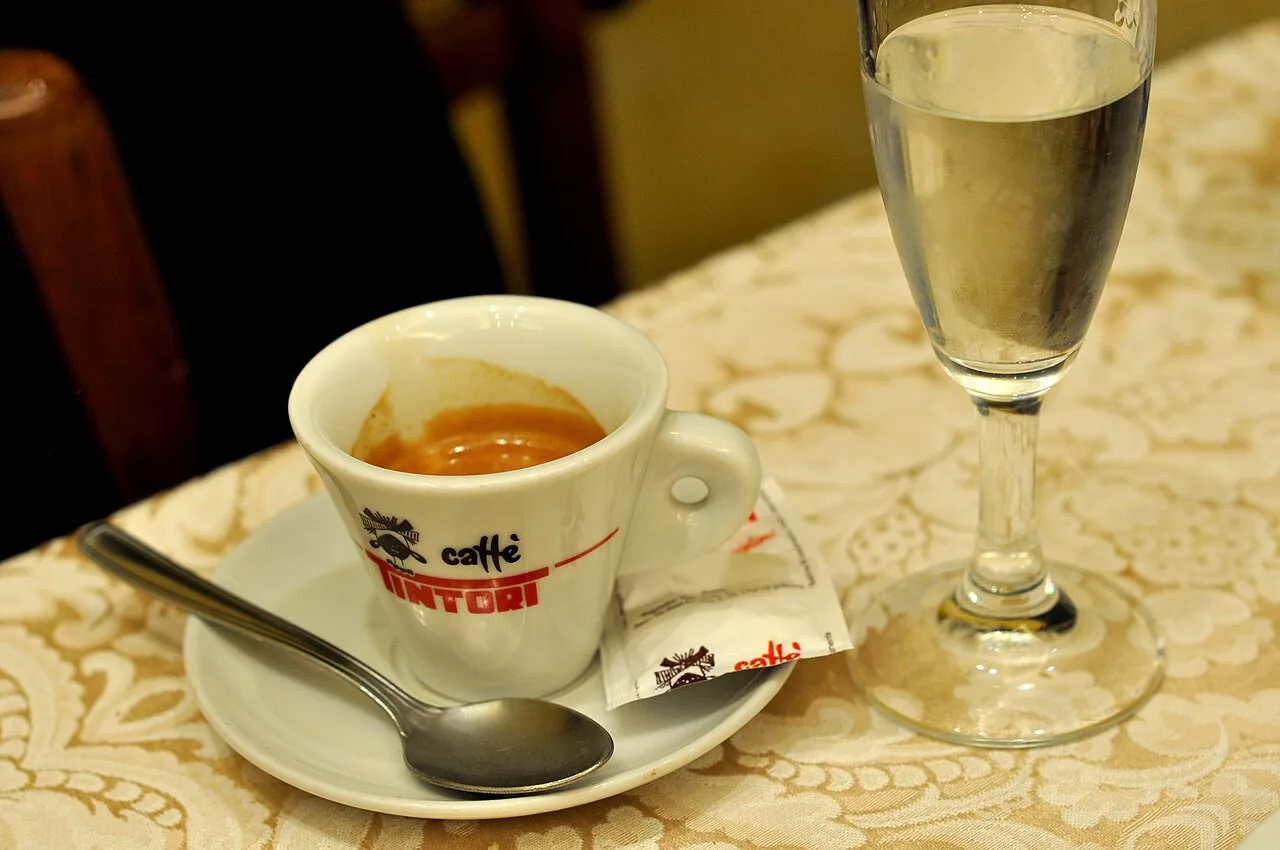
Corretto simply means corrected, and in a bar it describes a drink that has had something added to it. Order a caffè corretto and you are asking for a coffee that has been put right with a drop of something stronger. The same word turns up elsewhere on Italian drinks menus, so the pattern is worth recognising. For the wider vocabulary of espresso, macchiato, ristretto and the rest, the guide to Italian coffee sets out what each term asks the barista to do.
What caffè corretto is: espresso with a small measure of spirit: The drink starts as an ordinary single espresso pulled at the counter.
What corretto means in Italian: Corretto simply means corrected, and in a bar it describes a drink that has had something added to it.
Which spirits go in it: grappa, brandy and sambuca: Three spirits do most of the work in a caffè corretto.
Which spirits go in it: grappa, brandy and sambuca
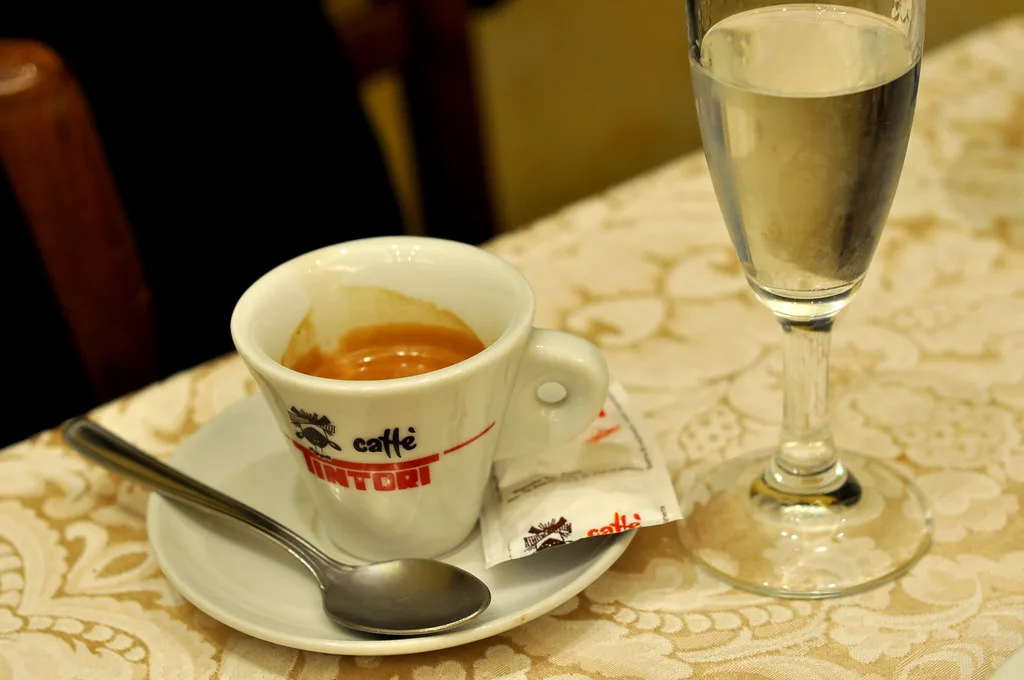
Three spirits do most of the work in a caffè corretto. Grappa, the clear pomace brandy distilled from grape skins, is the most Italian choice and brings a sharp, grapey heat that suits an espresso drunk after lunch. Brandy is the softer option, rounder and less fiery, and it is the safest pick if you find grappa bracing. Sambuca is the sweet one, an anise liqueur that turns the coffee syrupy and liquorice-scented, and it is the version to order if you want the drink to taste like a treat rather than a medicine. A caffè corretto is, in its standard form, an espresso corrected with a liquor, usually grappa, brandy or sambuca.
How the drink is made and served at the bar
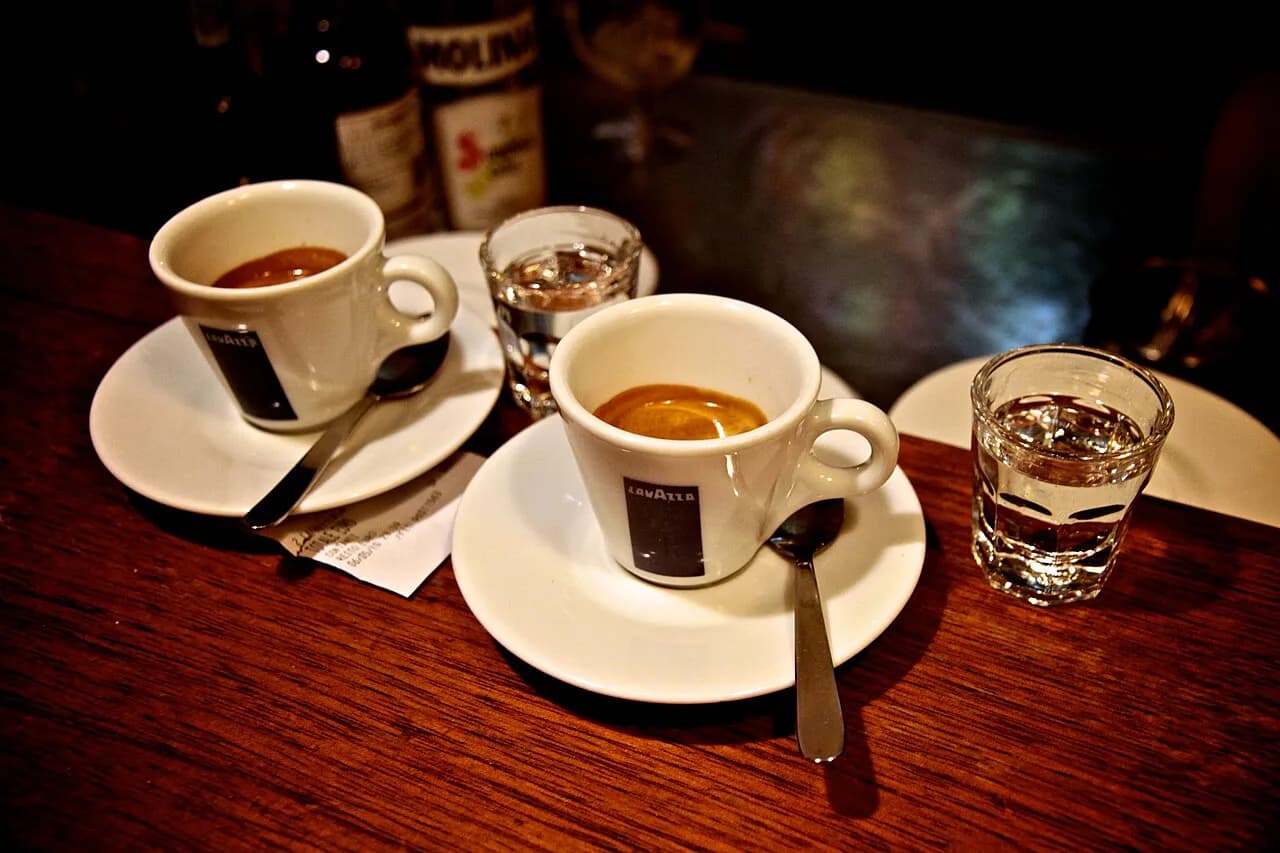
In practice the barista pulls a single espresso into a small cup, then adds a modest measure of the chosen spirit from a bottle kept behind the counter, mixing the two in the cup. You drink it standing at the counter, usually within a few minutes of it being made, and a small glass of water may come alongside. Keep the spirit in proportion to the coffee: a single espresso calls for a small measure rather than a double shot, so ask for poco if you want it lighter.
Ordering it: asking for the corretto and leaving the spirit to the barista
The phrasing is simple: ask for un caffè corretto, and if you have a preference, add the spirit, as in un caffè corretto alla grappa. If you simply say corretto, the barista chooses, which is usually fine and often means grappa. To keep it mild, ask for poco corretto; to skip the guesswork, name the bottle you want. For the wider mechanics of the counter, including the difference between paying first and paying after, see how to order coffee in Italy.
The after-dinner moment when Italians order one
The corretto belongs at the end of a meal, after the plates have been cleared, when the table is still sitting and someone wants a coffee that doubles as a digestive. It also appears mid-afternoon in cold weather, when a plain espresso feels too thin. What it is not is a breakfast drink: mornings at the bar belong to cappuccino, cornetto and a quick espresso, and a spirit at that hour will get you a raised eyebrow. Order it after lunch or dinner and it fits the rhythm of the day.
Trade-offs between a plain espresso and a corretto
A plain espresso is cheaper, quicker and lets you taste the coffee itself, which matters if the bar pulls a good one. A corretto adds warmth and a digestive effect but masks the coffee, and the spirit makes it a drink for one round rather than three. If you have a long afternoon ahead, or a drive, order it senza, meaning plain. The honest rule is to save the correction for the end of the day, when the coffee is a full stop rather than fuel.
Order it plain or corrected?
Order a caffè corretto when the meal is finished, the company is good and you want a coffee that warms you through. Order a plain espresso at breakfast, before anything that requires a clear head, or when the bar's coffee deserves to be tasted on its own. Name your spirit if you have a preference, otherwise let the barista choose and take the small measure as it comes.
Explore more Italy food guides
Sources
Notes for your next meal in Italy
Optional updates to our food guides.
You might also like
Continue reading
More guides you'll find useful