Types of Italian Coffee: What to Order at the Bar
A plain guide to Italian coffee types, from espresso and cappuccino to marocchino and caffè corretto, with what each drink is and how to order it.
On this page
Order a caffè in an Italian bar and you get an espresso: a small, strong shot of black coffee, not a mug of filter coffee. Everything else on the menu is a variation on that shot, adding water, milk, cocoa or a splash of liqueur in measured amounts. This guide runs through the types you will actually see ordered, from ristretto and lungo to cappuccino, marocchino and caffè corretto, and explains the bar routine that goes with them.
What a caffè means in Italy
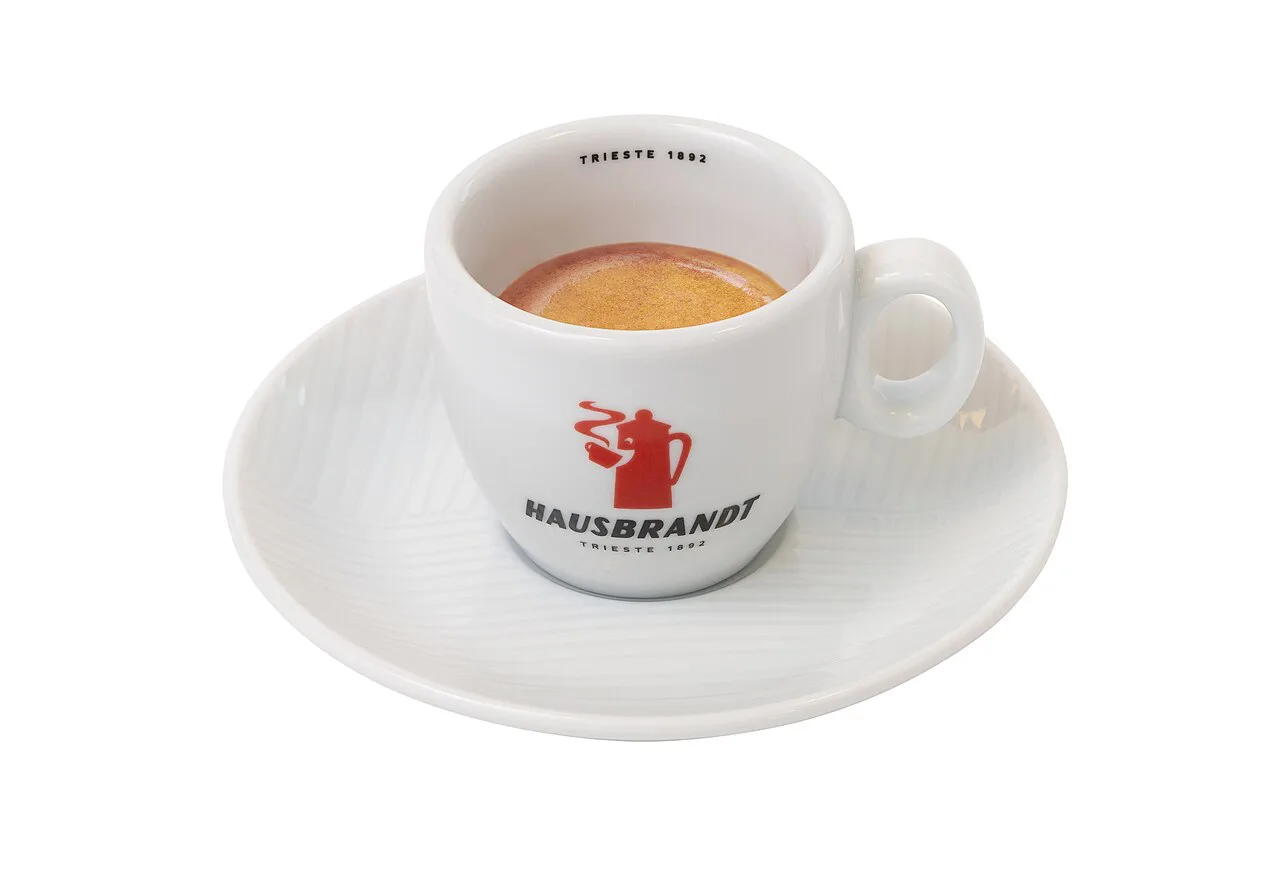
A caffè, or caffè normale, is simply an espresso, and the guide to Italian coffee culture published by Eataly treats it as the default order at any hour. Italians drink it as a quick pick-me-up in the afternoon or after a meal, usually standing at the bar rather than sitting down. Ask for a caffè doppio and you will get a double shot, though ordering one is not typical: the local habit is to return to the bar more than once in a day instead.
Espresso, lungo and americano: strength and water
The espresso machine itself is usually credited to Angelo Moriondo's invention in Turin at the end of the nineteenth century, though investment in the idea only took off in the twentieth. What matters at the counter is how much water passes through the coffee. A caffè lungo is an espresso with a splash of hot water, stronger than a caffè americano, which dilutes the shot with plenty of hot water to approximate the drip coffee visitors expect.
What kind of coffee do Italians drink? Espresso is the everyday drink, taken as a quick shot at the bar, often more than once a day. Milky drinks such as cappuccino and caffè latte belong to breakfast, while a caffè macchiato can be ordered at any hour because it carries so little milk.
Is a latte the same as a caffè latte in Italy? No. A latte on its own is a glass of milk.
What is the difference between a caffè macchiato and a cappuccino? A caffè macchiato is an espresso with just a splash of milk, so the coffee dominates. A cappuccino uses roughly equal parts espresso, steamed milk and foam, which makes it a much milkier drink and a breakfast one in Italian practice.
Cappuccino: what it is and when Italians drink it
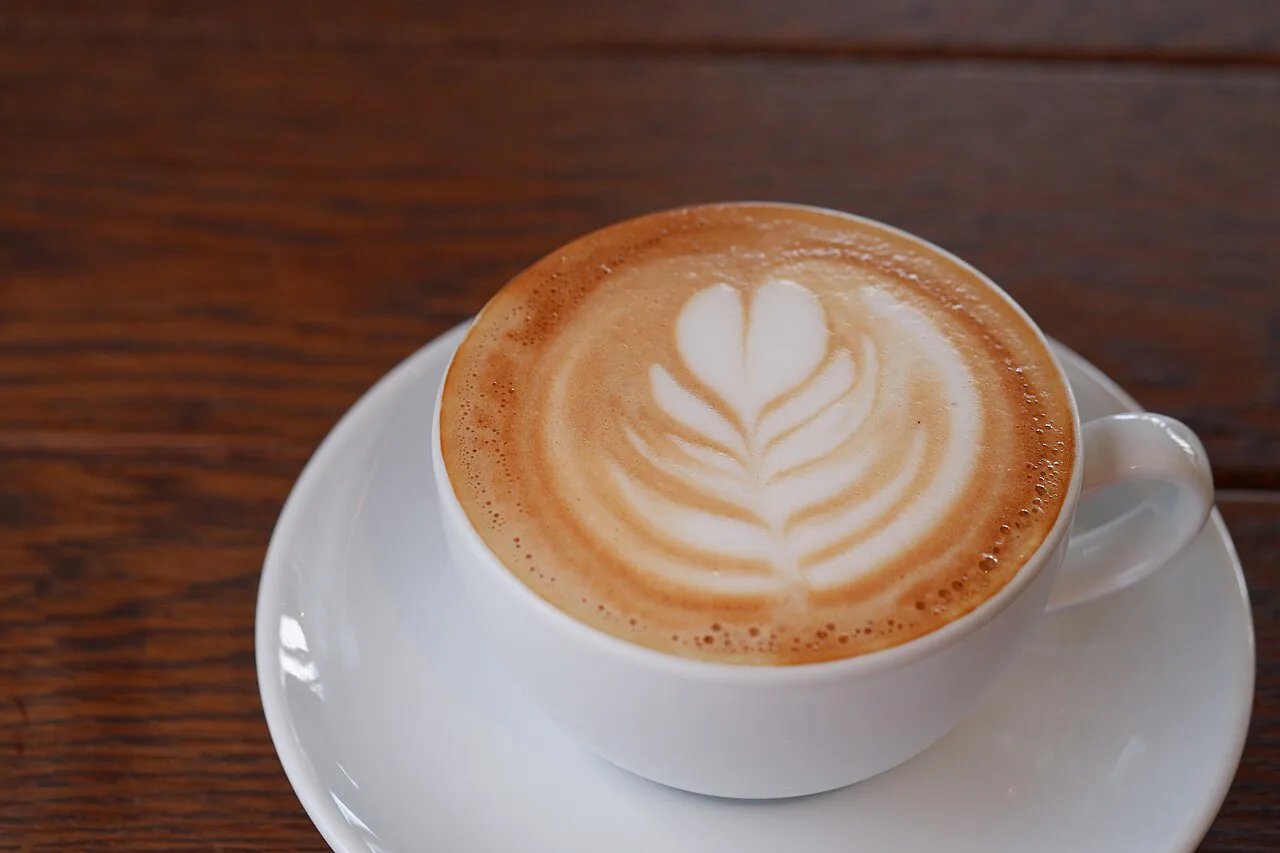
A cappuccino is built from roughly equal parts espresso, steamed milk and foamed milk, which makes it a breakfast drink in Italian eyes. The name is said to come from the brown tunic and white hood of the Capuchin monks, a story worth repeating as a claim rather than a fact. Ordering one after 11am marks you out as a visitor; it is a custom, not a rule, but it is the one most likely to draw a look.
Caffè macchiato and latte macchiato: milk, marked and layered
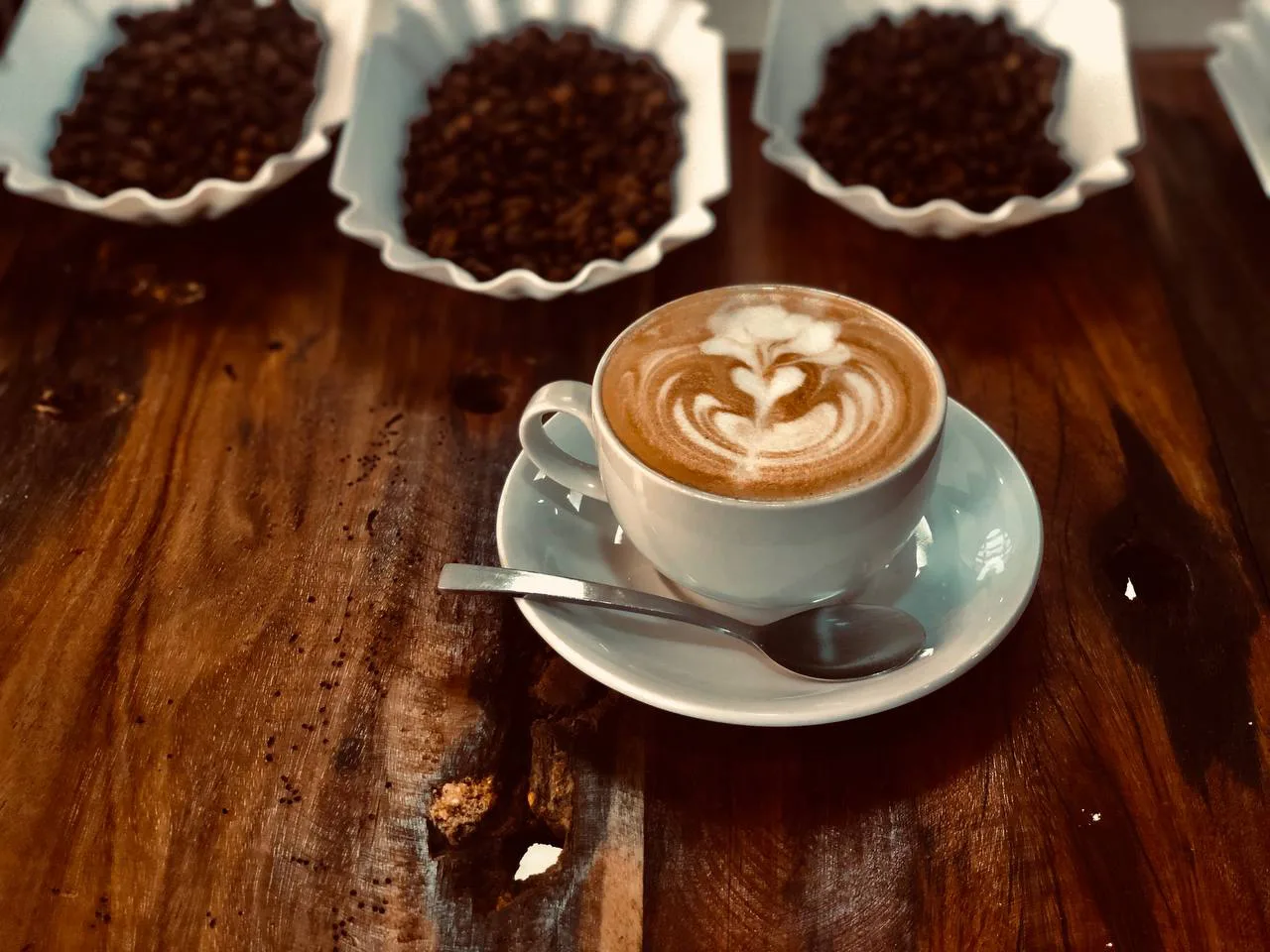
A caffè macchiato is an espresso marked with a splash of milk, usually frothed, and it sits far closer to a plain espresso than to a cappuccino. Because it carries so little milk it can be ordered at any time of day, unlike the breakfast drinks. A latte macchiato reverses the proportions: steamed milk in a tall glass, marked with a splash of espresso, so the coffee is the accent rather than the base.
Caffè latte and latte: two different drinks
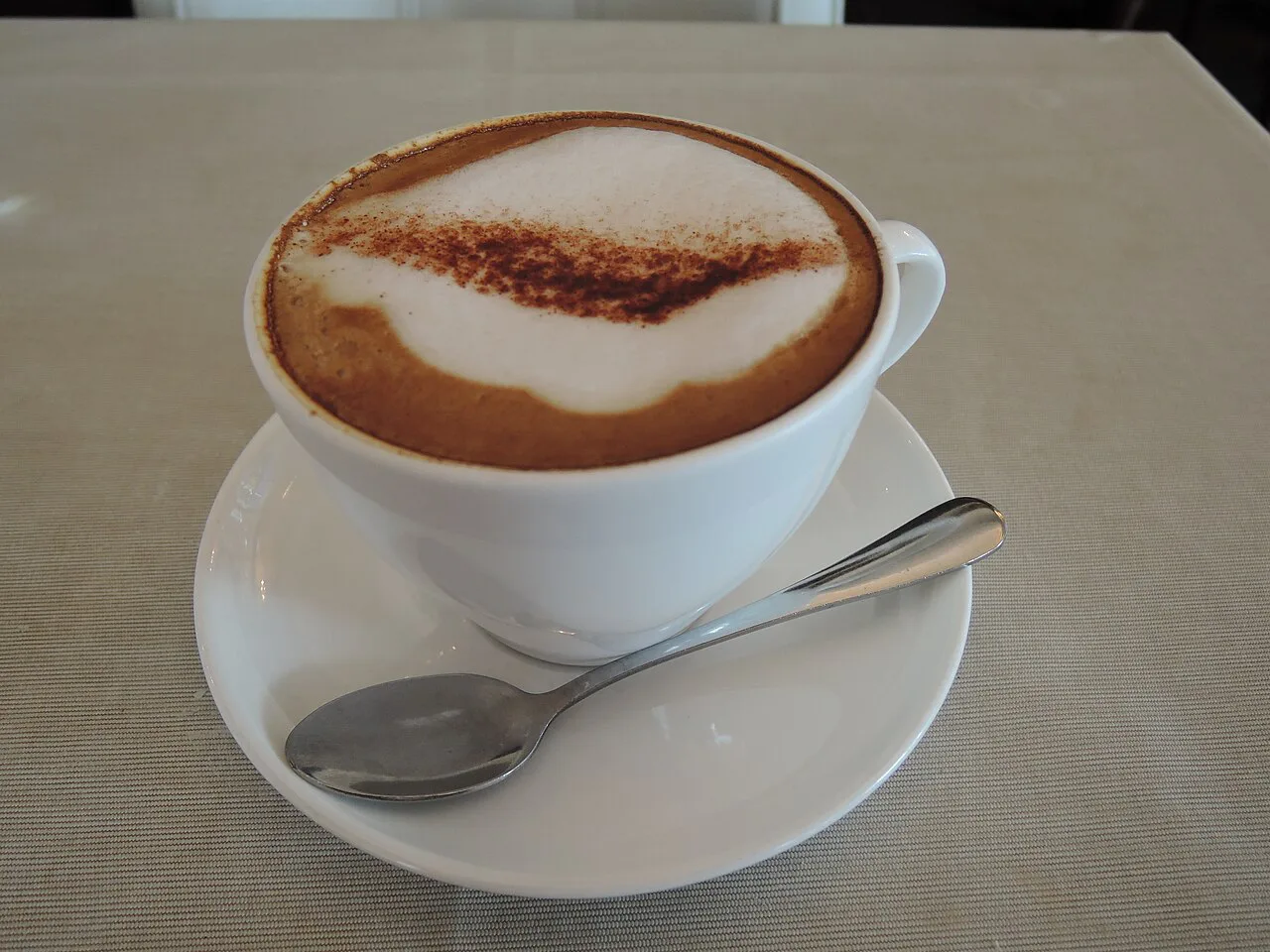
This is the distinction that catches most visitors. A caffè latte is espresso with more steamed milk and less foam than a cappuccino, a breakfast drink in the same family. Ask for a latte on its own and you will be handed a glass of milk, because that is exactly what the word means. If you want the coffee drink, say caffè latte in full.
Caffè corretto: espresso with a splash of grappa, amaro or sambuca
A caffè corretto is an espresso corrected with a small measure of alcohol, most often grappa, amaro or sambuca. The name is a joke at the espresso's expense, as though the plain shot were somehow wrong. It is generally drunk after lunch or dinner, on the argument that it helps digestion, and it is a small, sipped drink rather than a long one.
Marocchino: espresso, milk foam and cocoa from Alessandria
The marocchino layers a short espresso with milk foam and a dusting of cocoa powder, and it has nothing to do with Moroccan coffee, which is long, sweet and spiced. It was created in Alessandria in Piedmont and takes its name from a Moroccan leather used in Italy in the 1930s, which shared its colour. Order one when you want something slightly sweet and thick without the volume of a cappuccino.
Regional twists: anise in Le Marche, cloves and cocoa in Sicily
Espresso is everywhere, but each region bends it. In Le Marche, a caffè anisette adds an anise-flavoured liqueur to the shot; in southern Sicily, a caffè d'un parrinu is flavoured with cloves, cinnamon and cocoa, a combination with Arabic roots. Listening to what the people next to you order at the counter is the quickest way to spot the local version.
Ordering and paying: al banco, then the till
Coffee in Italy is usually drunk al banco, standing at the bar, often in company and finished in a couple of minutes. The common routine is to order and drink first, then pay at the register afterwards, so do not wait at the counter with your wallet out.
Milky coffee after 11am: the rule and how much it matters
The 11am cut-off for milky coffee is a reported custom rather than a law, and no bar will refuse you a cappuccino in the afternoon. What it affects is the impression you make: milk-heavy drinks are treated as food, and Italians generally keep them to breakfast alongside a pastry. If you want milk later in the day, a caffè macchiato gives you the taste without the raised eyebrow.
Which coffee to order first
Start with a plain caffè at the bar to calibrate the size and strength, then work outward: a macchiato if you want a little milk, a marocchino if you want cocoa, a corretto after a long lunch. Save the cappuccino and caffè latte for breakfast, and say the full name every time you order anything with latte in it.
Explore more Italy food guides
Frequently Asked Questions
What kind of coffee do Italians drink?
Espresso is the everyday drink, taken as a quick shot at the bar, often more than once a day. Milky drinks such as cappuccino and caffè latte belong to breakfast, while a caffè macchiato can be ordered at any hour because it carries so little milk.
Is a latte the same as a caffè latte in Italy?
No. A latte on its own is a glass of milk. If you want the coffee drink, order a caffè latte, which is espresso with plenty of steamed milk and less foam than a cappuccino.
What is the difference between a caffè macchiato and a cappuccino?
A caffè macchiato is an espresso with just a splash of milk, so the coffee dominates. A cappuccino uses roughly equal parts espresso, steamed milk and foam, which makes it a much milkier drink and a breakfast one in Italian practice.
What is a marocchino?
It is a short espresso topped with milk foam and cocoa powder, created in Alessandria in Piedmont. Despite the name it is unrelated to Moroccan coffee, which is long, sweet and heavily spiced.
Sources
Notes for your next meal in Italy
Optional updates to our food guides.
You might also like
Continue reading
More guides you'll find useful