Sardinian Desserts: What to Order in Italy
A plain guide to Sardinian desserts: pardulas with ricotta and saffron, seadas with honey, amaretti and the biscuits islanders eat at breakfast.
On this page
The Sardinian dessert to know first is pardulas, a flower-shaped tartlet of ricotta, saffron and citrus zest that belongs to Easter. Around it sits a wider family of island sweets built on the same short list of ingredients: ricotta, semolina, almonds and lemon or orange zest. This guide explains what each one is, when it turns up on the table and how to buy it, and the wider picture is set out in our guide to Italian Desserts.
Most of these sweets are pasticceria food rather than restaurant food, sold by the piece or by weight and eaten with coffee or a glass of something sweet. Pardulas are baked at home and in pastry shops rather than plated in restaurants, and the everyday biscuits belong to breakfast and the afternoon. Knowing which is which saves you from ordering a plate of biscuits when you wanted a warm pastry.
What Sardinian desserts are made of
The island's sweet baking runs on ricotta, semolina, almonds and citrus zest. Those ingredients explain why so many Sardinian sweets taste of the dairy and the orchard at once: the filling is cheese-based and the perfume comes from lemon or orange peel. Saffron turns up too, most visibly in pardulas, where it colours and scents the ricotta.
That ingredient list makes Sardinian desserts unusually easy to understand once you have tasted two or three. A pastry shell of flour and semolina, a ricotta filling, a citrus note and a dusting of sugar or a spoon of honey covers most of what you will meet. The differences lie in shape, in whether the pastry is baked or fried, and in whether the sweet belongs to a feast day or an ordinary afternoon. For the island's savoury cooking, see our guide to Sardinian food.
Pardulas: the flower-shaped Easter tartlets
Pardulas are small tartlets whose edges are pinched into points so the pastry reads as a flower, with a ricotta filling perfumed by saffron and orange or lemon zest. They are an Easter sweet, made in the run-up to the holiday and eaten through it, though nothing stops a pasticceria selling them at other times. The saffron is the detail that makes them recognisable: without it the filling tastes like plain sweetened ricotta.
Islanders argue about the cheese. The traditional filling uses sheep's ricotta, which is sharper and denser than the cow's milk version, and home bakers often swap in cow's ricotta because it is easier to find. If you are making pardulas rather than buying them, the choice of ricotta changes the sweetness and the texture of the set filling.
The pastry itself is a plain mix of flour, semolina, a little fat, egg white and water, rolled thin so the points hold their shape in the oven. It is baked rather than fried, then dusted with icing sugar or brushed with milk or egg wash before baking. Eat one with an espresso standing at a counter; the pastry is delicate enough that a plate and fork are more trouble than they are worth.
Seadas: the warm pastry with honey
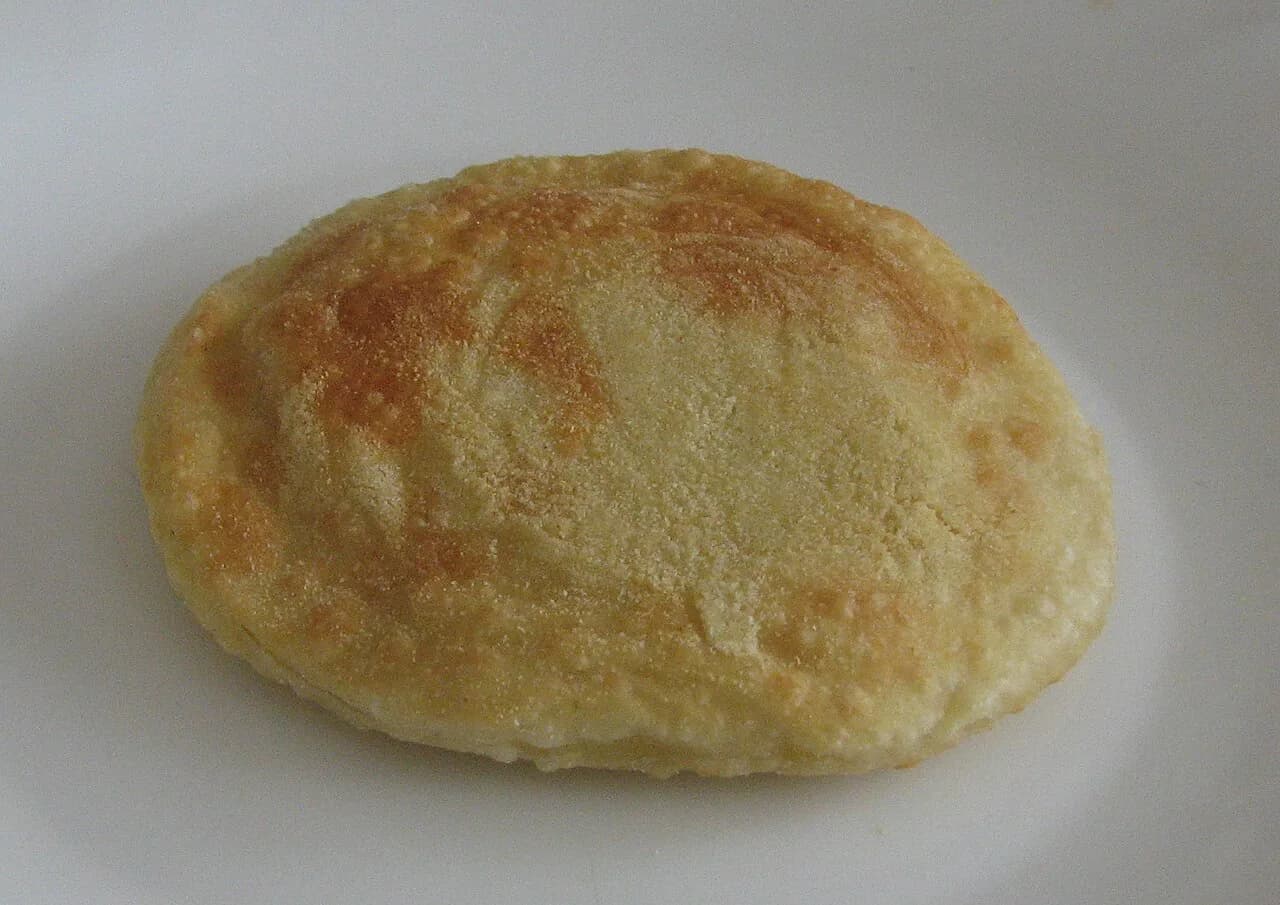
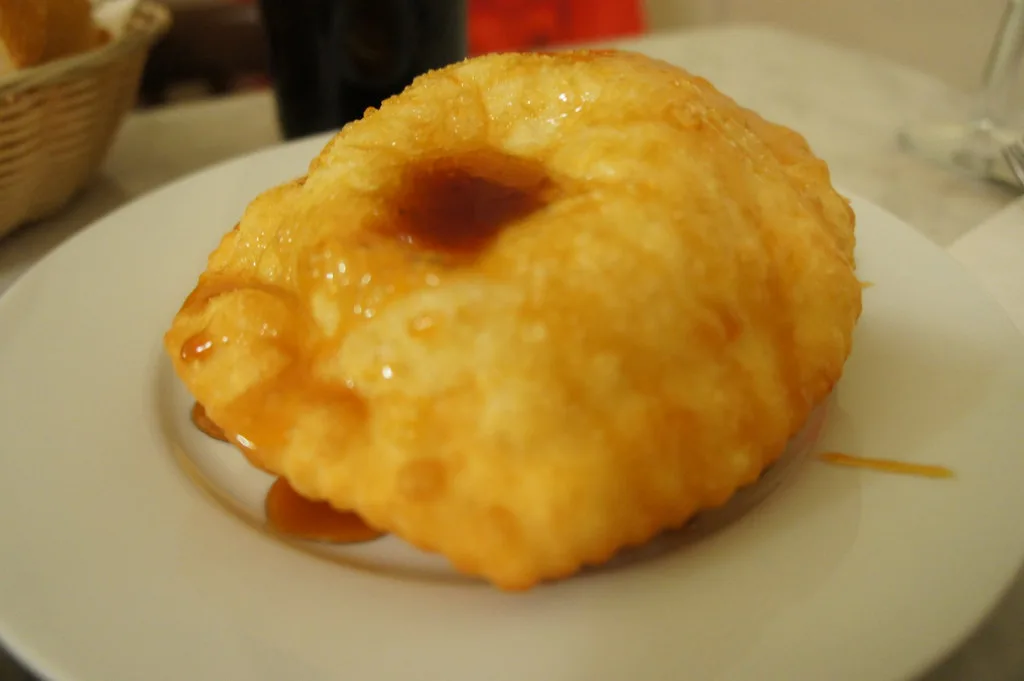
Seadas are the Sardinian dessert most likely to reach you at a restaurant table, served warm and finished with honey. Treat the honey as the defining element: it is what turns a plain filled pastry into a sweet, and it is usually drizzled on just before serving so it runs rather than soaks in. Beyond that, ask what is in the filling when you order, because recipes vary from kitchen to kitchen.
Because seadas are best eaten fresh, treat them as the pudding to finish a lunch rather than something to carry home. Sharing one between two is common and sensible: they are rich, and a whole one after a full Sardinian menu is a commitment.
Sardinian amaretti: soft, almond-scented and not the crunchy kind
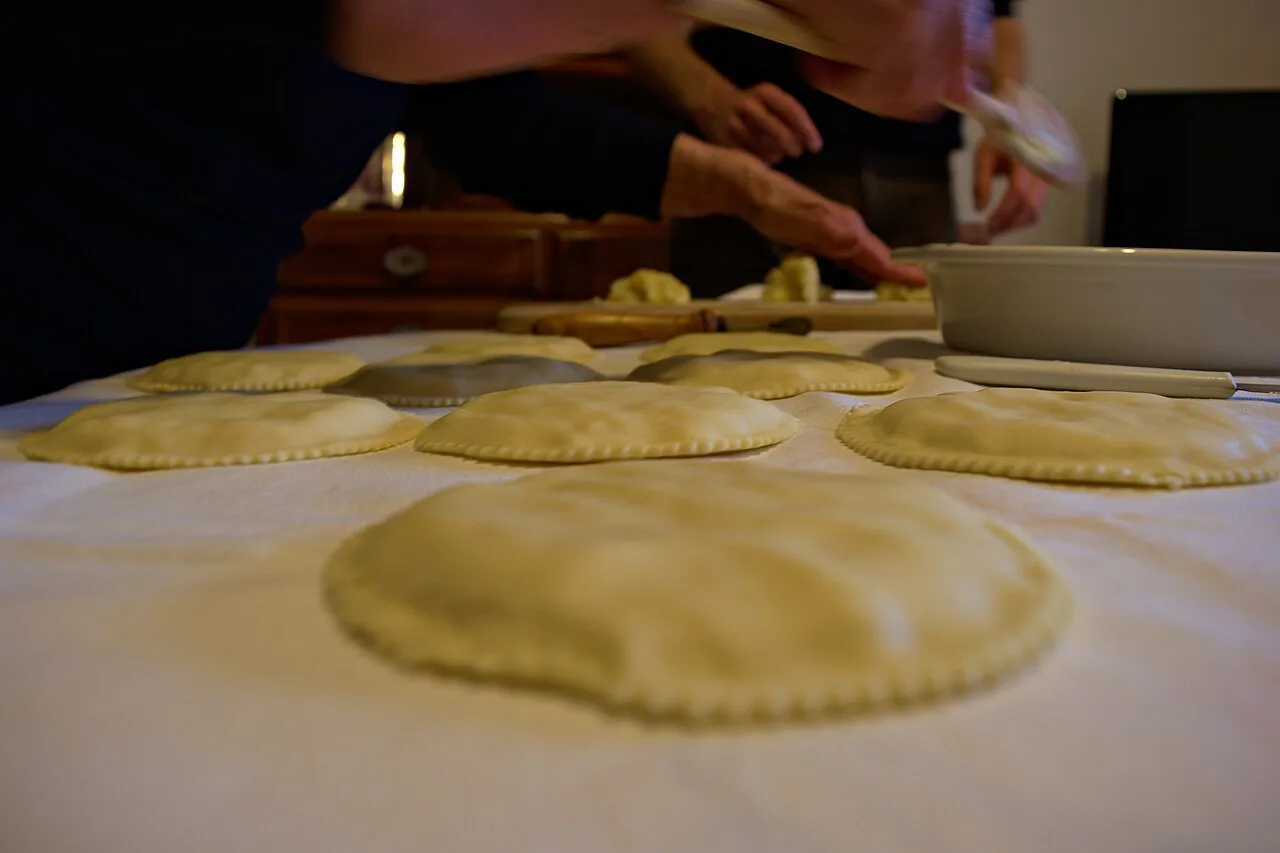
Sardinian amaretti are soft, almond-scented biscuits, quite unlike the hard, individually wrapped Amaretti di Saronno that British and American eaters tend to picture. The island version is chewy in the middle and lightly crisp outside, closer to a small macaroon than to a brittle almond snap. If you expect the crunchy sort, the first bite will surprise you, and our guide to Italian cookies covers the wider field.
This is the sweet to buy in quantity, because they travel well, keep for days and cost little by the etto (100 grams). A pasticceria will weigh them out for you; a supermarket will sell them boxed, usually with less almond and more sugar. Buy a small bag of each if you want to taste the difference before committing to a gift box.
Everyday biscuits: savoiardi, ciambelline and myrtle cookies
Sardinian savoiardi and ciambelline, little ring biscuits, are breakfast and afternoon food rather than dessert-course food. The savoiardi are the sponge fingers used across Italy for tiramisù and for soaking, while the ciambelline are firmer and meant for dipping into coffee or milk. Buying a mixed bag from a bakery gives you the everyday end of the island's sweet repertoire, and our guide to Italian breakfast shows where these biscuits fit.
Myrtle runs through Sardinian sweet baking as a flavour, both in recipes for myrtle cookies and in myrtle cream, with a resinous, slightly bitter edge that cuts through sugar. It is the note to look for if you find most Italian cookies too sweet. A myrtle cookie with a mid-morning coffee is about as ordinary a Sardinian pleasure as you will find.
Fried and festive sweets: acciuleddi, orillettas and the celebration table
Acciuleddi and orillettas belong to the festive end of the repertoire, the sweets that appear for weddings, baptisms and the big religious holidays rather than on a Tuesday. Acciuleddi are coiled or twisted shapes, and orillettas take their name from the word for ears, which tells you what they look like before you taste one. Both are made in batches by families and by pasticcerie in the weeks before a celebration.
If you are in Sardinia around a major feast day, ask at a pasticceria what they are making for the occasion; the answer will usually point you at one of these rather than at the everyday biscuits. Outside feast periods you may not find them at all, which is a reason to buy when you see them rather than plan to come back.
Pasticceria counter or restaurant dessert menu
Buy pardulas, amaretti and biscuits at a pasticceria, where they are sold by weight or by the piece and you can point at what you want. Order seadas in a restaurant, where they are plated as a dessert. The mistake to avoid is treating a pasticceria as a café: many are counters built for buying and leaving, not for sitting.
At the counter, say how many pieces you want or give a weight in etti (one etto is 100 grams), and expect the assistant to pick them out with tongs and box them. Pay at the till, then take the receipt back to the counter if that is how the shop works, as in most Italian bakeries. Cash is still useful in smaller shops.
Where these sweets sit on a Sardinian menu
On a restaurant menu, dolci come after the main course and are usually a short list: seadas, maybe a ricotta cream or a chocolate dessert, sometimes biscuits with a sweet wine. The pasticceria repertoire does not all transfer to the restaurant table, so do not expect a plate of amaretti unless the menu says so. Our guide to Italian meal courses explains where pudding sits. If a dessert list looks thin, that is your cue to save room for the pastry shop instead.
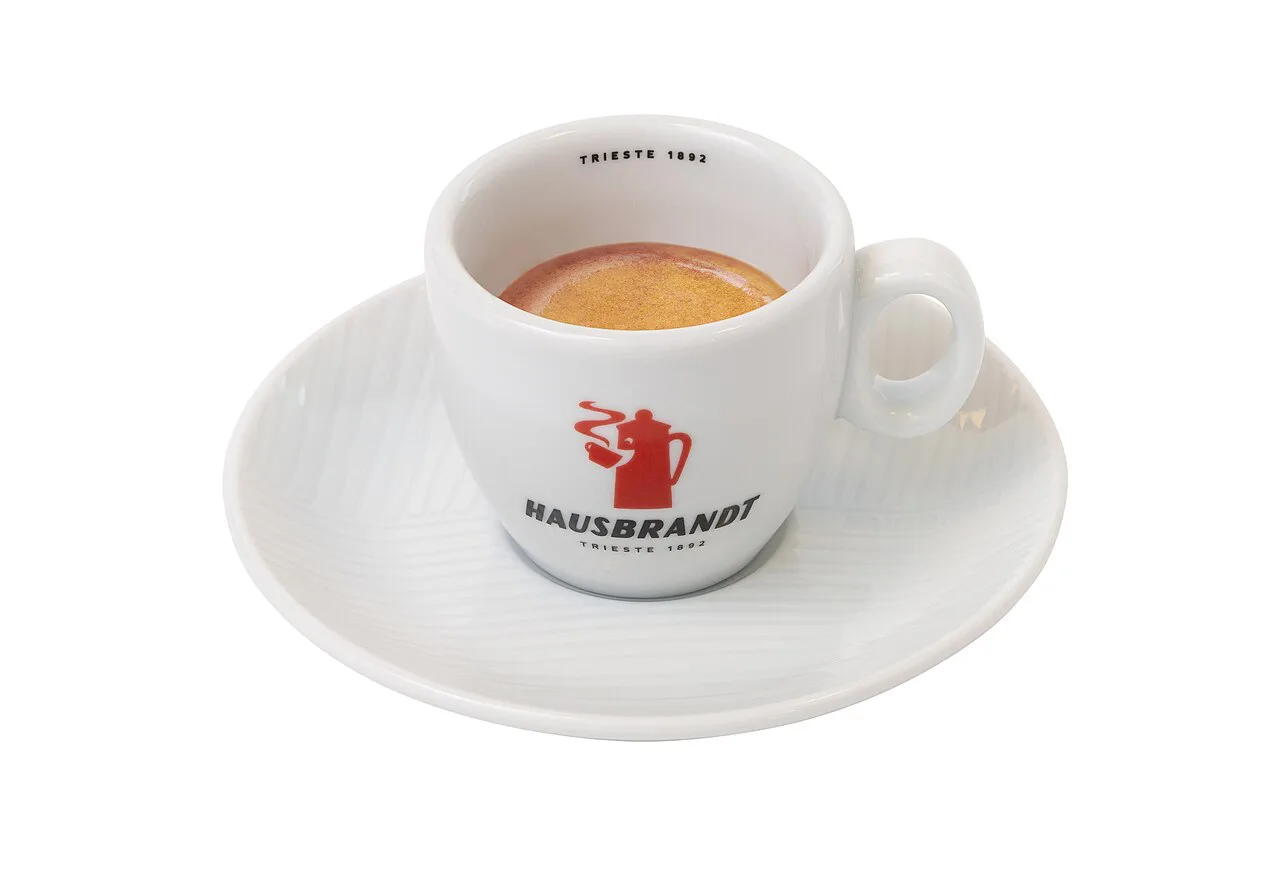
To drink, keep it simple and local: an espresso after a plate of biscuits, or a glass of a sweet Sardinian wine alongside seadas. The dessert wines of the island are strong and sweet, so a small pour goes a long way and is the sensible order if you still have a walk back to the hotel.
What to buy to take home
Amaretti and the firmer biscuits are the safest things to carry: they are dry, light and survive a suitcase. Pardulas and seadas are fragile and best eaten where you buy them, so do not plan to transport them across Europe. Boxed biscuits from a pasticceria also make a better gift than anything vacuum-packed at the airport, and our guide to Italian food souvenirs covers what travels well.
Read the label on boxed sweets for the almond content and for sheep's milk ricotta where it is used; the better boxes name both. If there is no label and you are buying loose, ask how long they keep, which for amaretti is usually a matter of weeks rather than days.
Which Sardinian sweet to try first
Start with pardulas if you are anywhere near a pasticceria in spring, because the saffron and ricotta combination is the one that explains the rest of the repertoire. Follow with a soft Sardinian amaretto and, at dinner, a warm seadas with honey. If you like the citrus-and-ricotta style, the same logic carries over to Sicilian Desserts across the water, where pasta reale and almond pastries take a different route.
Buy biscuits to take home, eat the fresh pastries on the spot, and ask what a shop is making for the next feast day if you want to catch the festive sweets. That is the whole strategy: eat the perishable things first, carry the dry ones, and let the calendar decide what you find.
Explore more Italy food guides
Sources
Notes for your next meal in Italy
Optional updates to our food guides.
You might also like
Continue reading
More guides you'll find useful