Italian Pizza: Styles, Toppings and How to Order
Italian pizza explained: Neapolitan and Roman styles, what Margherita, Marinara and Diavola are, and how pizza is ordered, cooked and eaten across Italy.
On this page
Italian pizza is a thin, yeast-leavened base baked fast and very hot, and Naples is where it became an art form rather than a snack. The city's pizza-making tradition is recognised by UNESCO as the Art of Neapolitan Pizzaiuolo, added to its Intangible Cultural Heritage list in 2017. This guide walks through the styles you will meet across the country, the toppings that appear on almost every menu, and how ordering, sharing and paying work when you sit down. For the practical details, see the Neapolitan pizza.
The crust, the oven and the dough do more for a pizza than its topping list, which is why a good pizzeria in Naples, Rome or Bologna can look wildly different on paper yet taste related. You will use the same handful of Italian words in all of them, and the same etiquette gets you a better meal.
Why Naples sits at the centre of Italian pizza
Pizza's name is tied to Naples, where making it grew into an artisan craft passed from one generation to the next. Italia.it describes it as one of the traditions that symbolises Italian food around the world, and notes that roughly one million pizzas are eaten in Italy every day. The city remains the reference point even where the local style, oven or topping is quite different.
The history is messier than the legend. Italia.it is candid that pizza's birthplace and the etymology of its name are contested, with flatbreads resembling pizza eaten by the Egyptians, Romans and Greeks and the word pizza appearing in documents from Gaeta and Penne long before it settled on a Neapolitan specialty. Treat origin stories as stories rather than settled facts.
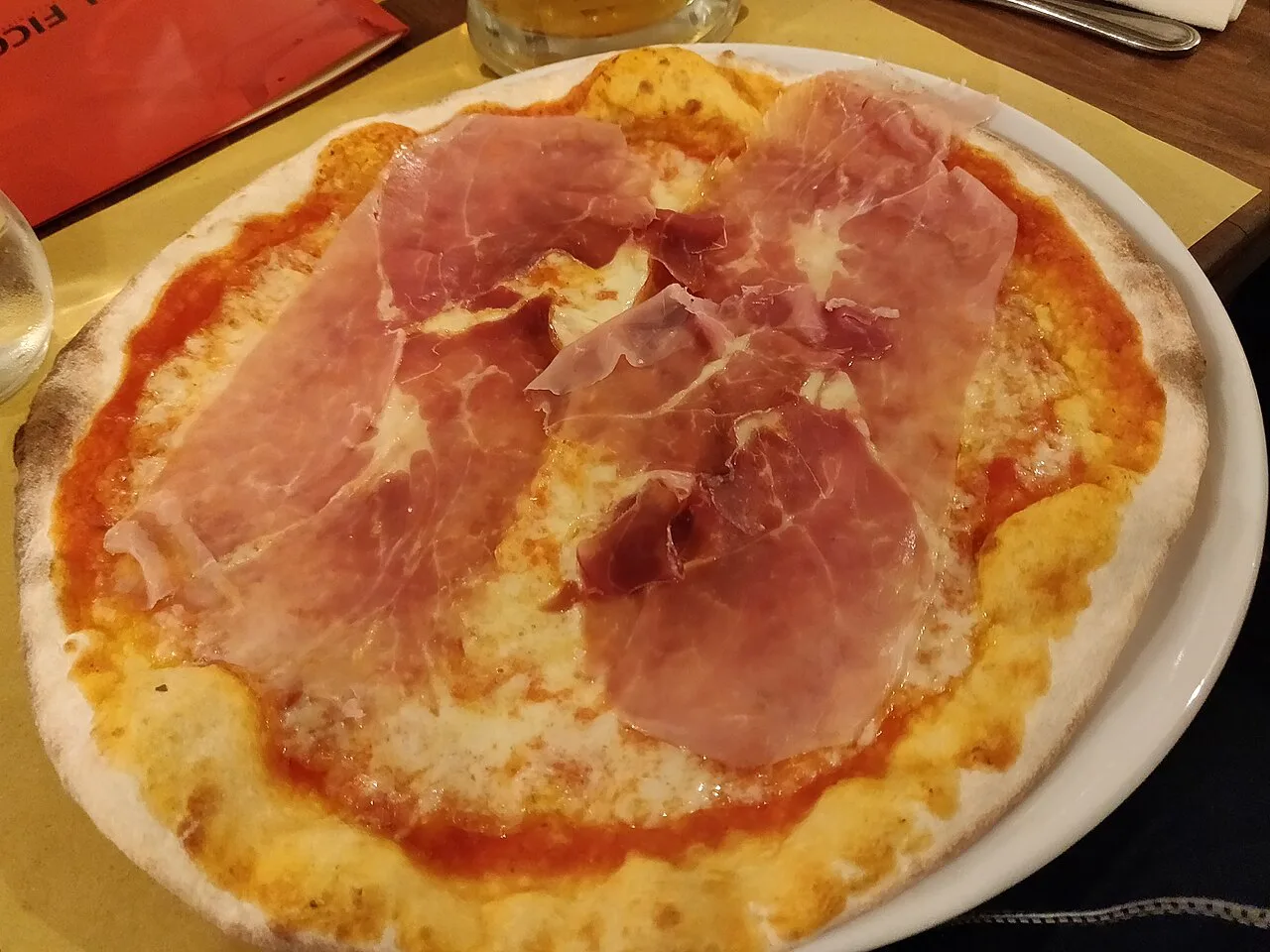
The styles you meet across Italy: Neapolitan, Roman and pizza bianca
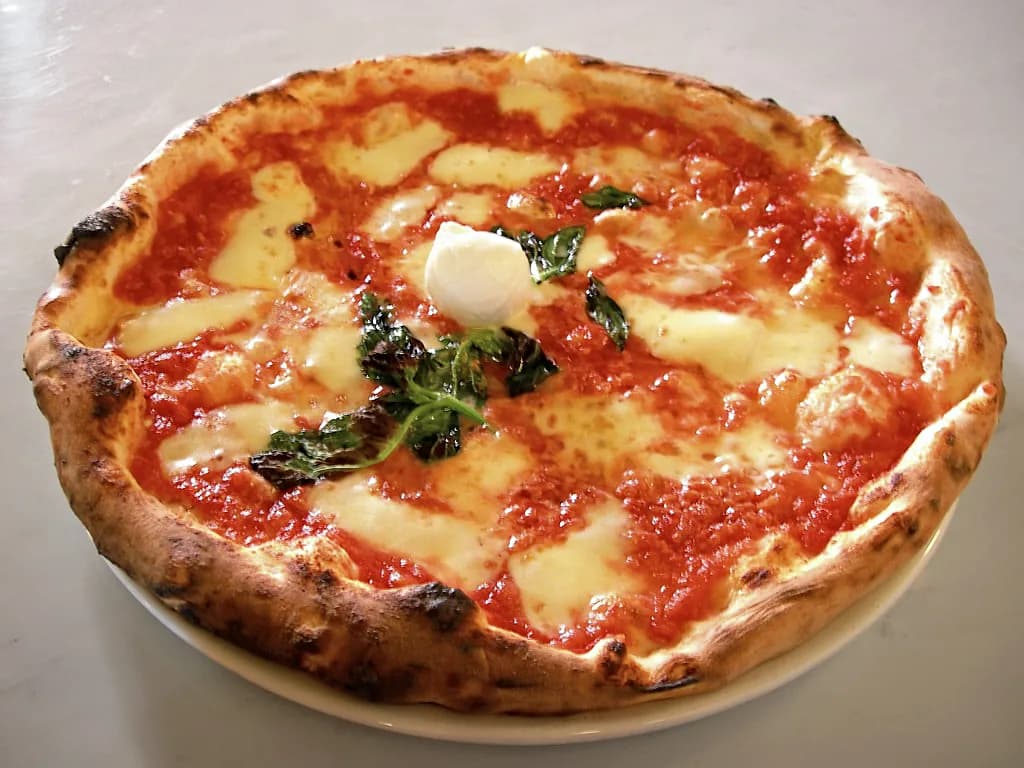
Neapolitan pizza is the soft, pillowy one: a puffy rim, a wet centre and a base light enough to fold. The companion guide to Neapolitan pizza goes through its dough and toppings in detail, which is worth reading before you sit down in Campania. Roman pizza is crisper and thinner, built to stay rigid enough to hold toppings without flopping, and the Roman Pizza guide covers it.
How do you say pizza in Italian? It is simply pizza, pronounced roughly PEET-tsah, and it is the word you will see on every menu in Italy. The related word pizzeria means the place you eat it, and pizza al taglio is pizza sold by weight from a tray.
What are the ten most popular pizzas in Italy? There is no fixed ranking, but the Margherita, Marinara, Diavola, Quattro Stagioni, Quattro Formaggi, Capricciosa, Boscaiola, Prosciutto e funghi, Napoletana and the plain cheese-and-tomato pizza are among the names you will see most often. Menus vary by region and pizzeria, so the list on the board matters more than any national ordering.
What is the difference between Italian pizza and regular pizza? Italian pizza is typically a thin base baked very hot and fast, with fewer toppings and a lighter hand with cheese and sauce. The base is usually thin and chewy at the rim, and the toppings are a short list of fresh ingredients rather than a piled-high combination.
Pizza bianca is the third thing on the counter and the one visitors miss most: a white pizza with no tomato sauce, sometimes just dough, oil and salt. It is closer to focaccia than to a Margherita, and it is what you buy by the square at a bakery or slice shop. If your mental picture of pizza is tomato and mozzarella, pizza bianca is the pleasant surprise.
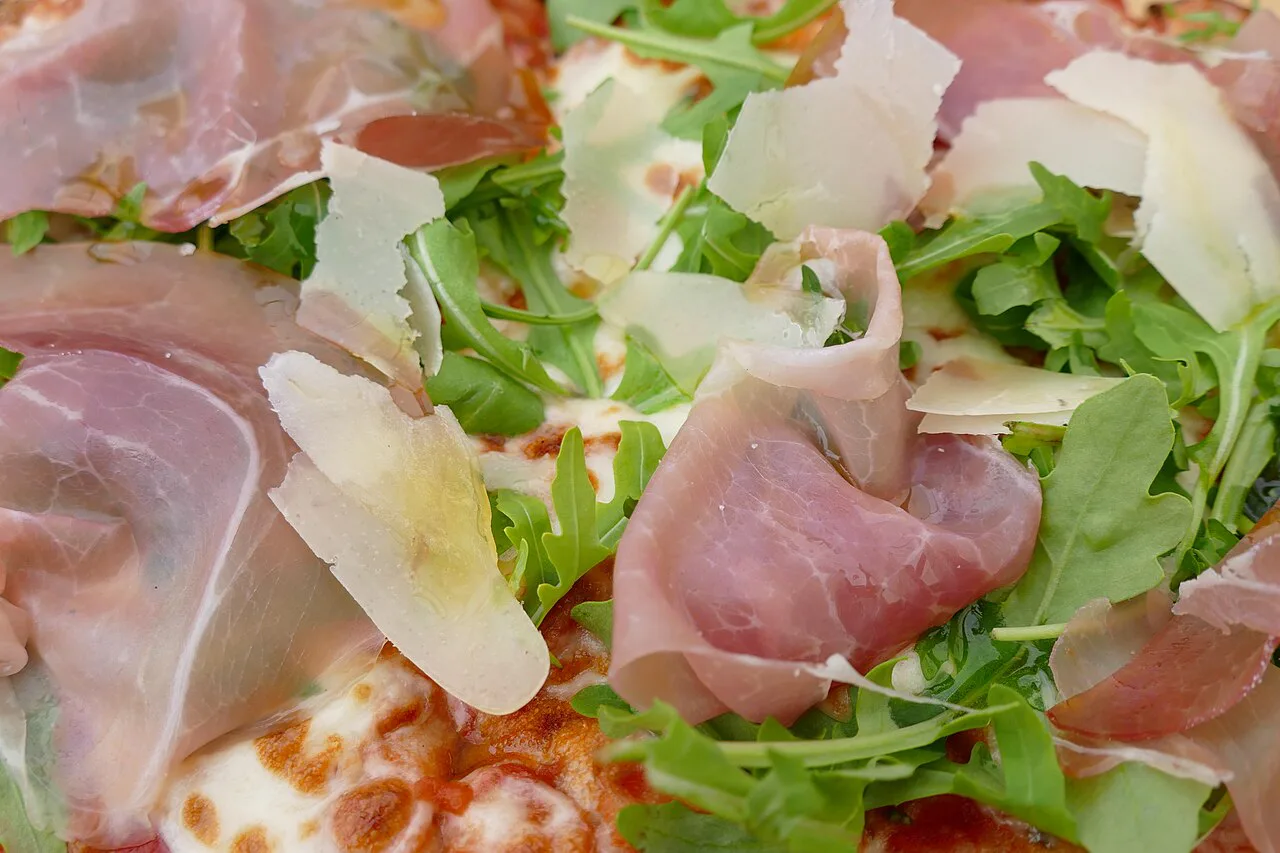
Margherita: what is on it and where the name comes from
A Margherita is tomato, mozzarella and basil, and Italia.it frames it as the most patriotic of pizzas because its red tomato, white mozzarella and green basil mirror the Italian flag. Order one first when you try a new pizzeria; if the simple version works, everything else will follow.
The famous origin story, that a Neapolitan pizzaiolo created it in 1889 in honour of Queen Margherita, is a claim rather than a documented fact. Italia.it reports it without vouching for every detail, and the dish is at least consistent with the date and the region. Take the story with a grain of salt and enjoy the pizza anyway.
Marinara, Diavola and Quattro Stagioni: the classic toppings explained
Marinara is the oldest and simplest: tomato, garlic, oregano and olive oil, with no cheese at all. Diavola is a generous hand with spicy Calabrian salame, eaten by people who want heat rather than subtlety. Quattro Stagioni, four seasons, is one pizza divided into four quadrants, usually with mushrooms, artichokes, prosciutto, olives and sometimes boiled egg.
Quattro Formaggi is a white pizza with four cheeses, typically mozzarella, fontina, gorgonzola and provolone. Boscaiola is mushrooms and sausage. For a lighter order, the white pizza with potatoes and rosemary is a potato-and-rosemary flatbread with no tomato at all.
A Capricciosa or a Diavola with extra heat are the pizzas Italians actually eat in numbers, alongside the plain Margherita. If you want a shortcut around a long menu, remember that the toppings are usually a small list of basics assembled slightly differently, so looking for what is fresh locally is more useful than hunting for a famous name.
How a wood-fired oven cooks a pizza in about two minutes at roughly 500°C
A wood-fired pizza oven reaches roughly 500°C and bakes a thin pizza in about two minutes, which is why the base puffs and chars while the middle stays soft. That heat is what a domestic oven cannot reliably reproduce, and it is the reason a proper pizza comes with blackened blisters, not uniform brown.
In the kitchen, the dough is hand-stretched and spun rather than rolled, which is why a pizza can look thicker at the rim. Fresh tomato sauce and mozzarella go on lightly, and toppings can be as simple as ham, mushrooms and olives. Ordering a plain Margherita tells you more about the kitchen than an elaborate multi-topping order.
The UNESCO listing and what it recognises
The Art of Neapolitan Pizzaiuolo is on UNESCO's Intangible Cultural Heritage list. Italia.it states that it was recognised in 2017. The distinction belongs to the craft of the maker as much as to the dish, which is why a pizzeria can claim a heritage without claiming a recipe.
What that listing does not do is guarantee any particular pizzeria or give a fixed recipe. Neapolitan pizzas are still made in more than one shape, with ingredient lists that vary by family and shop. Use it as a marker of culture, not as a stamp of guaranteed quality on the door of your hotel's nearest pizzeria.
How a pizzeria works: ordering, sharing, coperto and paying
At a sit-down pizzeria, order one pizza per person unless someone is saving room; they are usually the size of a plate, not a platter. Waiters rarely push starters, so antipasti are optional. A coperto is a small per-head charge for bread and service that appears on the bill in some pizzerias and not in others.
For the bill, ask for il conto at the end rather than expecting it to be brought unprompted. Card payments are common, but keep cash for smaller places.
Pizza al taglio and street pizza, eaten by the slice on the go
Roman pizza al taglio is sold by weight from big rectangular trays and cut with scissors, which makes it the cheapest way to try several toppings at once. The companion Roman pizza guide covers the counters and the city's pizza tonda, the whole round pizza served at table. You pay by the piece or by weight, and you eat standing or on a nearby step.
Not all by-the-slice pizza is Roman. The Italian street version is pizza al taglio, and the dedicated pizza al taglio guide explains how the weights and the trays work. If you are in the south, ask at the counter whether they sell a folded slice to eat on the move.
What to drink with pizza in Italy without overdoing it
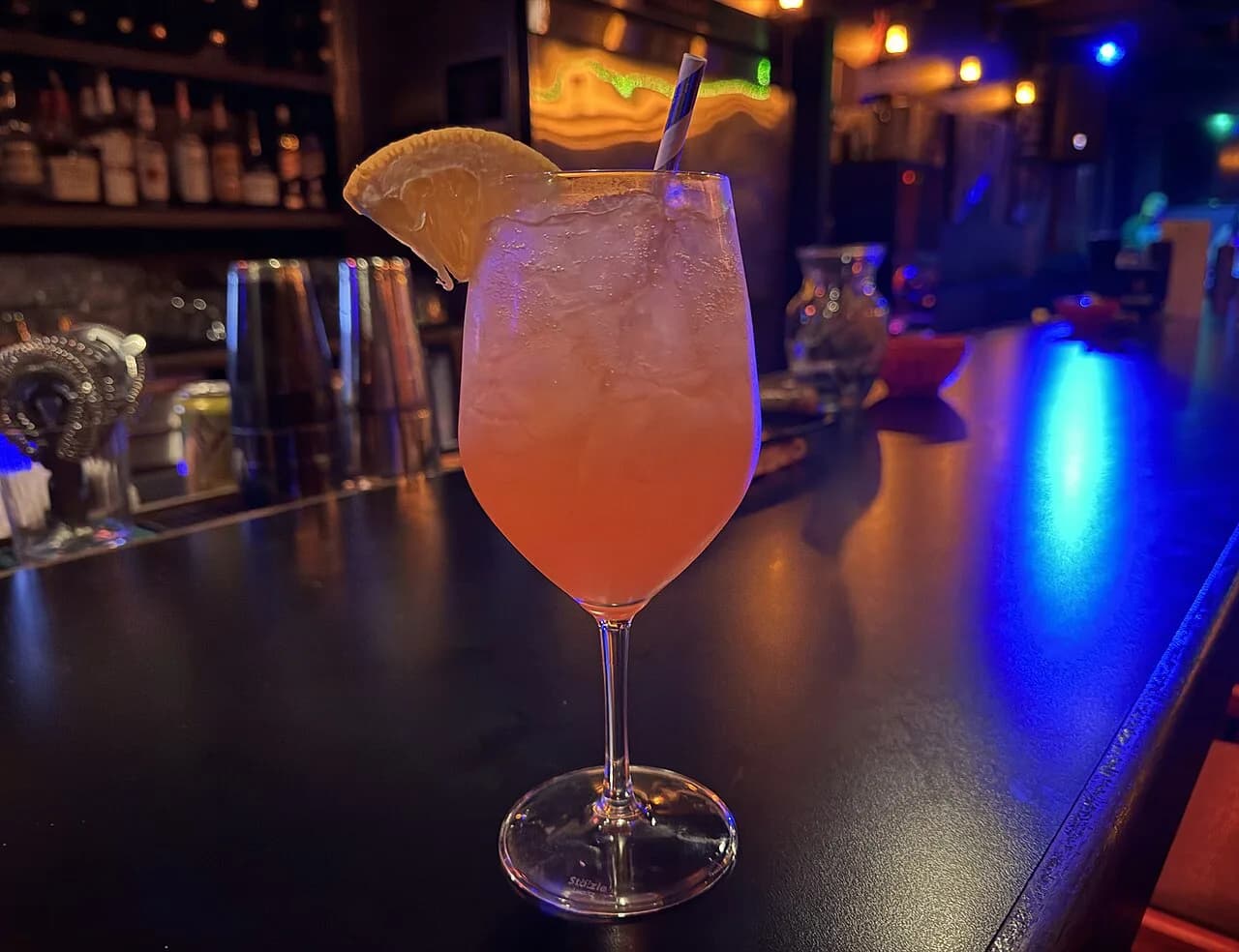
Pizza in Italy is most often eaten with water, a beer or a small glass of local wine, not with a cocktail list. A spritz works as an aperitivo before dinner, not usually alongside the pizza itself, and the guide to Italian aperitivo explains the ritual and timings. If you want something soft, ask for acqua frizzante and a Coca-Cola and nobody will think less of you.
A dish of mozzarella or a salad often arrives first, so check the cheese before committing to four courses. The Italian cheese guide covers what makes mozzarella and other cheeses worth ordering on their own.
Pizza for children and fussy eaters: what to ask for
Children can order a Margherita without basil, and most pizzerias will make it plain cheese-and-tomato. A marinara suits anyone avoiding dairy, and a white pizza is the usual request for a child who does not want tomato sauce. Ask for a mezza porzione for a small appetite, though many places do not offer it.
Do not sideline a fussy eater with a plate of pasta if they want pizza, because a pizzeria generally serves what is on the board and little else. Reading the Italian names helps: a Diavola is spicy, not a devil-themed novelty, and the word for plain is Margherita. The pineapple question, by the way, is a losing argument in Italy, where the idea is treated as a joke.
Where pizza fits into an Italian eating day
In Italy, pizza is usually a dinner food, not a lunchtime staple, though by-the-slice shops are open through the day and city pizzeria hours stretch later than many restaurants. If you want pizza at lunch, go for the slice counter rather than a sit-down pizzeria that has not opened yet. Reserve for a weekend dinner, since a popular neighbourhood place fills up.
If you are planning where to eat around a city, the site's regional and city guides cover named places, weekly closing days and neighbourhoods, and those city articles are the way to work out which pizzeria fits your day. When you come back, the companion Neapolitan and Roman pieces let you match the pizza to the exact place.
Which pizza to order first
Order a Margherita first, wherever you are, and let it decide whether you come back for the Diavola. If the base is charred and the middle still soft, the oven and the dough are right, and the rest of the menu will usually follow. If you want to eat standing with no ceremony, head for a slice counter instead.
Match the style to the place: Neapolitan in Campania, Roman pizza tonda at table, pizza al taglio from a tray on your feet. The companion pieces go deeper on each style so the next order is a confident one.
Explore more Italy food guides
Frequently Asked Questions
How do you say pizza in Italian?
It is simply pizza, pronounced roughly PEET-tsah, and it is the word you will see on every menu in Italy. The related word pizzeria means the place you eat it, and pizza al taglio is pizza sold by weight from a tray.
What are the ten most popular pizzas in Italy?
There is no fixed ranking, but the Margherita, Marinara, Diavola, Quattro Stagioni, Quattro Formaggi, Capricciosa, Boscaiola, Prosciutto e funghi, Napoletana and the plain cheese-and-tomato pizza are among the names you will see most often. Menus vary by region and pizzeria, so the list on the board matters more than any national ordering.
What is the difference between Italian pizza and regular pizza?
Italian pizza is typically a thin base baked very hot and fast, with fewer toppings and a lighter hand with cheese and sauce. The base is usually thin and chewy at the rim, and the toppings are a short list of fresh ingredients rather than a piled-high combination.
Sources
- The Real Italian Pizza Company - Authentic Italian pizzas traditionally baked in a wood-fired oven, alongside a simple menu of favourites in a family-run, relaxed atmosphere. Try our award-winning pizzas in the heart of two beautiful cities: Bath and Cardiff.
- The Traditional Pizza in Italy - Italia.it
Notes for your next meal in Italy
Optional updates to our food guides.
You might also like
Continue reading
More guides you'll find useful