Spritz in Italy: Guide to the 3-2-1 Ratio and Ordering
A spritz is Prosecco, Aperol and soda in a 3-2-1 pour over ice with an orange slice. Here is what it is, how the ratio works and how to order one in Italy.
On this page
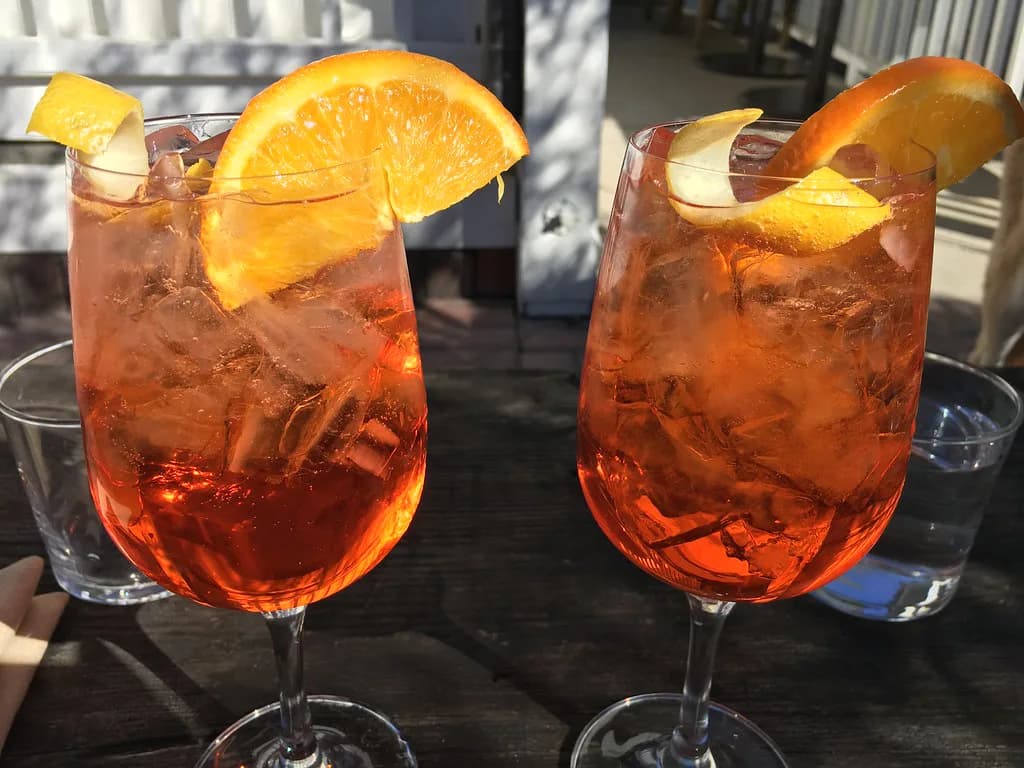
A spritz is Prosecco, a bitter liqueur and soda poured over ice in a large wine glass, garnished with a slice of orange. The version you will see most often in Italy is the Aperol Spritz, mixed in a fixed 3-2-1 ratio by volume. This guide covers what goes into it, how the ratio works in millilitres, how Aperol differs from Campari and Select, and how to order and serve it, all within the wider ritual of Italian Aperitivo.
It belongs to aperitivo hour, the early-evening pause before dinner when a drink comes with a few small snacks. Read it as food culture rather than a cocktail list: the point is the pause, the glass and the bite alongside.
What a spritz is
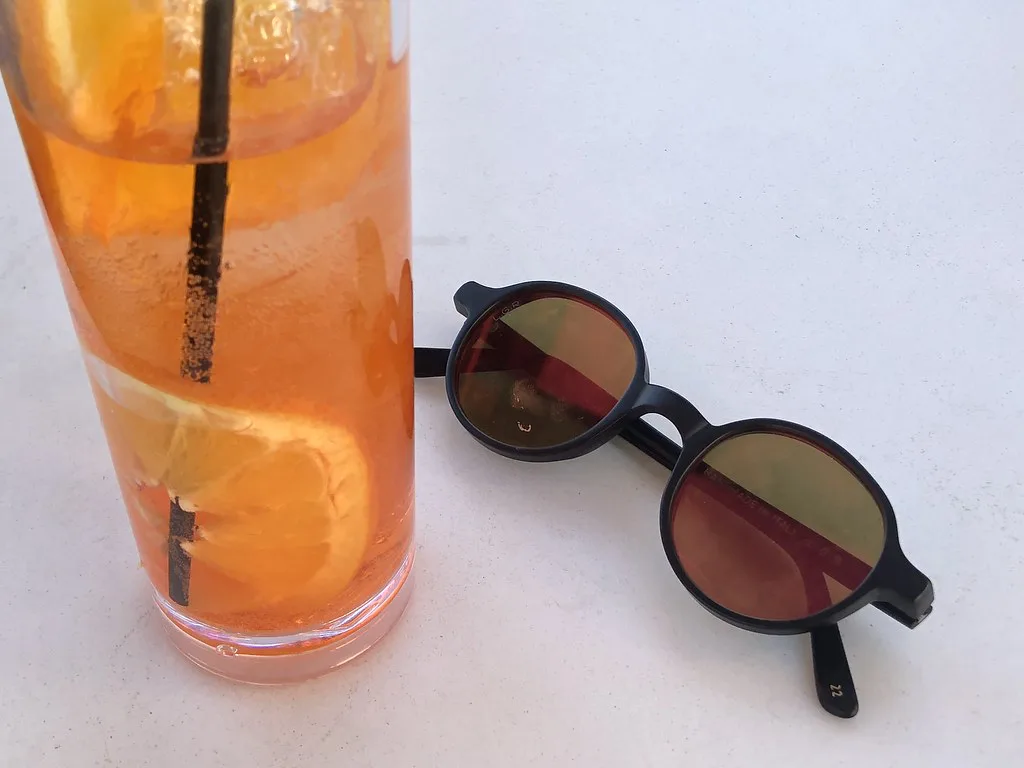
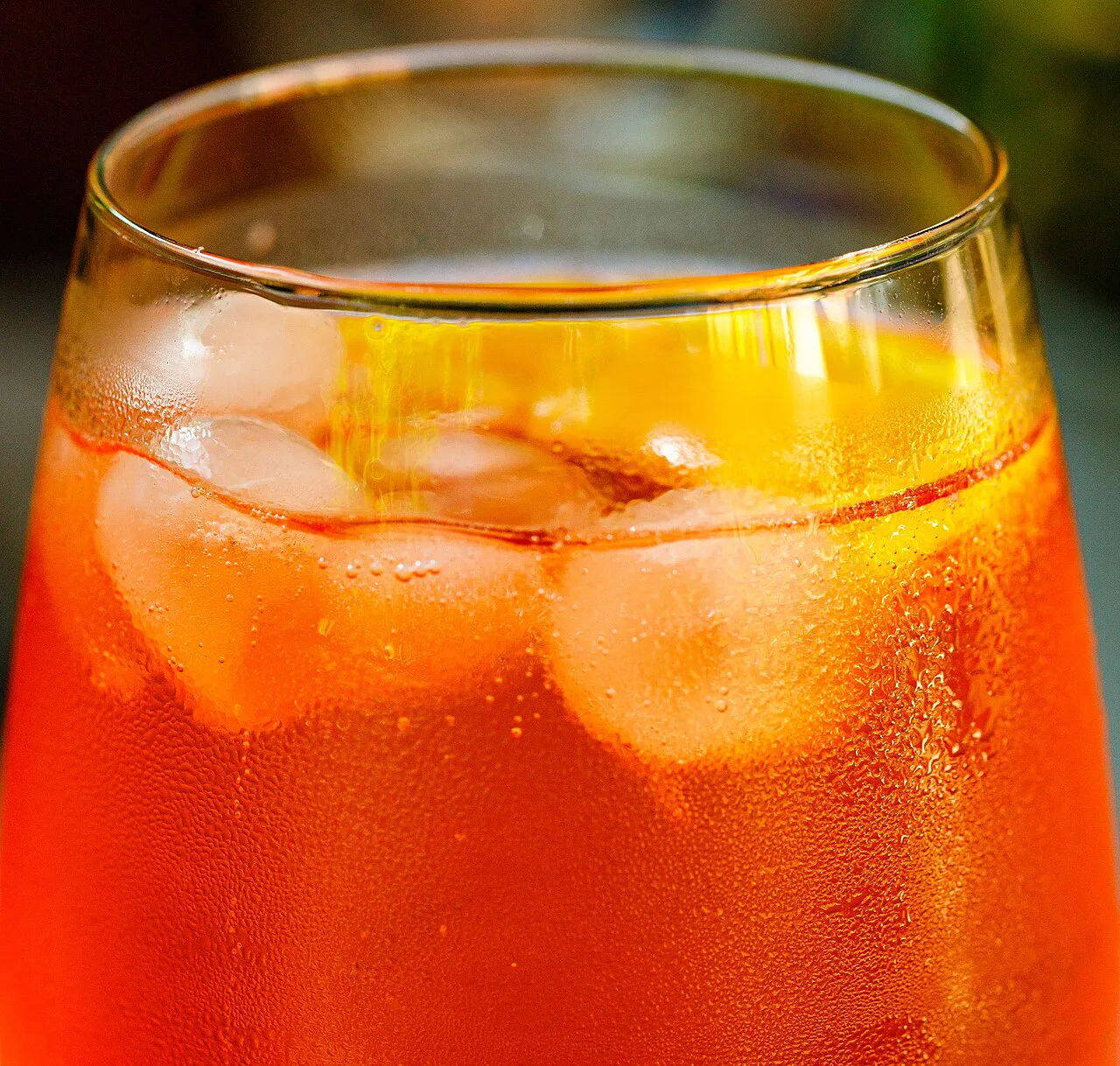
Three components do the work: sparkling wine, a bitter liqueur and a splash of soda water. The wine brings fizz and lightness, the liqueur brings the bittersweet backbone, and the soda stretches the drink and keeps it refreshing rather than syrupy. It is built in the glass over ice, not stirred in a shaker, and served in a large wine glass so there is room for ice and a wide surface for the aromas.
The orange slice is not decoration alone. It adds a fresh citrus note that lifts the bitter edge, and it is the standard garnish for the Aperol version.
The Aperol Spritz 3-2-1 ratio in millilitres
The 3-2-1 rule is easy to remember: three parts Prosecco, two parts Aperol, one part soda. In millilitres, the Aperol recipe page gives 75 ml Prosecco D.O.C., 50 ml Aperol and a 25 ml dash of soda, garnished with a slice of orange. Fill a large wine glass with ice, pour the Prosecco first, add the Aperol, top with soda and stir gently.
What is the difference between an Aperol Spritz and a Campari Spritz? The base is the same: Prosecco, a bitter liqueur and soda in a 3-2-1 pour. Aperol is lower in alcohol, sweeter and gentler on the bitter finish, while Campari is stronger, deeper red and more bitter.
Can I make a spritz without Prosecco? You can use another dry sparkling wine, but Prosecco is the standard partner and the recipe published by Aperol specifies Prosecco D.O.C. A very sweet sparkling wine will push the drink out of balance against the bitter liqueur.
Working in parts rather than fixed measures lets you scale the drink for a table without recalculating each glass. Doubling the parts gives 150 ml Prosecco, 100 ml Aperol and 50 ml soda, which fills two generous glasses; keep the Prosecco cold and add the soda last so the fizz survives the pour.
Why the spritz is tied to the Veneto and aperitivo hour
The spritz is closely associated with the Veneto, and the story usually told is that it grew out of locals diluting the stronger wines and spirits of Venetian cafés with soda water. Treat that as an origin story rather than a documented fact: the drink's early history is told in different ways, and the version with Aperol only became widespread in the twentieth century.
Whatever its exact beginnings, the drink fits the pattern of the Italian aperitivo: a low-strength, bittersweet glass taken in the late afternoon or early evening to open the appetite before dinner. That is why it is served with something to nibble rather than as a drink to carry through a long night.
Aperol versus Campari versus Select: what each bitter does
Aperol gives the softest, sweetest version: lower in alcohol than Campari, bright orange, with a gentle bitter finish. Campari is the opposite end, deeper red and markedly more bitter, so a Campari spritz tastes drier and more assertive with the same Prosecco and soda framework. Select, a Venetian bitter, sits between the two and is the choice to look for if you want something that tastes local to the lagoon city.
The choice matters more than the wine. A sweeter Aperol pour suits a first drink and a hot afternoon; a Campari or Select pour suits anyone who finds Aperol cloying after the first glass. Ask the bartender which bitter they are pouring if the menu just says spritz, because the liqueur changes the drink far more than the Prosecco does.
If the bitter style appeals, the wider family of Italian liqueurs is worth exploring, from herbal amari to citrus and grape-based spirits. Many of them share the same bittersweet logic that makes a spritz work.
Ordering one in an Italian bar
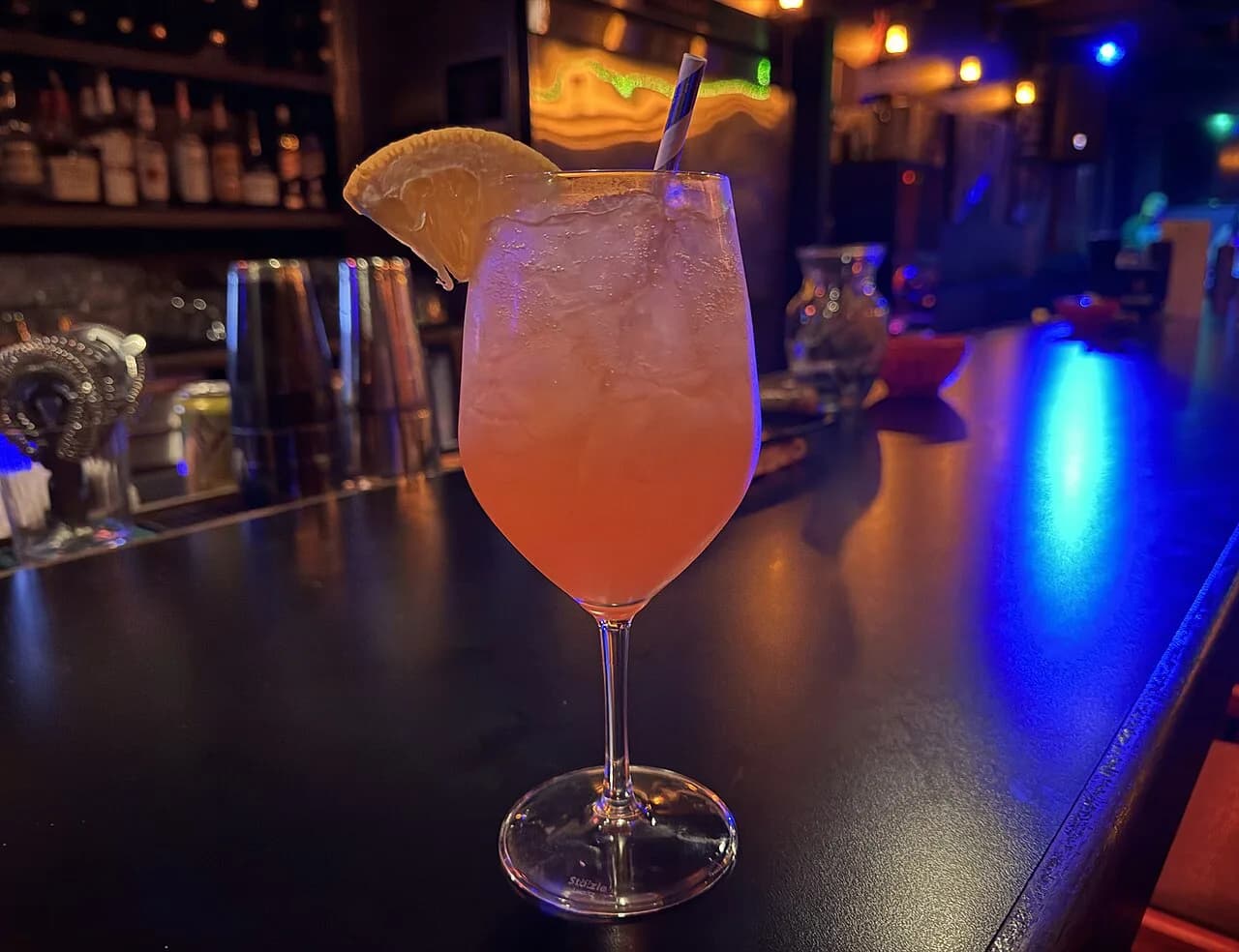
Ask for un spritz and you will usually be asked which bitter you want: Aperol, Campari or Select. Say the name with the word spritz, for example un Aperol spritz, and the bar builds it in front of you over ice in a wine glass. If you simply want the house version, say un spritz and take what comes.
It is a drink to order at the counter or at a table in the early evening rather than a long after-dinner order. Aperitivo is the food attached to the drink, so if the bar puts out a few bites, the glass and the plate belong to the same moment rather than a separate meal.
Aperitivo snacks that come alongside
A spritz is rarely served entirely alone in the hours before dinner. Bars put out small savoury bites, and the style varies by city: in Venice you might find cicchetti, the small topped breads served in bacari, while elsewhere a bowl of olives, crisps or a slice of focaccia does the job. See our guide to Italian Aperitivo Snacks for what to expect alongside the glass; the point is a small salty bite that keeps you going until dinner rather than a full meal.
If you want a non-alcoholic glass that still fits the ritual, look for an alcohol-free aperitivo or a simple bitter soda. M&S lists an alcohol-free aperitivo spritz alongside its other spritz recipes, along with a Hugo spritz for anyone who prefers something lighter and floral.
Making one at home
For a group, buy by bottle size rather than guessing. The Aperol recipe page's planner pairs a 700 ml bottle of Aperol with a 750 ml bottle of Prosecco D.O.C. and a 500 ml bottle of soda water to work out how many you need. From the 3-2-1 ratio, each 50 ml of Aperol makes one drink, so a 700 ml bottle yields fourteen spritzes, and the Prosecco and soda bottles cover those with roughly 50 ml of Prosecco and 25 ml of soda left over.
Keep the Prosecco chilled and add the soda last, and use a large wine glass so the ice does not crowd the drink. For a lower-alcohol version, increase the soda slightly and reduce the Prosecco; for a non-alcoholic one, use an alcohol-free aperitivo in place of the liqueur and expect a sweeter, less bitter result.
Which spritz to order first
Start with the Aperol Spritz, because it is the sweetest and easiest entry point, and try a Campari or Select version on the next round if you want more bitterness. Order it in the early evening with whatever small bites the bar is serving, and keep the 3-2-1 ratio in mind if you want to repeat the drink at home.
If you enjoy the structure, the same formula works with other bitters and with citrus spirits, from lemon-forward drinks to herbal amari. Treat the spritz as a template rather than a single recipe and the Italian bar menu makes more sense.
Explore more Italy food guides
Frequently Asked Questions
What is the difference between an Aperol Spritz and a Campari Spritz?
The base is the same: Prosecco, a bitter liqueur and soda in a 3-2-1 pour. Aperol is lower in alcohol, sweeter and gentler on the bitter finish, while Campari is stronger, deeper red and more bitter. Order a spritz by naming the bitter you want if the bar offers a choice.
Can I make a spritz without Prosecco?
You can use another dry sparkling wine, but Prosecco is the standard partner and the recipe published by Aperol specifies Prosecco D.O.C. A very sweet sparkling wine will push the drink out of balance against the bitter liqueur. If you want lower alcohol, add slightly more soda and less sparkling wine.
Sources
Notes for your next meal in Italy
Optional updates to our food guides.
You might also like
Continue reading
More guides you'll find useful